
Karnataka will officially celebrate Engineers’ Day every year on September 15, the birth anniversary of Bharat Ratna Sir M Visvesvaraya, with the state government also permitting engineers to use the prefix “Er.” before their names. Chief Minister DK Shivakumar announced while addressing the 59th Engineers’ Day celebration organised by the Karnataka Chapter of the Institution of Engineers (India) on Tuesday, September 15, to mark the birth anniversary of Sir M Visvesvaraya, as reported by Deccan Herald.
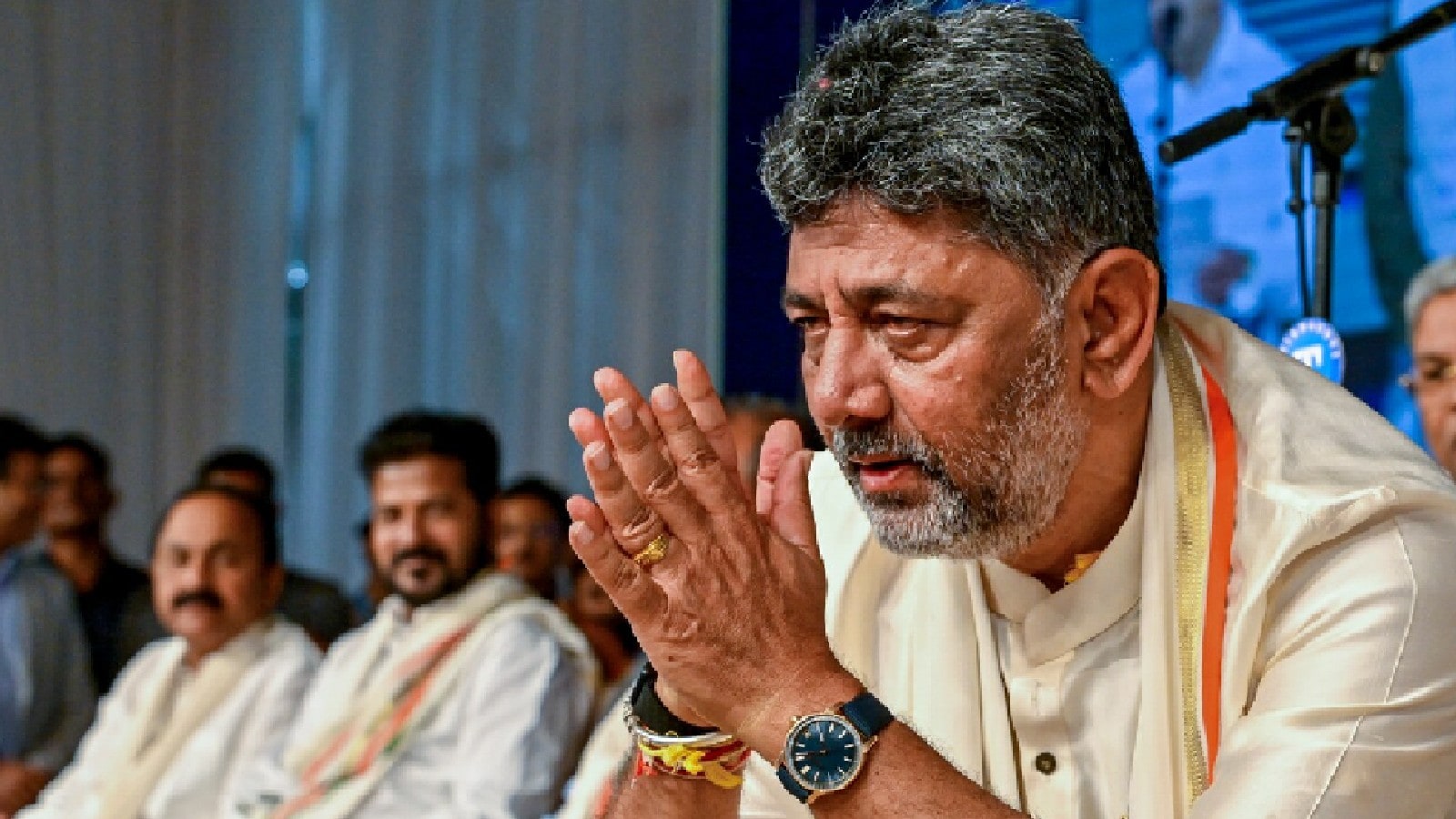
The government issued an order on Tuesday recognising September 15 as Engineers’ Day in Karnataka and allowing engineers in the state to use “Er.” as a professional prefix. CM Shivakumar said the government would organise official Engineers’ Day celebrations from next year, with the format and other details to be finalised following discussions with officials. “More than one lakh engineers graduate in Karnataka every year. With India having one of the world’s largest pools of engineering talent, it is our responsibility to recognise their contribution,” CM Shivakumar said.

CM Shivakumar also spoke about the need for a department called public serviceaimed at serving people and addressing their problems effectively. The government order noted that engineers play a significant role in social and economic development by creating technical solutions to human challenges. It described them as “architects of the future”, highlighting their contribution to infrastructure, energy, construction and information technology.
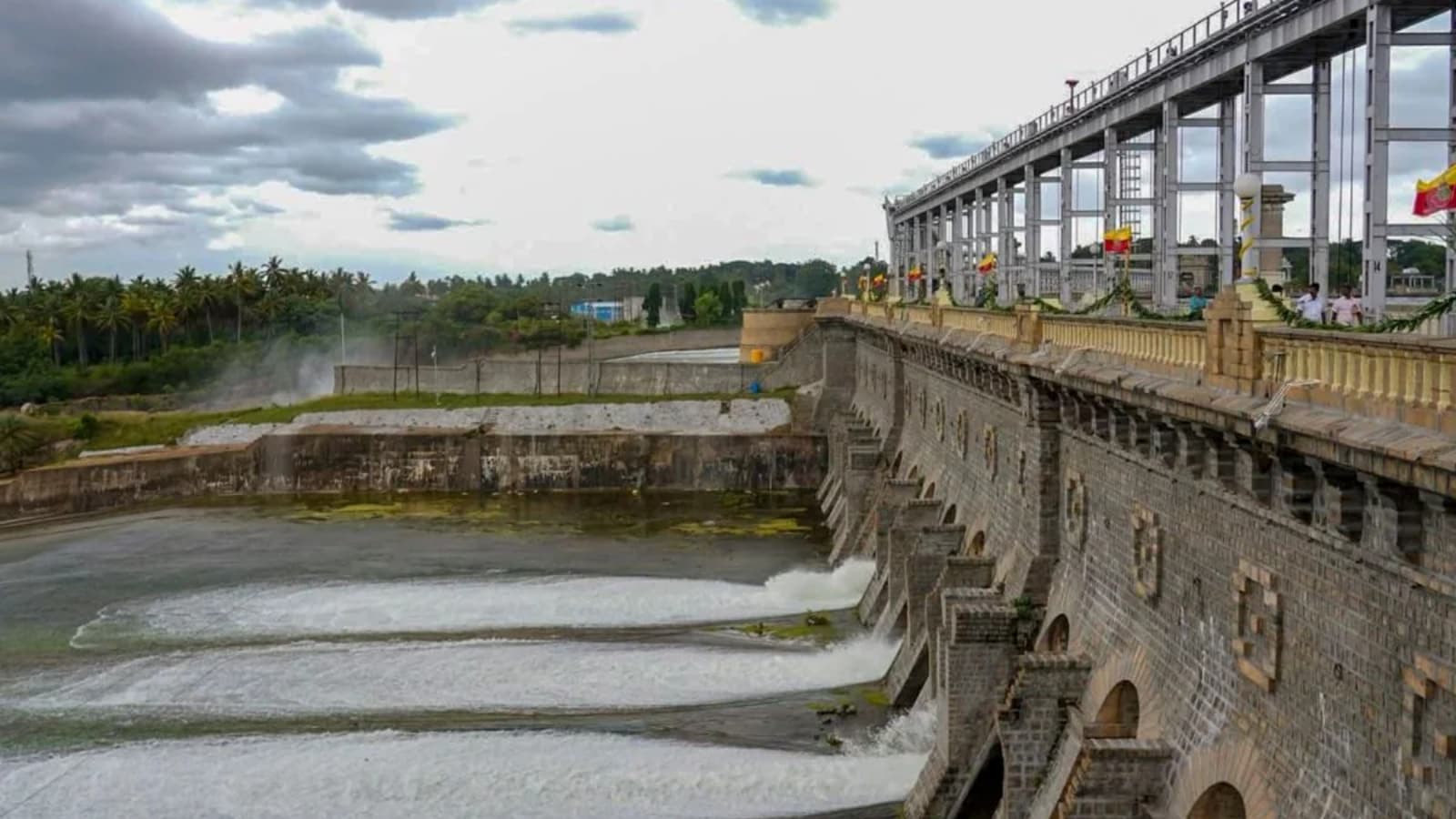
The order also recalled Visvesvaraya’s contribution during his tenure as the 19th Dewan of the erstwhile Mysore State from 1912 to 1918. Among his notable works were the construction of the Krishnaraja Sagar dam and the installation of automatic floodgates for flood control. The order also credited him with supporting the establishment of institutions and industries, including the Bhadravati Iron and Steel Works, Mysore Sandalwood Oil Factory and Soap Factory.
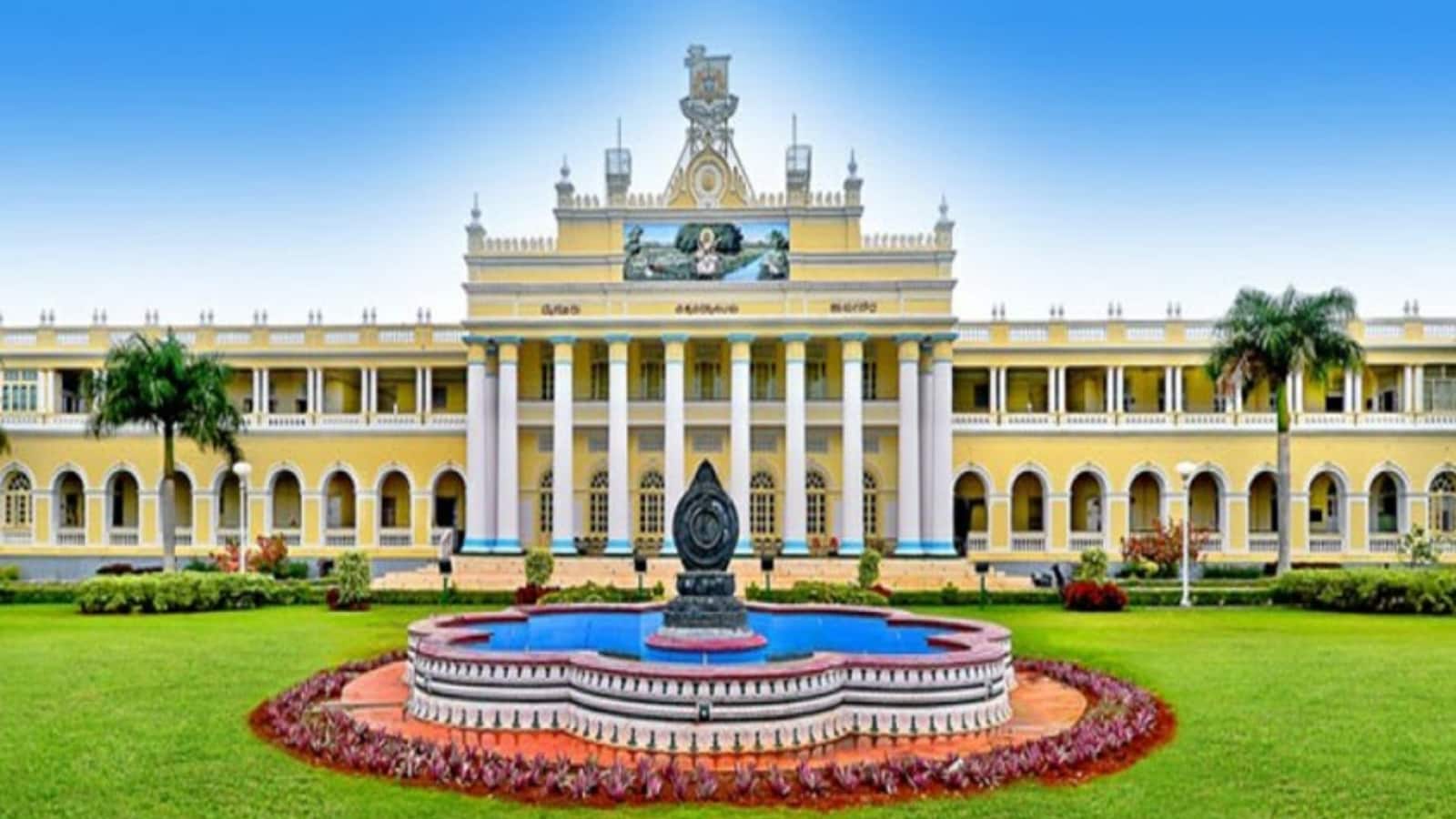
His contributions also extended to education and finance, including the establishment of the University of Mysore and State Bank of Mysore. Shivakumar described Visvesvaraya as a role model whose legacy continues to inspire generations of engineers. The recognition of “Er.” in Karnataka is not just a tribute to the engineering community but also places the designation within the broader tradition of professional titles used alongside names. While prefixes such as “Dr.” and “CA” are widely recognised, several other professional designations and appellations remain less familiar to the public.

1. Dr. – Doctor: “Dr.” is perhaps the most widely recognised professional prefix. It is used by medical practitioners as well as people who have obtained doctoral-level qualifications in various academic disciplines. Importantly, the title itself does not necessarily indicate that a person is a medical doctor; the qualification or profession behind its use provides the context.

2. CA – Chartered Accountant: “CA” stands for Chartered Accountant and is used by members of the Institute of Chartered Accountants of India. Unlike a conventional prefix such as “Mr.”, “CA” identifies a professional qualification and is commonly placed before a person’s name in India. The Government of India’s professional appellation code includes “CA” among its recognised professional appellations.

3. CS – Company Secretary: “CS” commonly denotes a Company Secretary, a professional who specialises in areas such as corporate law, governance, regulatory compliance and company administration. It is also used as a professional qualification designation, generally associated with the Institute of Company Secretaries of India.

4. CMA – Cost And Management Accountant: “CMA” refers to a Cost and Management Accountant. The designation is associated with professionals specialising in areas such as cost accounting, management accounting, financial planning and related functions. Government records listing professional qualifications include CMA among recognised professional qualification codes.

5. CFA – Chartered Financial Analyst: “CFA” stands for Chartered Financial Analyst. It is an internationally recognised professional designation associated with investment analysis, portfolio management and financial markets. Unlike “Er.”, it is generally used after a person’s name rather than as a conventional prefix.

6. CPA – Certified Public Accountant: “CPA” stands for Certified Public Accountant and is a professional accountancy designation particularly associated with the United States and several other jurisdictions. It is generally written after the professional’s name and should not be confused with the Indian CA qualification.

7. CISA – Certified Information Systems Auditor: “CISA” stands for Certified Information Systems Auditor. The designation is associated with professionals working in information systems auditing, governance, risk management and cybersecurity-related assurance. It is another example of a professional credential that is normally placed after the name rather than before it. Government professional-qualification records include CISA among recognised qualification codes.

8. CISM – Certified Information Security Manager: “CISM” stands for Certified Information Security Manager. It is a professional certification associated with information security management, including areas such as security governance, risk management and incident management. Like CISA, it is generally used as a post-nominal designation.

9. FRCS – Fellow Of The Royal College Of Surgeons: FRCS stands for Fellow of the Royal College of Surgeons. It is a professional qualification awarded by the Royal College of Surgeons and is used after the name of a surgeon who has obtained the fellowship. Unlike “Dr.” or “Prof.”, FRCS is a post-nominal designation rather than a prefix.
10. Prof. – Teacher: “Prof.” is used for a professor and is one of the professional appellations recognised in India’s official data standards. Unlike many academic degrees, “Prof.” generally relates to a person’s academic position rather than simply indicating that they hold a particular qualification.

Prefixes And Suffixes Do Not Always Mean The Same Thing: Professional designations can appear either before or after a person’s name, depending on the profession and convention. India’s official e-Governance Standards distinguish between an appellation, which is prefixed to a name, and a suffix, which follows the name. The standards give examples such as “Dr. Ramesh Saini, MD”, where “Dr.” is the prefix and “MD” is the suffix. The same standards state that a person can have up to two appellations, with a professional appellation appearing before a gender or marital-status appellation where applicable.

Some professional titles also have specific legal requirements. Forinstance, registration with the Council of Architecture entitles a person to use the title and style of “Architect”, while misuse of the protected title can attract legal consequences under the Architects Act, 1972. The growing recognition of professional designations reflects how qualifications, registrations and professional roles are increasingly represented alongside people’s names. In Karnataka, the decision to formally recognise “Er.” gives engineers a new place in that long-established tradition of professional appellations.
Source link
[ad_3]

