
From launching its first satellite in the 1970s to reaching the Moon, India’s space programme has come a long way. Over the decades, ISRO’s missions have expanded from basic satellite technology to deep-space exploration and advanced scientific research. As World Space Week is being observed from October 4 to 10, here are eight ISRO missions that mark some of the biggest milestones in India’s space journey. (File Photo)
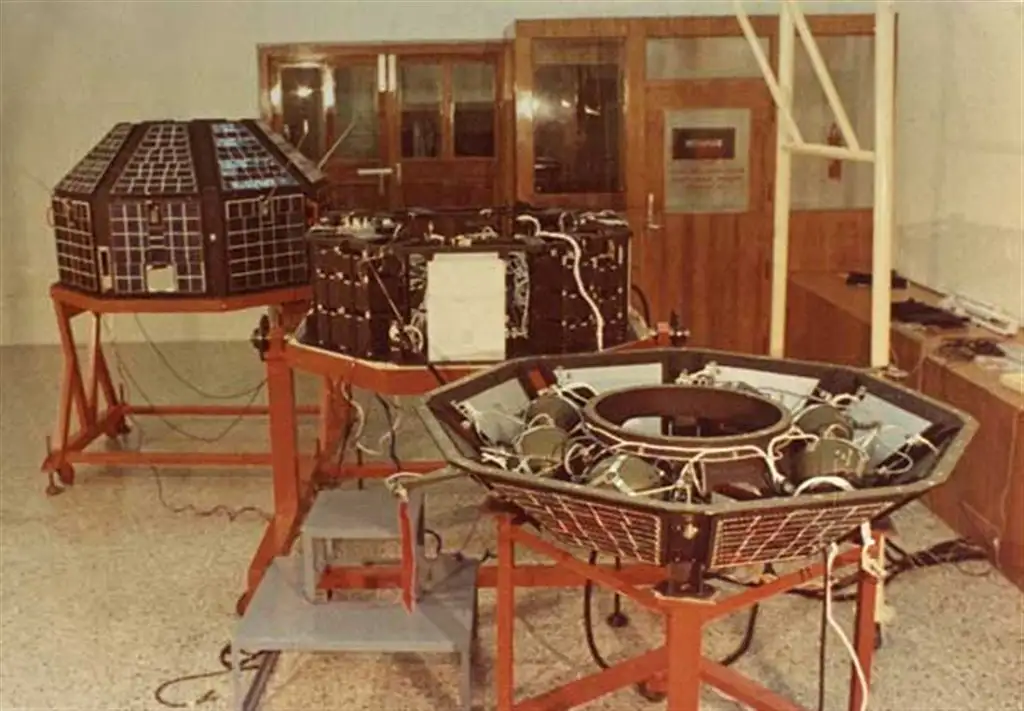
Aryabhata
Launched on April 19, 1975, Aryabhata was India’s first satellite. Built by ISRO and launched with Soviet assistance, it marked the beginning of India’s journey in space-based scientific research. Its experiments focused on areas including X-ray astronomy, solar physics and aeronomy. (Image: ISRO)
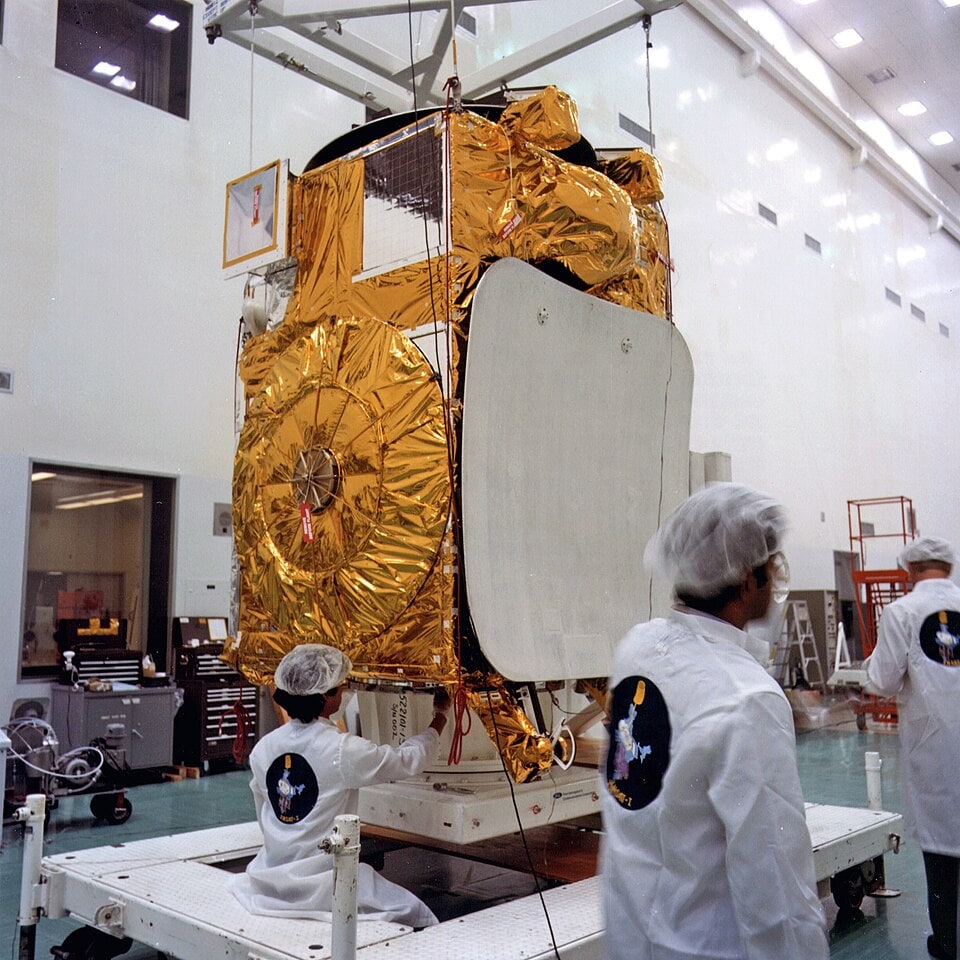
INSAT
The INSAT programme transformed the way India used satellites for everyday needs. Its satellites supported telecommunications, television broadcasting, meteorology and education, making space technology directly relevant to life on Earth. (Image: Wikimedia Commons)
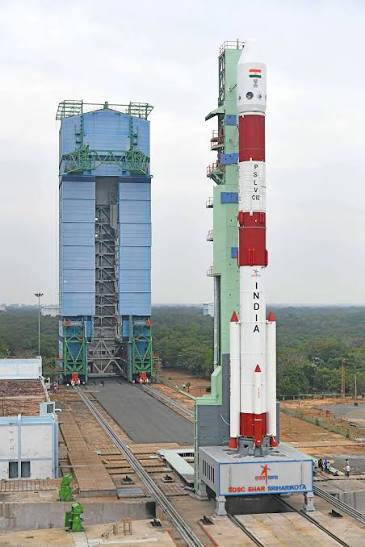
PSLV
The Polar Satellite Launch Vehicle (PSLV) became one of ISRO’s most important launch systems after its first successful mission in 1994. It went on to launch a wide range of Indian and international satellites and played a crucial role in missions including Chandrayaan-1 and the Mars Orbiter Mission. (Image: Wikimedia Commons)
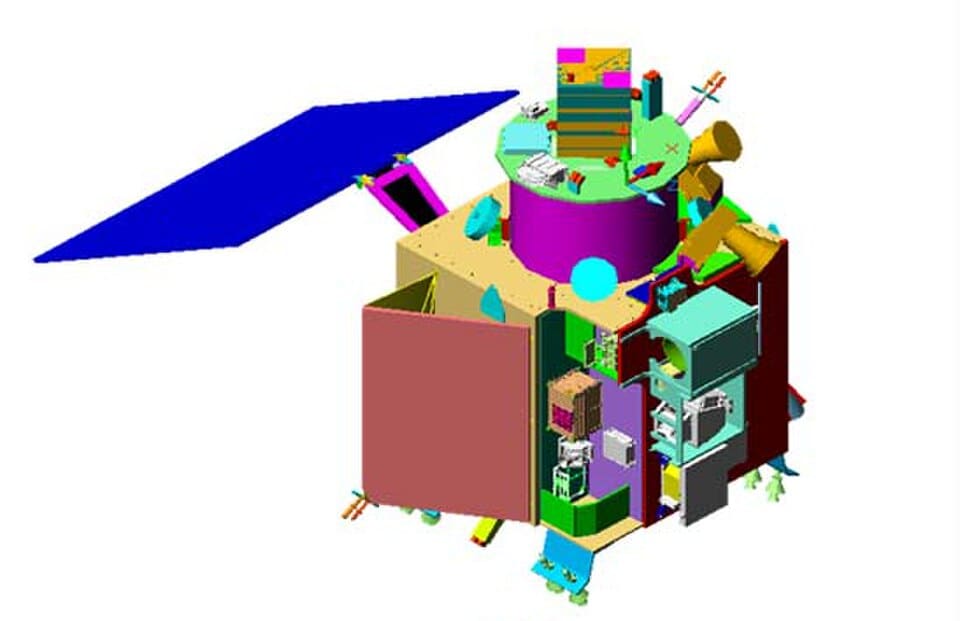
Chandrayaan-1
Launched on October 22, 2008, Chandrayaan-1 was India’s first mission to the Moon. The spacecraft carried 11 scientific instruments and mapped the lunar surface. One of its major scientific achievements was providing evidence that significantly advanced the understanding of water on the Moon. (Image: Wikimedia Commons)
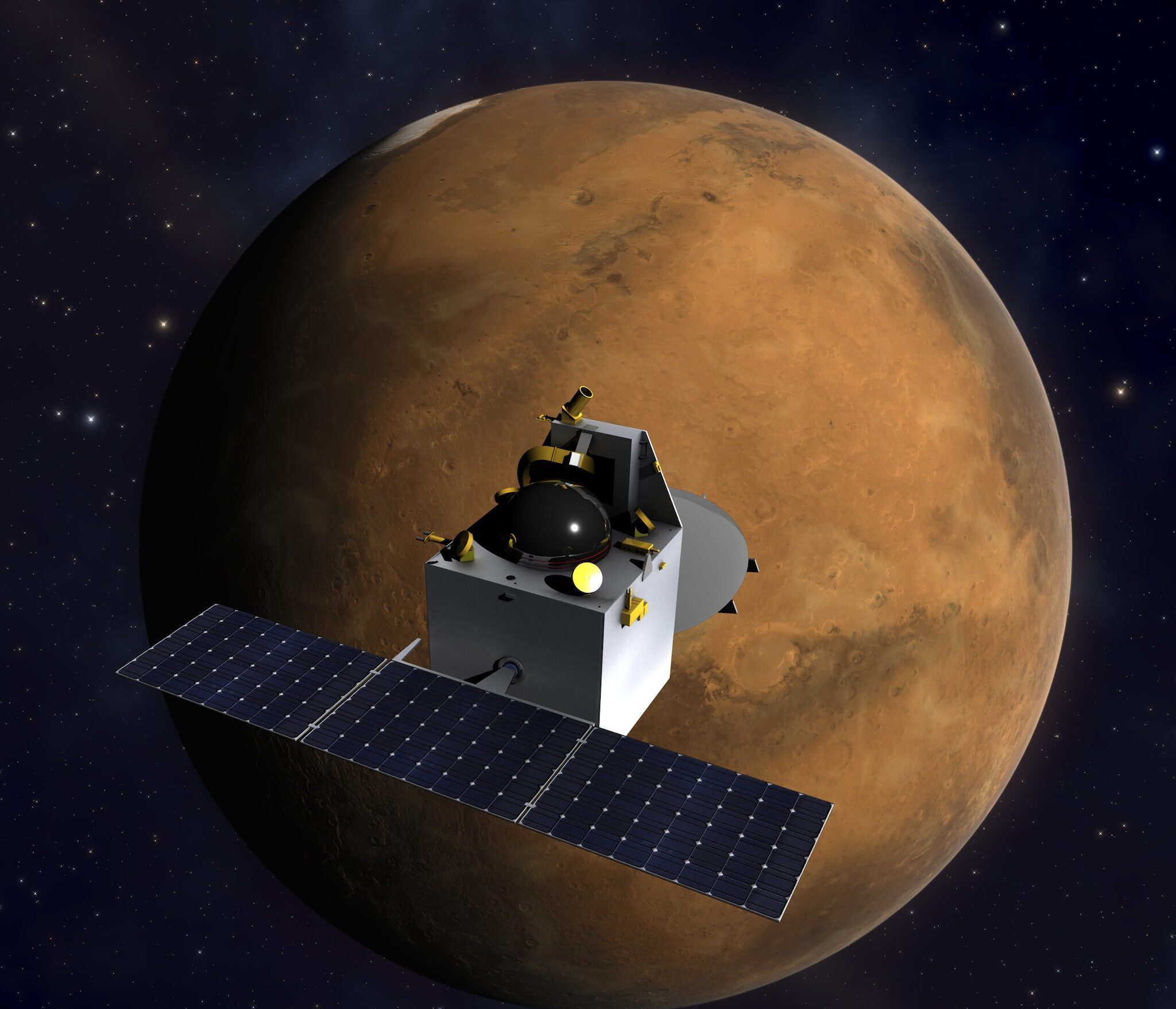
Mars Orbiter Mission
Also known as Mangalyaan, the Mars Orbiter Mission was launched in 2013. It made India the first Asian nation to reach Mars orbit and demonstrated the country’s ability to undertake interplanetary missions. It also studied the Martian surface and atmosphere. (Image: Wikimedia Commons)
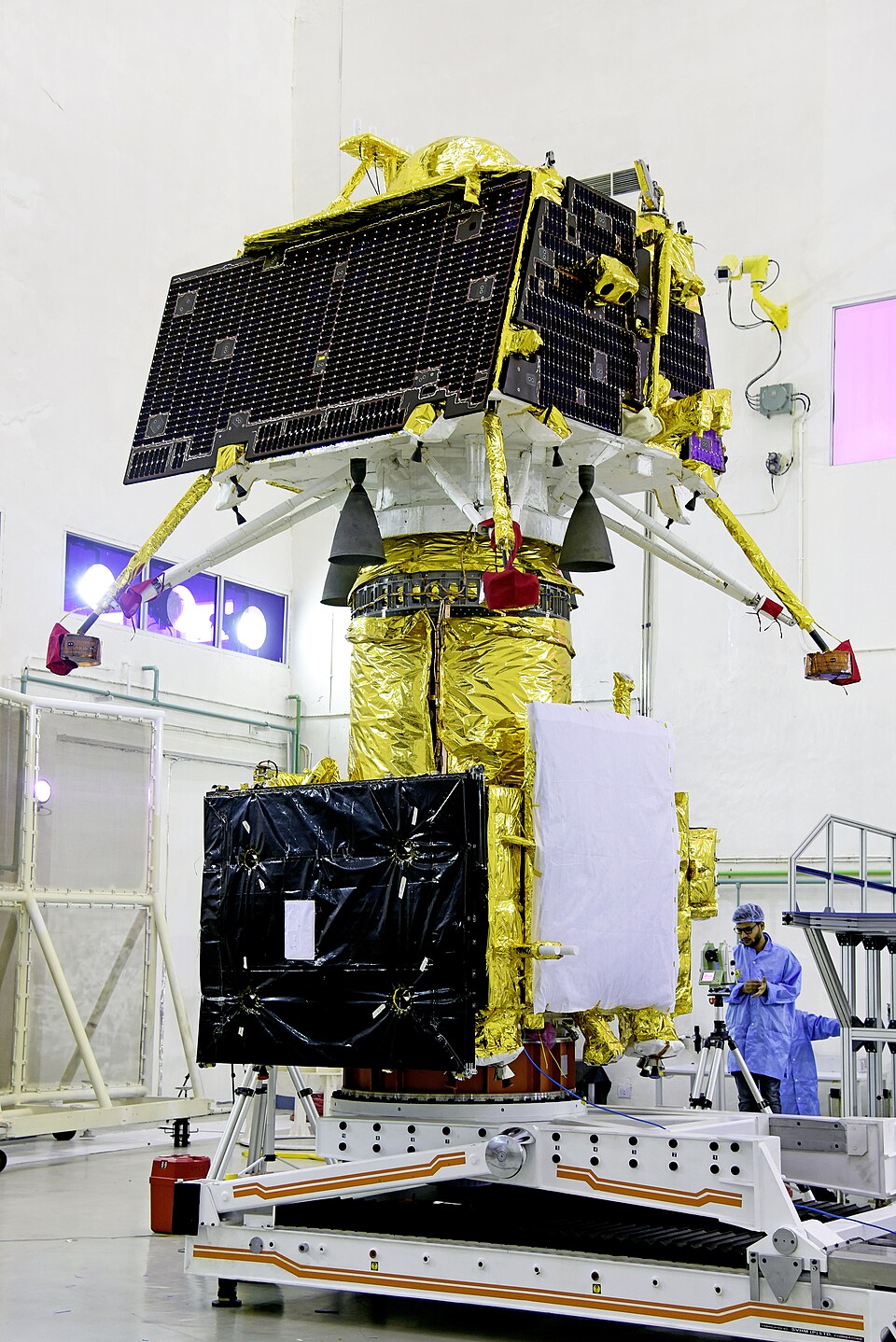
Chandrayaan-2
Launched on July 22, 2019, Chandrayaan-2 was designed to study the Moon through an orbiter, lander and rover. Although the lander did not achieve a successful soft landing, the orbiter continued its scientific mission and provided valuable lunar data. (Image: Wikimedia Commons)
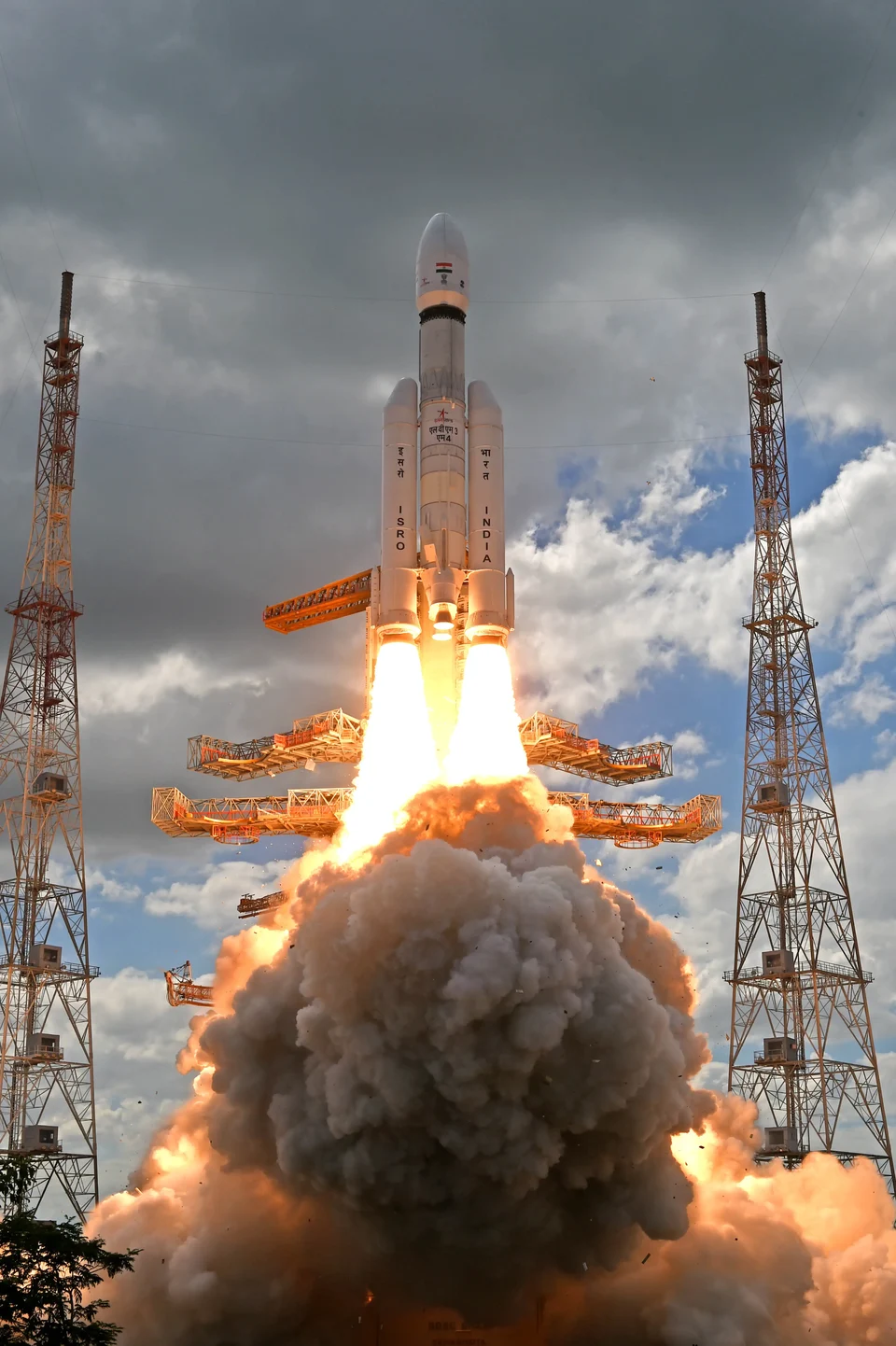
Chandrayaan-3
On August 23, 2023, Chandrayaan-3 achieved a historic soft landing on the lunar surface. Its lander and rover conducted scientific experiments near the Moon’s south polar region, demonstrating India’s capability to safely land and operate a rover on the lunar surface. (Image: Wikimedia Commons)
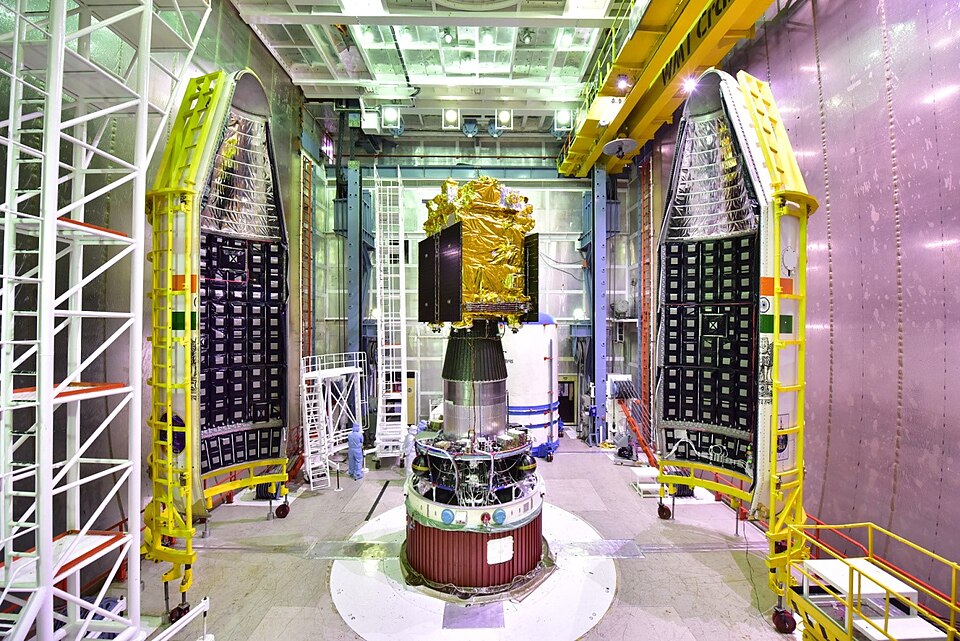
Aditya-L1
Launched on September 2, 2023, Aditya-L1 is India’s first space-based solar observatory. Positioned in a halo orbit around the Sun-Earth L1 point, about 1.5 million km from Earth, it is designed to study the Sun and its various phenomena. (Image: Wikimedia Commons)
Source link
[ad_3]

