
El Nino is a natural climate event in which the water in the central and eastern parts of the Pacific Ocean becomes warmer than normal. It changes global weather patterns. El Nino in India usually weakens the south-west monsoon, reducing total rainfall.
in 2026 El Nino Reaching medium to strong levels. The Indian Meteorological Department (IMD) has predicted the monsoon to be only 90 percent of the long period average (LPA) for the entire country. This could be the weakest monsoon in 11 years.
Also read: From Banda to Britain… the world is burning due to El Nino! Photos
El Nino affects the monsoon winds. Reduces moisture transport. Creates high pressure zones that prevent rain. But this effect is not uniform across the country. In some areas there is heavy rain and in some there is drought. This is why Mumbai It is full of water while Delhi is dry.
in mumbai flood: Monsoon arrived late but strong
Monsoon arrived late in Mumbai and coastal areas of Maharashtra in June 2026, but when it arrived, it was accompanied by heavy rains. In many parts of the city, more than 79 mm of rain fell in a day, due to which the roads were filled with water. Traffic stopped. There was flood in low lying areas. The water in the reservoirs increased, which earlier was only at 10% level.
This heavy rain occurred despite El Nino due to moisture coming from the Western Ghats and the Arabian Sea. El Nino weakens the overall monsoon but sometimes increases extreme events – more rainfall in fewer days. Poor drainage system in cities like Mumbai further increases this problem. Experts say that El Nino combined with climate change is making such incidents more intense.
Also read: In which months of the year will El Nino trouble you, know the situation till June 2027
Delhi And drought like conditions in North India
June remained dry in Delhi, Punjab, Haryana and many parts of North India. Due to lack of rain, the temperature remained high, humidity increased and people did not get respite from the heat. El Nino has a rainfall reducing effect in north-west India. Due to the monsoon trough being towards the south, moisture is not able to reach the north. Western disturbances also remained weak, which led to drought conditions. Farmers are worried because the sowing of Kharif crop is being affected.
El Nino and Monsoon Disparity
El Nino alters the Walker Circulation. Under normal circumstances, the eastern Pacific is cold and the western is warm, which sends moist winds towards India. In El Nino, warm water spreads towards the east, due to which the winds towards India weaken.
Nevertheless, other factors such as the Indian Ocean Dipole (IOD) influence. If IOD is positive then it can reduce some of the negative effects of El Nino. The progress of monsoon in 2026 was slow, with a deficit of more than 40% recorded in June. July and August are important months, when the highest rainfall generally occurs. If El Nino becomes stronger then there may be shortage in these months also.
Also read: Due to El Nino and ethanol, India’s sugar exports may take a break for several years.
For how many days or months will this situation last?
According to IMD, El Nino will be active during the monsoon season (June-September) of 2026. Can become stronger by winter. The irregular rain pattern is likely to continue till the end of July or August. There will be spells of heavy rain in some areas which may cause local flooding, while large areas will remain dry.
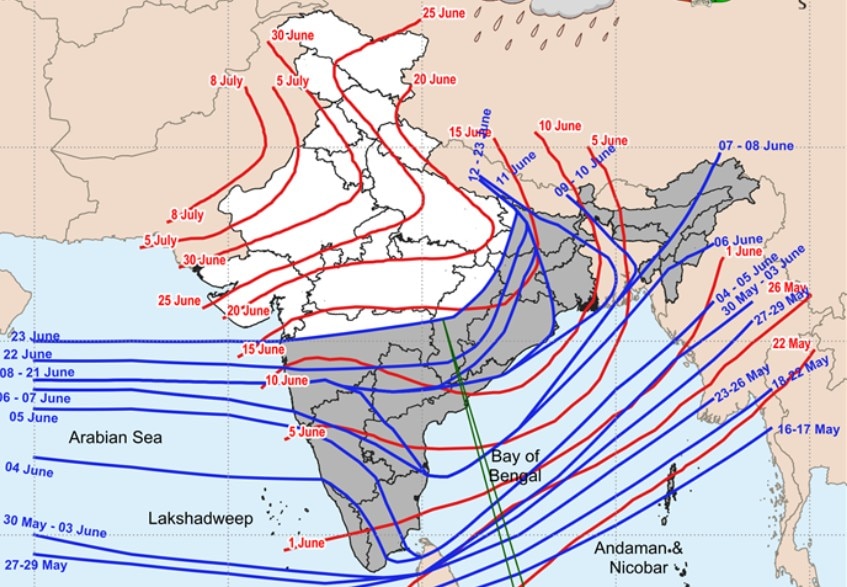
The situation may improve somewhat by September, but overall this year may prove to be a year of water crisis, agriculture and food inflation. In the long run, climate change is increasing the intensity and frequency of these events.
Agriculture, Water and Economy
Kharif crops like paddy, maize, soybean will be affected due to weak monsoon. Water reservoirs will fill less, which will affect drinking water and irrigation. Heat and drought can increase health problems in cities like Delhi. Floods in Mumbai will increase the burden on infrastructure.
The government should focus on crop insurance, water conservation and drought management. Farmers will have to adopt alternative crops and irrigation techniques. In the long run, there is a need to control climate change through green energy and forest conservation.
El Nino reminds us that Season The uncertainty is increasing. Better weather forecasting, satellite monitoring and climate-friendly farming are necessary. Cities will have to strengthen flood-resistant infrastructure. Common people should save water, plant trees and contribute to environmental protection.
This situation is not just the story of the current year but of the changing weather patterns. The water of Mumbai and the dry land of Delhi alert us that we have to move forward by understanding the signs of nature.
—- End —-
Source link
[ad_3]