
Bashir Badr, legendary Urdu poet, died in Bhopal on May 28, 2026, at the age of 91, leaving behind a large body of work, poems that have become part of everyday life and memories aplenty. (Photo: X)
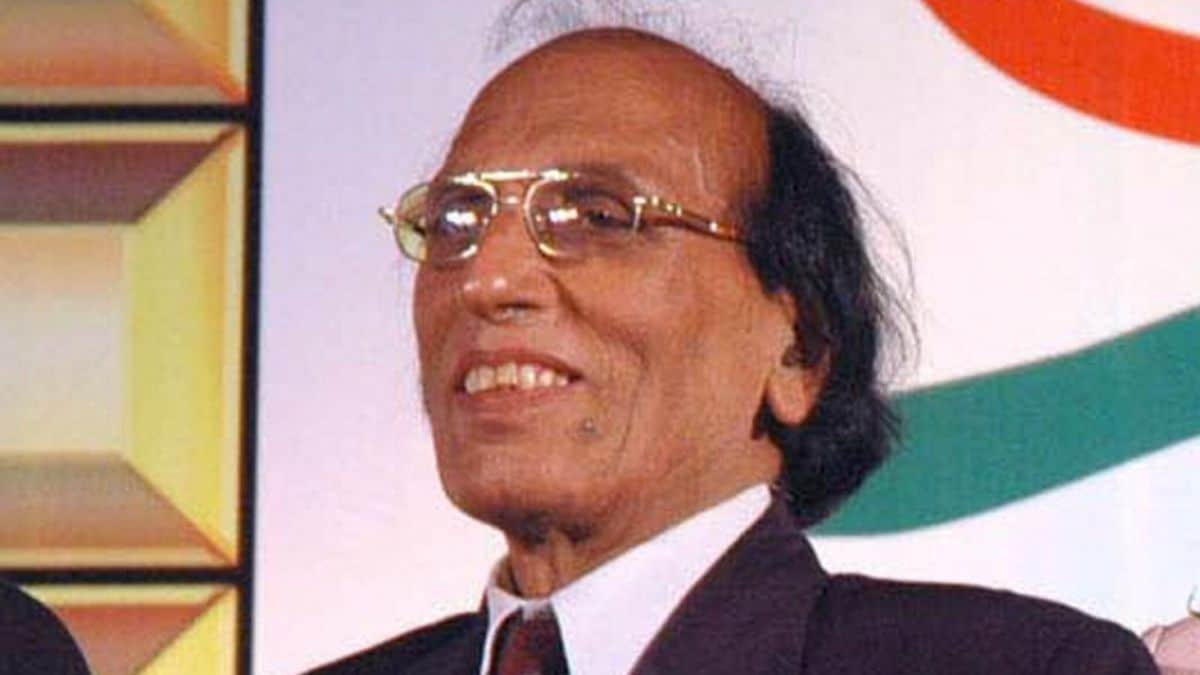
Failed by His Own Verse: In a famous piece of literary folklore from his student days at AMU, a young Bashir Badr was once failed in a viva exam over a couplet he wrote himself. When asked to decipher the hidden melancholy of “Ab hum milenge toh kayi log bichad jayenge…”, Badr explained his own work anonymously. The professor completely rejected his logic, costing him the exam. Decades later, that failed student would leave behind an immortal legacy as one of contemporary India’s most deeply quoted and beloved shayars. (Photo: PTI)
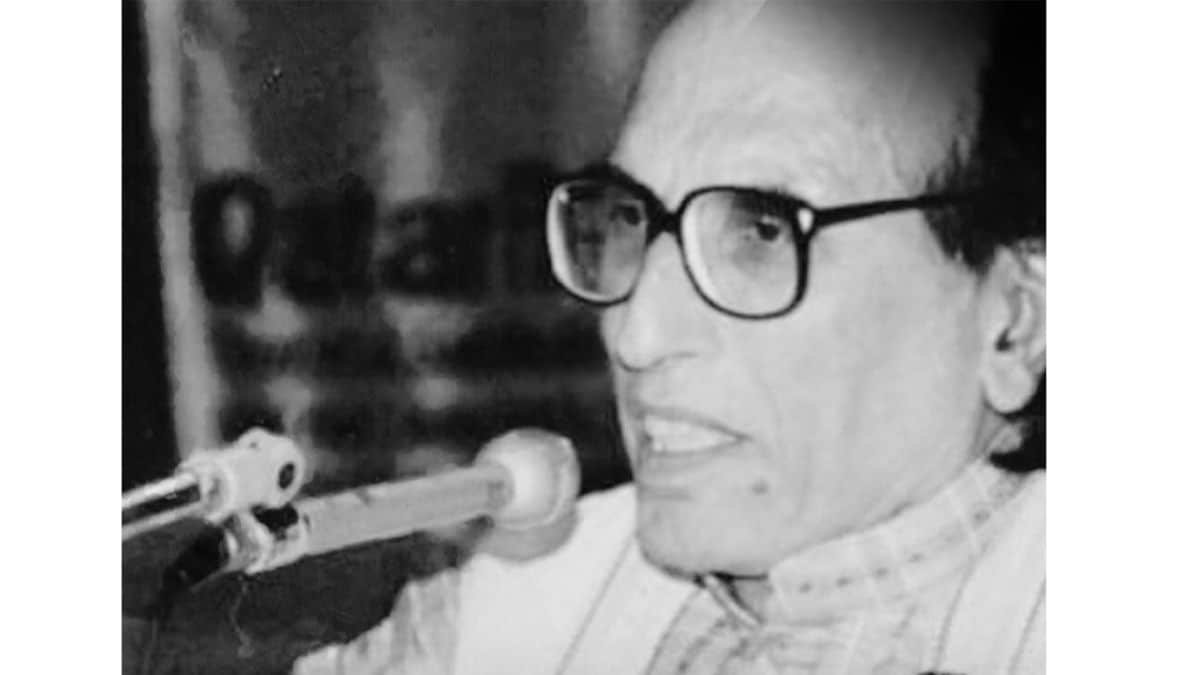
A Timeless Diplomatic Masterpiece: Written in the wake of the 1971 war and during the high-stakes 1972 Shimla Agreement summit, Bashir Badr’s iconic couplet redefined how nations view conflict: “Dushmani jam kar karo lekin ye gunjaish rahe, Jab kabhi hum dost ho jayein to sharminda na hon.” By advising bitter adversaries to leave room for future friendship, Badr brought a profound, necessary humanism to political corridors. Today, his famous words endure across the subcontinent as a masterclass in cross-border empathy and political eloquence. (Photo: X)
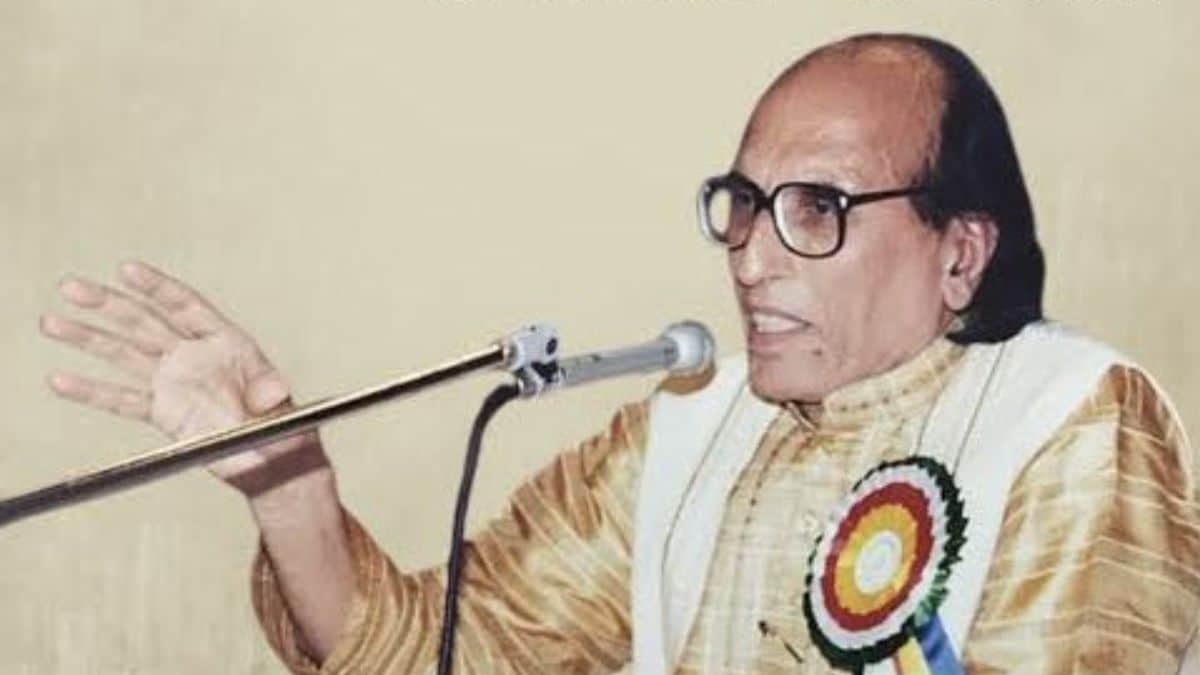
Rising From the Ashes of Tragedy: One of the most heartbreaking chapters in modern Urdu literature occurred during the 1987 Meerut violence, when rioters burned Dr. Bashir Badr’s home to the ground. In a matter of hours, thousands of his priceless, unpublished verses were permanently lost to the flames. The immense sorrow silenced his pen for a long period, forcing him to migrate to Bhopal to start over. This agonizing loss fundamentally altered his voice—transforming his later poetry into a deeply moving exploration of resilience, heartbreak, and human survival. (Photo: X)
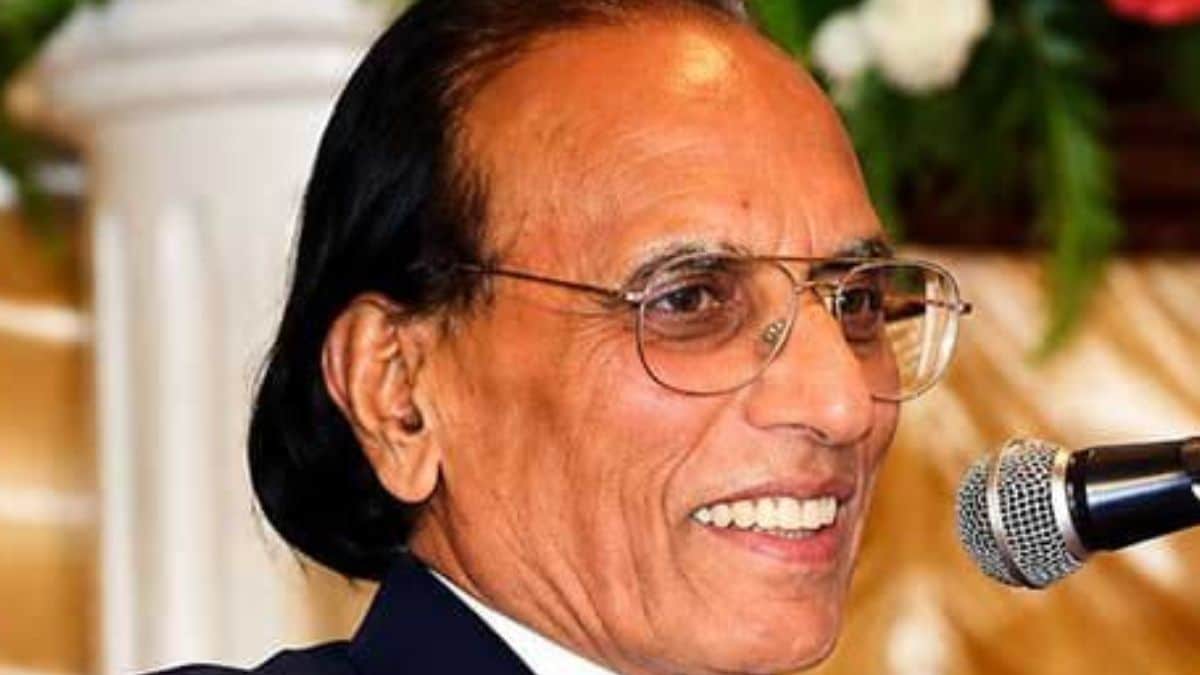
The Rebel Who Titled His Poetry “Image”: Bashir Badr forever democratized Urdu literature by stripping away heavy Persian and Arabic vocabulary. Breaking traditional literary rules, he published an experimental collection deliberately named “Image”, focusing on everyday words, sharp visual metaphors, and cross-cultural colloquialisms. By prioritising instant emotional connection over complex riddles, Badr proved that great poetry belongs to everyone—transforming the elite ghazal into the everyday language of the Indian public. (Photo: X)
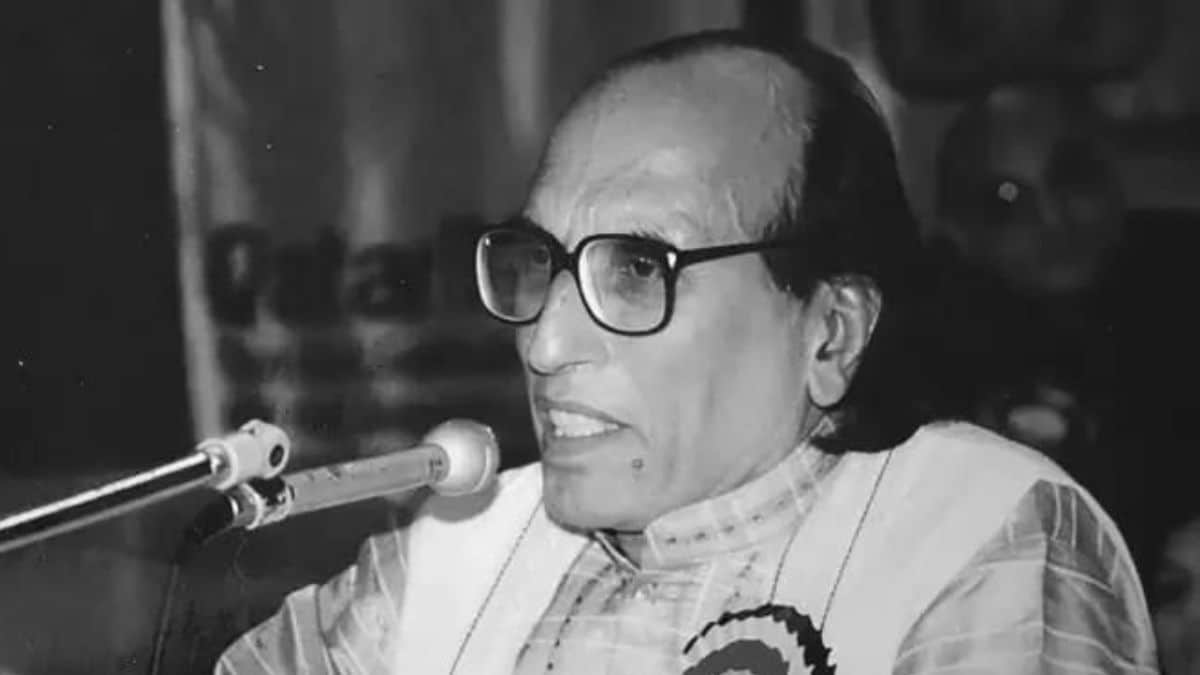
From Radio Waves to Bollywood Screenplays: Dr. Bashir Badr’s unique gift was making profound Urdu shayari feel like an everyday conversation. His timeless lines, “Ujale apni yaadon ke hamare saath rehne do…”, famously gave All India Radio’s legacy Vividh Bharti show its legendary title. Decades later, his melancholic verses were woven directly into the screenplay of the critically acclaimed 2015 Bollywood film Masaan, introducing his hauntingly beautiful worldview to an entirely new generation of digital viewers. (Photo: X)
Source link
[ad_3]

