
A scroll through social media or any café reveals a striking pattern of vibrant green and deep purple drinks and desserts appearing more frequently with every reel. From matcha lattes to ube cheesecakes, these once region-locked ingredients have moved into the global spotlight.
Matcha, a ground green tea powder originating from Japan, has been closely associated with Japanese tea culture for its distinct bitter, earthy yet addictive flavour. Ube, also called purple yam, belongs to Filipino cuisine and is valued for its mild sweetness, vanilla-like notes, and nutty texture.
Similar in visual appeal, both these ingredients carry cultural significance, and their popularity reflects the evolution of culinary traditions, with every matcha tiramisu baked and ube chiffon cake prepared.
Expansion Into Global Dessert Culture
Photo: Pexels
As their popularity has grown, matcha and ube have been incorporated into a broader range of desserts. Cafés and bakeries around the world now serve lattes, cakes, cookies, and pastries that carry their distinct flavour profiles for audiences who wish to experience Japan’s tea ceremonies or Filipino flavours from the comfort of their own homes.
The Role Of Visual Appeal And Social Media
Their natural colours make them especially attractive on digital platforms, where presentation is prioritised. This is evident in hashtags like #matcha, which has over 10 million posts on Instagram alone, and #ube, which has over 750K.
Social media has accelerated their popularity, with appealing images and videos drawing attention to them. Desserts are not only consumed but also shared, and colour has become a defining feature of their appeal.
Economic And Market Impact
The demand for matcha has increased significantly, leading to higher production and export activity in Japan. Similarly, growing interest in ube has boosted the visibility of Filipino cuisine globally. In India, the matcha market is now worth around ₹870 crore and is expected to reach nearly ₹1,400 crore by 2030, demonstrating its rapid growth in popularity and potential.
Health And Wellbeing
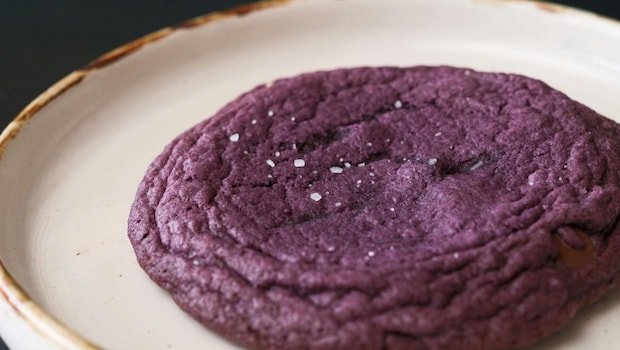
Photo: Pexels
Beyond colour, their popularity can also be linked to the health benefits they offer, which align with increasingly conscious and wellness-focused lifestyles, especially among younger consumers. Matcha contains antioxidants like catechins that help reduce inflammation. It also contains caffeine and L-theanine, which promote focus, calmness, and sustained energy. Ube also offers benefits, being rich in anthocyanins, natural pigments that give it its purple colour, which support overall health and digestion. Together, they combine nutrient-rich ingredients with aesthetics that contribute to their growing global demand.
Future Of The Trend
With the continued popularity of matcha and ube, it can be interpreted that distinctive ingredients, both visually and in taste, will remain influential in shaping food trends. As consumers increasingly seek unique and engaging experiences, similar ingredients such as pandan and taro may also emerge in the global market, driving further innovation and investment. Additionally, culturally rooted ingredients like saffron, kokum, rose, and jaggery, deeply embedded in Indian culinary traditions, may also gain renewed attention.
Matcha and ube’s popularity reflects how, in the digital age, food trends are not only created but also experienced and shared, highlighting growing awareness of global cuisines. As these ingredients continue to expand through innovation and social media, they illustrate a redefining of the relationship between food, culture, and consumption
Source link
[ad_3]

