
Before refined white sugar became a regular part of everyday cooking, jaggery was the sweetener many Indian households relied on. Known as gur in Hindi, it is used to sweeten everything from chai and kheer to chikki, laddoos and winter treats. It is also closely linked to sugarcane-growing regions, where fresh juice is turned into solid blocks of jaggery through a traditional process.
In Uttar Pradesh, one city is particularly strong reputation around this golden-brown sweeteneerr. In fact, its connection with jaggery goes beyond production, with a large trading market and a product that now has geographical recognition.
ALSO READ | Video: In Himachal, This Local Ice Cream Is Sweetened With Jaggery, Not Sugar
Muzaffarnagar Is Known As The Jaggery Capital Of India
Muzaffarnagar, in Uttar Pradesh, is widely associated with India’s jaggery trade. The district’s official website describes its jaggery market as the largest in the world. Uttar Pradesh is also popularly known as the Sugar Bowl of India, because of its strong sugarcane-growing economy and sugar industry.
The region’s fertile land supports extensive sugarcane cultivation, and agriculture remains central to the local economy. Over time, this helped Muzaffarnagar develop one of the country’s most important jaggery markets.
How Is Jaggery Made From Sugarcane?
The process starts with freshly harvested sugarcane, which is crushed to extract its juice. The juiice is filtered and heated in large pans until much of its water evaporates and it thickens into a concentrated syrup. Once it reaches the right consistency, it is cooled and shaped into blocks or other forms.
Unlike refined sugar, jaggery retains some of the molasses and minerals naturally present in sugarcane juice. Its colour and flavour can vary depending on the cane, processing method and degree of concentration. It is commonly used in Indian sweets and desserts, but also appears in savoury preparations, chutneys and traditional drinks. Jaggery-makingg has long been part of rural agro-processing in India. The industry supports farmers, processors, traders and small businesses, particularly in sugarcane-growing regions.
Muzaffarnagar Gur Has A GI Tag
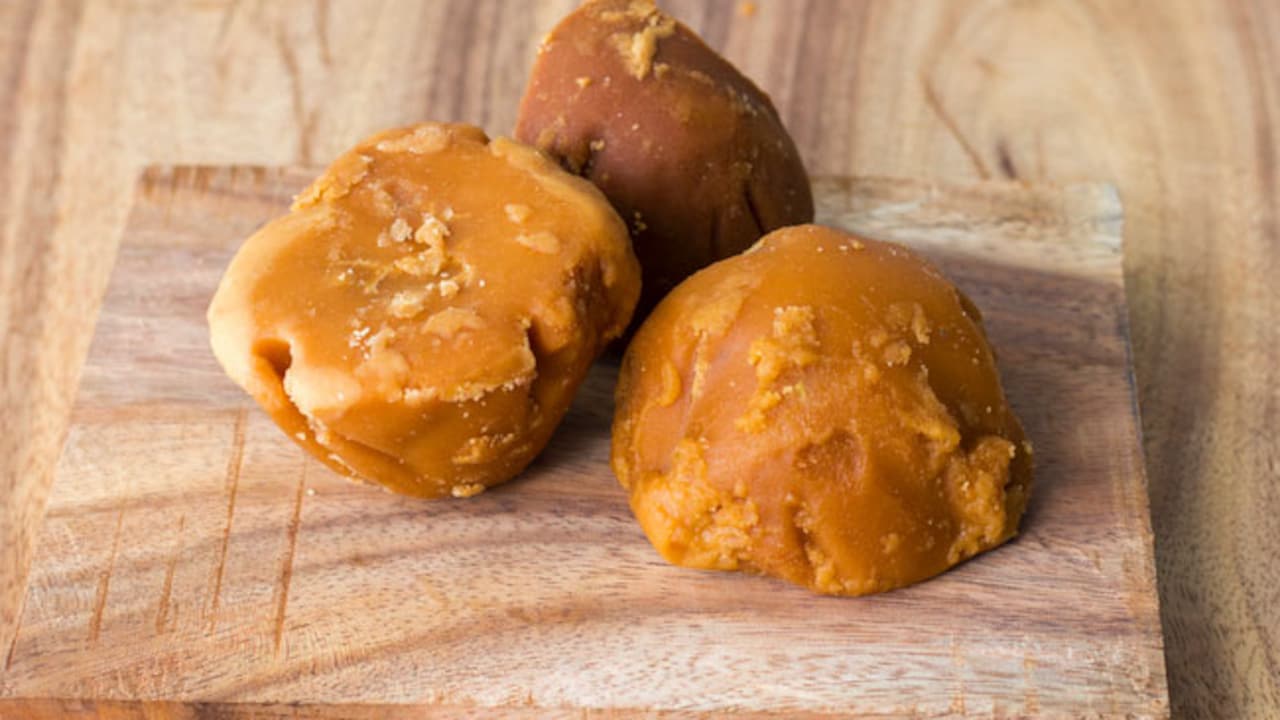
Muzaffarnagar’s connection with jaggery has also received formal recognition. Muzaffarnagar Gur was granted a Geographical Indication (GI) tag in 2023. The registration identifies the product with its geographical origin and helps distinguish it in the market. The official GI registry lists Haritzone Farmers Producer Company Limited, based in Muzaffarnagar, as the applicant.
ALSO READ | Video: How Rewri Is Made In A Factory From Scratch
The product is also featured under Uttar Pradesh’s One District One Product initiative, which promotes locally important goods and supports their marketing. In March 2025, a 30-metric-tonne consignment of GI-tagged jaggery from the Muzaffarnagar region was flagged off for export to Bangladesh through a farmer-producer organisation-led initiative.
For something that is often associated with homemade sweets and winter markets, jaggery has become an important part of the region’s agricultural trade. And while the phrase Jaggery Capital of India is a popular description rather than a formal government title, Muzaffarnagar’s vast market and GI-registered gur give the city a strong claim to the distinction.
Source link
[ad_3]

