
From a grieving brother to ‘Thalapathy’, from punch dialogues to political speeches, Vijay’s journey to power was never built overnight. Long before his Tamilaga Vettri Kazhagam (TVK) won on debut in 2026 Tamil Nadu Assembly elections, the clues were already scattered across his films, fan movements, public gestures, and carefully crafted on-screen persona. Here’s a look at the personal tragedies, cinematic moments, political symbolism, and mass mythology that slowly transformed Vijay from a movie star into the next Tamil Nadu Chief Minister. (PTI)
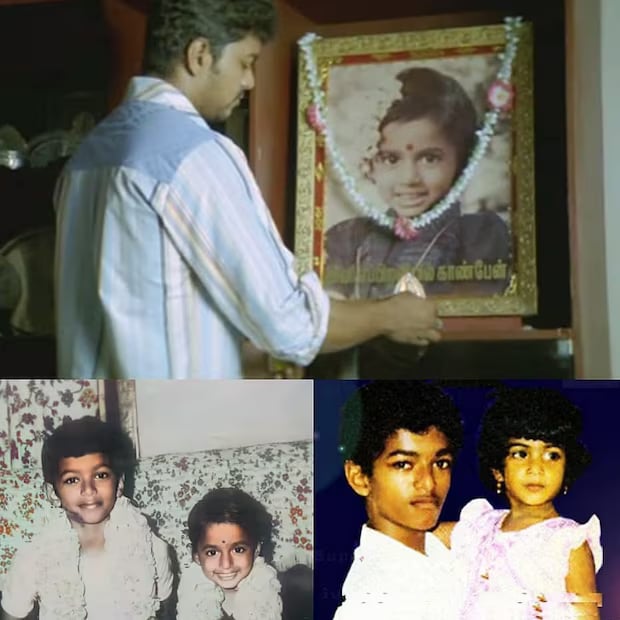
Long before politics entered the frame, a personal tragedy deeply shaped Vijay. In 1976, when Vijay was just a child, his two-year-old sister Vidhya died. According to reports, Vijay has been seen using ‘0277’, Vidhya’s birth date, on his vehicle number plates as a quiet tribute to her memory. (News18 Telugu)
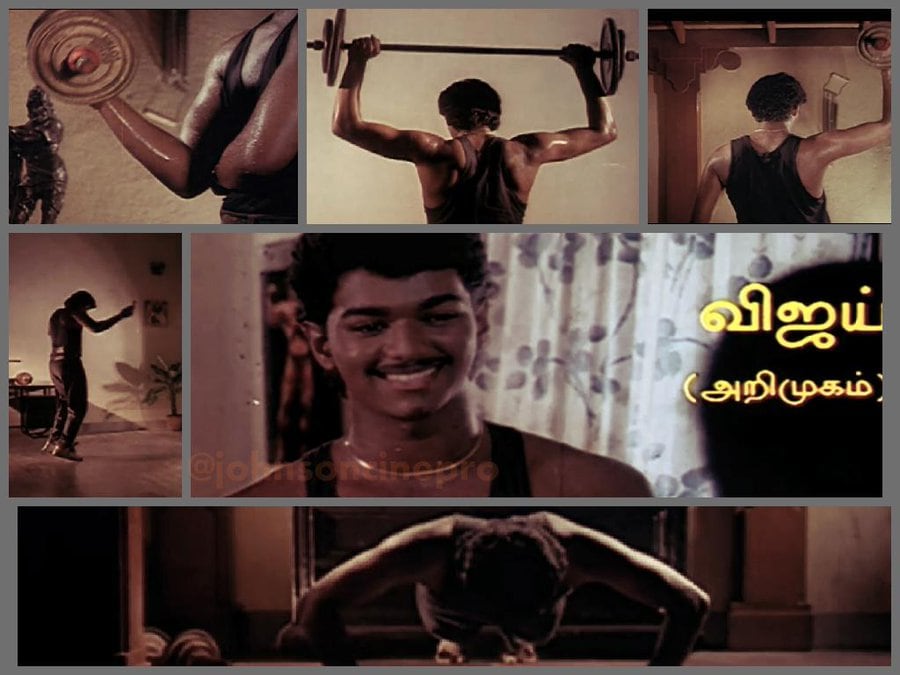
When Vijay made his acting debut in the 1992 film Naalaiya Theerpu, the signs of a future political persona were already visible. His father, filmmaker SA Chandrasekhar, framed the young actor as a rebellious hero with dialogue-heavy scenes about justice and leadership. (X/@johnsoncinepro)
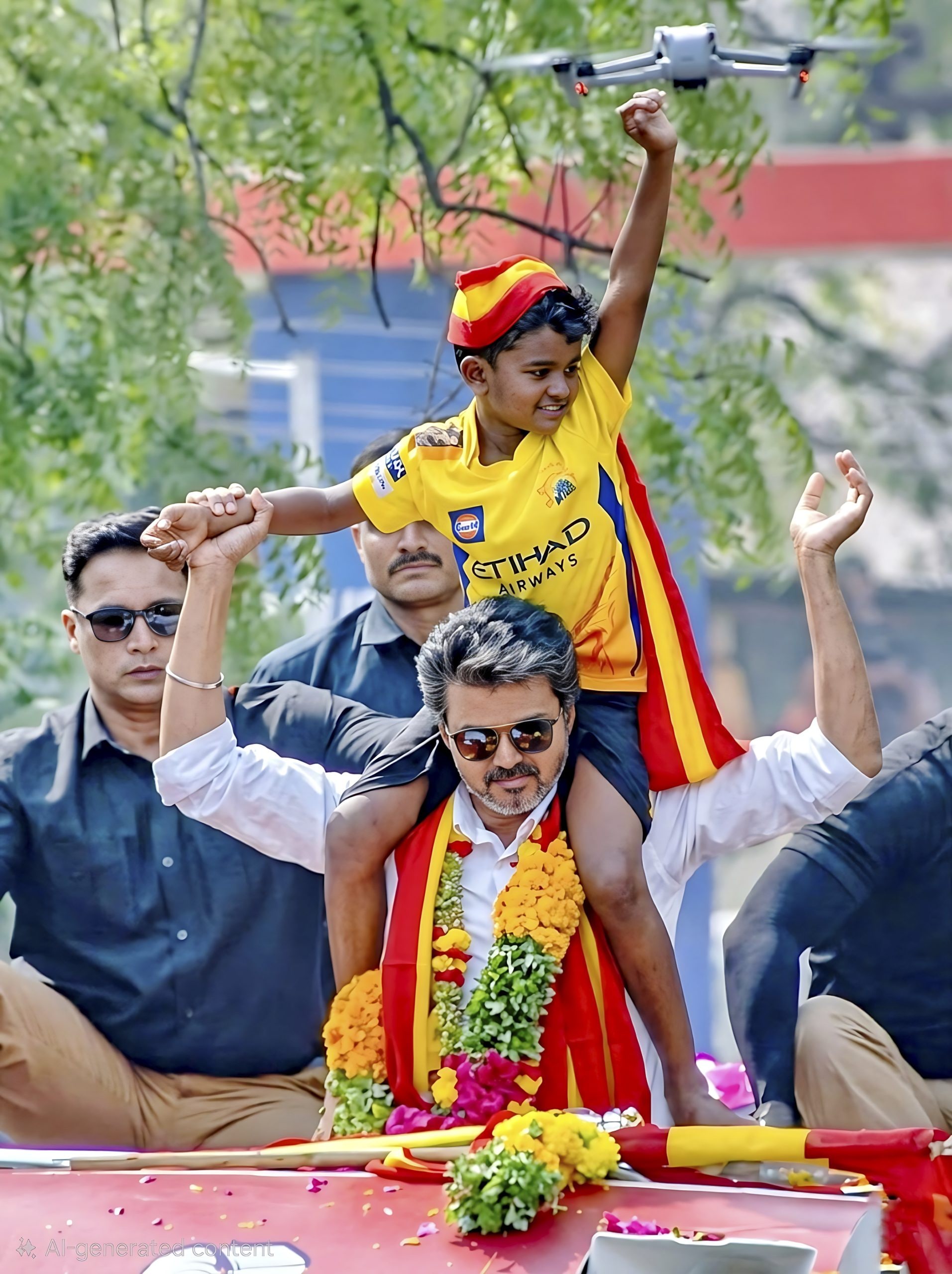
In the mid-1990s, Vijay was introduced to audiences as ‘Ilaya Thalapathy’ or ‘Young Commander’. More than two decades later, the ‘Ilaya’ quietly disappeared. He was no longer just the young commander. He had become simply ‘Thalapathy’ — Commander. (PTI)
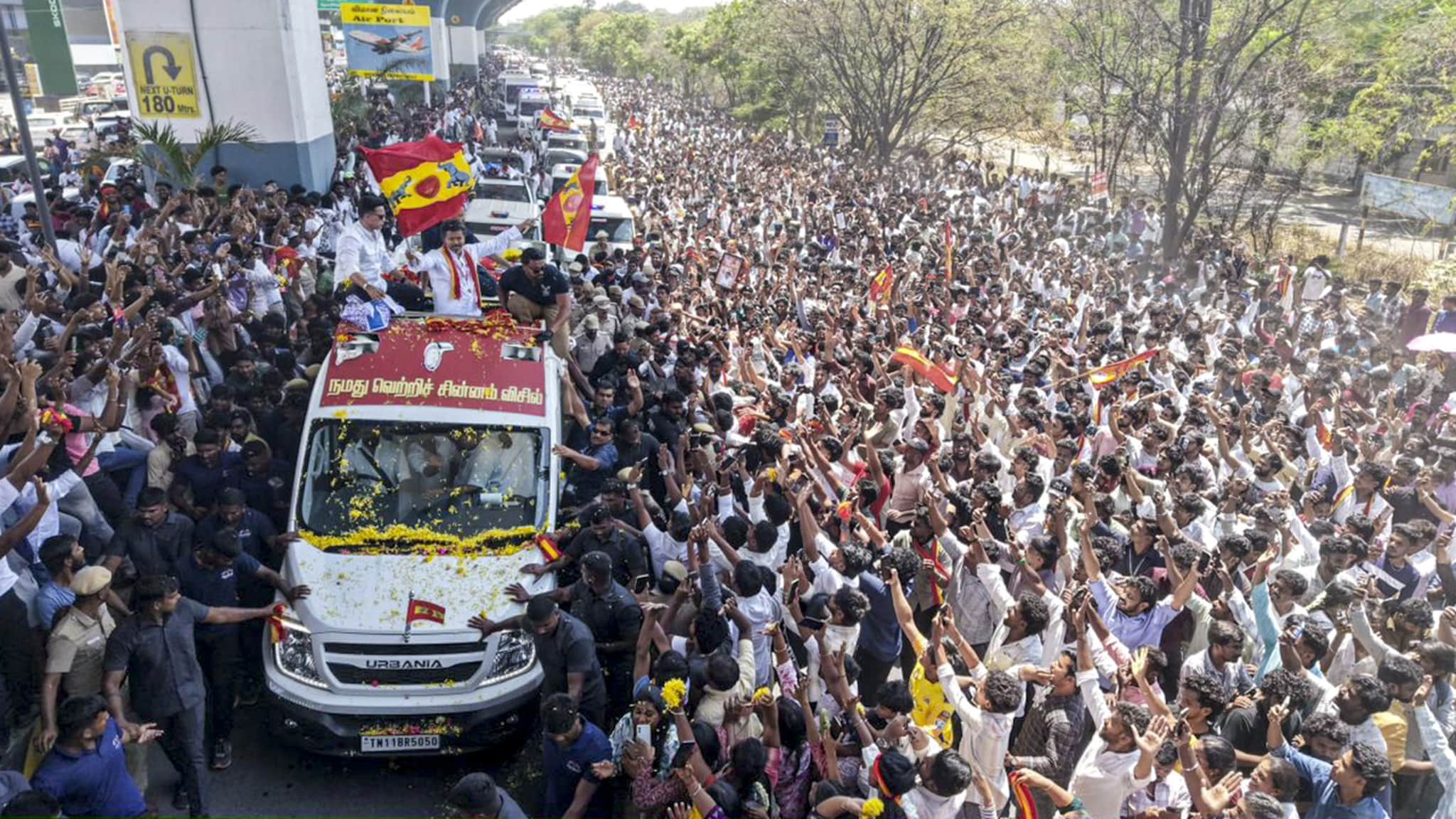
Fan clubs began forming around Vijay as early as 1993, but unlike ordinary celebrity fandoms, these groups soon took on the structure of grassroots networks — organising welfare drives, blood donation camps, and local outreach that later became the backbone of his political machine. (PTI)
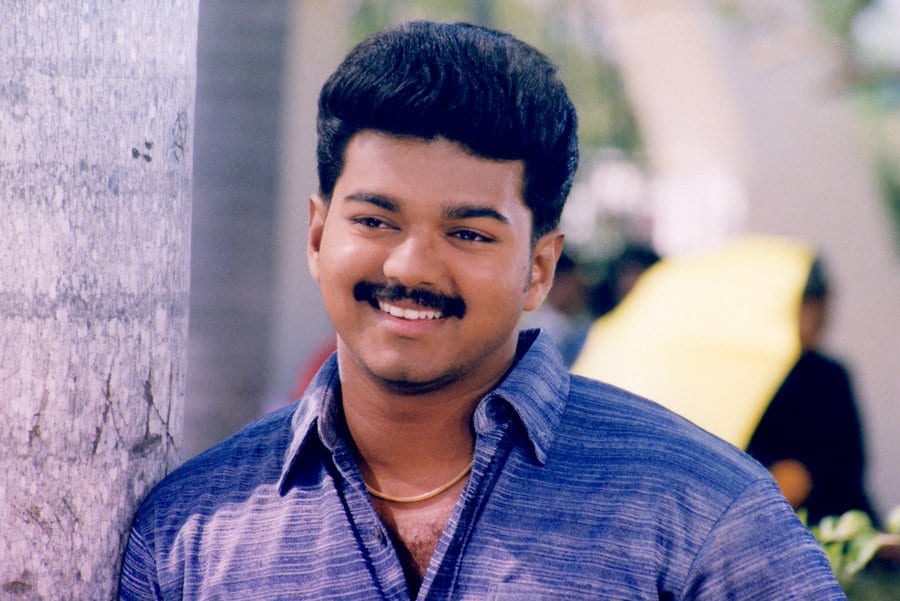
The softer romantic heroes Vijay played in films like Shahjahan and Minsara Kanna helped craft an image very different from the invincible action star. His characters sacrificed love, status, and comfort for others, a recurring ‘thyagam‘ or sacrifice motif that would later define his political speeches too.
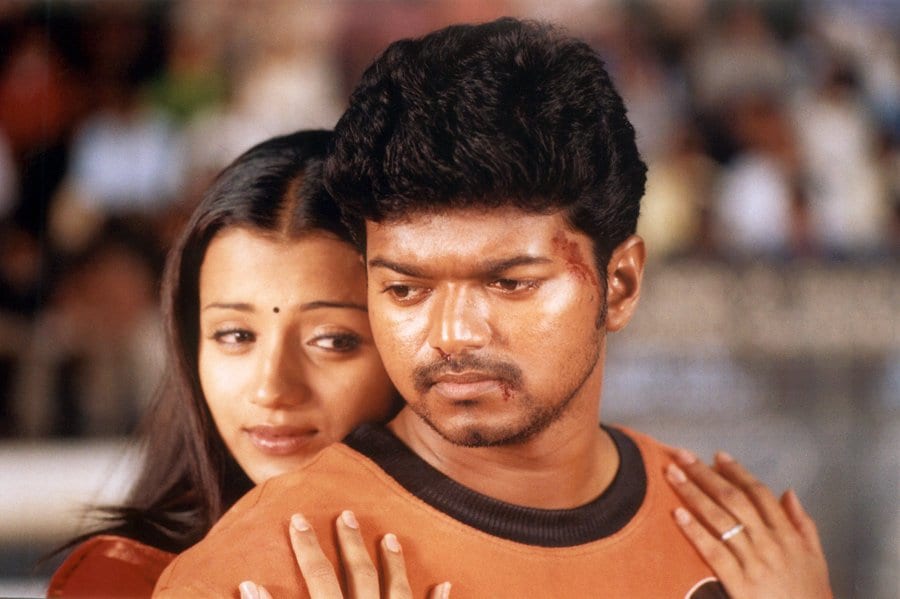
Ghilli, co-starring Trisha, changed everything in 2004. Vijay’s transformation into a mass action hero, one who protects women, confronts powerful men, and delivers justice when institutions fail, cemented the saviour image that followed him into politics.
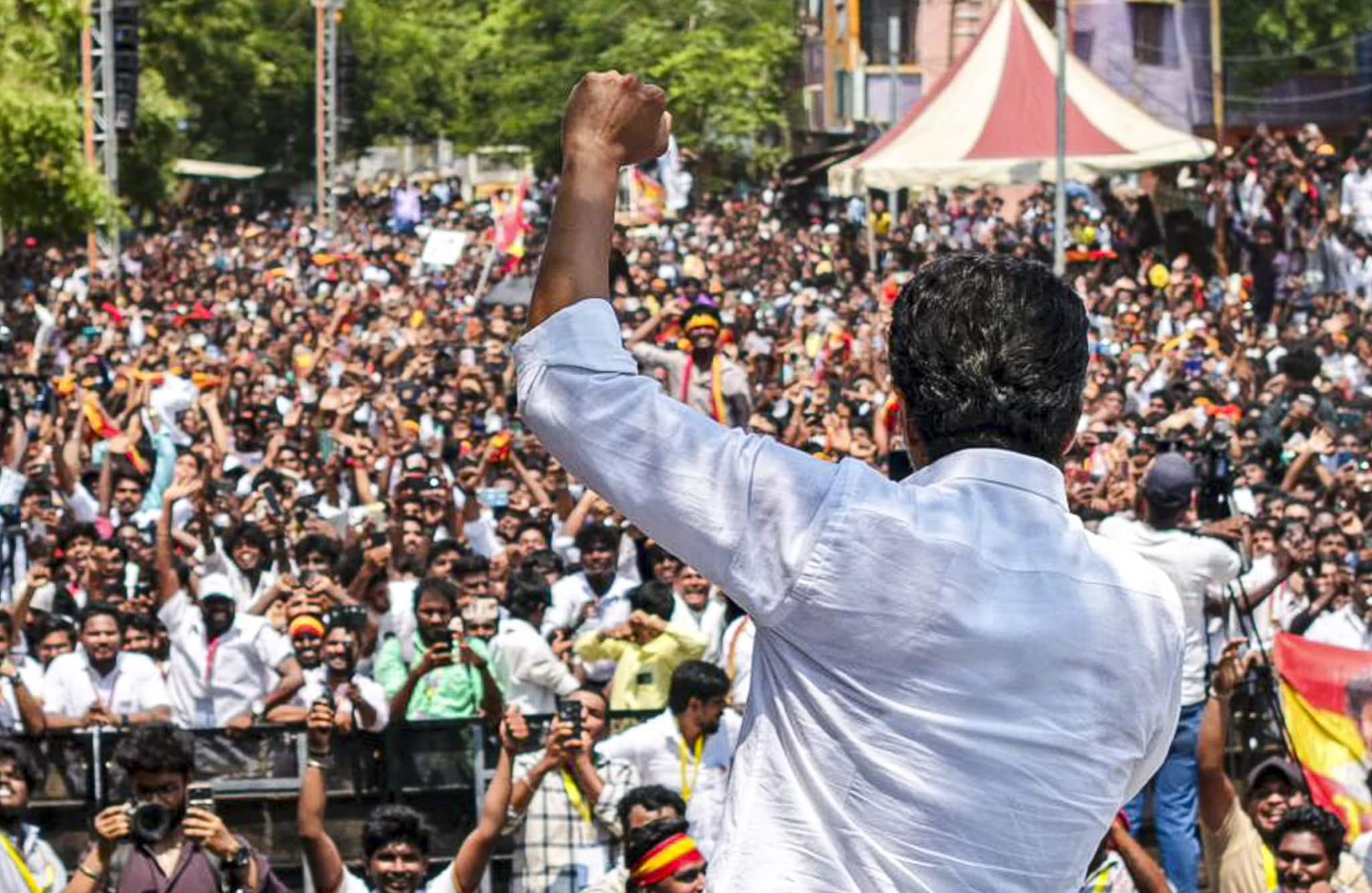
In 2009, Vijay unveiled a fan-club flag carrying the slogan ‘Unnal Mudiyum’ or ‘You Can Do It’. For many fans, it was more than motivational branding. It felt like the first public hint that his ambitions stretched beyond cinema halls and box-office records. (PTI)

By the time Thalaivaa released in 2013 with the tagline ‘Time To Lead’, Vijay’s political symbolism had become impossible to ignore. The film reportedly faced release troubles amid speculation that the leadership-heavy messaging had upset the ruling AIADMK and its supremo J Jayalalithaa.
The 2017 Jallikattu protests marked a turning point in Tamil Nadu’s political mood, and Vijay carefully aligned himself with that energy. Around the same time, Mersal sharpened his image as a hero willing to challenge authority, especially through scenes criticising GST and healthcare failures. (PTI)

As Vijay’s dialogues in Mersal sparked outrage from BJP leaders, attacks on his Christian identity led him to publicly sign statements using his full name: Joseph Vijay. The moment transformed a film controversy into a larger political conversation around identity, religion, and dissent.
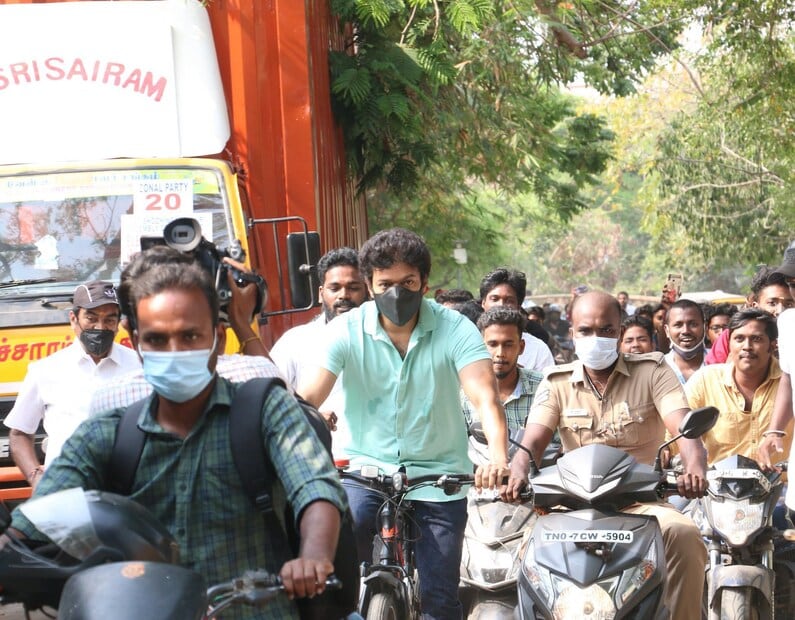
In 2021, a simple image turned into political symbolism overnight: Vijay cycling to a polling booth in Chennai. Though his team denied any protest angle, many interpreted it as a statement against rising fuel prices, and as the clearest sign yet that the actor was preparing for public life. (News18 Kannada)
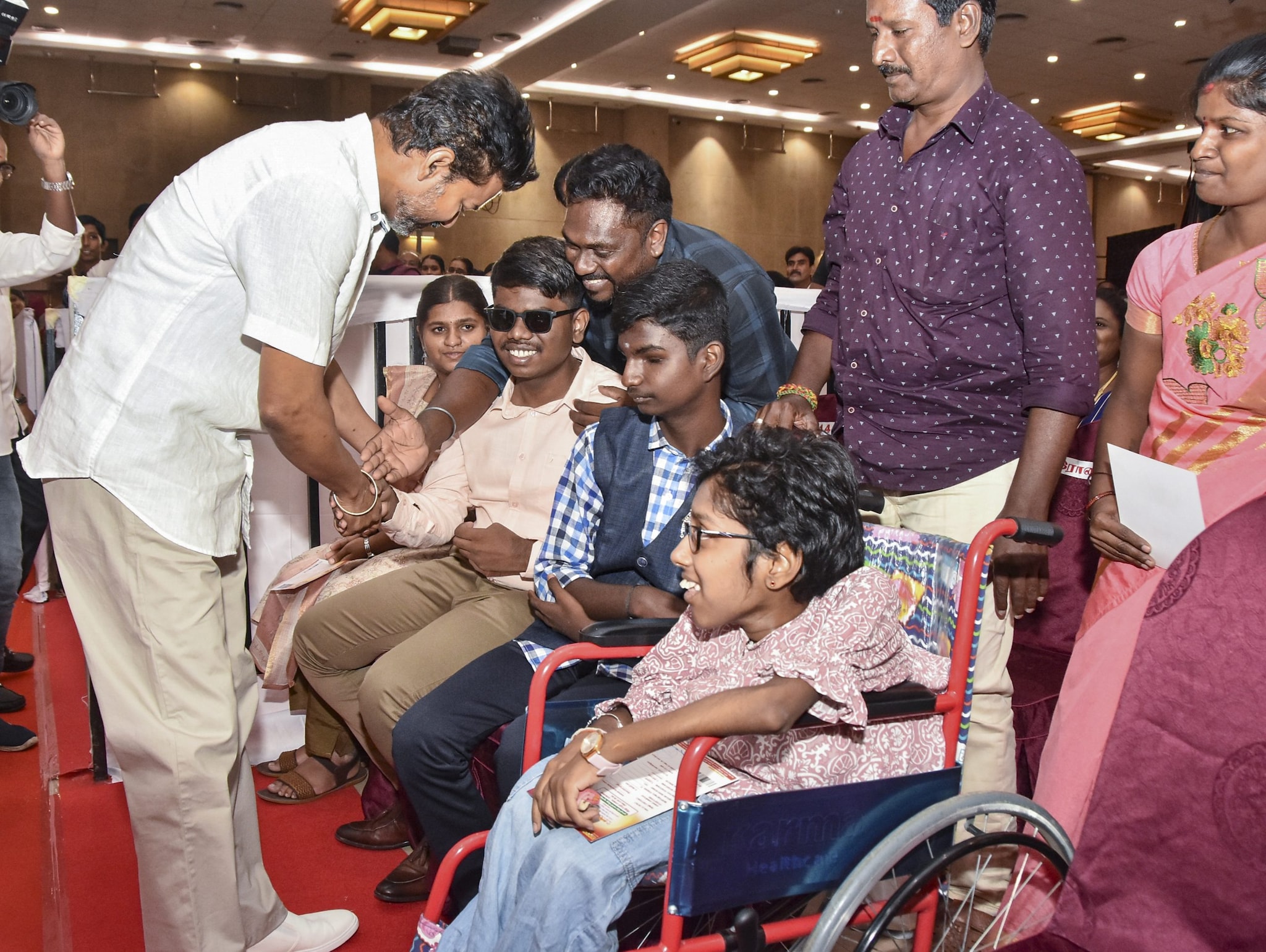
Vijay’s films by now increasingly resembled political rehearsals. In Bigil, Master, and Beast, he played mentor figures guiding young people, misfits, and marginalised communities. These roles mirrored the ‘protector-leader’ image he was building off screen too. (PTI)
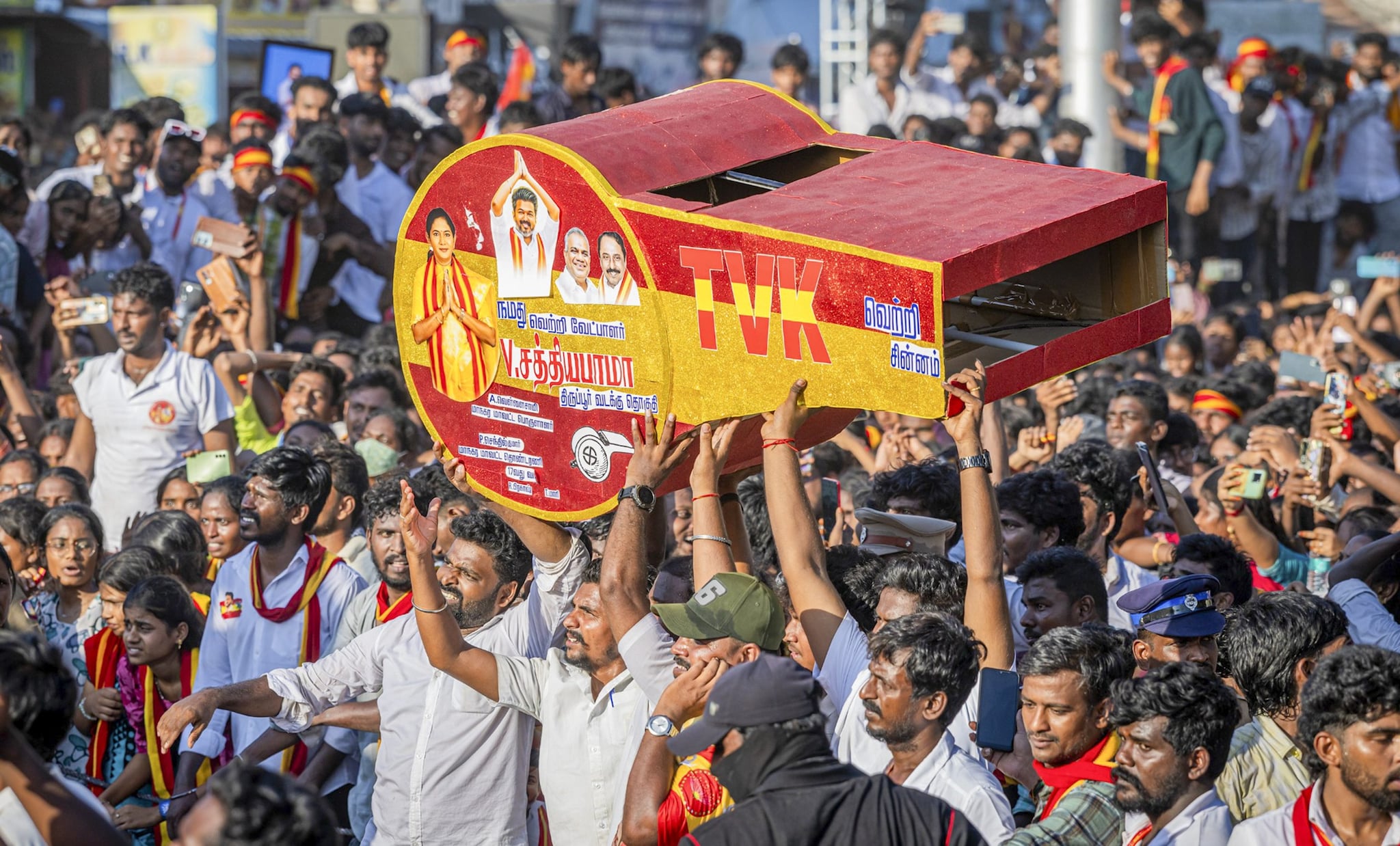
When Tamilaga Vettri Kazhagam was officially launched in 2024, Vijay’s debut political speech leaned heavily on themes that had long existed in his films: sacrifice, gratitude, women’s safety, emotional loyalty, and the promise of a protective ‘anna’ or ‘elder brother’ figure. (PTI)
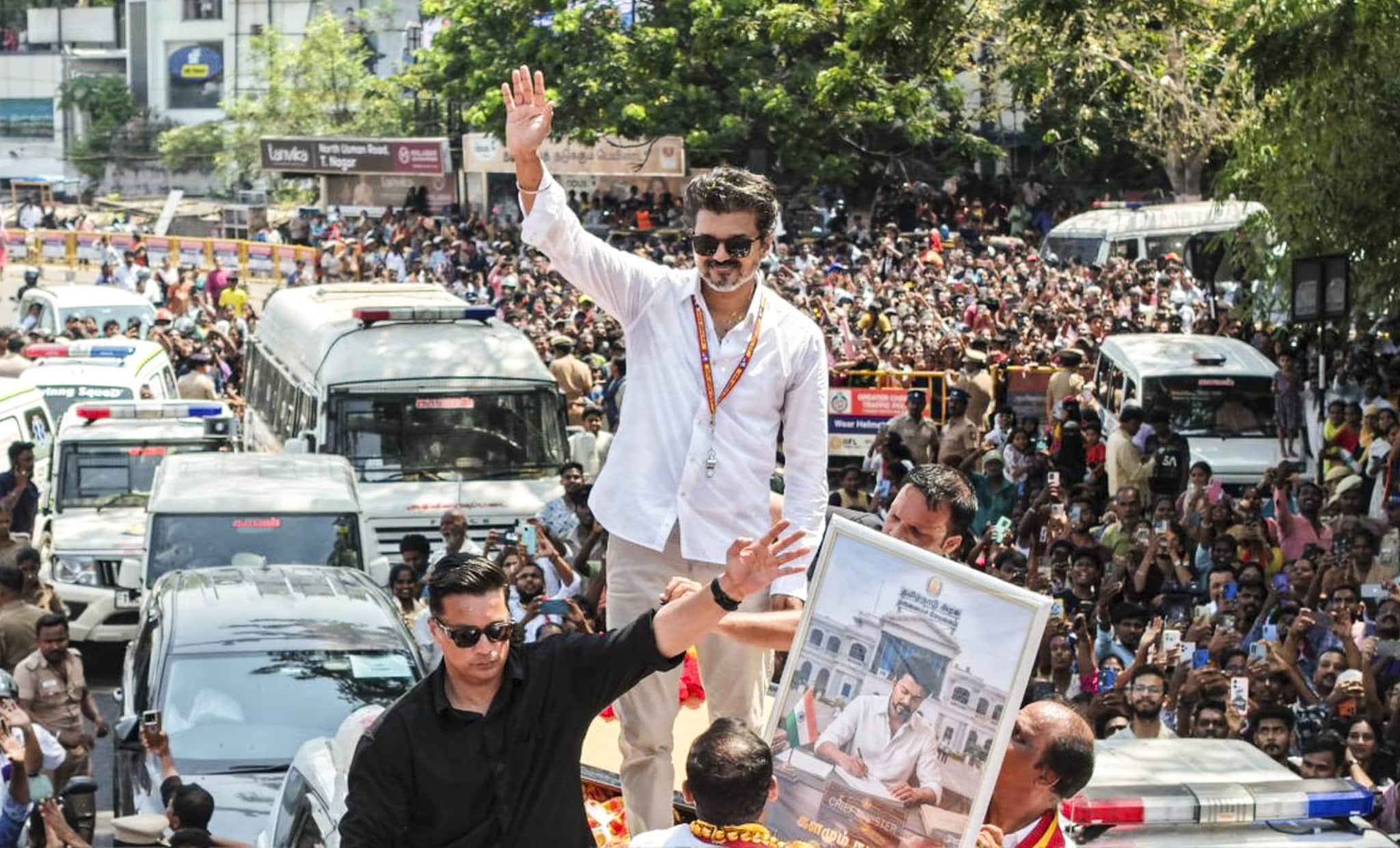
Even as critics questioned his lack of ideology and media engagement, Vijay’s core image remained intact: the lone protector who speaks directly to “his people”. From punch dialogues to political speeches, the transition was never abrupt — it was rehearsed for decades, one film at a time. (PTI)
Source link
[ad_3]

