
Last Updated:
India aims to increase its installed nuclear power capacity from the current 8.8 GW, generated by 24 reactors across the country, to about 100 GW by 2047.




Uranium Corporation of India. (Image: News18)
As India looks to expand its nuclear energy capacity, the Uranium Corporation of India (UCIL) has already begun working on its plan to double uranium oxide (yellowcake) production capacity by 2036. The raw powder is processed into nuclear fuel, which is used in reactors to generate electricity.
“UCIL is pursuing an ambitious growth strategy to double U3O8 production capacity by 2036 through new projects in Jharkhand, Rajasthan and Chhattisgarh,” said Dr K A Rao, UCIL Chairman and Managing Director, as the corporation entered its 60th year of mining operations in India.
The plan includes a mix of augmentation and greenfield projects – five in Jharkhand and one each in Rajasthan and Chhattisgarh – for which nominations have already been provided by the Department of Atomic Energy (DAE).
Seven new greenfield projects – three in Jharkhand, two in Andhra Pradesh and one each in Meghalaya and Karnataka – are also in the pipeline, but nominations are awaited from the DAE.
“This would enable us to increase the production capacity by four times by 2047, subject to statutory and regulatory clearances to contribute to India’s indigenous Uranium supply,” said Dr Rao.
Uranium, a radioactive, silvery-grey heavy metal, is used as fuel in nuclear reactors worldwide. While India began commercial mining and processing of uranium at Jaduguda in Jharkhand in 1967, its domestic reserves remain limited, leaving the country dependent on imports.
India currently has about 24 commercial nuclear power reactors with an installed capacity of 8,780 MW (excluding RAPS-1), with more reactors under construction having a combined capacity of 13 GW.
At A Glance
UCIL plans to double uranium oxide production capacity by 2036 through new projects.
India currently has 24 commercial nuclear power reactors with an installed capacity of 8,780 MW.
The government aims to increase India’s nuclear power capacity from 8.8 GW to about 100 GW by 2047.
NPCIL targets reaching about 54 GW by 2047 and 22 GW installed capacity by 2031-32.
India’s uranium deposits typically contain less than 0.05% uranium, compared to a global mining average of more than 0.12%.
From 8.8 GW To 100 GW
However, the government has now announced a major target to increase India’s nuclear power capacity from 8.8 GW to about 100 GW by 2047. India has also recently opened the doors to its civil nuclear sector for private and foreign participation through the Shanti Act, 2025.
The plan also includes the development of five Small Modular Reactors by 2033, with support from the Bhabha Atomic Research Centre (BARC), backed by the Rs 20,000 crore Nuclear Energy Mission.
Nearly half of the targeted 100 GW capacity is planned to come from the Nuclear Power Corporation of India (NPCIL).
“The target is very ambitious, but achievable,” Umed Yadav, spokesperson for NPCIL, told CNN-News18.
“We have 24 reactors with a capacity of about 8.8 GW, and we are aiming to reach about 54 GW by 2047. It will be possible through fleet mode additions of 700 MW Pressurized Heavy Water Reactors (PHWRs) – a set of ten reactors, and we are also aiming for co-operation with our international partners, so we can have at least 22 GW installed capacity by 2031-32.”
The growing focus on nuclear energy also stems from its low carbon footprint and greenhouse gas emissions, which are important as India moves towards its net-zero target of 2070.
“It is a clean source of energy, and a reliable baseload power source, which is essential for grid stability. It is also an all-weather source. Any country with a large industrial base or growing demand from data centers requires a highly reliable and consistent source of electricity,” he added.
Not An Easy Road: Challenges Ahead
The challenge, however, is the low grade of India’s uranium deposits. Indian deposits typically contain less than 0.05% uranium, compared with the global mining average of more than 0.12%. In contrast, some of the world’s highest-grade deposits in Canada have grades of up to 14%.
Experts say mining about 1,000 kg of uranium ore yields just 280–300 grams of uranium concentrate.
India’s average ore grade is equivalent to the tailings grade (waste) in other parts of the world, experts say, highlighting the bigger challenge of radioactive waste generation.
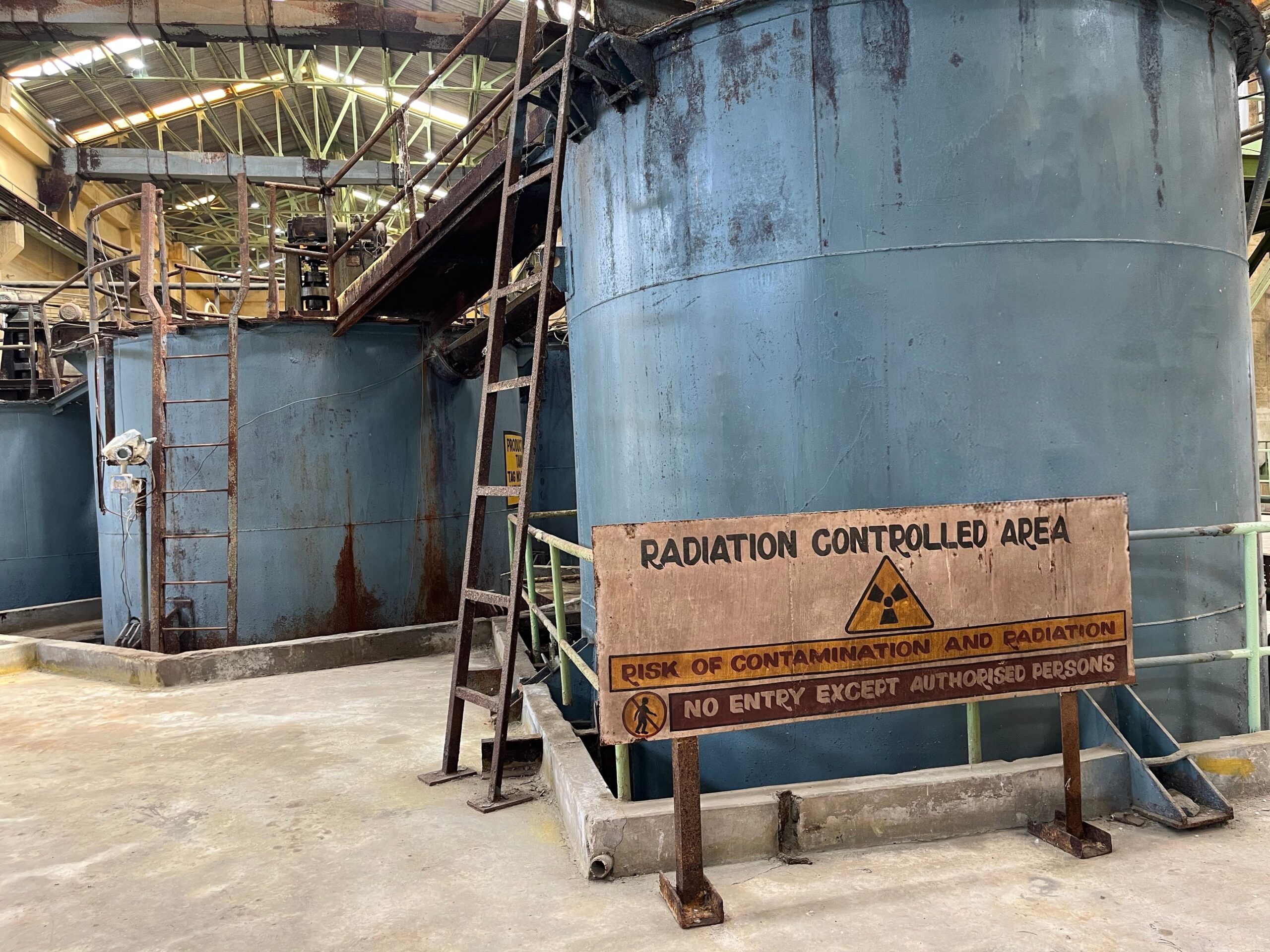
This not only creates challenges in securing land but also requires additional safety and environmental safeguards, while potentially leading to conflicts with local communities living near the facilities over health hazards.
A larger part of UCIL’s strategy is now to carry out strategic outsourcing of activities and strengthen automation.
The corporation currently operates about six underground mines at Bagjata, Jaduguda, Bhatin, Narwapahar, Turamdih and Mohuldih in Jharkhand, along with the country’s only open-cast uranium mine at Bandhuhurang in Jharkhand.
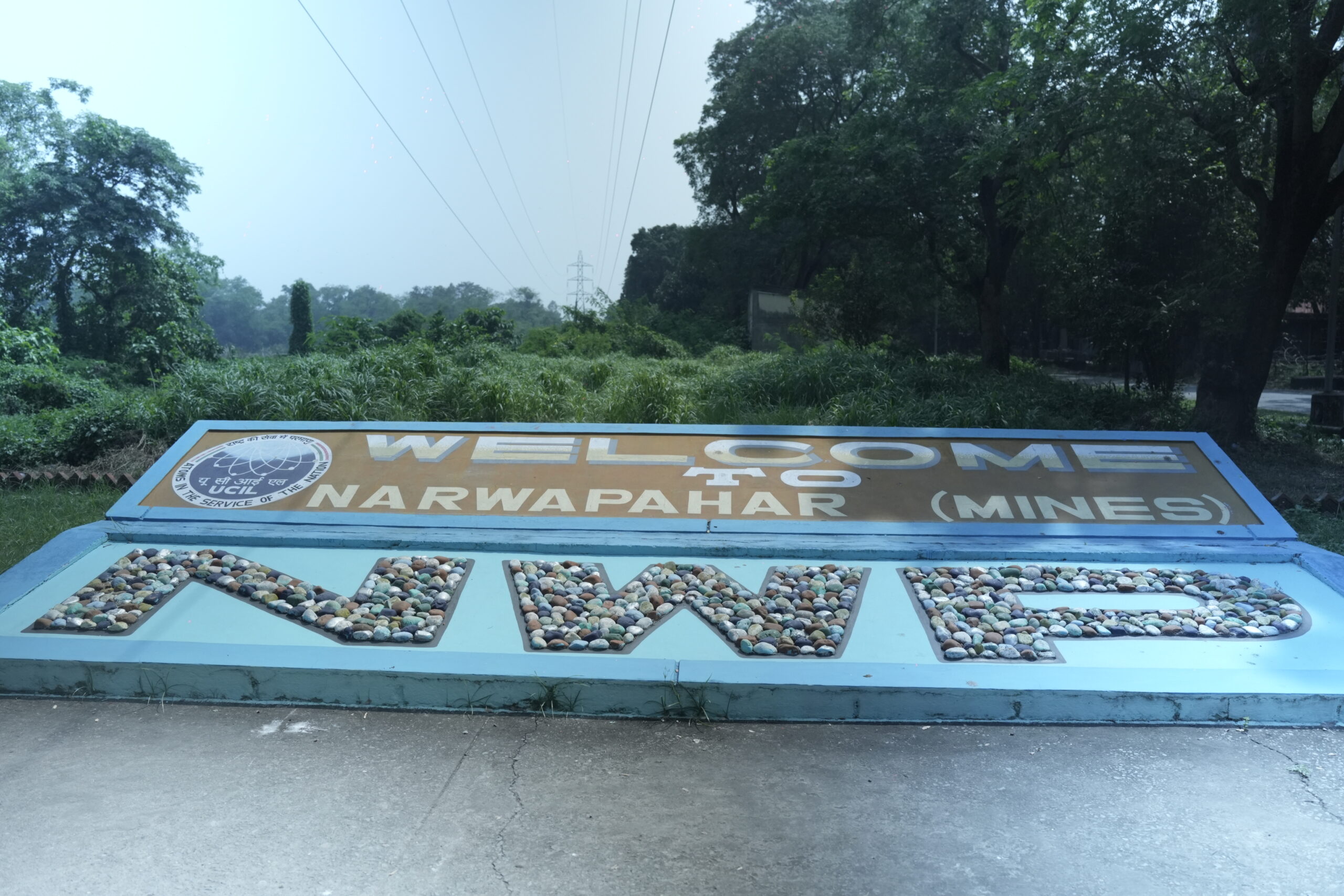
At Narwapahar, one of its most modern and mechanised mines, operations remain heavily mechanised, with seven jumbo drills deployed in the 12-level-deep mine.
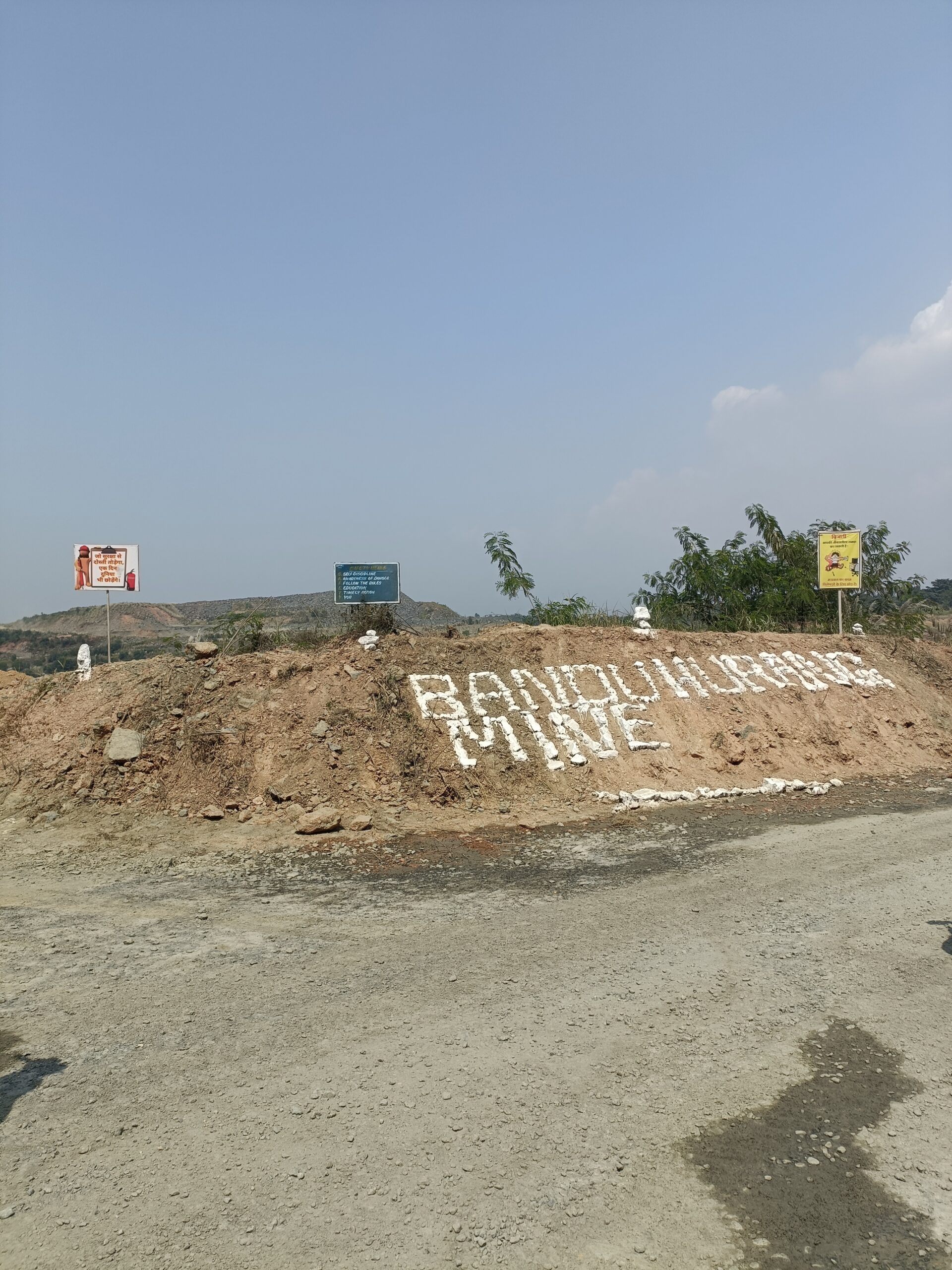
Meanwhile, at India’s only open-cast uranium mine in Bandhuhurang, 13 km from Jamshedpur, the workforce on the ground has already been outsourced.
“The workforce has been outsourced to a private contractor for an initial six-year period with a possible two-year extension, while the supervisory staff continues to be from UCIL. About 320 workers are deployed in three shifts,” said Abhishek Anand, Mine Incharge, Bandhuhurang.
“It is relatively cost-effective and safer to mine Uranium ore in open cast mines compared to underground ones.”
Quick Answers
 Ask News18
The Uranium Corporation of India (UCIL) is working on a plan to double its uranium oxide or yellowcake production capacity by 2036 to support India’s growing nuclear energy sector.
Ask News18About the Author

Srishti Choudhary, Associate Editor at CNN-News18 specializes in science, environment, and climate change reporting. With over a decade of extensive field experience, she has brought incisive ground r…Read More
October 08, 2026, 1:45 PM IST
Read More
Source link
[ad_3]

