
Across India, the summer of 2026 is not easing in gently. It is arriving all at once — with scorching temperatures, heat advisories, and states scrambling to protect millions of schoolchildren by shutting classrooms early or drastically cutting school hours. For parents in Delhi, Mumbai, Noida, and beyond, the academic calendar just changed.
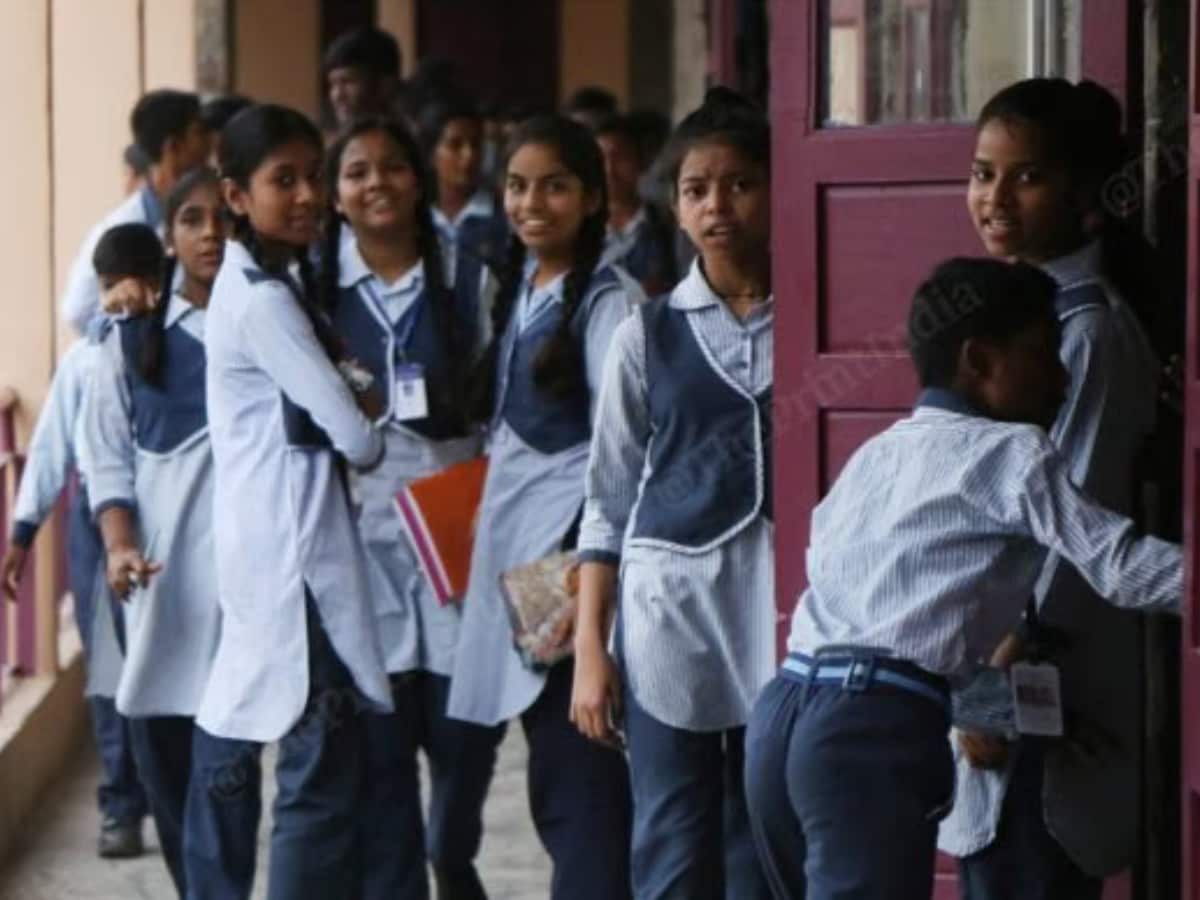
Delhi’s Directorate of Education has announced that schools across the capital will remain closed for 50 days — from May 11 to June 30, 2026, reopening only on July 1. For Delhi parents already navigating peak summer heat, that is both a relief and a logistical challenge. Fifty days is a long time, and the mercury is showing no signs of mercy.
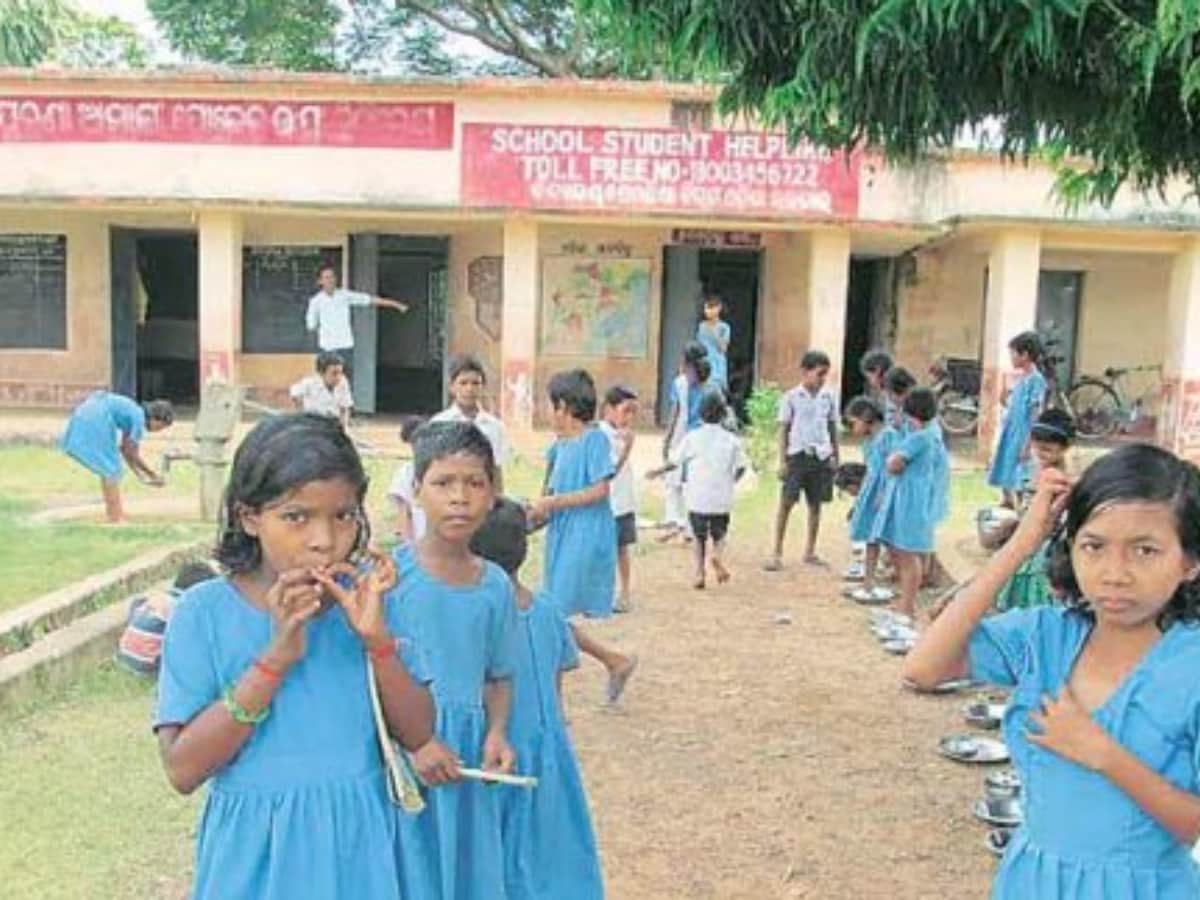
Delhi is not alone. Several states have already pulled the trigger on early summer breaks. Odisha closed schools from April 27. West Bengal followed from April 22 — with the exception of cooler Darjeeling. Chhattisgarh extended its vacation window all the way from April 20 to June 15. In each case, the trigger was the same: dangerously high temperatures that make sitting in a classroom not just uncomfortable, but unsafe.
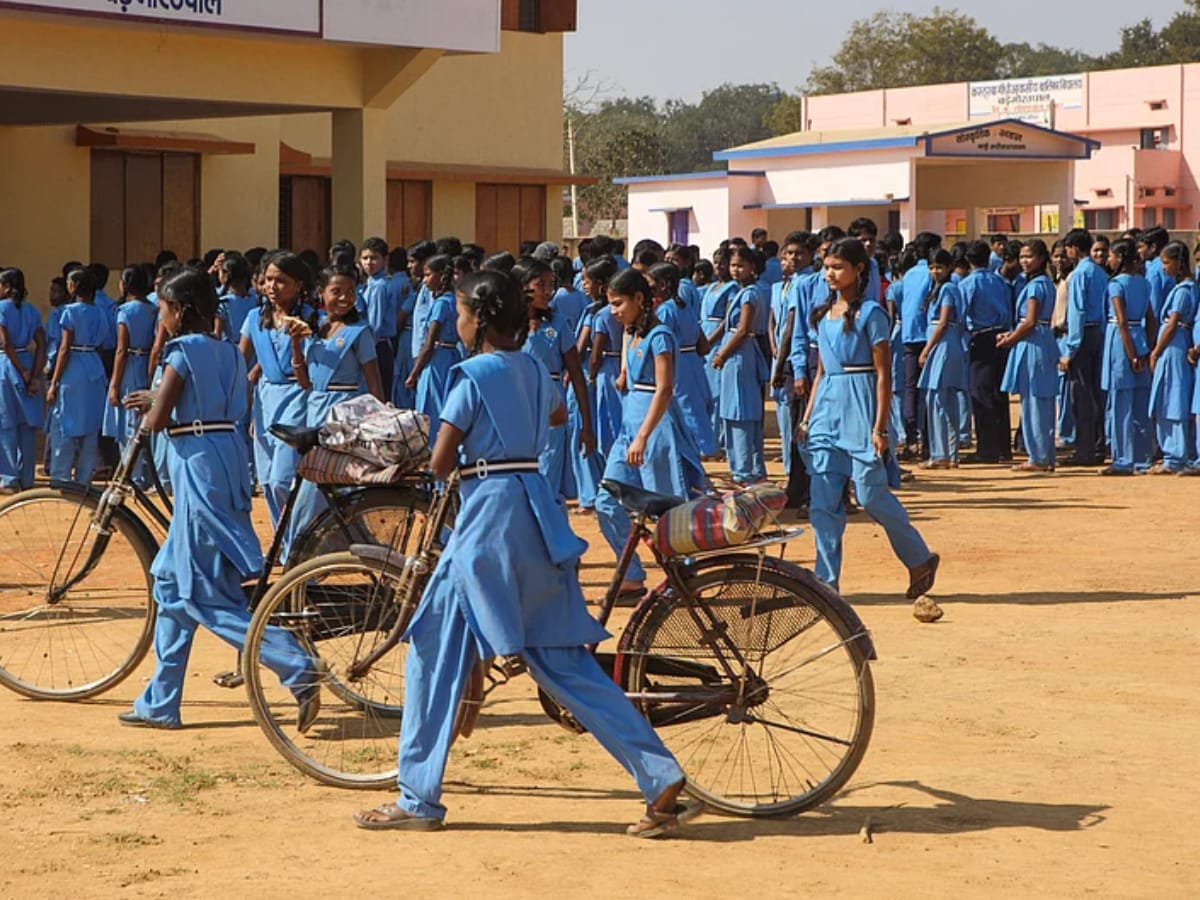
For states that have not yet announced holidays, the stopgap solution has been slashing school hours to the cooler morning window. Noida and Ghaziabad schools now run from 7:30 am to 12:00 pm. In Jharkhand, the school day ends by 11:30 am. Maharashtra has moved to a 7:00 am to 11:15 am schedule, and Rajasthan mirrors Noida’s timings. The logic is simple: get children home before the afternoon heat peaks.
Uttar Pradesh, home to some of India’s most densely populated cities, has announced summer vacations for primary and secondary schools from May 20 to June 15. For millions of families in Lucknow, Kanpur, Varanasi, and across the state, that window offers some relief — though the heat will continue regardless of whether school is in session.
The India Meteorological Department is not offering much comfort to those hoping for a quick reprieve. Temperatures are expected to climb sharply in the coming days, with the mercury pushing toward its peak. Punjab, in particular, has been warned of a significant weather shift from next week. The one silver lining: a brief window of light rain, thunderstorms, and strong winds between Monday and Wednesday could temporarily pull maximum temperatures down to 38–40 degrees Celsius.
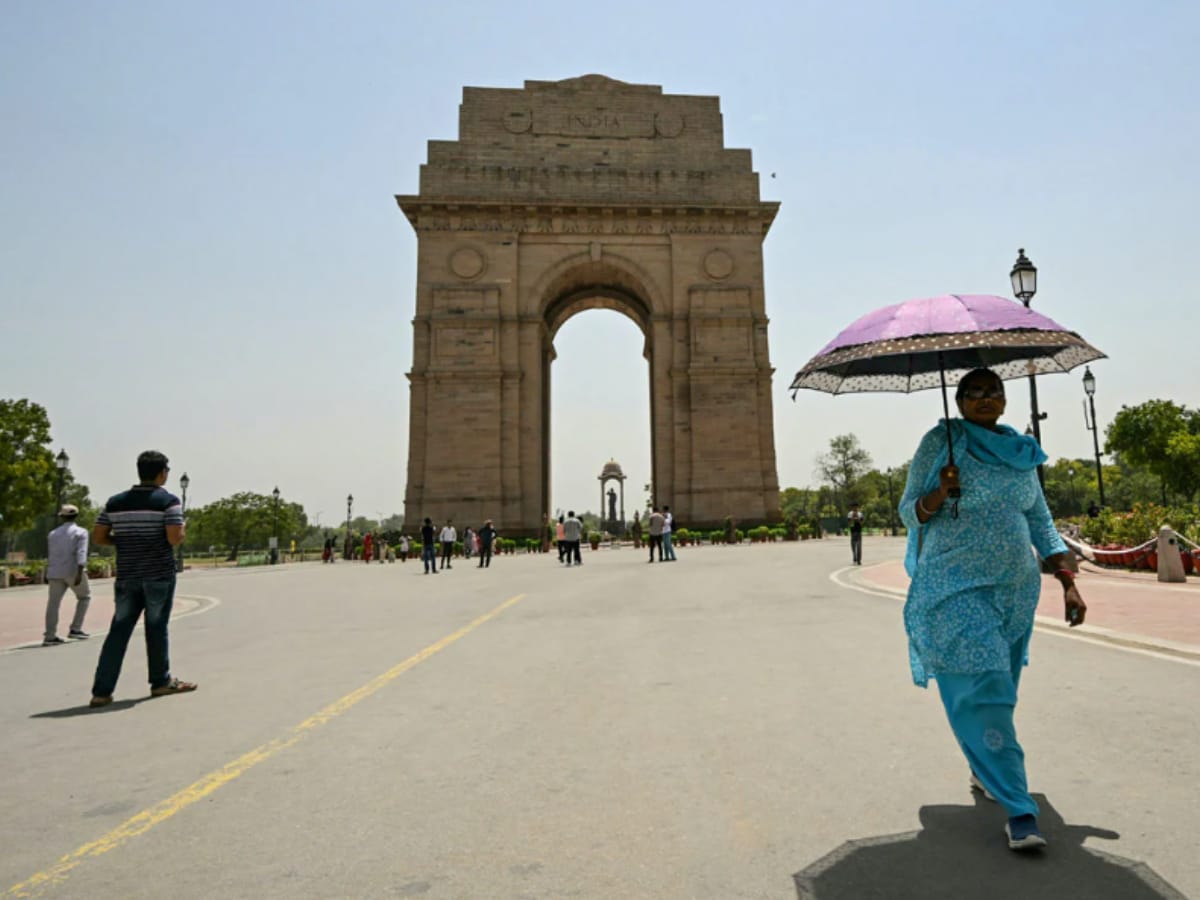
For Delhi specifically, 38 degrees is not relief — it is simply a slightly cooler version of brutal. The capital has already been living under heat wave conditions, and the IMD’s forecast suggests the worst may still be ahead before the monsoon arrives. Schools closing on May 11 means children will be home through the most intense weeks of the Indian summer.

The message from meteorologists, state governments, and school authorities is consistent: this is not a normal summer, and normal precautions are not enough. Stay indoors during peak afternoon hours, keep children hydrated, avoid direct sun between 11 am and 4 pm, and watch the IMD forecast closely. The heat is not done yet — and across India’s cities, everyone from policymakers to parents is adjusting accordingly.
Source link
[ad_3]

