
Stepping up to help a friend or family member secure a loan by acting as their guarantor might seem like a simple act of goodwill, but it carries massive financial responsibility. Under Indian banking rules, signing as a guarantor legally binds you to the debt, meaning any missed EMIs by the primary borrower can severely damage your credit score and future borrowing power.
Agreeing to become a loan guarantor is easy on paper, yet it carries significant financial risk. If the primary borrower misses payments or defaults, the consequences fall directly on you, turning someone else’s debt into your personal financial burden. (Image: Canva)

The moment you sign loan documents as a guarantor, you assume legal responsibility for repaying that debt. Under Section 128 of the Indian Contract Act, 1872, a guarantor’s liability is co-extensive and equal to that of the actual borrower. (Image: Canva)

If the borrower fails to pay monthly EMIs on time, their credit profile takes a hit and so does yours. Even though you never spent a rupee of that loan, someone else’s repayment mistakes directly penalize your financial standing. (Image: Canva)

According to credit bureau TransUnion CIBIL, lenders are required to report a guarantor’s credit details alongside the borrower’s. Consequently, any default or delayed payment on the guaranteed loan is officially recorded on your personal credit profile. (Image: Canva)
Many people assume their credit score remains safe if they have never taken a loan for themselves. However, credit bureaus track guaranteed accounts closely, meaning a borrower’s default will still drag down an otherwise spotless credit history. (Image: Canva)

When you later apply for a home, car, or personal loan, banks thoroughly inspect your credit history. Seeing a damaged score caused by a defaulted guaranteed loan raises red flags, making it much harder to secure approval. (Image: Canva)
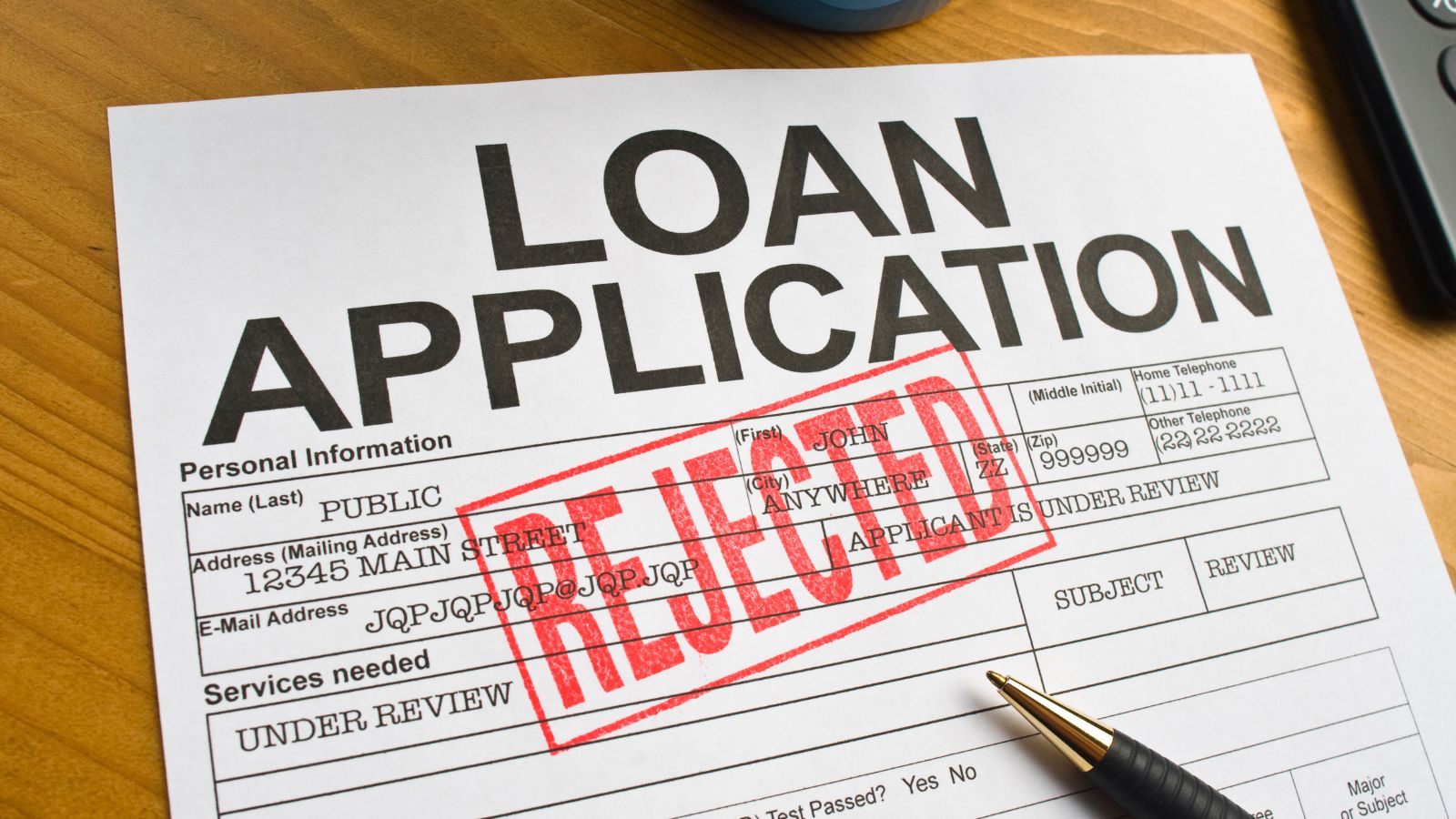
Lenders hesitate to approve credit when an applicant’s report reflects poor repayment history, even as a guarantor. Banks may outright reject your new loan application until the previous defaulted loan is completely settled and closed. (Image: Canva)

Before signing any guarantee agreement, carefully evaluate the borrower’s repayment capacity and financial discipline. Clearing or closing any problematic guaranteed loans is essential before you plan to apply for major personal credit in the future. (Image: Canva)
Source link
[ad_3]

