
We are just nearly an hour away from the Union Budget presentation and the day starts with a small but special ritual at Rashtrapati Bhavan. President Droupadi Murmu offers dahi and cheeni to Finance Minister Nirmala Sitharaman before she presents the Budget in the Parliament.

But why so? Because this gesture is meant to bring success and good luck for the day ahead. It sets a positive tone before the crucial task. It is deeply rotted in Indian traditions and mostly people perform this gesture when they are heading for an important task.

This ritual was also performed ahead of the Union Budget 2025 on January 31, 2025. Sitharaman was joined by Minister of State Pankaj Chaudhary as they received the symbolic offering from the President. Even though the ceremony is simple, it adds a cultural touch to Budget Day. With the Union Budget 2026-27 just around the corner, the same ritual is expected to take place again today before it is presented at 11 AM.

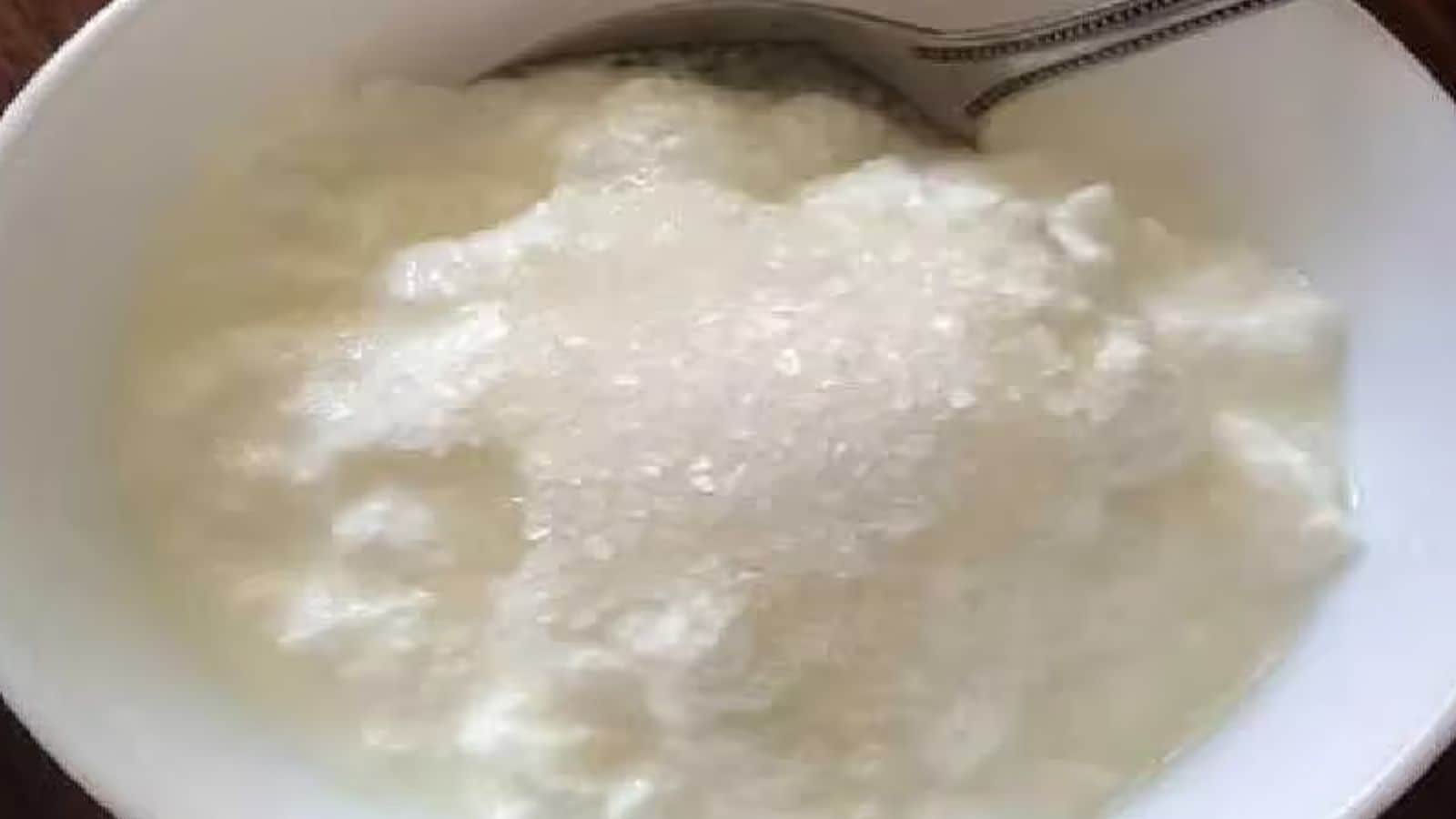
Eating dahi-cheeni or curd with sugar, is a simple tradition followed in many parts of India. In Indian culture, curd is considered pure and sacred and sugar adds sweetness to life and fortune. People often have this small dish before weddings, exams or any big event to invite success. Eating dahi-cheeni or curd with sugar, is a simple tradition followed in many parts of India. In Indian culture, curd is considered pure and sacred and sugar adds sweetness to life and fortune. People often have this small dish before weddings, exams or any big event to invite success.
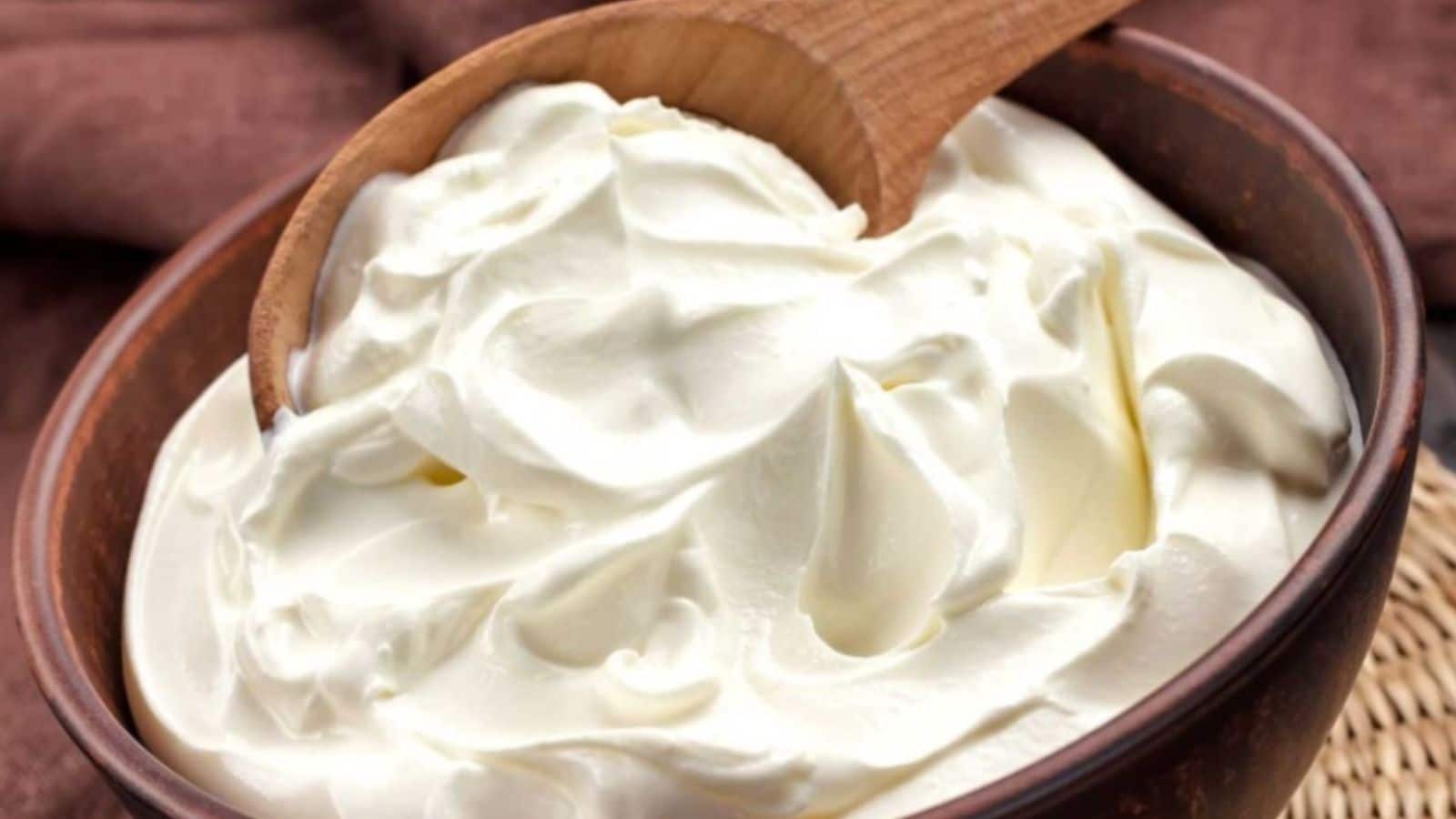
One key reason for the tradition is its symbolic meaning. Having something sweet before leaving home is thought to bring favourable outcomes. Curd is associated with purity and divinity and is often used in religious offerings. Sugar is used as it brings a sense of joy and happiness to the act. Together, dahi and sugar are considered to fill a new task with positivity.
But there are not just cultural benefits, dahi-cheeni also has practical health benefits. How so? Because sugar provides a quick boost of energy that helps the brain and body stay alert. Curd acts as a natural coolant and it keeps the body fresh especially in India’s hot climate. It also aids digestion which can get upset during stressful moments.

The practice has historical and Ayurvedic roots. Once such example is Charaka Samhita which is written over 2,000 years ago. In this text, it is recommended that curd with sugar can help in balancing the body and refresh the system. In rural India, it was a common way to give travellers energy on long journeys. Even in the Valmiki Ramayana, curd and sugar were offered to visitors as a gesture of hospitality and care.
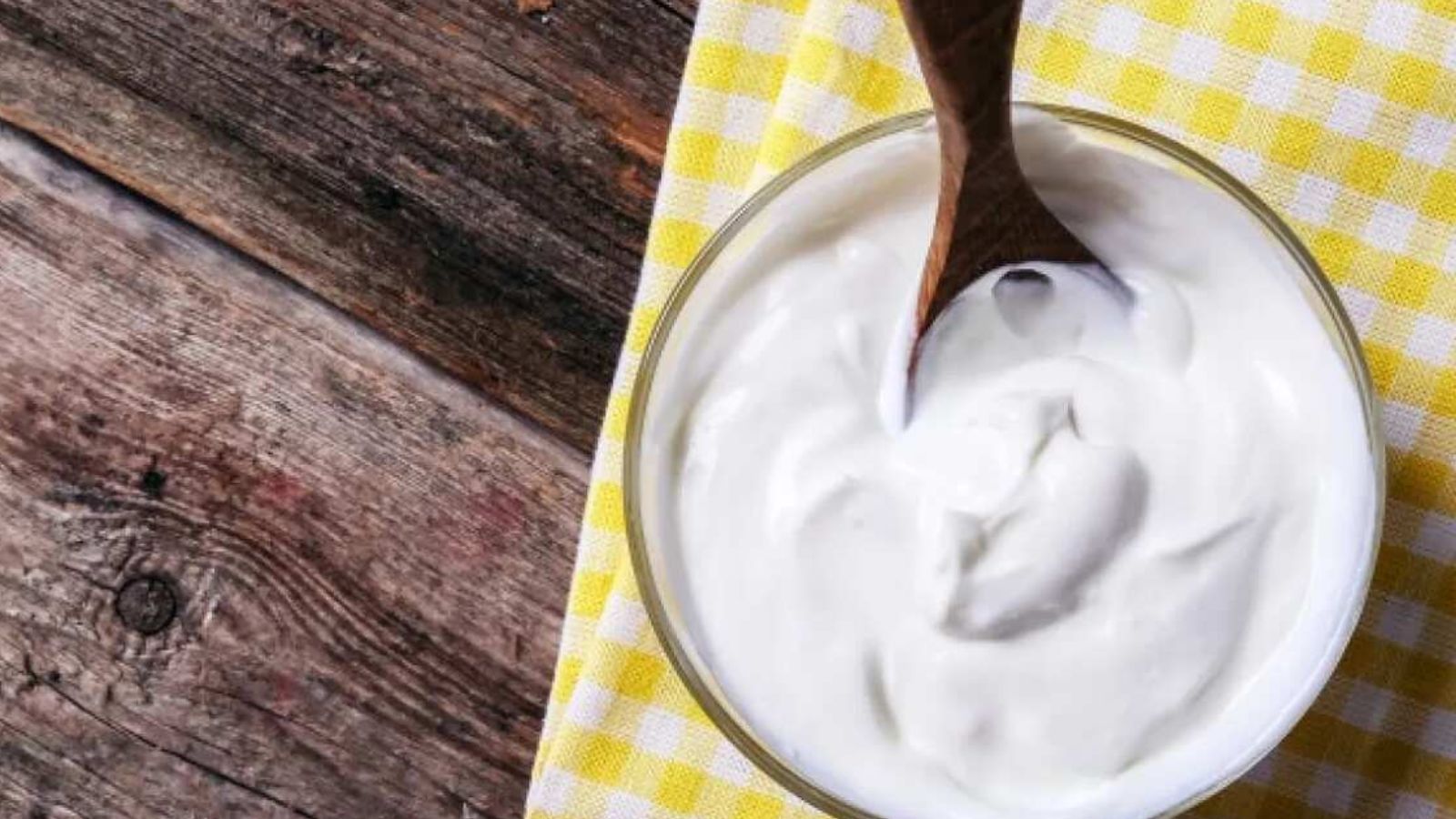
Dahi-cheeni is commonly used during exams and interviews. Elders often give this to students before they head out to give their exams to calm their nerves and increase their focus. Professionals also consume it before any major meetings. During weddings, especially in Eastern India, a similar preparation called dahi-chura is offered to the bride or groom. In all these situations, it serves as a simple way to prepare the mind and body.
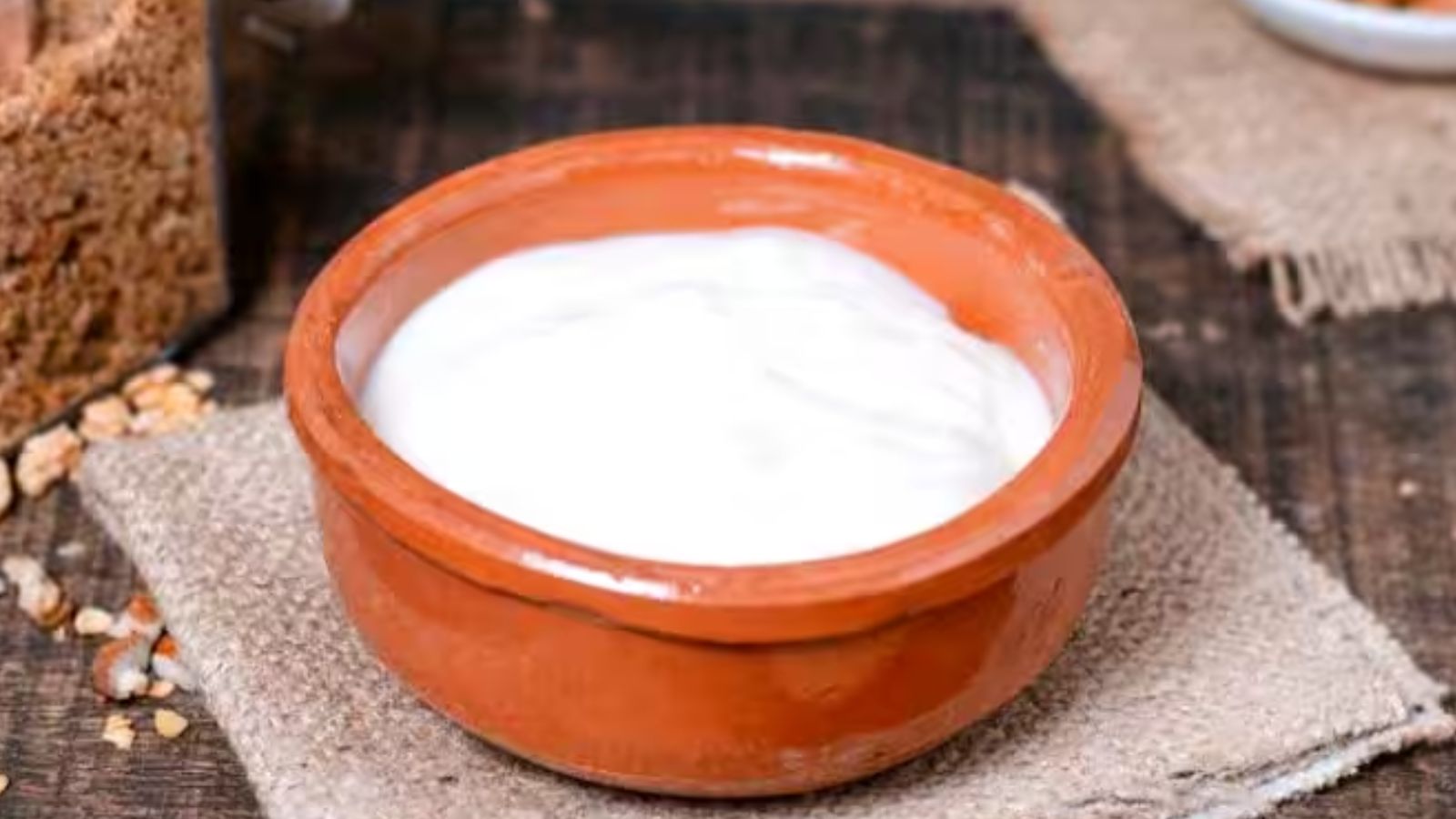
Ayurveda also supports its use for calming and health purposes. Curd is considered Kapha-vardhak which means it strengthens and soothes the body. Sugar and curd together provide nutrients and help relieve stress. It is a natural method to maintain both physical and mental balance.
Astrological beliefs are also there that shed light on the significance of dahi-cheeni. In Vedic astrology, it is linked with Gaja Kesari yoga which is a combination of the Moon and Jupiter. The Moon represents calmness and mental clarity while Jupiter stands for wisdom and knowledge. Consuming dahi-cheeni is thought to invite auspiciousness and success.
Source link
[ad_3]

