
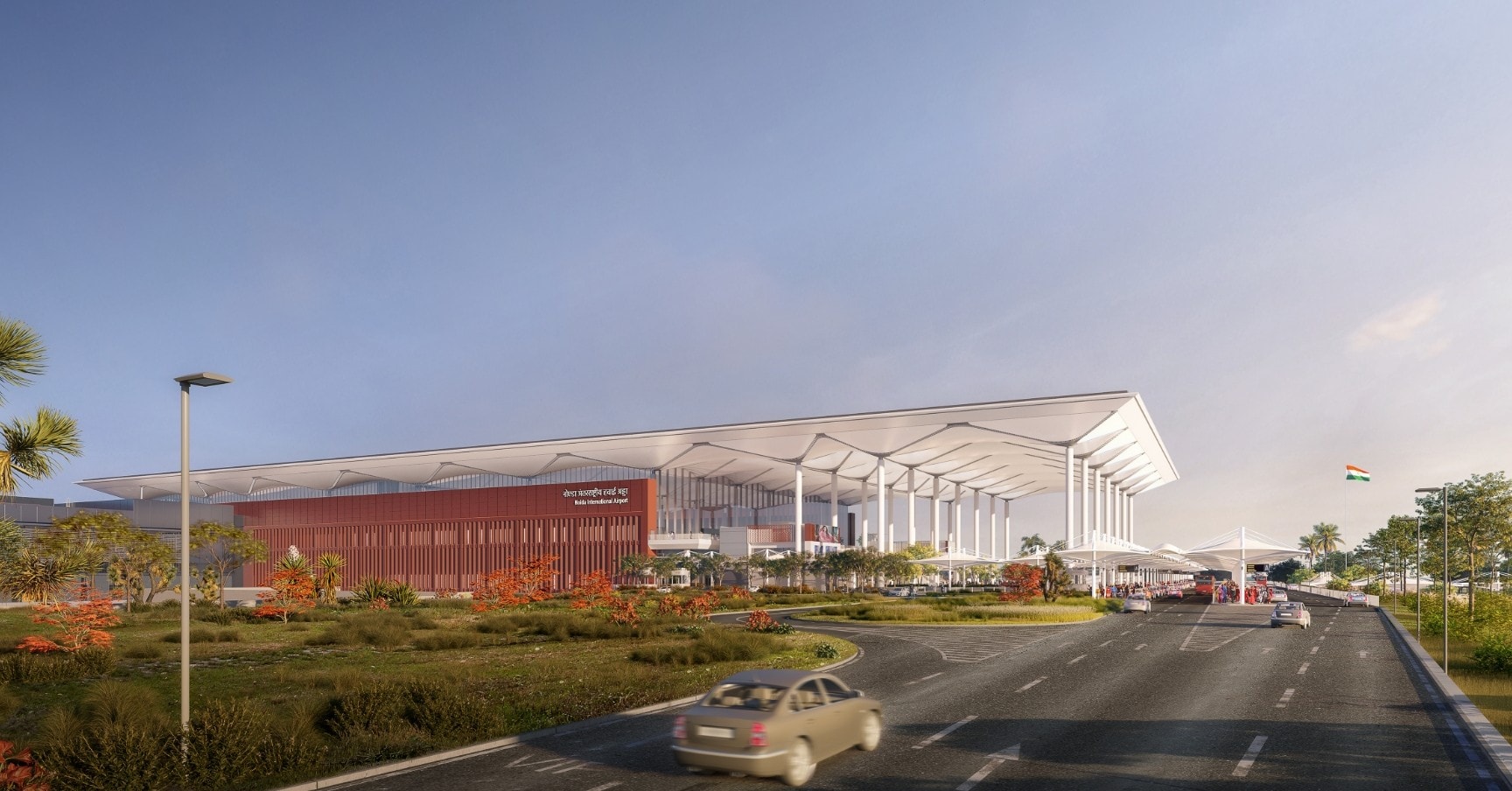
With Noida International Airport commencing commercial operations, industry experts believe the project could transform the Yamuna Expressway corridor into a major economic and real estate hub, extending its impact far beyond air travel. Located in Jewar, the airport is expected to anchor an integrated ecosystem of logistics parks, industrial clusters, business districts, commercial developments and residential communities, mirroring the growth model seen around leading global aviation hubs.
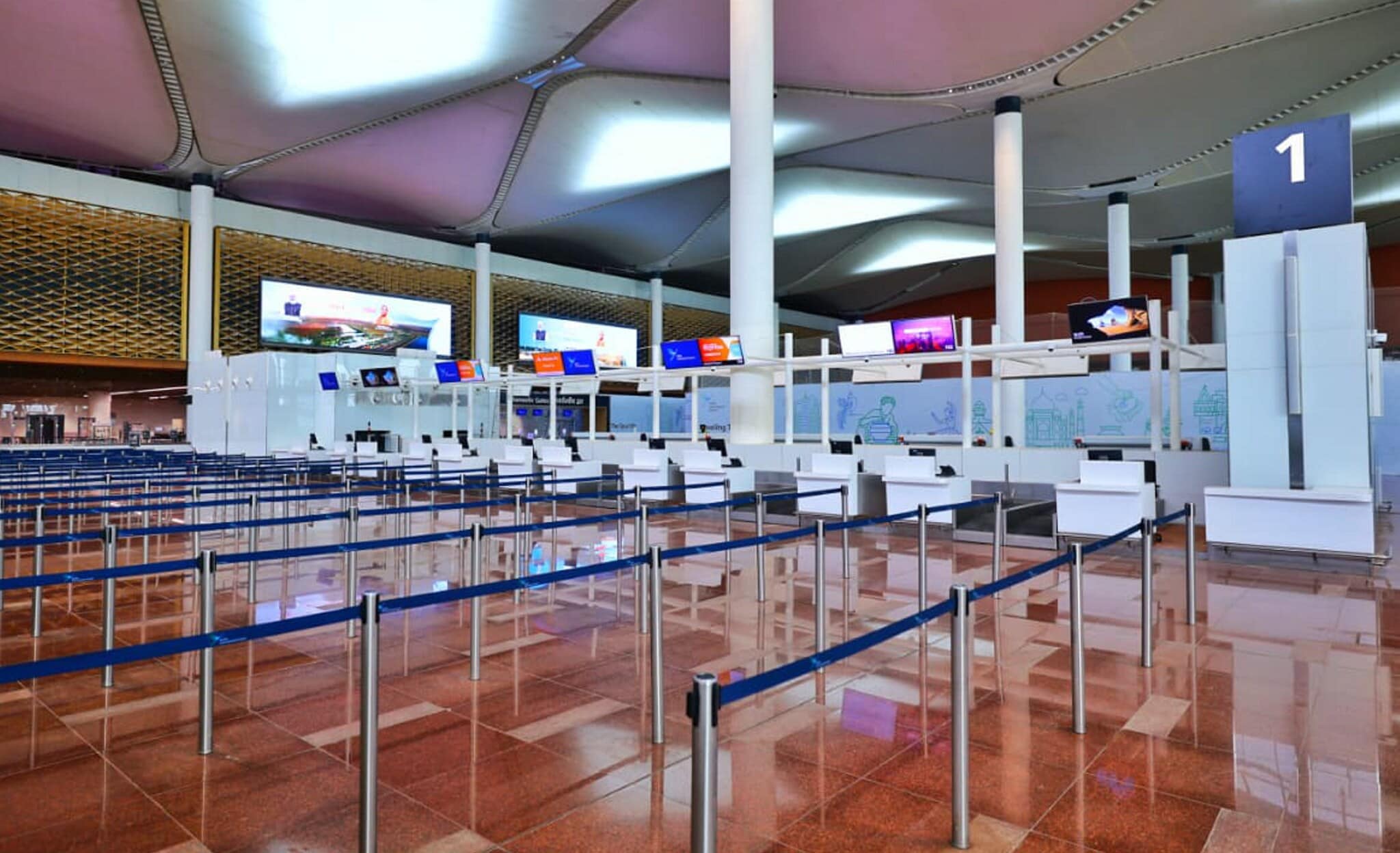
Enhanced connectivity through expressways, freight corridors and multimodal transport networks is also expected to improve the region’s investment appeal and reduce travel times. According to market observers, the airport’s long-term success will depend not only on passenger traffic but also on the industrial and commercial activity it attracts, creating employment opportunities and supporting sustained urban development.
Housing Prices Surge Along Yamuna Expressway: The airport’s development has already had a significant impact on the local property market, as reported by Hindustan Times. According to Square Yards’ report, Runway to Realty: How Noida International Airport is Reshaping Realtyapartment prices along the Yamuna Expressway corridor nearly tripled between 2020 and 2025, while plot values increased by around 1.5 times. Some micro-markets have reportedly recorded price appreciation of up to five times, driven by infrastructure upgrades, industrial expansion and improving employment prospects.
The report estimates that the momentum could continue over the next two years, projecting a further 28% rise in plot prices and a 22% increase in apartment values as connectivity and economic activity improve. Much of the housing demand is concentrated within a 15-km radius of the airport, particularly around Sector 22 of the Yamuna Expressway, where several developers have launched integrated townships and residential projects.
Rahul Purohit, co-founder and chief business officer of Square Yards, said the larger opportunity extends well beyond the airport itself. According to him, the region is emerging as a logistics and warehousing hub, with cargo infrastructure expected to play a major role in generating economic activity. He said that the growth of commercial and industrial projects would create jobs, which in turn could support long-term residential demand across the Yamuna Expressway corridor.
Purohit also believes the investment story remains attractive despite the appreciation already witnessed. Drawing comparisons with areas surrounding Navi Mumbai’s Panvel and Bengaluru’s international airport, he said early investors in those markets had benefited significantly as infrastructure projects matured. “Ten years ago, investors entered the Yamuna Expressway market when prices were around Rs 4,000 per sq ft. Today, prices have reached about Rs 11,000 per sq ft, but the story is still unfolding,” he said. At present, a typical three-bedroom apartment in the region is priced between Rs 1 crore and Rs 2 crore, while studio apartments are emerging as an investment option, with some projects offering 600 sq ft units for around Rs 85 lakh.

Real estate developers believe the employment generated by the airport and associated industrial developments will create sustained demand for housing across different price segments. Manoj Gaur, chairman and managing director of Gaurs Group, said airports alone do not create cities and that the supporting ecosystem is equally important. According to him, industrial parks, institutional infrastructure and upcoming projects such as the leather manufacturing park, toy park and electronics city are expected to sustain long-term growth while driving demand for integrated townships, larger homes and premium residential developments.
Dinesh Gupta, president of CREDAI Western UP, said projections by the Yamuna Expressway Industrial Development Authority indicate substantial job creation in the region, which could increase demand for affordable, mid-income and luxury housing, as well as studio apartments. He added that developers are likely to launch new residential, commercial and mixed-use projects to cater to the expanding workforce. Rakesh Singhal, founder of Shree KB Group, said the company expects a fresh wave of residential developments, business parks, commercial projects and integrated townships as professionals, entrepreneurs and investors increasingly look towards the region.
Himanshu Garg, director of RG Group, said rising employment and corporate investment could boost demand for premium homes, luxury apartments, studio residences and quality commercial spaces, while developers are actively exploring opportunities across residential, retail and office segments. Yukti Nagpal, director of Gulshan Group, said improved global connectivity through the airport is changing perceptions of the Noida Expressway, with the corridor increasingly being viewed as a self-sustained urban destination rather than merely a residential stretch.
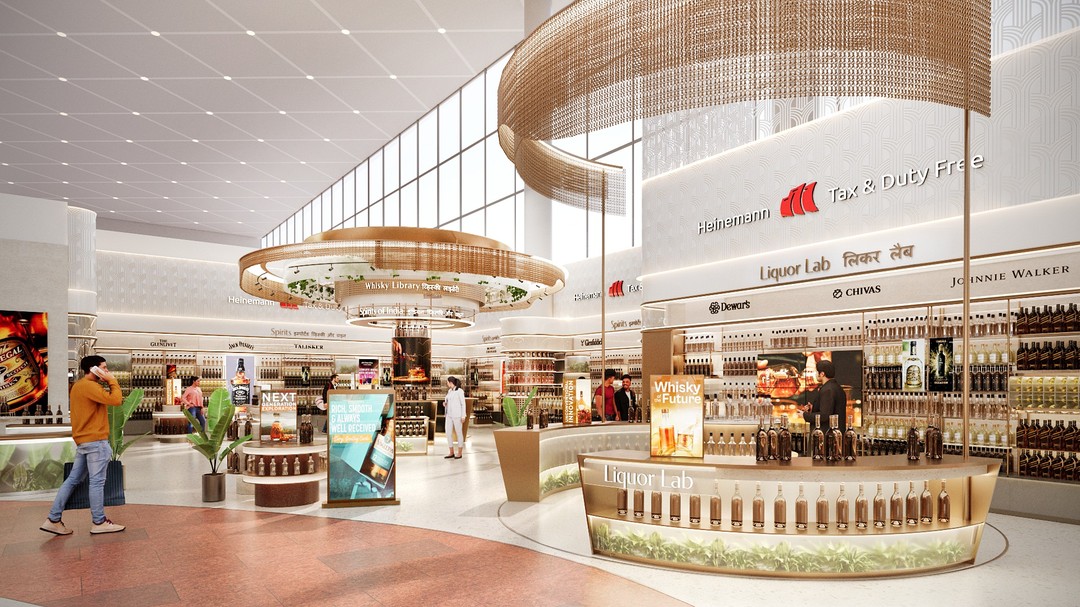
Industry experts believe the airport could also accelerate growth across commercial real estate segments, including offices, retail, hospitality and logistics. Supriya Chatterjee, managing director, North, Cushman & Wakefield, said Noida International Airport could act as a structural catalyst for the next phase of NCR’s real estate evolution by combining enhanced global connectivity with an already expanding economic base. She noted that the airport, which has an initial annual passenger handling capacity of 12 million and long-term scalability to 70 million, is expected to strengthen the region’s integration with global business networks. According to Chatterjee, Noida’s hospitality sector remains relatively underdeveloped and could benefit from rising business travel, transit traffic and meetings, incentives, conferences and exhibitions (MICE) activity, creating demand for hotels and convention facilities.

The retail sector may also see expansion. While Noida currently has around 8.1 million sq ft of retail inventory, only about 30% is Grade A+, leaving scope for premium mixed-use developments as footfall and corporate activity increase. In the office market, Noida has around 43.4 million sq ft of office stock, including 26.6 million sq ft of Grade A+ space. Leasing activity stood at 4.7 million sq ft in 2025, while Global Capability Centre (GCC) activity has grown to nearly 2 million sq ft, supported by government incentives and the availability of skilled talent. Chatterjee said improved international connectivity could encourage multinational companies to expand or establish operations in the city.
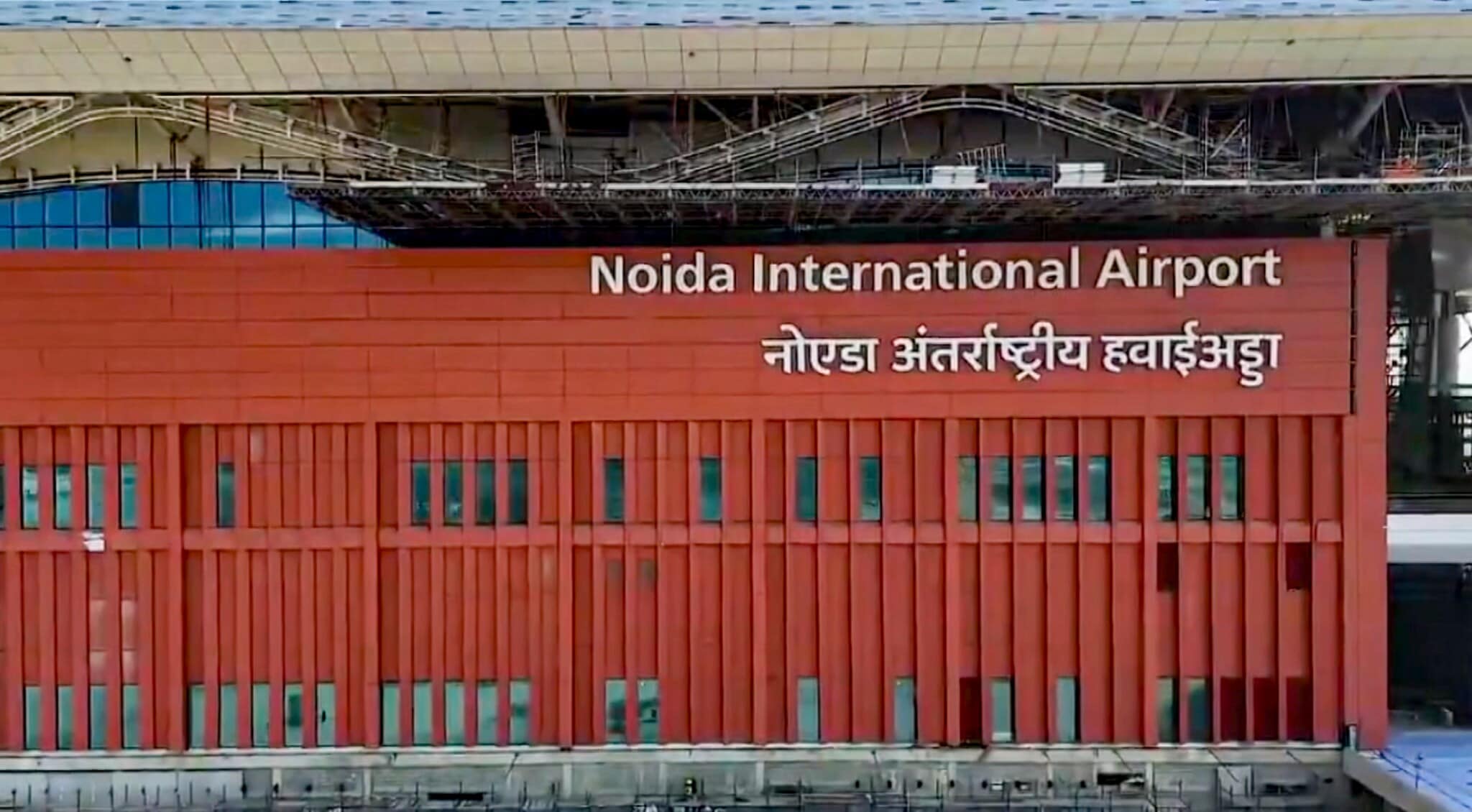
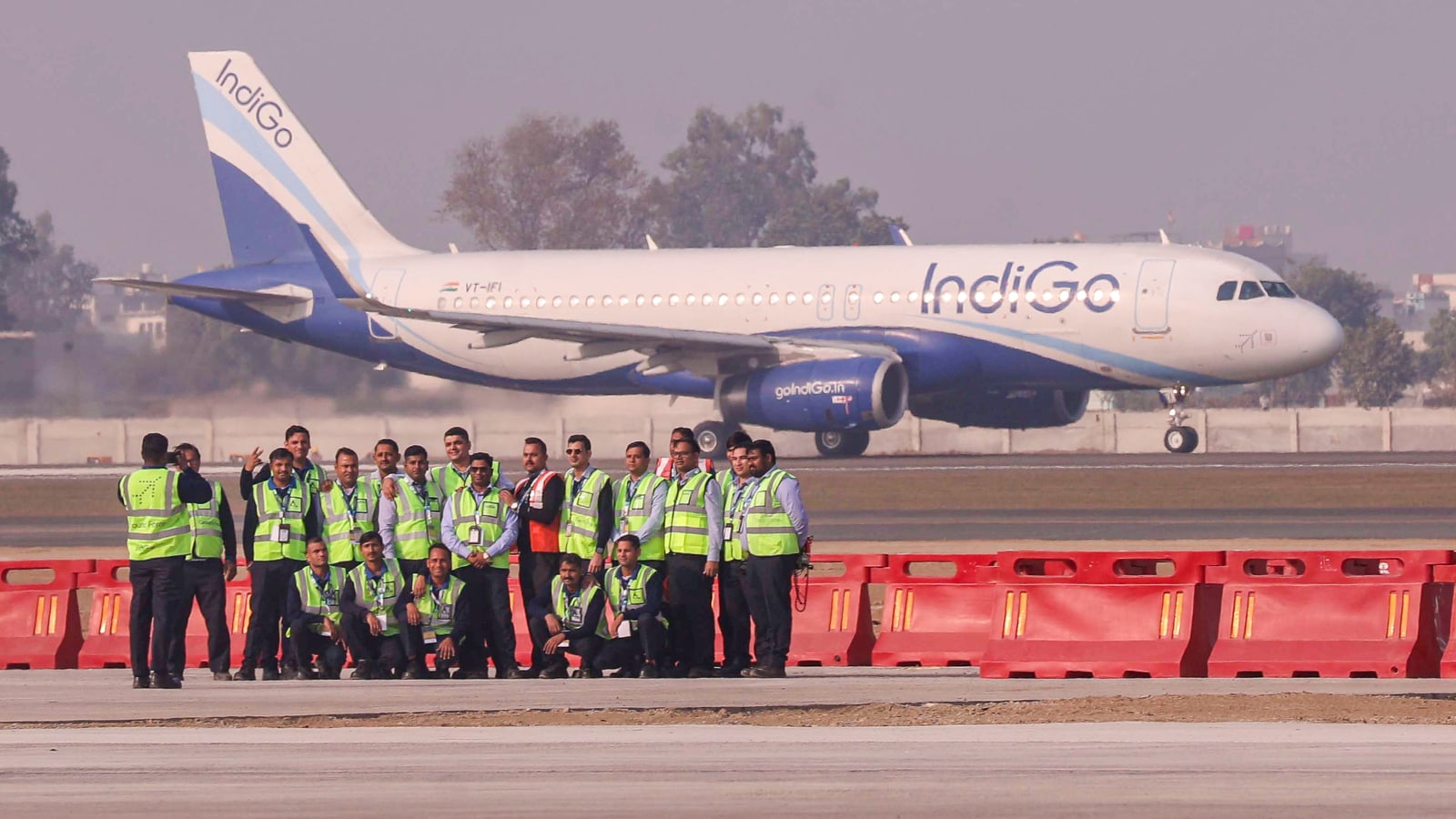
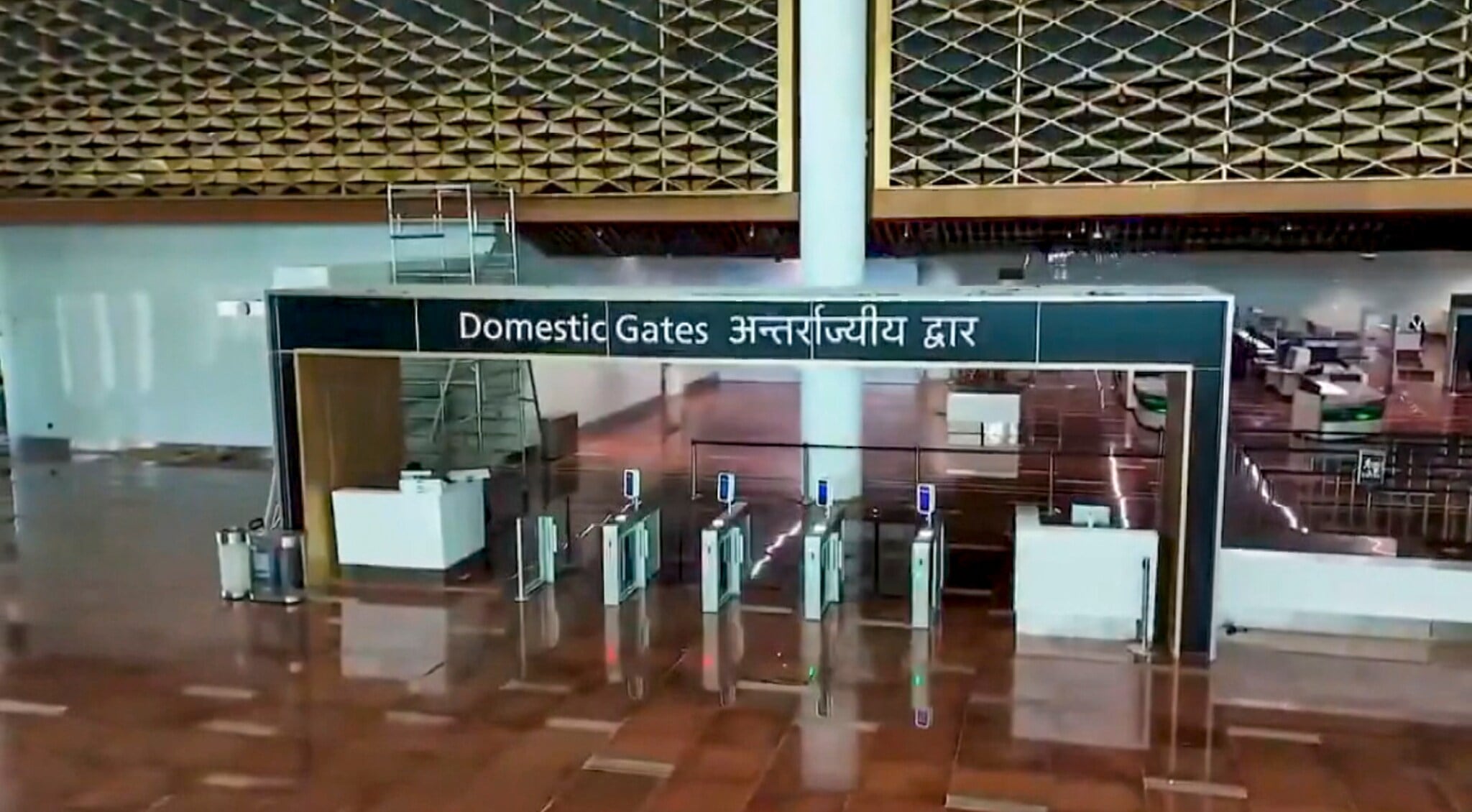
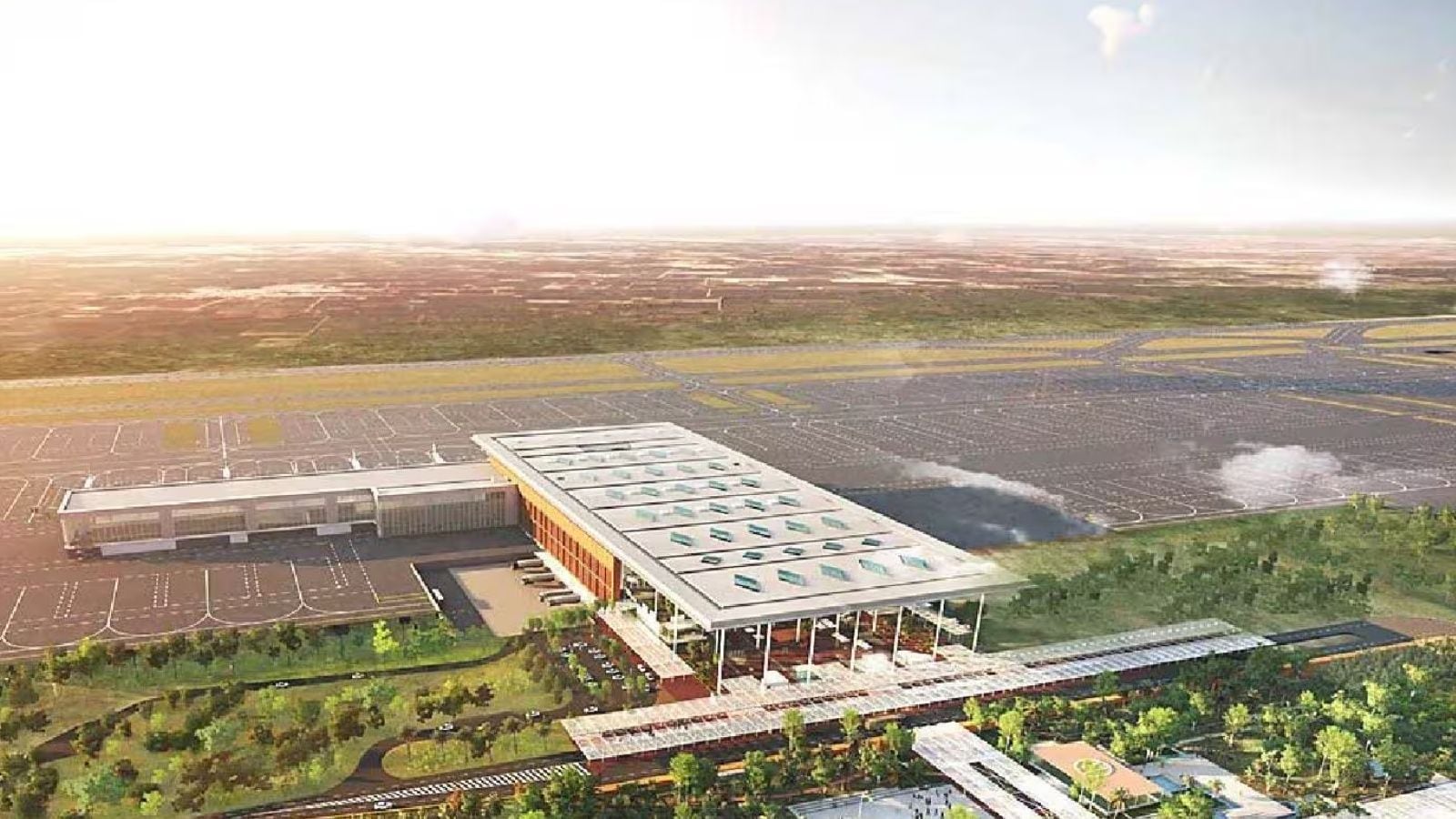
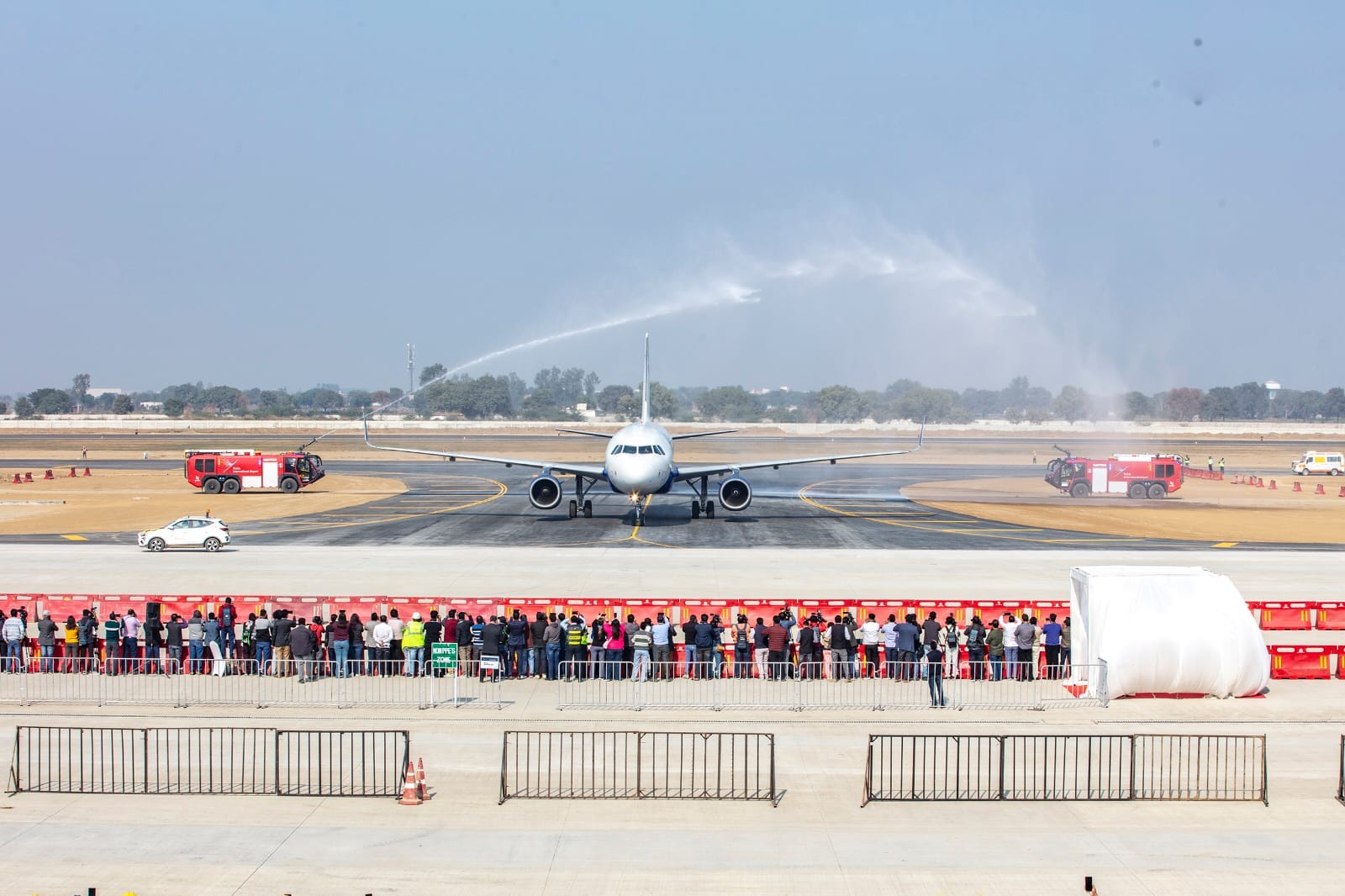
Located in Gautam Buddh Nagar district within the YEIDA region, Noida International Airport is one of the Uttar Pradesh government’s flagship infrastructure projects and is expected tostrengthen the state’s position as an aviation, logistics and economic hub. The first phase has been completed with the capacity to handle 12 million passengers annually and includes a runway, an integrated terminal building and an air traffic control tower. The airport received its aerodrome licence from the Directorate General of Civil Aviation on March 6, 2026.
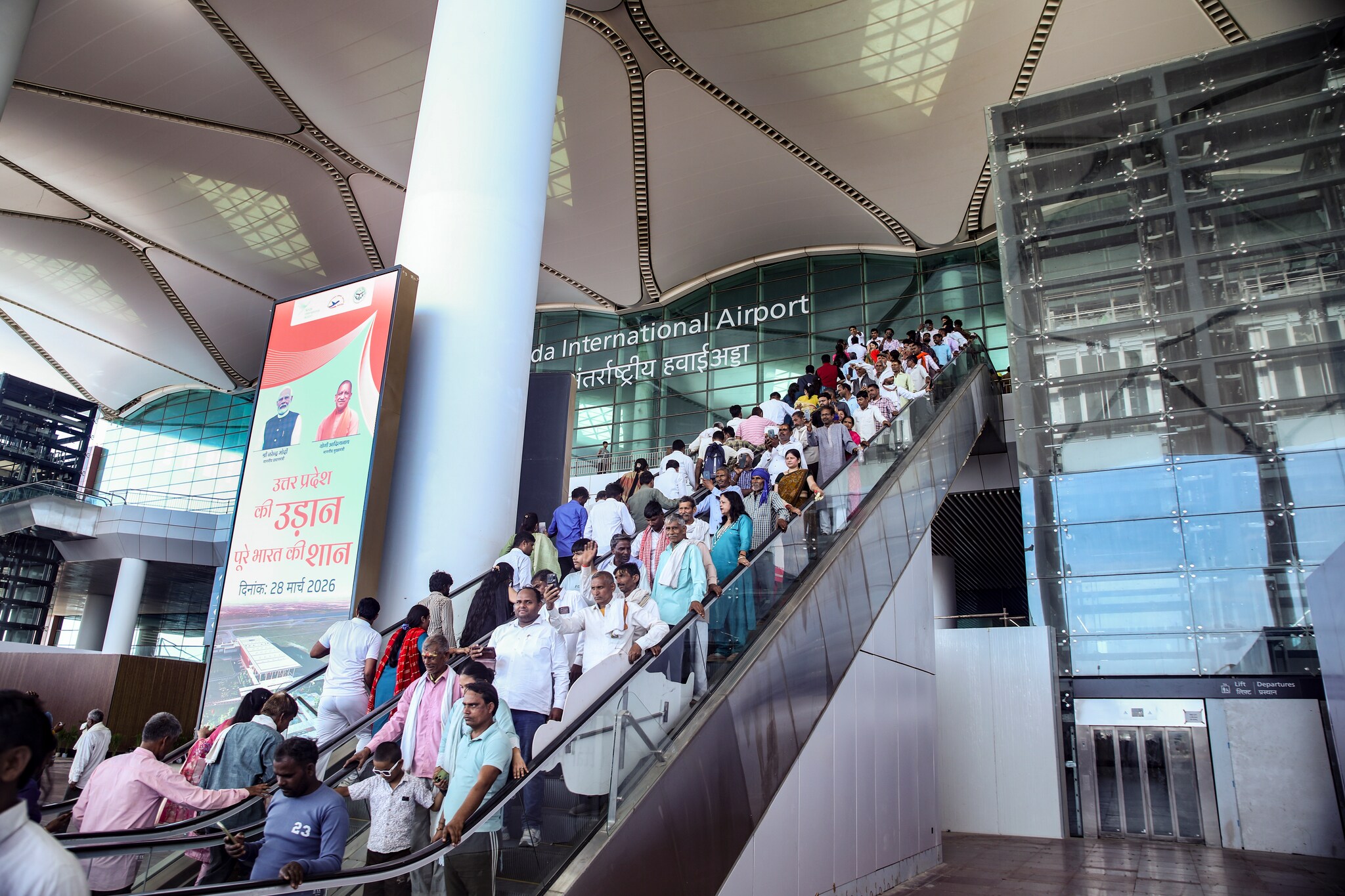
Spread across nearly 1,334 hectares, the airport is being developed in four phases. Official projections estimate that annual passenger handling capacity will increase to 30 million by 2031, 50 million by 2036 and 70 million by 2040. As commercial operations begin, industry stakeholders believe the airport could become the foundation for a broader economic corridor, with aviation, logistics, manufacturing and real estate working together to reshape the Yamuna Expressway region over the coming decades.
Source link
[ad_3]

