
The Milestone: India’s first bullet train corridor is breaking new ground — literally. The Mumbai-Ahmedabad Bullet Train Project has introduced tunnel hood technology for the first time in Indian railway history, deploying it across mountain tunnels along the high-speed corridor. The move brings India in line with global bullet train standards followed in countries where trains routinely exceed 300 kmph.
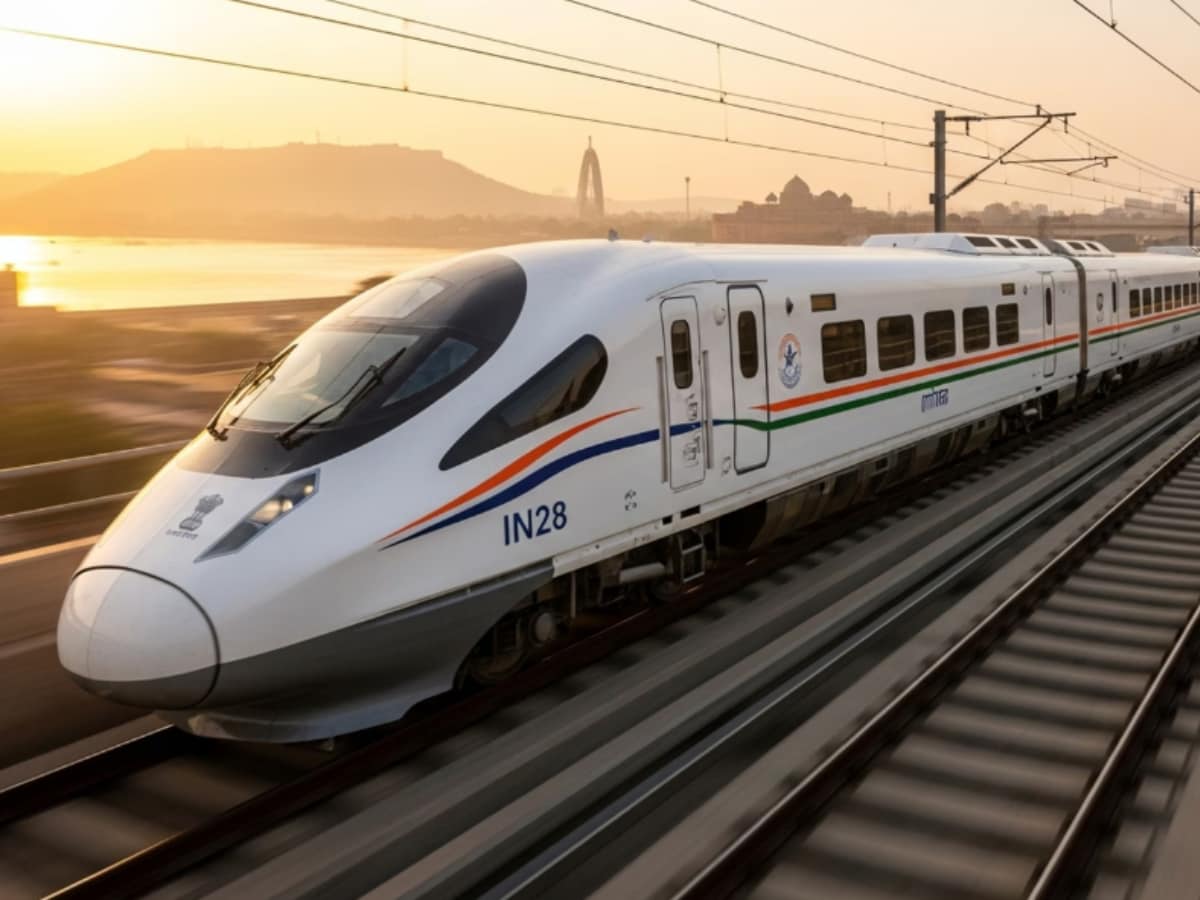
Where These Tunnels Are? The bullet train route cuts through some of India’s most challenging terrain. The corridor includes eight mountain tunnels in all — seven in Maharashtra and one in Gujarat. Tunnel hoods are being built at both the entry and exit points of each of these tunnels as part of the project’s engineering design.
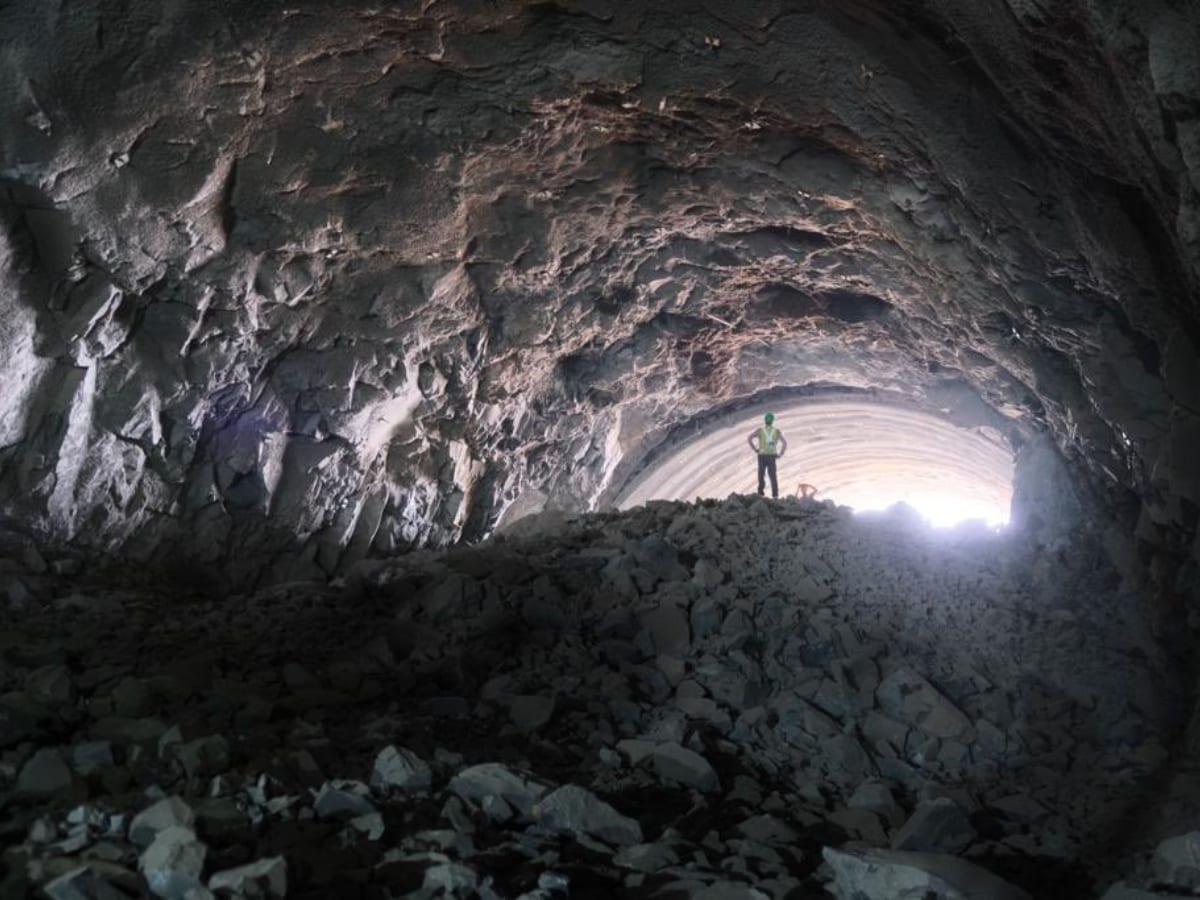
The Problem They Solve: Here’s the physics of it: when a bullet train hurtles into a tunnel at high speed, it pushes a massive volume of air ahead of it — much like a piston inside a cylinder. This generates powerful pressure waves inside the tunnel. Without intervention, these waves burst out as a loud booming sound the moment the train exits — a phenomenon called “tunnel boom.” (File photo: X/@AshwiniVaishnaw)
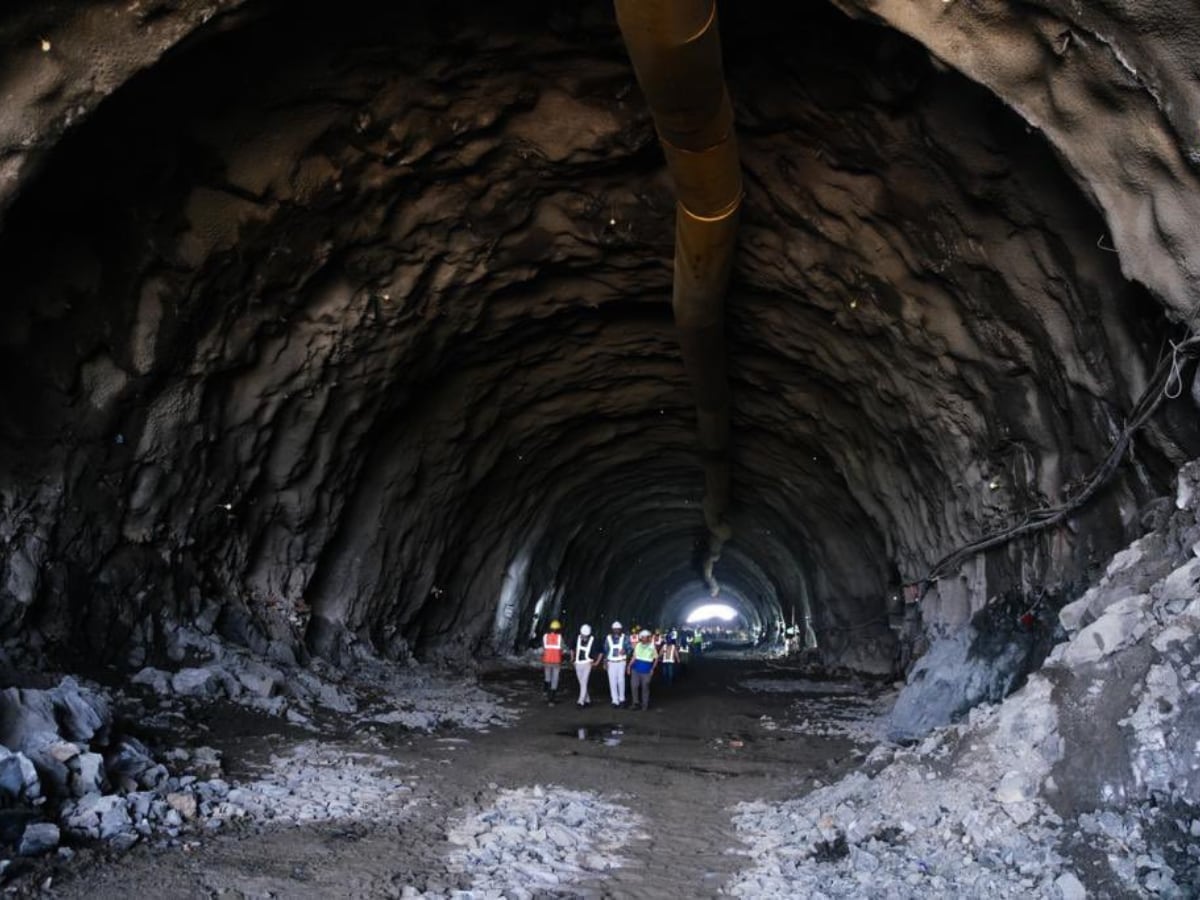
What A Tunnel Hood Actually Does: Think of a tunnel hood as a buffer zone. Instead of the train going from open air to an enclosed tunnel in an instant, the hood creates a gradual transition, giving the air — and the train’s aerodynamics — time to adjust. The abrupt pressure spike is spread out, keeping things smoother on both ends.
The Vents That Do The Heavy Lifting: Built into every tunnel hood are specially designed pressure-relief vents. As a train approaches and enters the tunnel, these openings let a portion of the compressed air escape into the atmosphere in a controlled way — slowly enough to prevent a pressure build-up that would otherwise turn into noise and shockwaves.
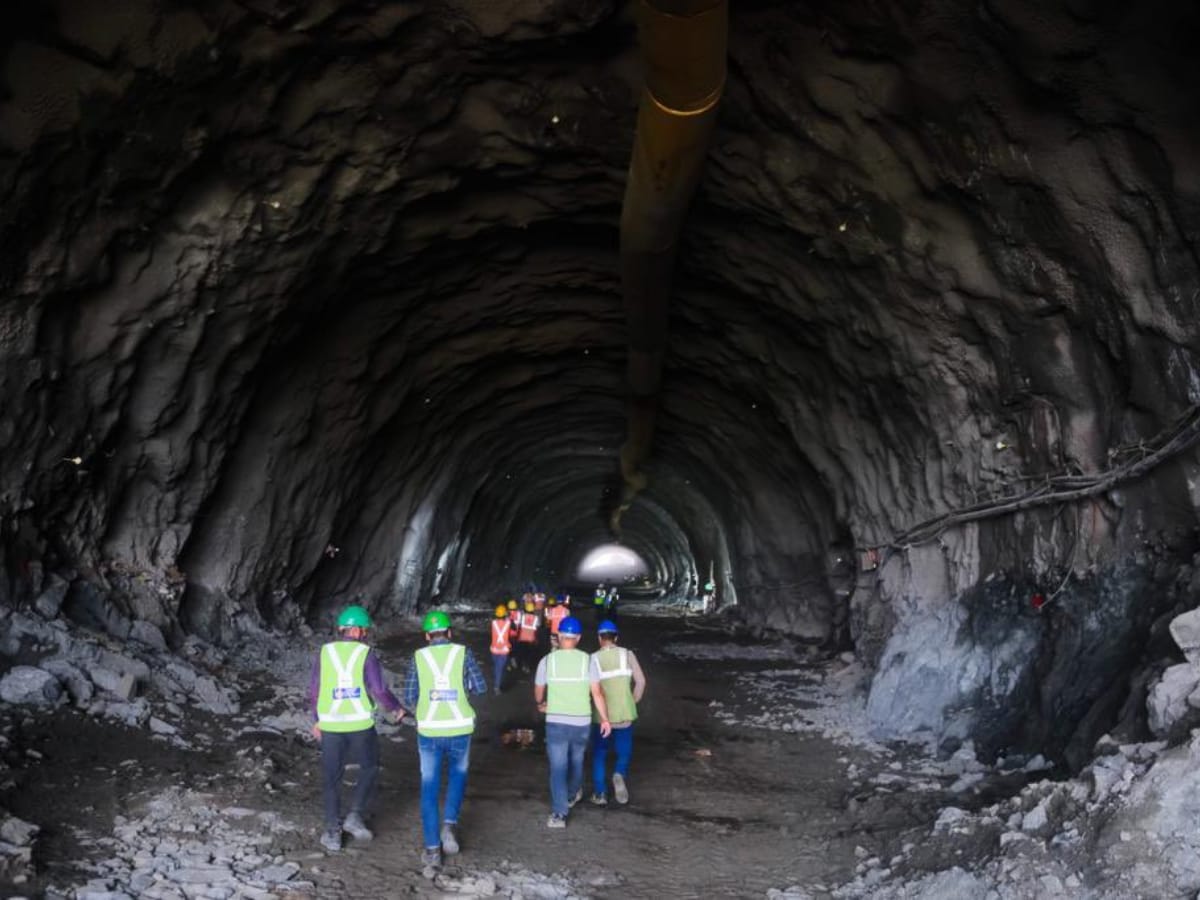
Why Nearby Residents Will Care: Tunnel boom isn’t just an inconvenience for passengers — it’s a source of noise pollution for communities living near tunnel exits. The tunnel hoods are specifically designed to dampen that impact, reducing disturbance to residential areas in the vicinity of the corridor’s mountain sections.(File photo: X/@AshwiniVaishnaw)
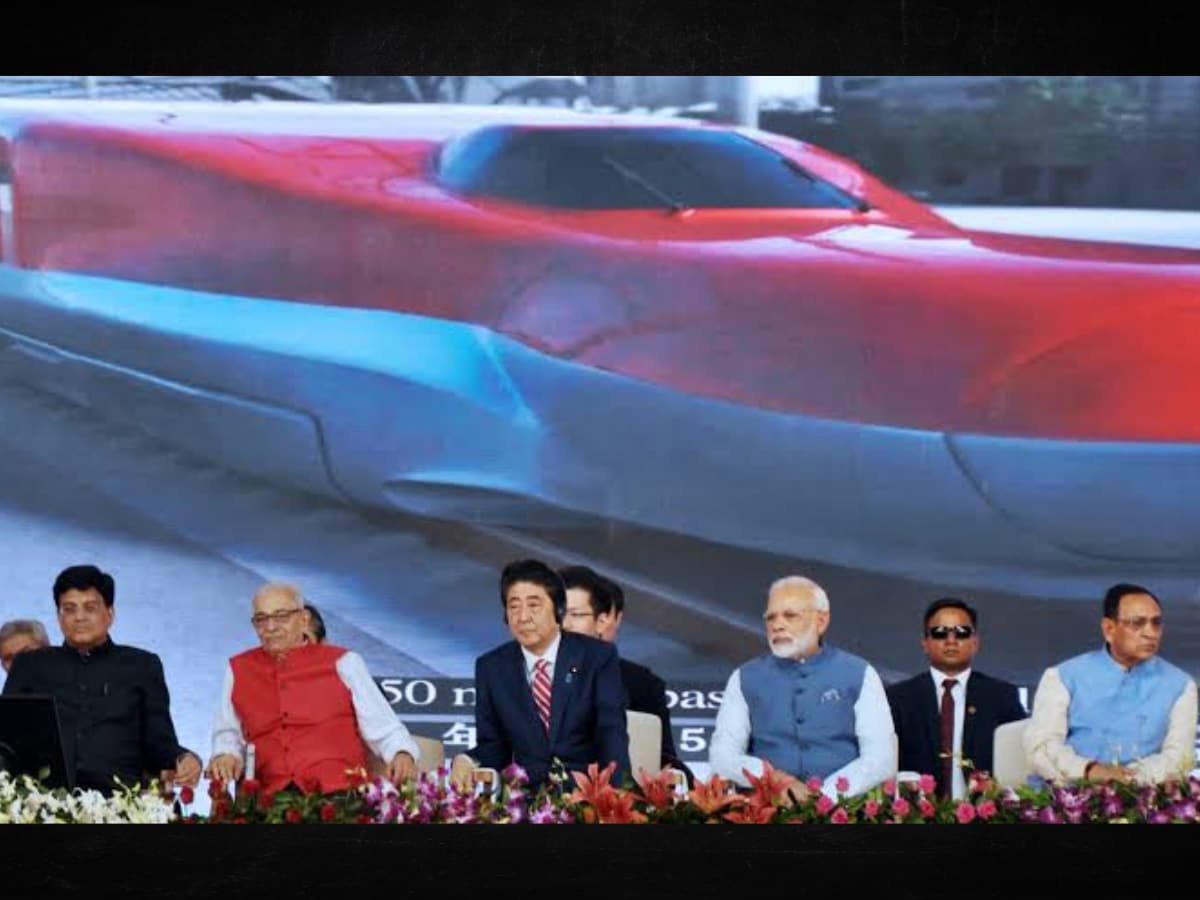
What It Means For The Passenger: For someone on board the bullet train, the difference will be felt as a noticeably quieter, smoother ride through tunnel sections — no jarring pressure shifts, no sudden booming. The technology is designed to handle trains travelling at over 300 kmph, the speed at which India’s bullet trains are expected to operate.
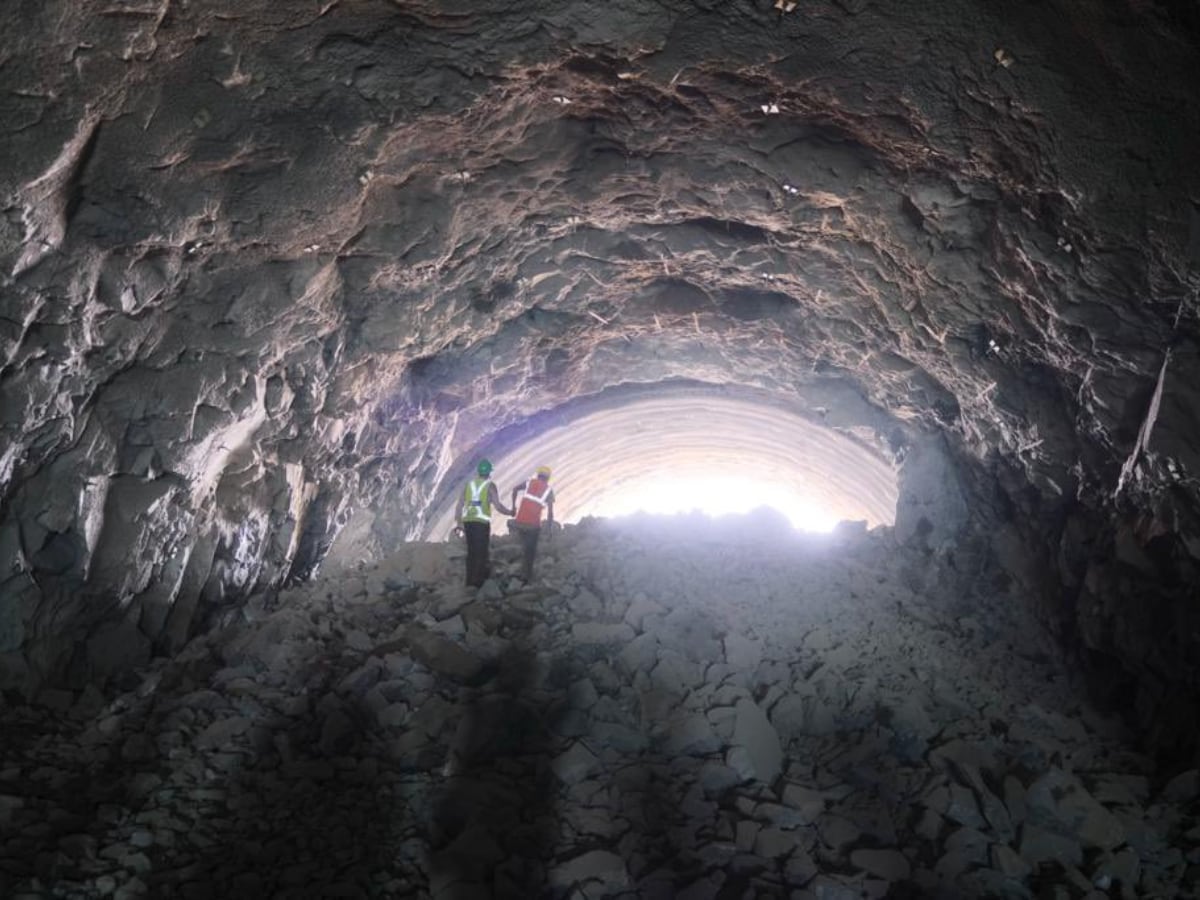
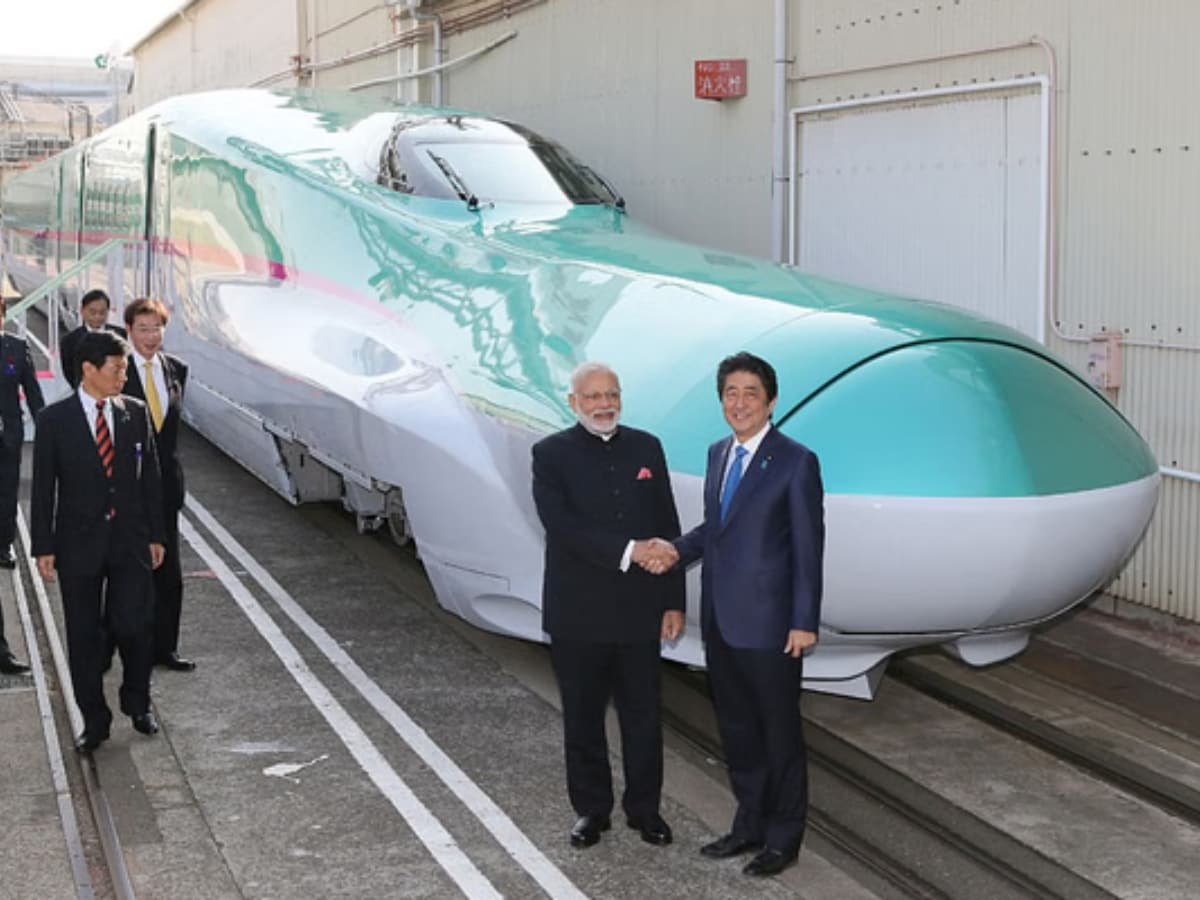
A First That Sets The Template: India’s first bullet train isn’t too far away. Railway Minister Ashwini Vaishnaw has confirmed that on Independence Day 2027, people will be able to buy a ticket for India’s first bullet train — with the initial stretch running between Surat and Bilimora, followed by phased expansion covering Vapi-Surat, Vapi-Ahmedabad, and finally Thane-Ahmedabad. The tunnel hood technology being installed now is part of what will make that ride — when it comes — quieter, smoother and genuinely world-class. (File photo: X/@AshwiniVaishnaw)
Source link
[ad_3]

