
Mango ice cream is a tasty treat that gives you the true feeling of summer in every spoonful. Its bright colour, sweet smell, and natural sweetness make it loved by people of all ages. However, making it perfectly creamy, smooth, and full of flavour at home is not always as easy as it looks. Even small mistakes can lead to an icy texture, weak flavour, or a dessert that feels too heavy. Understanding what to avoid can help turn an ordinary dessert into something truly special. With the right method, your homemade mango ice cream can taste just as good as the finest artisanal ones. Let’s look at the common mistakes that can stop you from getting it just right.
Also Read: The Right Way To Eat Mangoes To Avoid Falling Sick
Common Mistakes To Avoid When Making Mango Ice Cream At Home
1. Using unripe or overripe mangoes
The quality of mangoes directly determines the flavour of your ice cream. Unripe mangoes bring a sour and slightly bitter taste that can overpower the dessert. On the other hand, overripe mangoes tend to be fibrous and may have a fermented note. Always choose ripe, juicy, and fragrant mangoes for a naturally sweet and balanced flavour. Alphonso or Kesar varieties are particularly well suited for creamy desserts.
Image Credit: Pexels
2. Skipping proper blending and straining
Many people overlook the importance of thoroughly blending the mango pulp. If the pulp is not smooth, your ice cream will have an uneven texture with tiny lumps. Straining the puree removes fibrous bits and ensures a silky consistency. Taking this extra step significantly enhances the overall mouthfeel. A well blended base is essential for achieving a professional quality ice cream.
3. Adding too much sugar
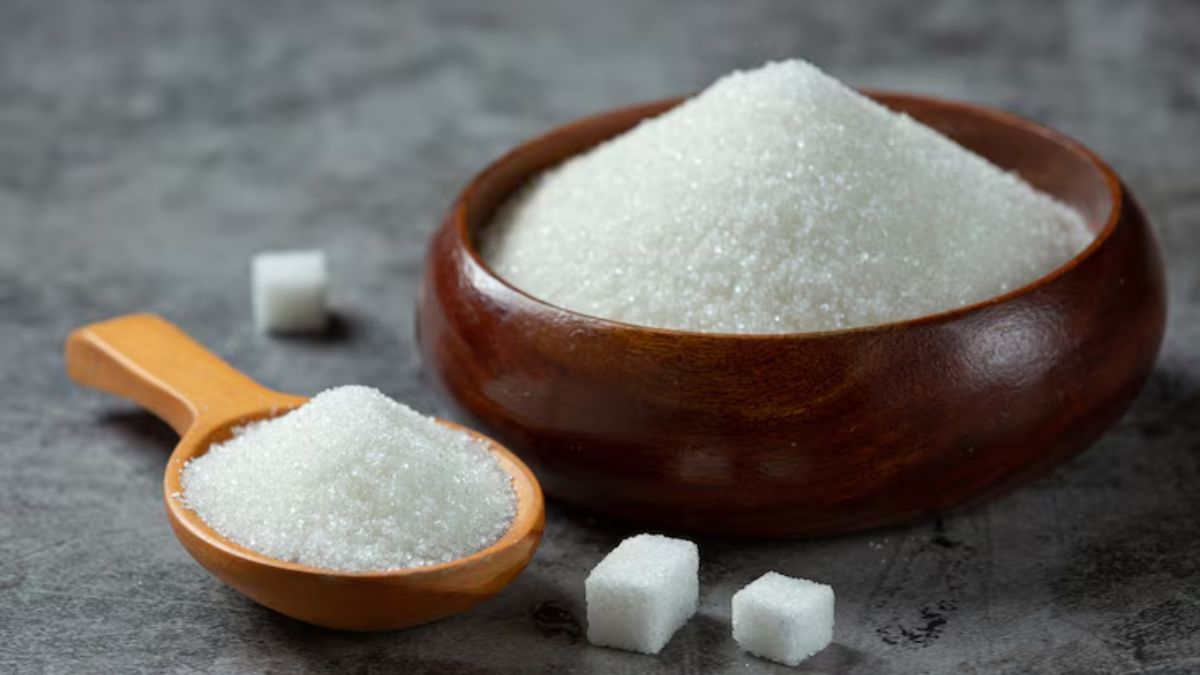
Mangoes are naturally sweet, yet it is tempting to add extra sugar for safety. Over-sweetening can mask the distinct flavour of the fruit and make the dessert cloying. It can also affect the freezing process, leading to a softer or overly dense texture. Taste the mango puree first and adjust sugar carefully. A well balanced sweetness allows the mango to shine.
4. Ignoring the fat balance
Cream is crucial for a rich and creamy texture, but too much or too little fat can ruin the result. Excess cream can make the ice cream heavy and greasy, while too little can cause iciness. Striking the right balance between cream, milk, and fruit is key. Proper proportions ensure a smooth and indulgent consistency without overwhelming the palate.
5. Not chilling the mixture before freezing
Skipping the chilling step is a common but critical error. A warm mixture takes longer to freeze, forming large ice crystals that create a grainy texture. Chilling the base thoroughly before freezing helps achieve a smoother result. It also allows flavours to meld better for a more cohesive taste. Patience at this stage pays off in the final outcome.
Also Read: Aam Panna To Mango Mojito: 6 Mango Drinks To Try This Summer
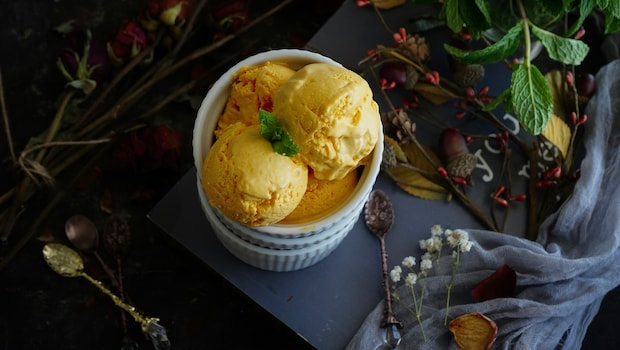
Photo Credit: Unsplash
6. Freezing without churning or stirring
Leaving the mixture undisturbed in the freezer often leads to hard, icy ice cream. Churning or periodically stirring breaks up ice crystals and incorporates air. This results in a lighter and creamier texture. Even if you do not have an ice cream maker, manual stirring at intervals can make a noticeable difference. Consistency is key for that perfect scoop.
A little attention to these details can transform your mango ice cream into a truly delightful homemade treat.
Source link
[ad_3]

