
Women today are making strong progress across many fields and are opening doors for the next generation of scientists through their work and discoveries. Their growing presence is restructuring the world of science and research. But at the time women were often not even allowed to step inside laboratories, one of them decided to embark on her scientific journey, scripting history.
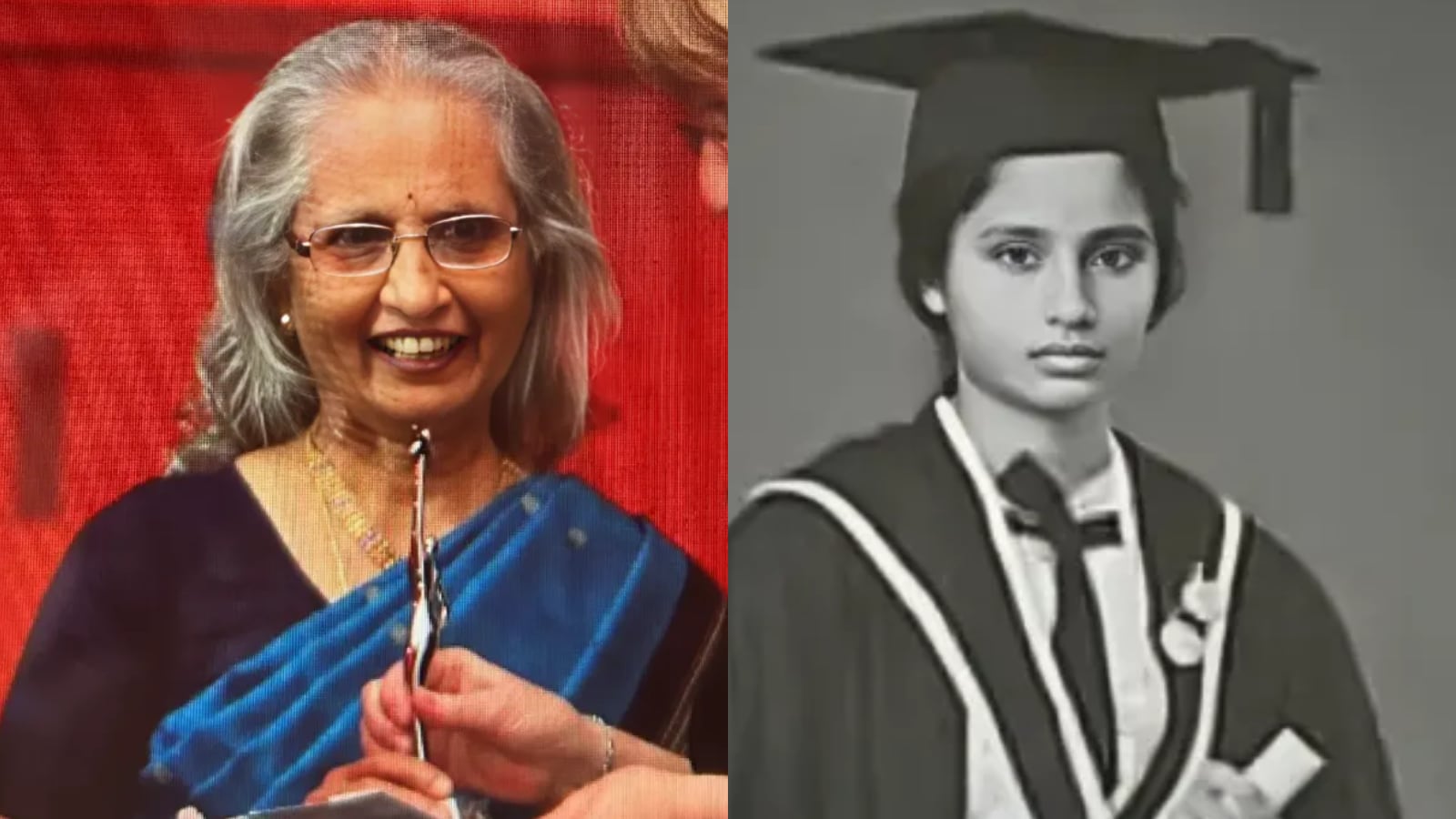
Born in 1938 in Thayyur, a small village in Kerala, Radha grew up during the British Raj in an environment with very limited resources. Her village did not even have electricity. She studied under kerosene lamps, yet showed exceptional academic potential from a young age. As the fourth of five children, she stood out early as a focused and determined student.
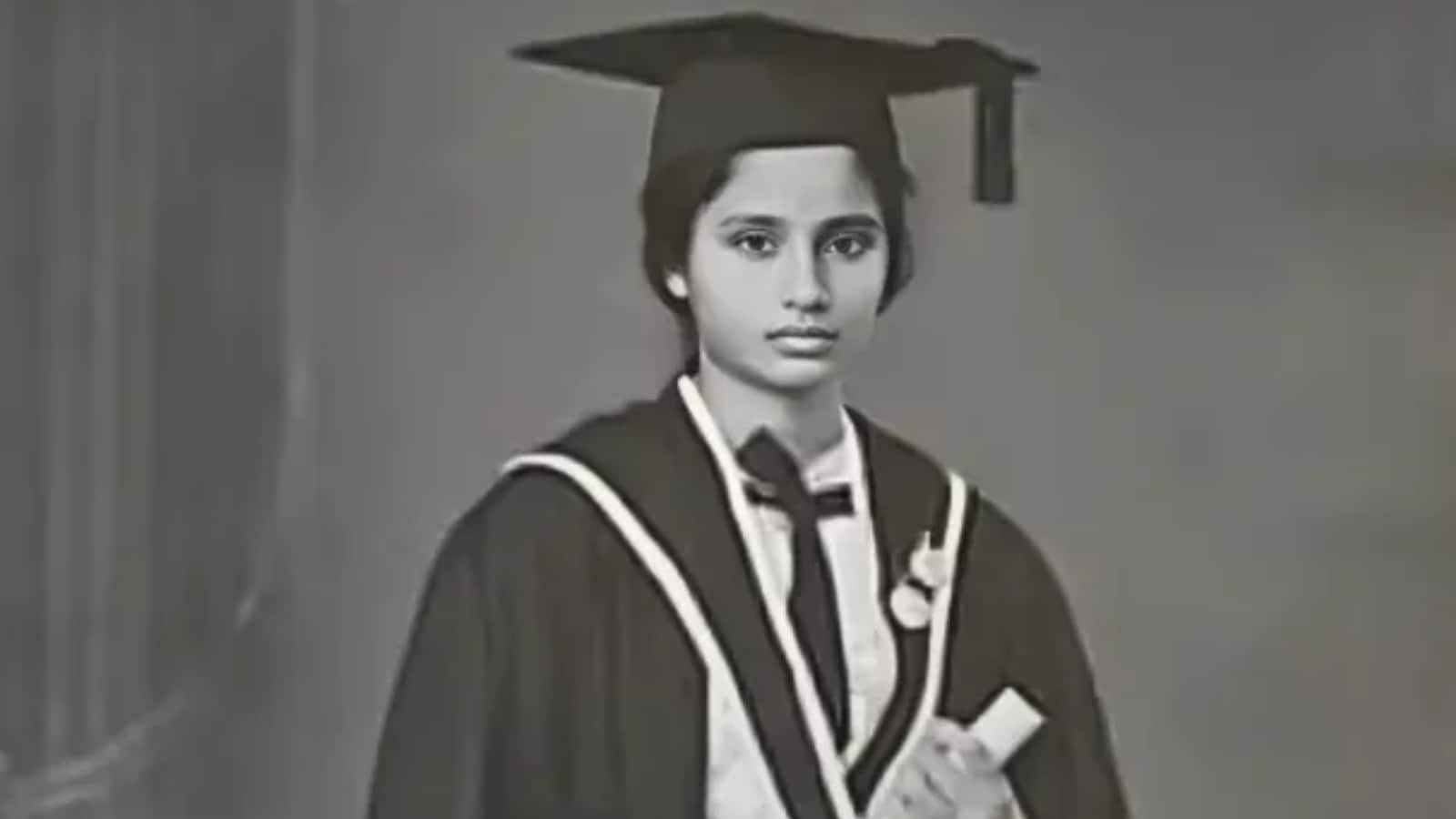
In the 1940s and 1950s, when very few Indian girls studied beyond high school, Radha chose physics, one of the most demanding subjects of the time. She joined Presidency College in Madras, now Chennai. At that time, it was a bold and uncommon step for a woman. Her dedication paid off when she graduated with a gold medal, establishing her reputation as a top student.
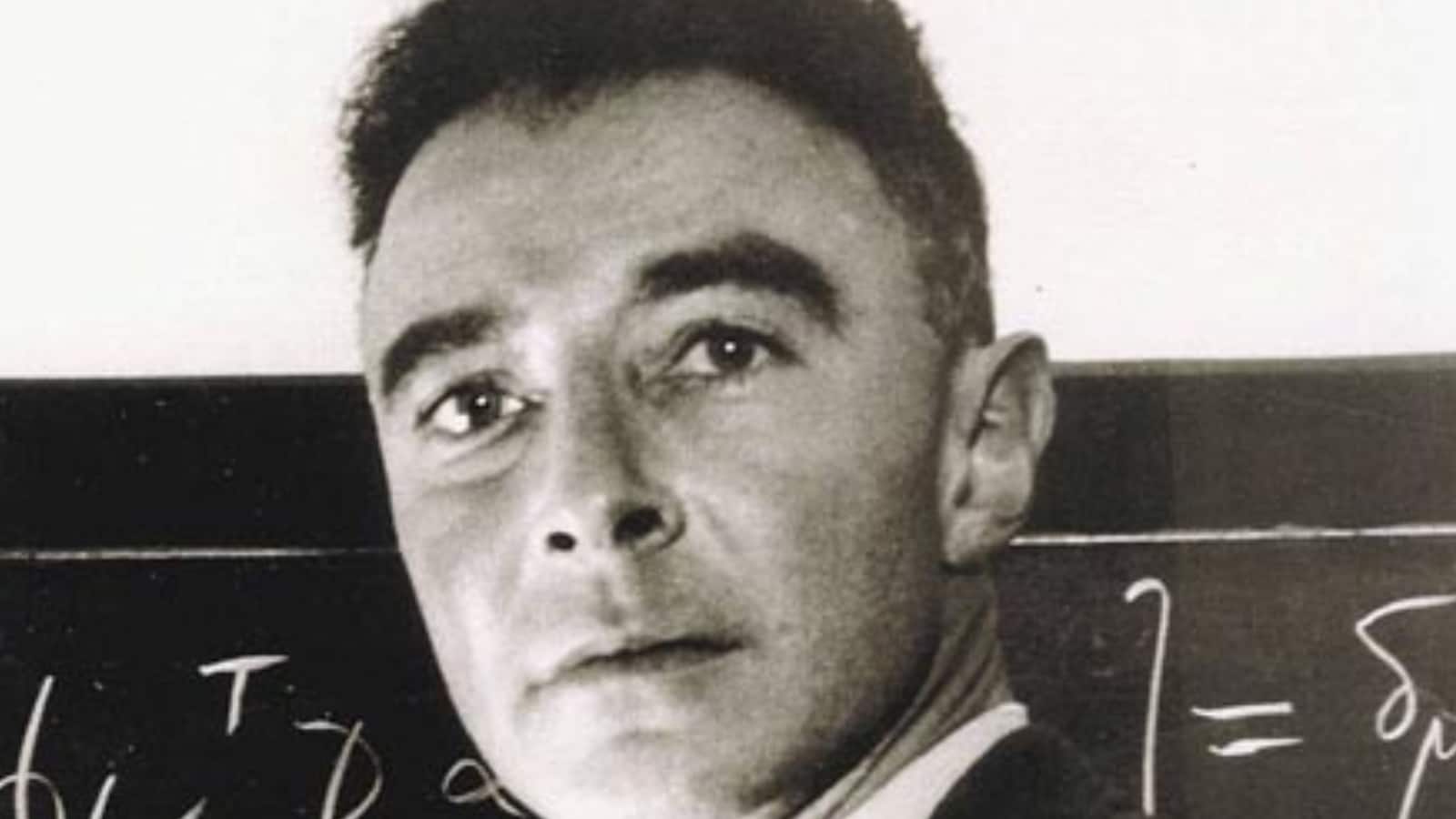
You will be surprised to known that the Indian woman scientist once worked with Robert Oppenheimer, the man known as the father of the atomic bomb. Her name is TK Radha. At a time when science was almost entirely dominated by men, Radha built her place through talent, discipline and an unshakeable belief in education and hard work.
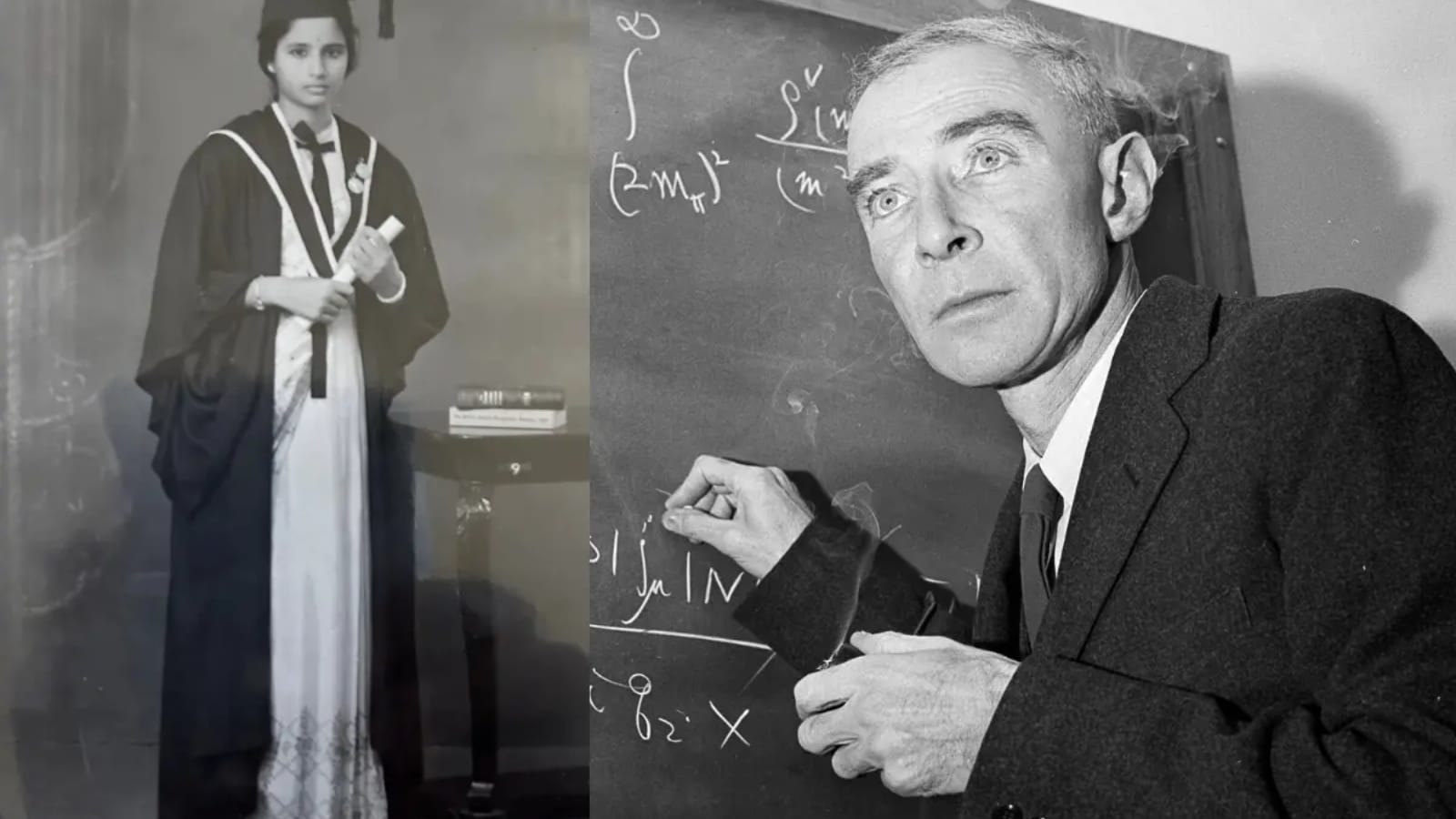
Radha then joined Alladi Ramakrishnan’s pioneering program in theoretical physics at the University of Madras. Ramakrishnan was building what would later become the Institute of Mathematical Sciences, India’s first fully modern institute for theoretical physics. Among a class dominated by men, Radha was one of only three women to be part of this early initiative.
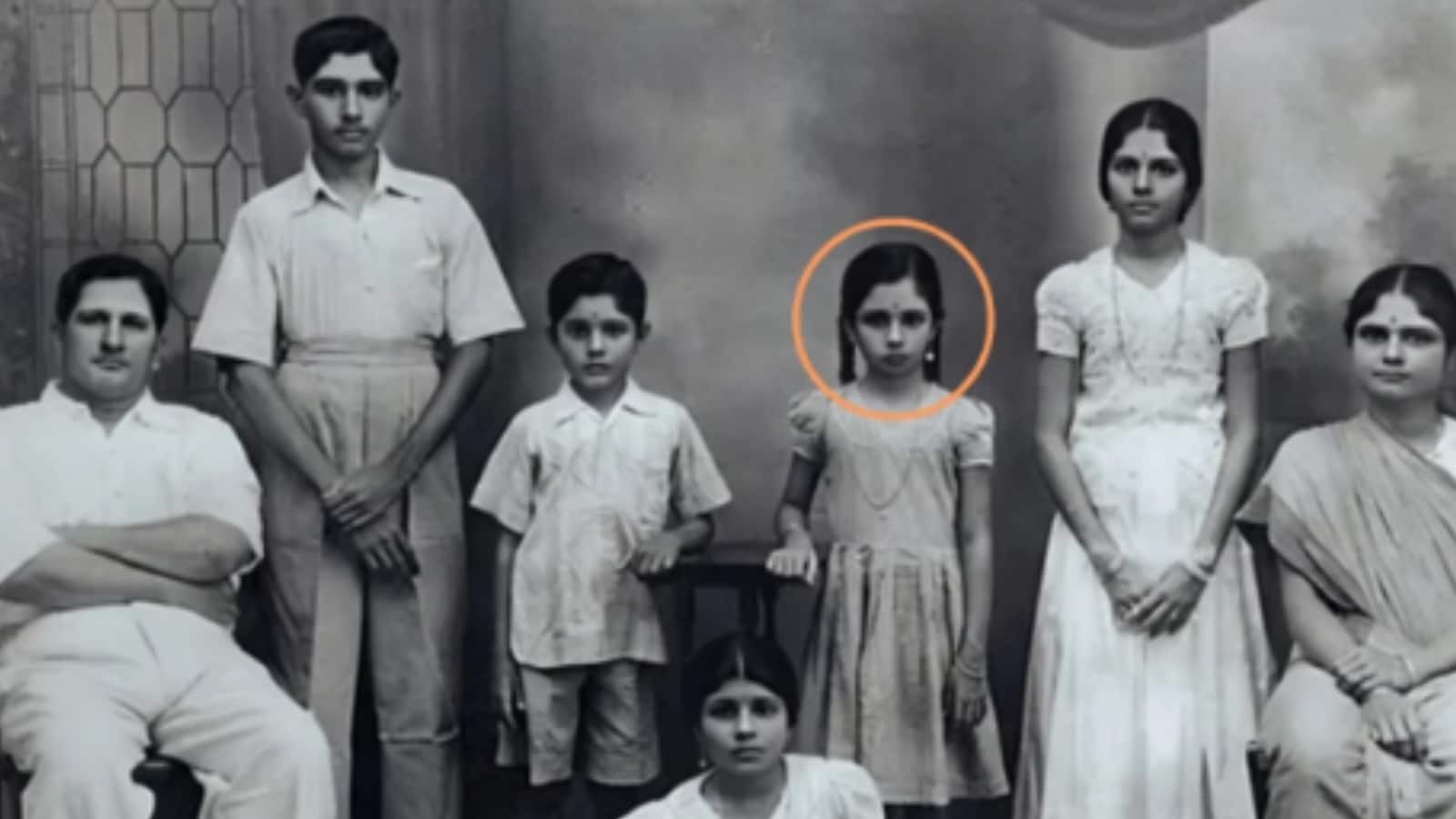
Despite being in the minority, Radha excelled through her research. She published fourteen papers on particle physics and quantum theory. This was an extraordinary achievement for a young scientist in India at that time. Her work earned recognition on merit alone, proving that intellectual excellence could not be limited to gender.
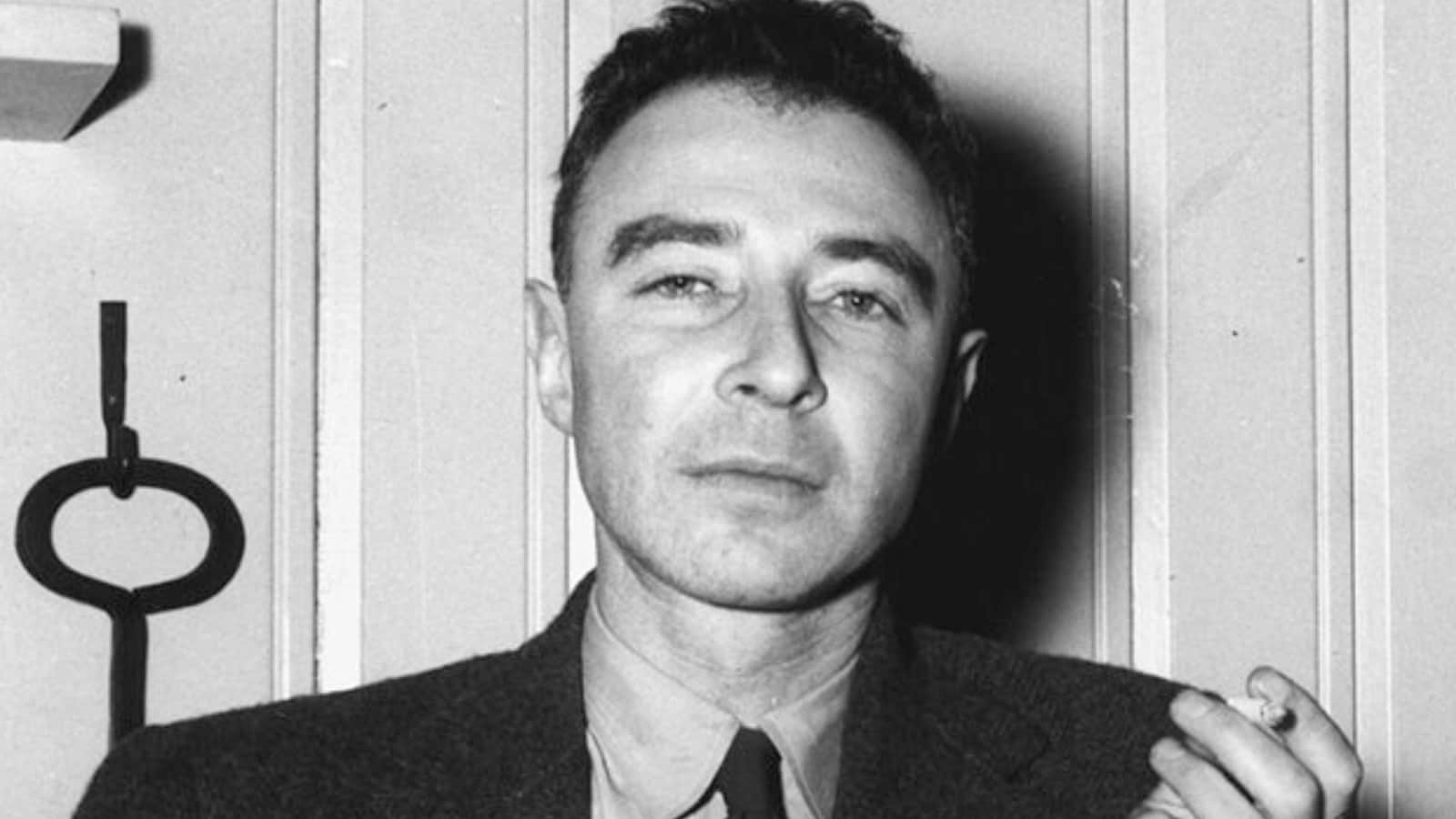
In 1965, her academic journey took a defining turn when she received a letter from Robert Oppenheimer inviting her to join the Institute for Advanced Study at Princeton. Recalling that experience, she later said, “I walked the street where Einstein lived.” The moment marked her entry into the world of global theoretical physics.
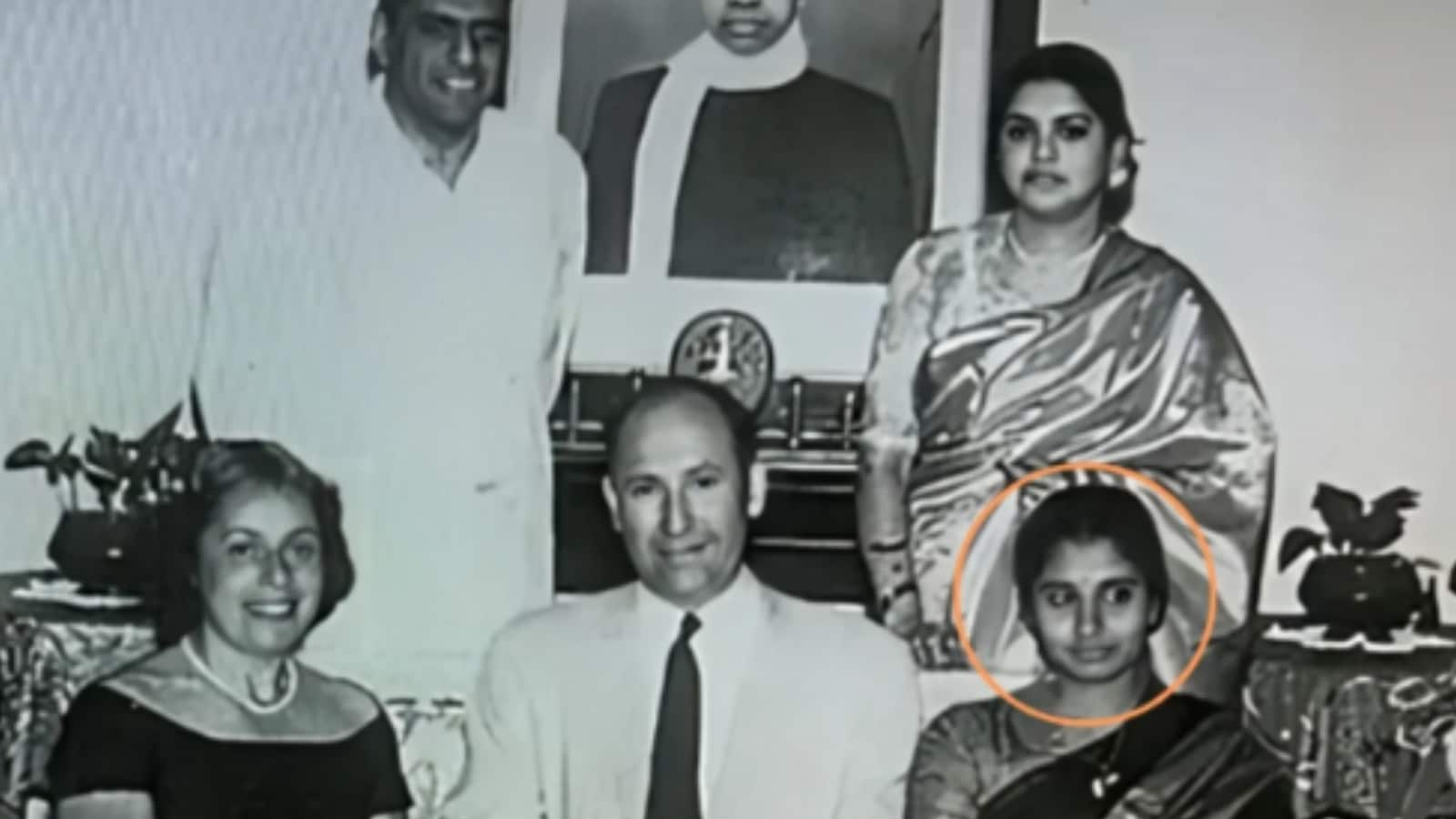
Radha also remembered being deeply impressed during her meeting with Oppenheimer. “When I met Oppenheimer, I was struck by his knowledge of the Bhagavad Gita,” she said. The interaction highlighted a rare meeting of Eastern philosophy and Western science and Radha confidently held her own among the world’s finest minds.
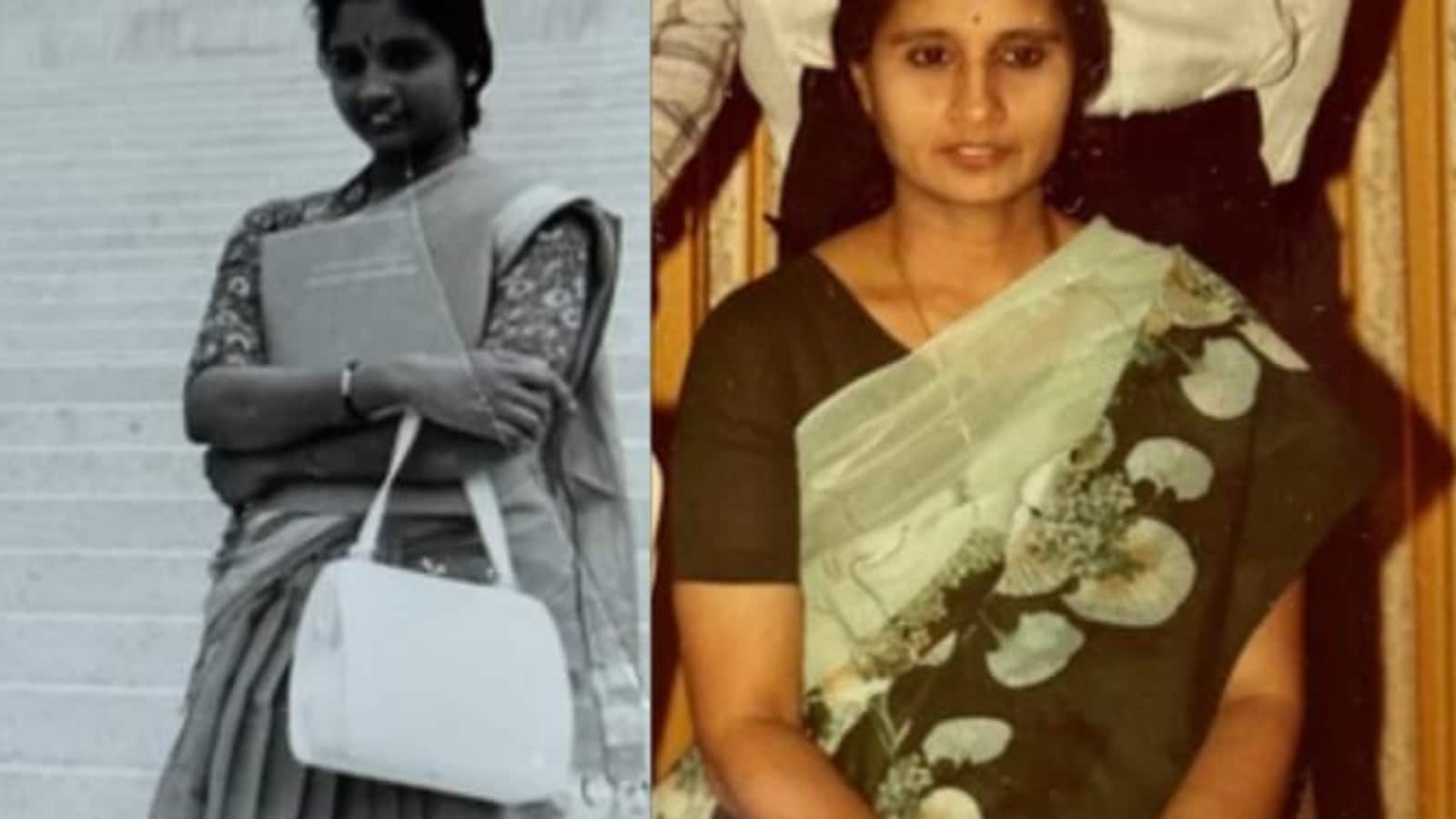
After marriage, Radha moved to Canada but her commitment to learning never slowed. Even while raising children, she enrolled in computing courses at the University of Alberta and topped them. Education, for Radha, was not confined to one stage of life.
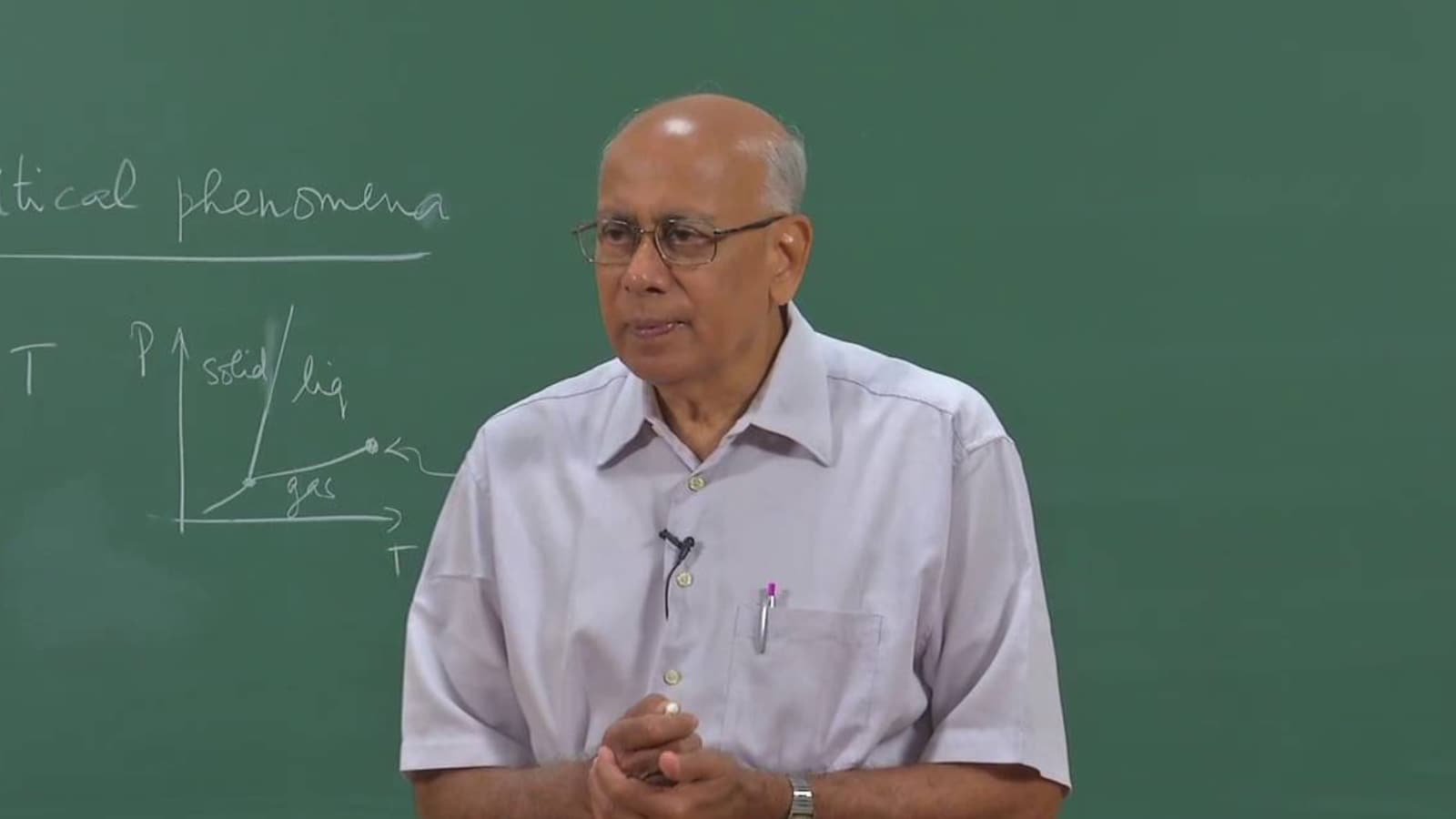
She is married to V Balakrishnan, a respected Indian theoretical physicist. Together, they built a home where there is academic curiosity and discipline. Their children, Hari Balakrishnan and Hamsa Balakrishnan, later became faculty members at the Massachusetts Institute of Technology, carrying forward a strong scientific legacy.
Source link
[ad_3]

