
Japan is not just a destination. It is a full-on eating experience. From the steaming, soul-warming bowls of ramen in Hokkaido to the sizzling street snacks of Osaka, every prefecture in Japan has something that will make you close your eyes and do a little happy sigh. Japan trails only France in Michelin-starred restaurants, and that is no accident. This is a country that takes food seriously, almost like a religion. So if you are planning a trip, consider this your edible map, a trail through Japan’s most iconic and unmissable dishes, one prefecture at a time.
HOKKAIDO: Where the Cold Makes Everything Taste Better
Hokkaido, Japan’s northernmost island, offers a unique culinary experience shaped by its cold climate. Start with Hokkaido Ramen, a local twist on the Chinese wheat noodle dish. Here, you’ll find miso ramen, featuring a rich, savoury broth made with fermented soybean paste, topped with corn, butter, and thick, wavy noodles. The contrast of the cold air outside and the steam inside a ramen shop makes the first sip unforgettable.
Also Read: These 3 Gond Katira Desserts Are A Simple Way To Cool Down This Summer
Next, indulge in Hokkaido’s unparalleled seafood. The king crab, uni (sea urchin), and fresh scallops are harvested from icy waters and served the same day. Visit the Nijo Market in Sapporo for an uni rice bowl at a stall—simple in appearance, but bursting with flavour.
Don’t miss Jingisukan (Genghis Khan), a grilled mutton dish that Hokkaido proudly claims. Named after the Mongol warrior, this dish involves lamb or mutton grilled at your table over a domed iron grill, accompanied by vegetables and a sharp dipping sauce. It’s smoky, bold, and distinct from the other culinary delights on offer.
TOKYO (KANTO): The City That Has Everything
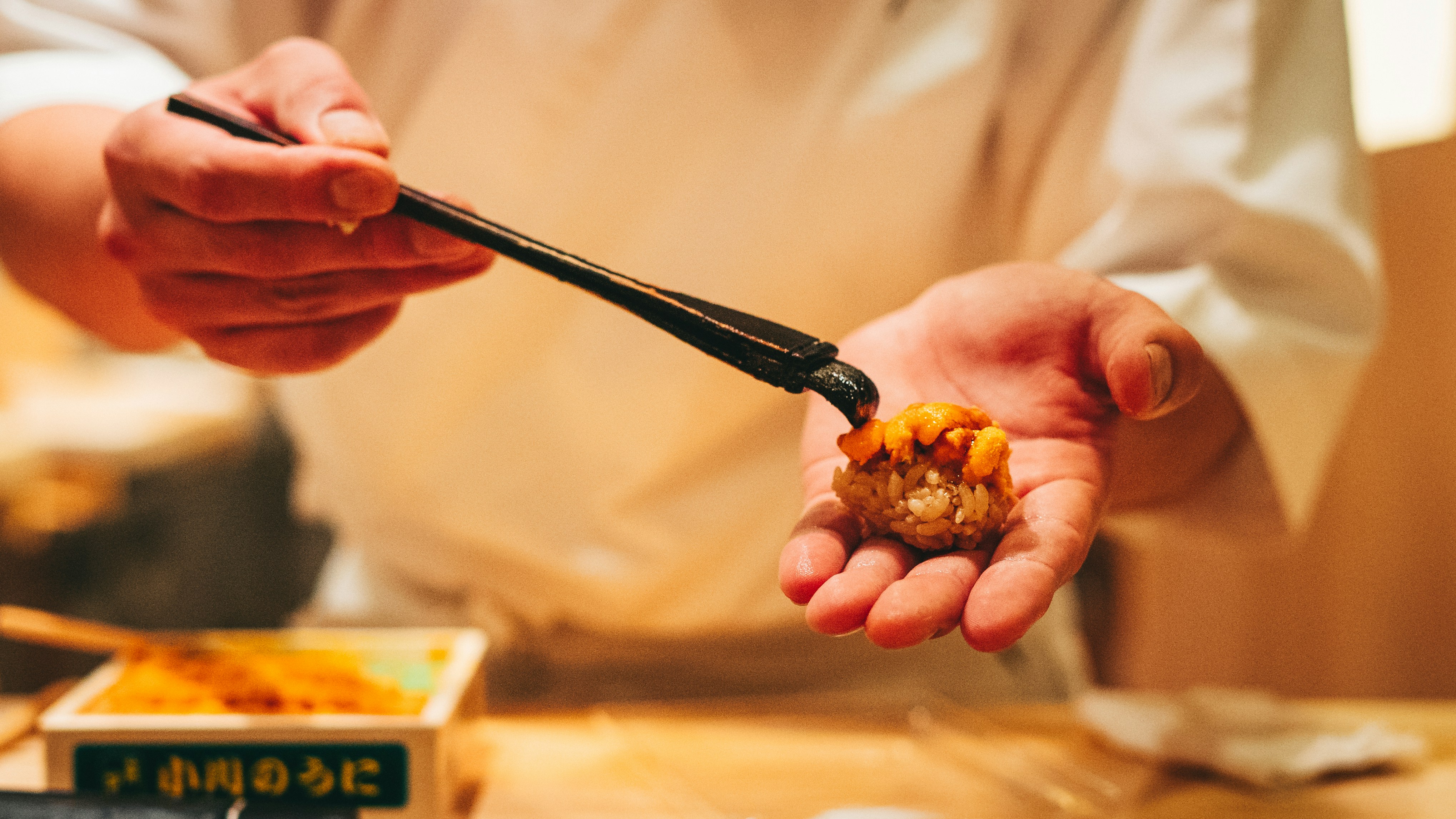
Tokyo is an overwhelming delight, boasting more Michelin-starred restaurants than any other city, yet some of its best eats are under 500 yen. Sushi reigns supreme here, with Tsukiji and Toyosu Markets offering the authentic experience. Contrary to popular belief, sushi is as much about the rice as the fish. Chefs dedicate years to perfecting their rice, sourcing it from trusted farmers. Enjoying nigiri at a standing sushi bar near Tsukiji at 7 am, with fish fresh off the boat, is a must. These bars offer a unique experience where you can point at the display and watch the chefs craft your meal.
Monjayaki, Tokyo’s version of Osaka’s okonomiyaki, is another must-try. This runny, pan-fried batter with cabbage, seafood, or meat is cooked at your table. Though it looks chaotic, scraping it off the griddle with a tiny spatula and eating it hot is deeply satisfying.
Lastly, don’t miss Tempura, a beloved Japanese dish. Tokyo offers the best, with a gossamer-thin batter encasing perfectly crisp seafood and vegetables. A tendon (tempura over rice) from a specialist shop is affordable and incredibly tasty.
KANAGAWA: Ramen Museums and Port City Flavours
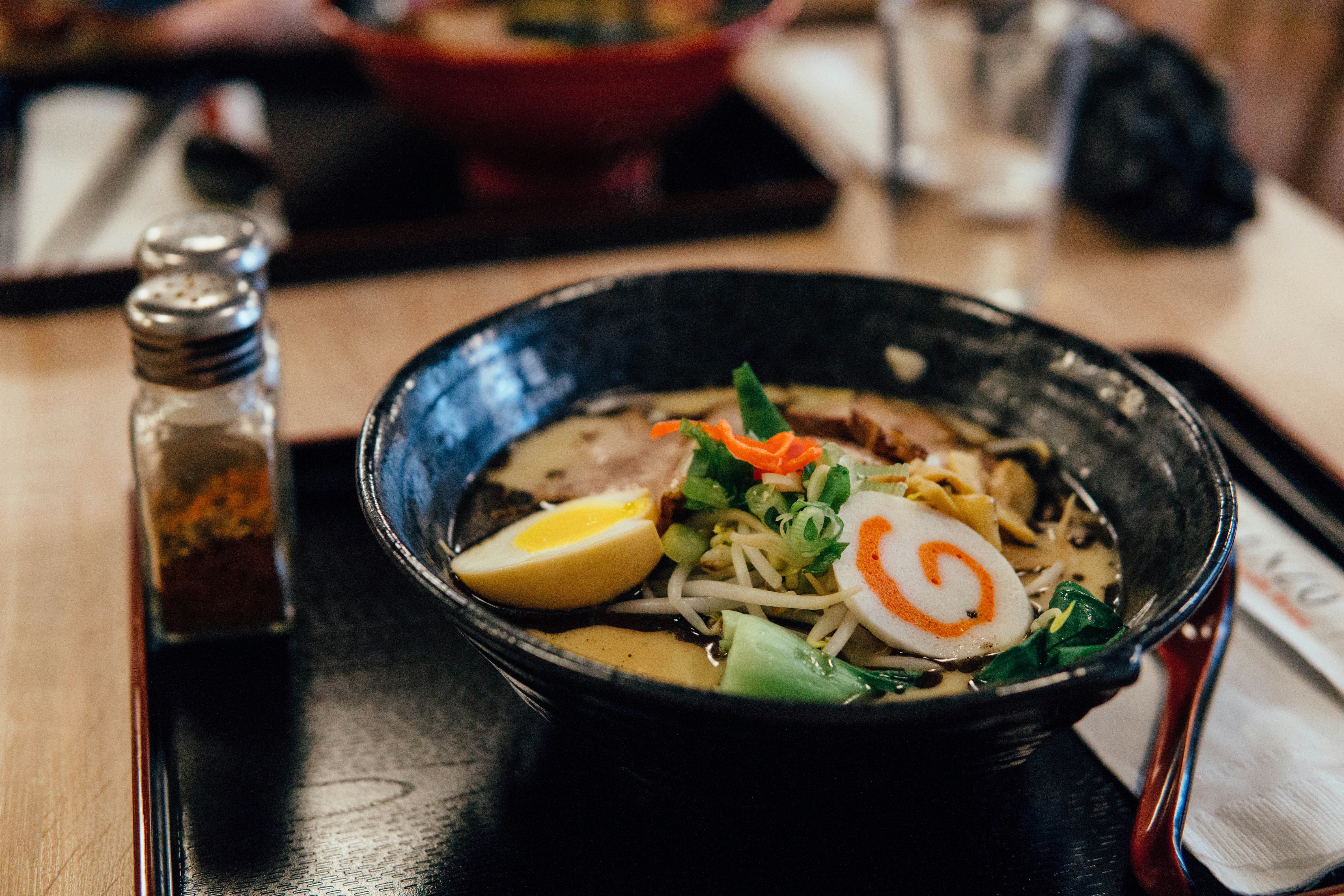
Just outside Tokyo, Kanagawa’s big city Yokohama is home to one of Japan’s most entertaining food attractions. The Ramen Museum in Yokohama lets you sample recipes and dishes from all over Japan in one easy-to-access spot just an hour outside Tokyo. It sounds touristy, and it is, slightly, but the ramen is genuinely great. You can do a mini ramen crawl across Japan without leaving one building. For Indians visiting Japan, this is an ideal, low-pressure introduction to ramen styles across different regions.
Yokohama is also famous for its Chinatown, the largest in Japan, where you can eat shumai (steamed dumplings) fresh from street-side stalls. Simple, juicy, and cheap.
Also Read: How To Make Wine At Home With Just Yeast, Fruit, And Sugar
AICHI (NAGOYA): The Underrated Food Capital
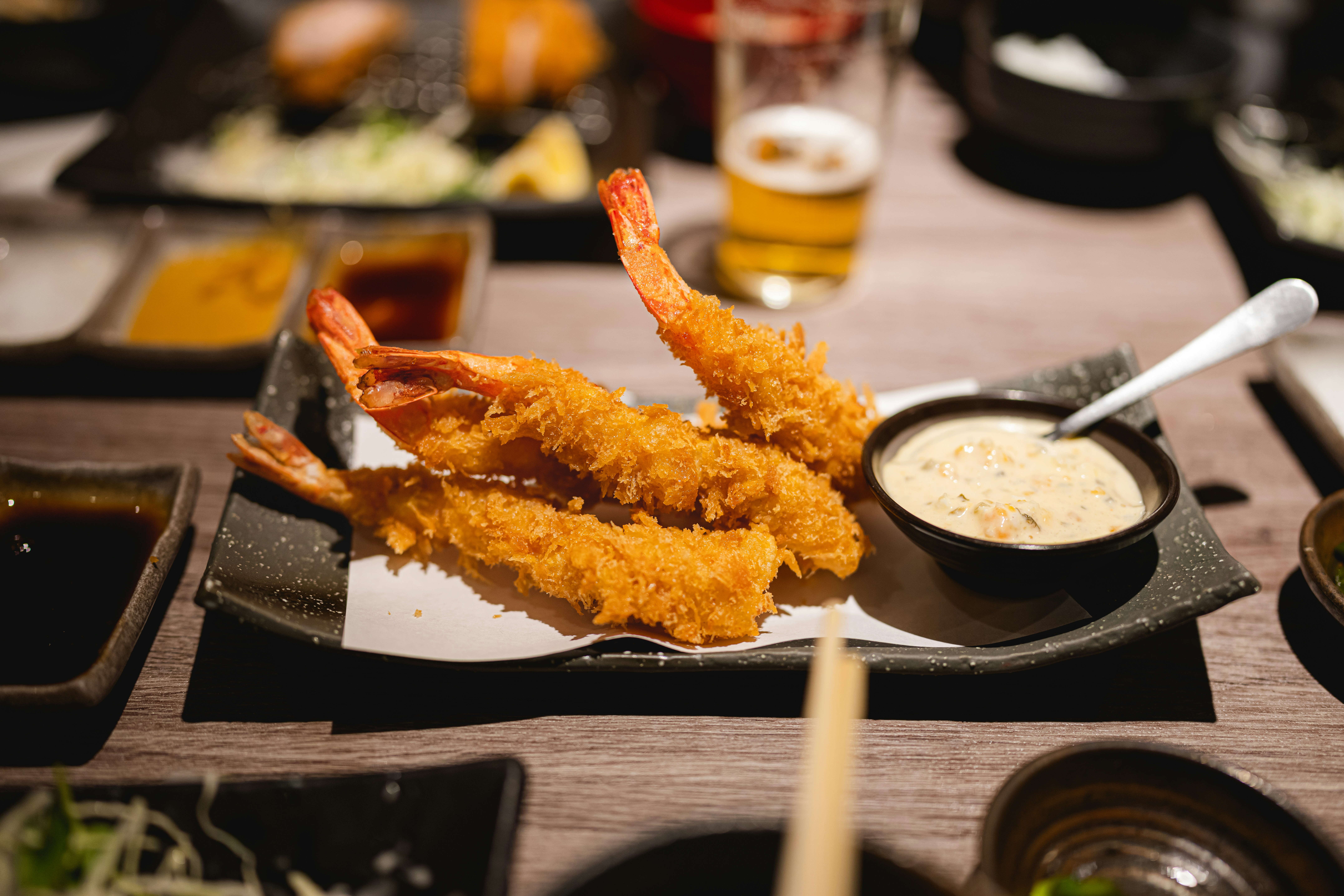
Nagoya, often overlooked by tourists, boasts a unique food culture known as Nagoya Meshi. Begin with Miso Katsu, a breaded, deep-fried pork cutlet smothered in a rich, slightly sweet miso sauce made from locally aged hatcho miso. This dish offers a savoury experience unlike any other katsu sauce. Next, indulge in Ebi Furai, Nagoya’s cherished deep-fried tiger prawns, typically served with the same miso sauce. The prawns are coated in panko, a light Japanese bread crumb that absorbs less oil, resulting in a crunchy exterior and juicy interior. Lastly, don’t miss Nagoya’s breakfast tradition. Ogura Toast, thick white bread topped with butter and sweet red bean paste, is a staple. Many morning coffee shops, or Kissaten, offer this delightful treat for free with your coffee, making breakfast in Nagoya a unique experience.
OSAKA (KANSAI): The Belly of Japan
If Tokyo is the head of Japan, Osaka is the belly. And the belly is where all the best stuff happens. Osakans have a concept called Kuidaore, which roughly translates to “eat until you drop.” That is the assignment here.
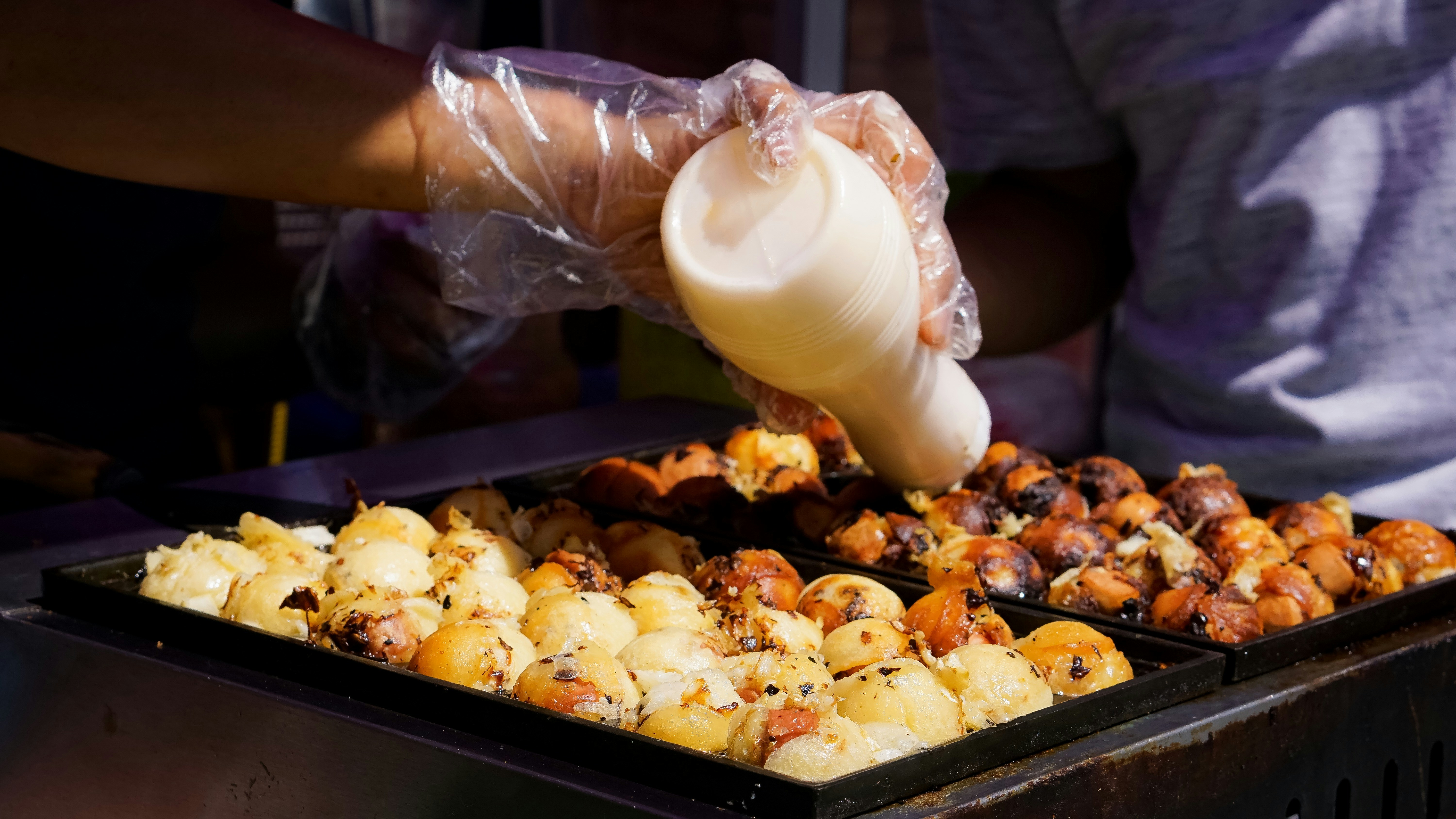
Takoyaki is where you start. Takoyaki are balls of meat made from octopus, deep fried in cheese and other delicious ingredients, especially good when accompanied with some chilli sauce. You eat them piping hot off the griddle, topped with mayonnaise, bonito flakes, and a sweet, savoury sauce, standing on Dotonbori street while people-watching. This is Osaka in one bite.
Next is Okonomiyaki, often called a Japanese savoury pancake. Cabbage, batter, egg, your choice of meat or seafood, all mixed and griddled. The name means “cook what you like” and that is exactly what this is: free-form, casual, and absolutely delicious. Go to a place where you cook it yourself at the table. The whole process is part of the fun.
Osaka is also where you drink your first Asahi or Sapporo on draught with grilled skewers of chicken, called Yakitori, on a side street. This is an izakaya evening done right, and for Indians who enjoy a beer, this combination is easy to love.
KYOTO (KANSAI): Where Food Becomes Art
Kyoto is elegant, restrained, and deeply traditional. The food here reflects all of that.
Kaiseki is the experience to have, if your budget allows it. It is a multi-course meal rooted in the Japanese tea ceremony tradition, where every dish is seasonal, local, and presented like a painting. You do not just eat kaiseki, you experience it. Even a simplified kaiseki lunch at a mid-range restaurant in Kyoto gives you an idea of how seriously this city takes the philosophy of food.
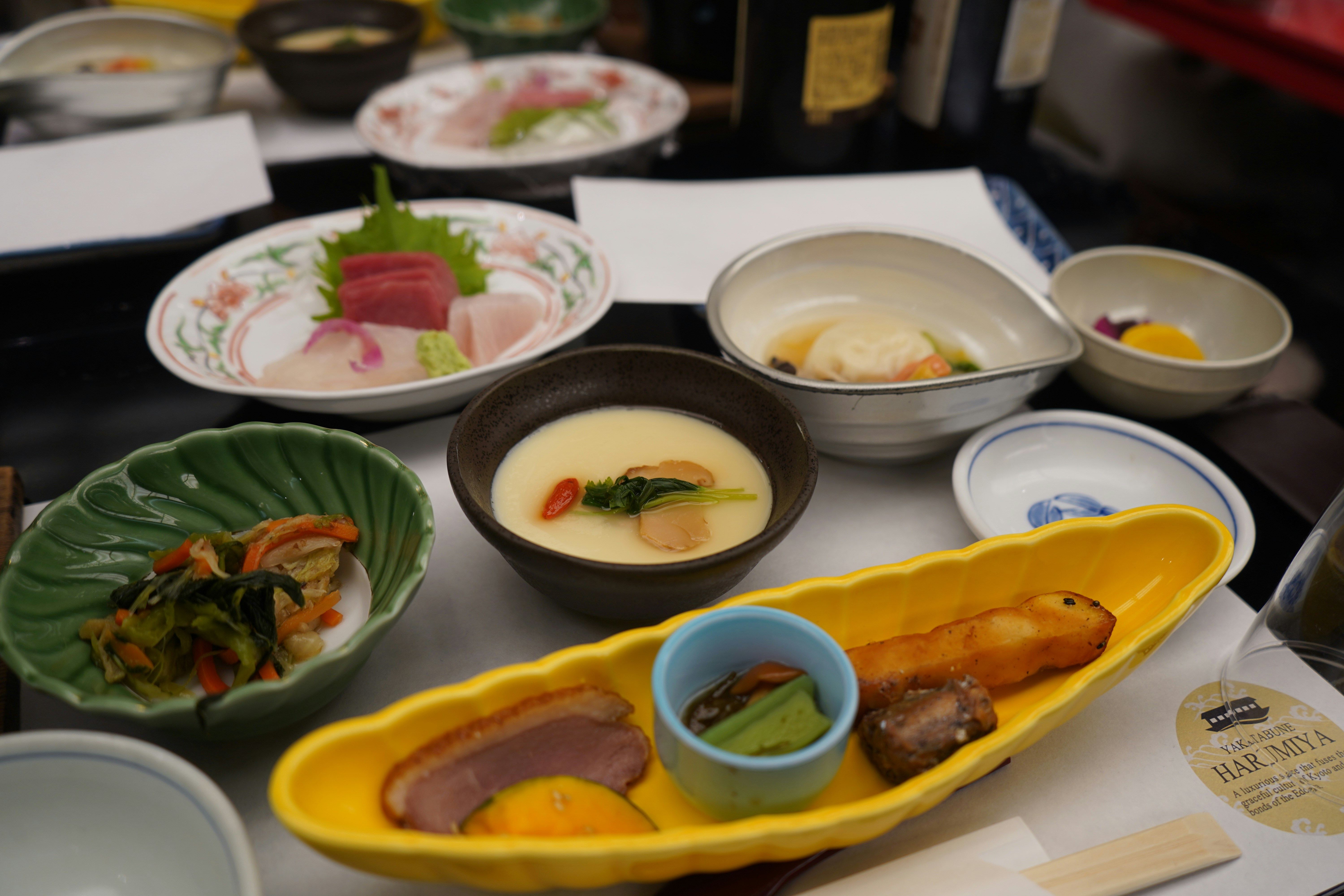
Yudofu is Kyoto’s other signature dish, and it is quiet in the best way. It is tofu, simmered in a gentle kombu kelp broth, served with dipping sauces. Kyoto is famous for its extremely high-quality tofu, and this dish lets you taste that quality without anything in the way. Great for vegetarians, and genuinely lovely. Most temples near the Nanzenji area have restaurants that serve this.
Also, do not skip Matcha everything. Matcha tea, matcha ice cream, matcha Kit-Kats, matcha mochi. Kyoto is matcha headquarters, and this is non-negotiable.
Also Read: How To Make No Sugar Mishti Doi At Home: Step-By-Step Recipe
HIROSHIMA: One City, One Iconic Dish
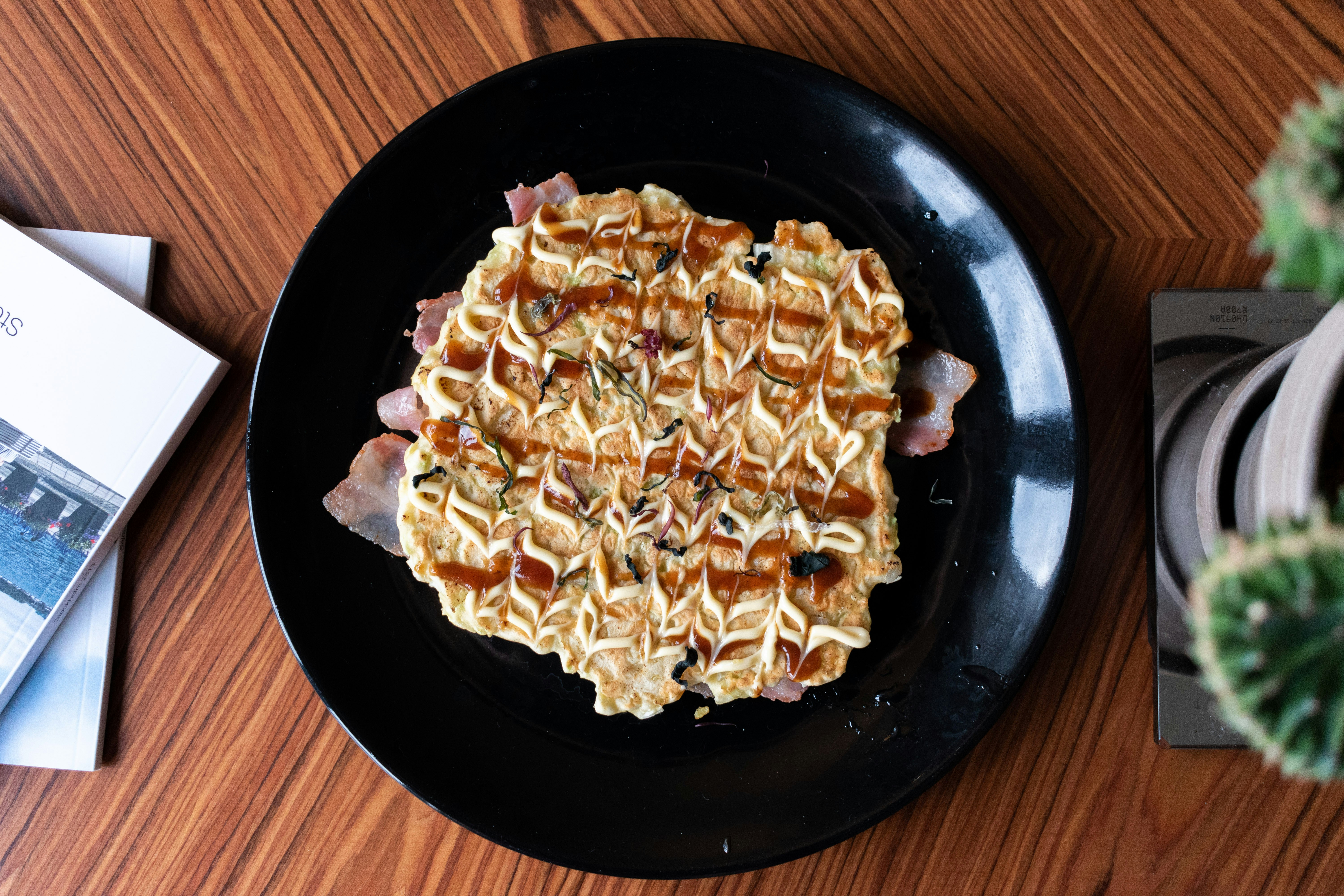
Hiroshima-style Okonomiyaki is a thing entirely of its own, and Hiroshimans will tell you, politely but firmly, that it is superior to the Osaka version. The difference? Hiroshima layers its okonomiyaki rather than mixing it. Layers of batter, cabbage, noodles, and egg, pressed flat and cooked to order. There are entire buildings in Hiroshima (Okonomimura, literally “Okonomi Village”) with multiple floors of okonomiyaki stalls, all competing to make the best version. Go hungry.
FUKUOKA: Ramen, Street Food, and Late Nights
Fukuoka in Kyushu is Japan’s street food capital and a city that genuinely never sleeps, food-wise.
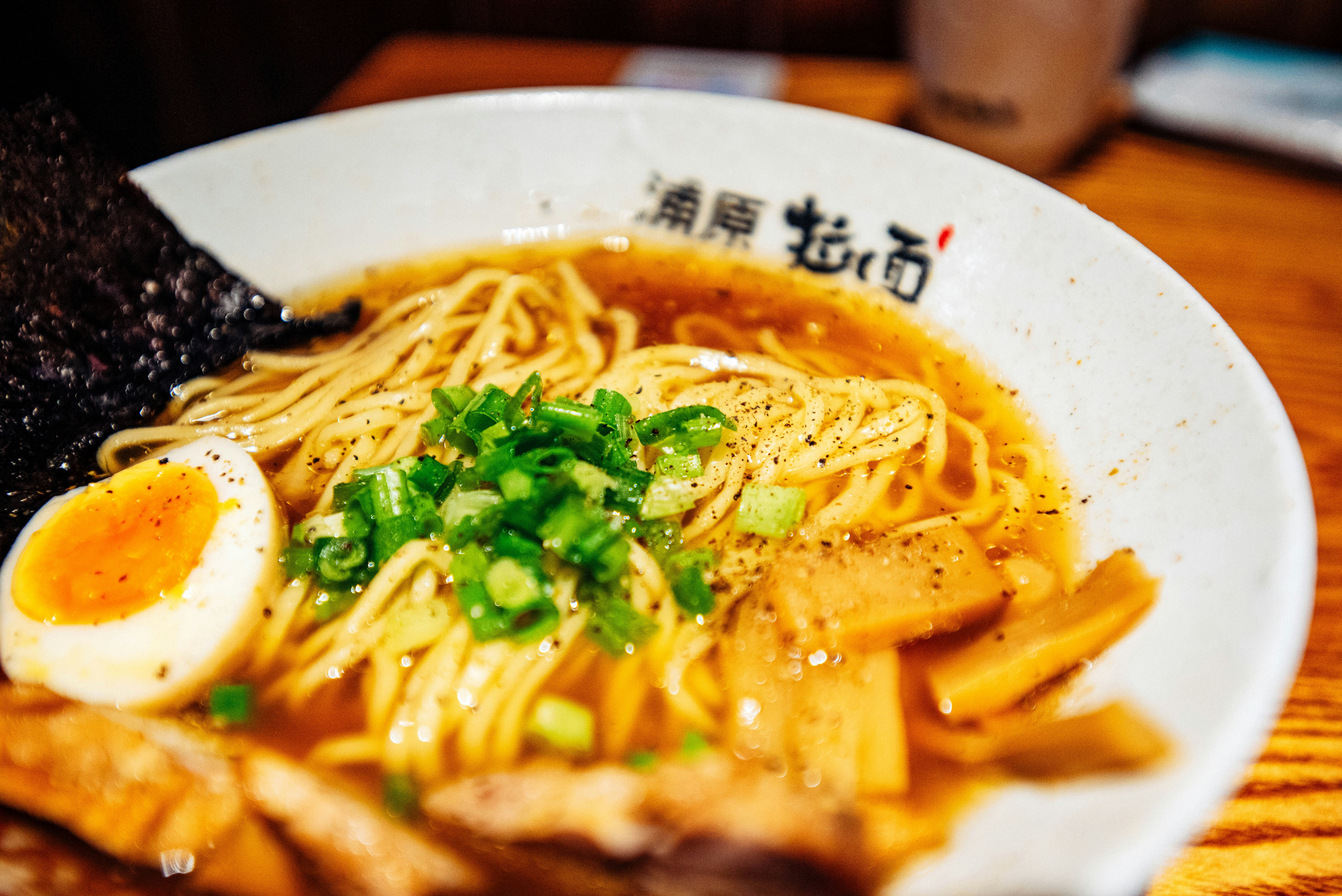
Hakata Ramen is the dish that put Fukuoka on the map. This is tonkotsu ramen, a milky, intensely porky broth made by boiling pork bones for hours until they break down completely. The broth is rich and almost creamy, served with thin straight noodles and a slice of chashu pork. Fukuoka locals eat this at yatai, which are open-air street stalls set up along the river at night. Sitting outside at a tiny wooden stall, eating ramen under the sky, is one of the great travel experiences of Asia.
Also, try Mentaiko, which is spicy marinated pollock roe. It is used here the way we use pickle, spread on everything. Try it on white rice, on toast, inside an onigiri. It is salty, spicy, and deeply addictive.
HOKKAIDO TO KYUSHU: A Quick Note On Japanese Whiskey
No Japanese food trail is complete without at least a mention of Japanese whisky, which has become one of the most respected in the world. Brands like Suntory’s Yamazaki and Nikka from Hokkaido are the big names. If you are visiting a whisky bar in Tokyo or Kyoto, try a highball (whisky with soda water), it is the Japanese way to drink it and genuinely refreshing alongside food. But do not overthink it. Order what the bartender recommends and enjoy.
The Unmissable Food Trail
Japan rewards curious eaters. Every city, every prefecture, every tiny side-street stall has something worth stopping for. The beauty of eating your way through Japan is that it is never really about one famous dish. It is about the cumulative experience: the care in every bowl, the freshness of every ingredient, the quiet pride that goes into even the most everyday meal. The food in Japan really is some of the best anywhere in the world, and for the most part, it doesn’t break the bank. For Indian travellers making the journey, this is a cuisine that will genuinely surprise you, dish by delicious dish. Start hungry. End full. And then go back for more.
Source link
[ad_3]

