
Last Updated:
From Kannauj’s itr units to Firozabad’s bangle shops, price rise, caste equations and law and order shape voter sentiment in UP’s Yadav belt ahead of the 2027 polls




Inside one of the narrow lanes of Firozabad’s bangle market, a fierce debate unfolds over the government’s economic record and its law-and-order credentials. (News18)
Imagine a circular market lined with shiny white pillars, youngsters streaming into a café, ordering their favourite flavours of coffee, pastries and burgers. The image of Delhi’s Connaught Place might spring to mind immediately. But this is nearly 350 kilometres from the national capital, in a UP “village” called Saifai.
The home turf of Mulayam Singh Yadav, Saifai, with its medical colleges, clock tower, airstrip and stadiums, puts many Indian towns to shame. It is symbolic of what Samajwadi Party rule brought to the region popularly known as the Yadav belt, stretching from Kannauj, the city of ‘itr’ (perfume), to Firozabad, the city of bangles.
Kannauj, Etawah, Mainpuri, Etah, Firozabad—election after election, this belt sent members of the Yadav clan, including Mulayam, Akhilesh, Dimple, Shivpal, Ram Gopal, Akshay and Tej Pratap, to the UP Legislative Assembly, Lok Sabha and Rajya Sabha.
But 2014 changed the political dynamics here. The SP suffered a massive jolt as Prime Minister Narendra Modi swept to power. Three years later, the Yogi Adityanath juggernaut dealt the party another blow. The trend continued through subsequent assembly and Lok Sabha elections until even bastions such as Kannauj slipped away. Akhilesh Yadav reclaimed the seat in the 2024 Lok Sabha elections, and the party hopes to carry that momentum into the 2027 assembly polls.
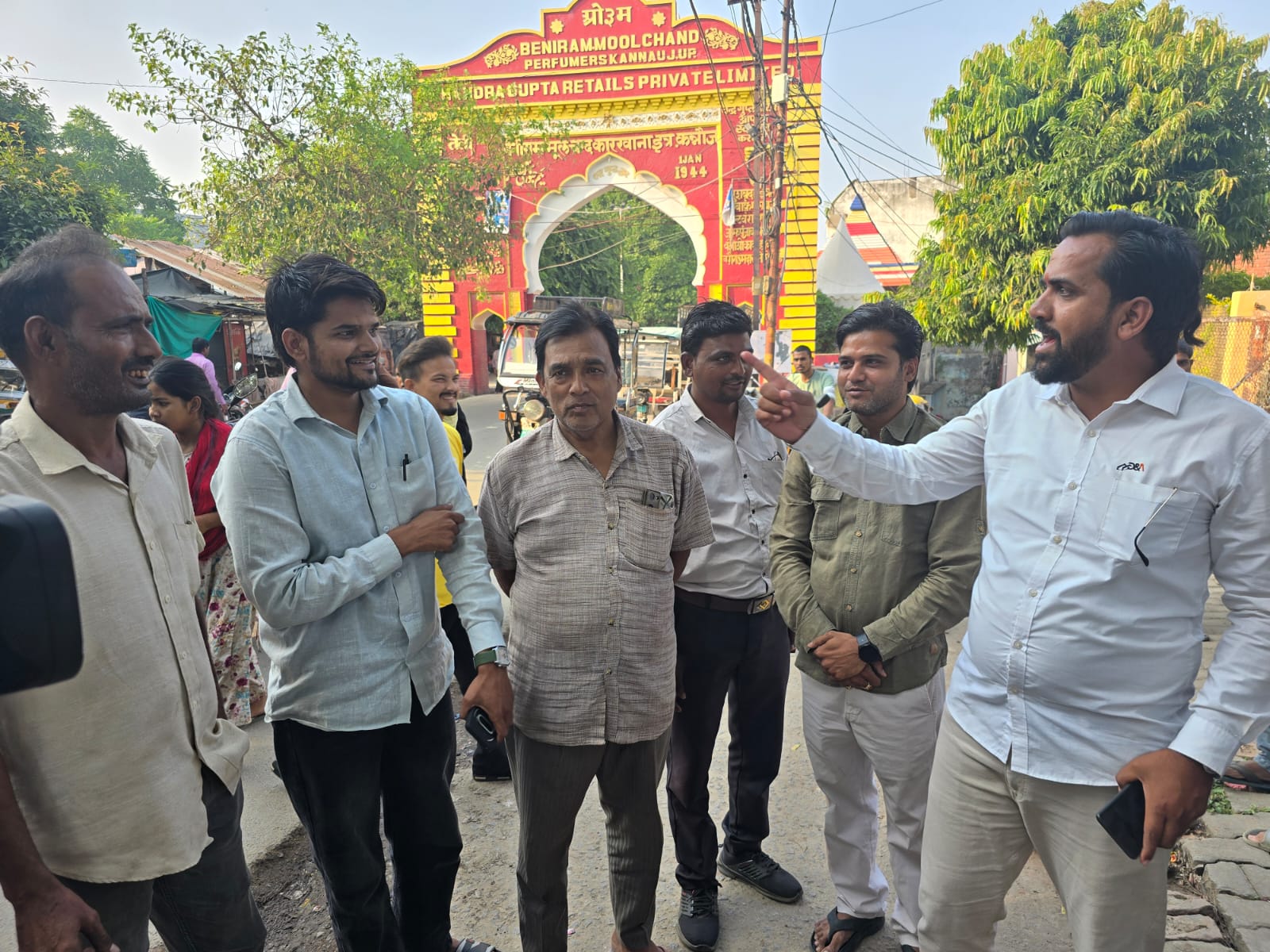
“We have barely seen any progress in the last 10 years. The ‘itr’ park has been stalled. The local hospital that Mulayam Singh built is in shambles. The cancer wing has not been inaugurated. Toilets are unusable,” says Anuj Yadav, a Samajwadi Party supporter in Kannauj.
Most Yadavs in the group discussing politics near the city gate nod in agreement. But Md Azhar has a different take. “Caste politics was the nemesis of this region. That has stopped now,” he says.
Of the three assembly seats in Kannauj, the Sadar constituency, held by IPS officer-turned-minister Aseem Arun, appears to be bucking the anti-incumbency trend.
“It is his first term. People are very happy with his performance. At least I feel that the manner in which he works is very different from what we have seen in the past,” says Rishabh Dixit, an ‘itr’ entrepreneur, speaking about the “afsar mantri”.
Economic Woes
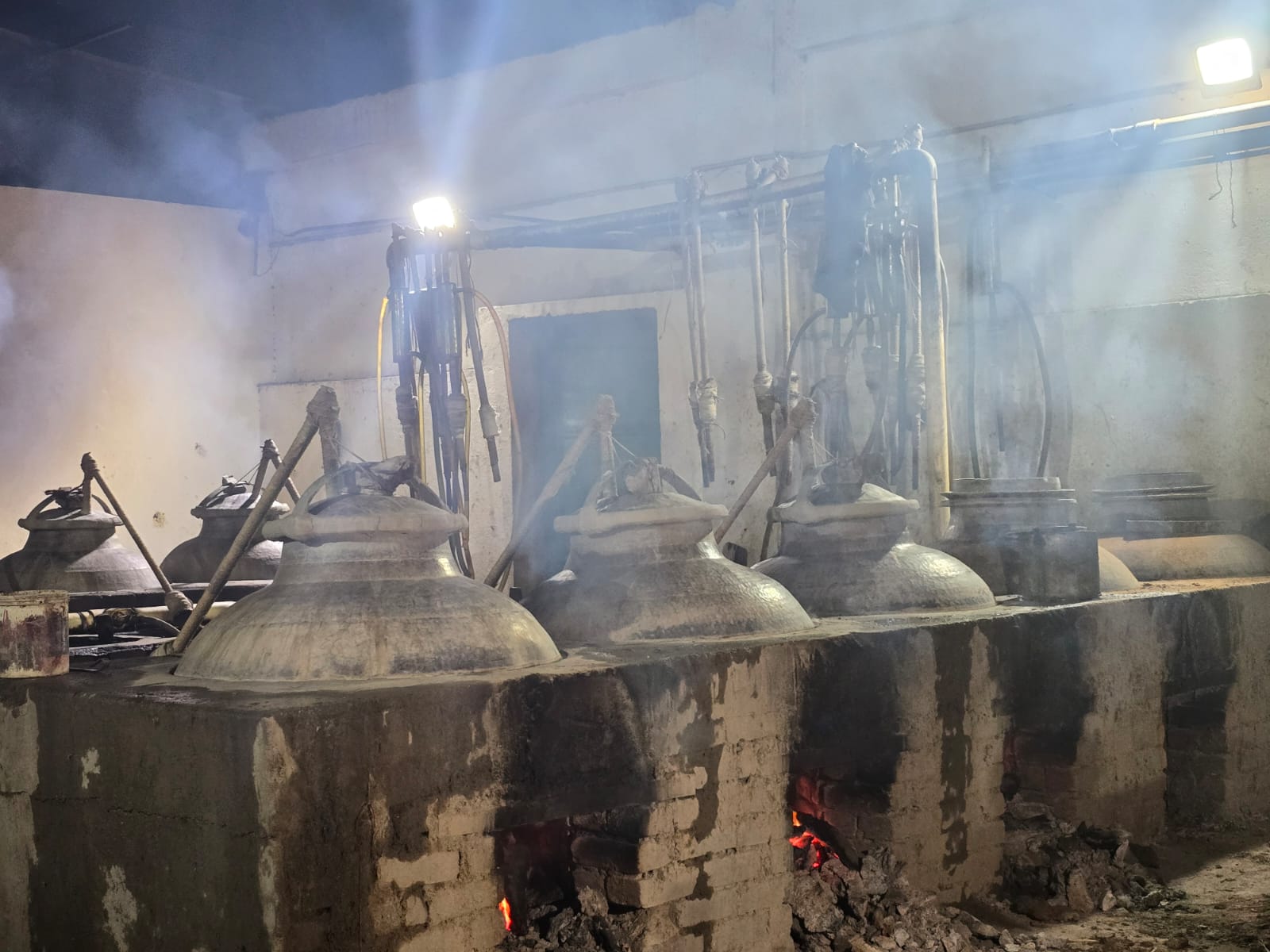
Kannauj has close to 500 family-run ‘itr’ manufacturing units, with almost 80 per cent of the population dependent on the perfume industry for its livelihood. Many in the trade complain that the last two years have broken their back.
Shadab, who runs an ‘itr’ manufacturing unit, says the industry initially benefited from the BJP government’s policies but is now struggling with a combination of tax-related concerns and global uncertainty.
“In 2014, when this (BJP) government came, our work got a huge boost. Policies like the GI tag and MSME credits gave the ‘itr’ economy a push like never before. But the GST regime, coupled with the war in West Asia, has broken our back. Dubai was a big market for us, which is now in shambles.”
Aaqib Javed, an accountant at an ‘itr’ unit, agrees that the government has made some gains but says traders need a more favourable tax regime. “The government has done some good work on law and order but their tax regime must be trader friendly,” he says.
Similar concerns about the impact of economic policies on voter choices are evident in Firozabad. At the country’s largest wholesale market for glass bangles, several shopkeepers have put up signs saying, “No UPI above Rs 5,000″, referring to concerns over a proposed Merchant Discount Rate (MDR) on transactions above Rs 2,000.
When CNN-News18 asked why the signs were up when the policy was yet to be implemented, shopkeepers said they could not risk losing business or profits at the last minute.
Firozabad has a significant Vaishya electorate, traditionally seen as a BJP support base. But inside one of the narrow lanes of the bangle market, a fierce debate unfolds over the government’s economic record and its law-and-order credentials.
“The government had moved us from coal to gas to protect Taj Mahal. Now subsidy has been withdrawn and commercial gas cylinders are scarce and expensive. How will we survive?” argues Ram Gupta, owner of a bangle-manufacturing unit.
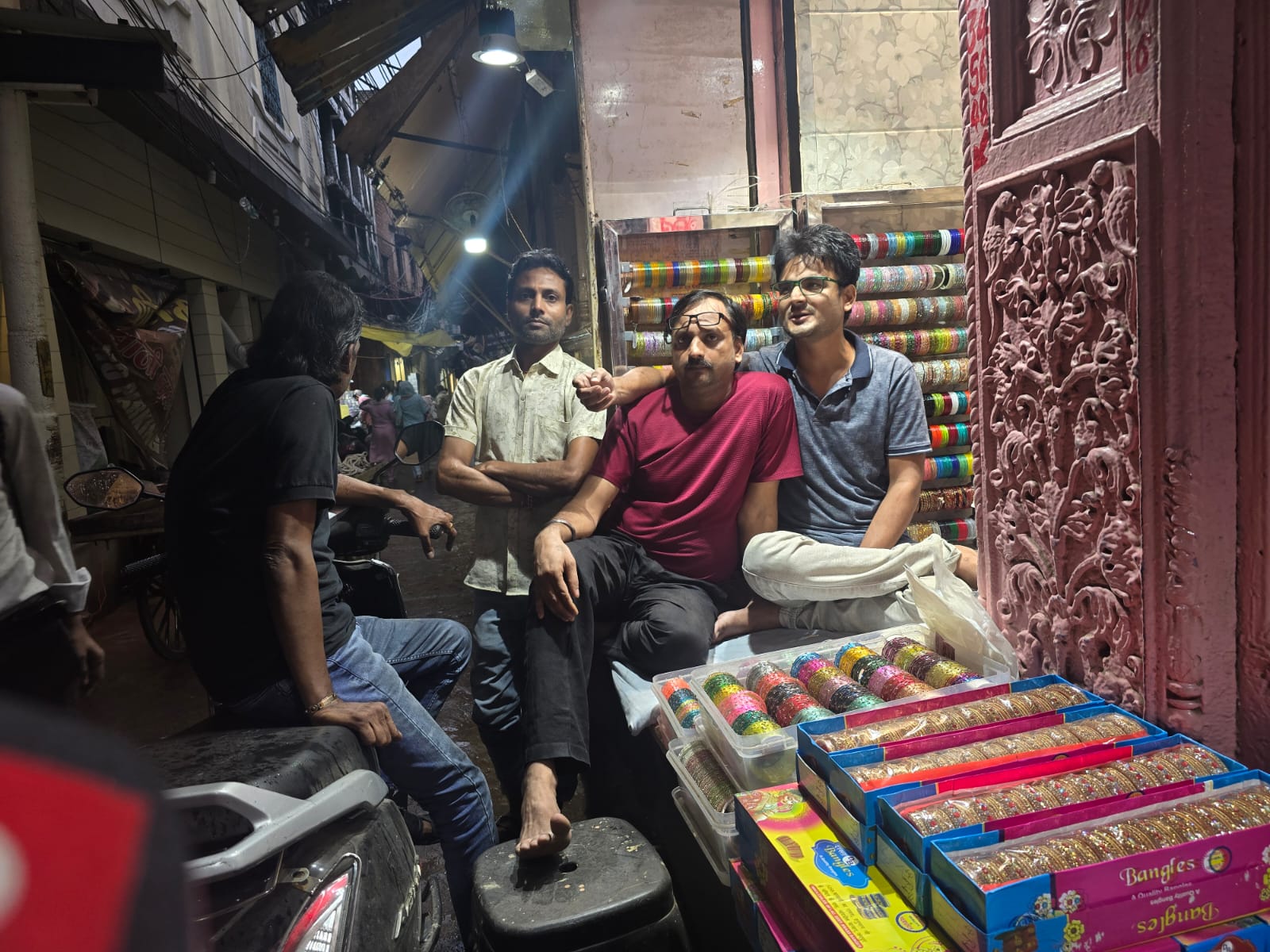
Sonu Shivhare, another bangle entrepreneur, counters him. “The war is not in the hands of the government. What was in their hand was to give us safety and security. Look at the law and order. Have you felt safer before?” he argues.
Caste Factor
The Samajwadi Party has traditionally drawn support in this belt from Yadav and Muslim voters. Since 2014, the BJP’s counter-strategy has centred on consolidating non-Yadav castes. For 2027, Akhilesh Yadav is attempting to broaden the SP’s social base through PDA—Pichhda, Dalit, Alpsankhyak (backward classes, Dalits and minorities).
But the challenge could be manifold. In Etawah, a Jatav voter says he remains committed to the Bahujan Samaj Party (BSP), despite its political decline. “I will vote for Mayawati. I have always voted for her,” he says.
Many Mayawati supporters remain willing to repose their faith in her despite the party’s electoral setbacks.
While some Dalit voters continue to look towards the BSP, Yadav villages across the region are also, by and large, looking towards the Samajwadi Party for 2027. Yet, many voters reject the idea that caste affiliations alone determine their electoral choices.
“If we voted only on caste basis, how did Sheila Dikshit win defeating our community candidate Chhote Singh? How did BJP win 2017?” asks Jadunath, a Yadav voter in the Tirwa assembly constituency.
Across villages in Mainpuri, Kannauj and Etawah, conversations repeatedly return to price rise and the cost of living. But chief minister Yogi Adityanath’s personal image and the improvement in law and order receive a thumbs-up in many quarters.
“Yogi baba, Modi ji is doing a lot of misleading work. [Yogi Adityanath and PM Modi are doing good work],” says a vegetable seller at a local ‘haat’ near Mainpuri.
Ask voters about allegations of ‘chanda chori’ [donation theft] at the Ayodhya Ram temple or the Opposition’s claims of ‘vote chori’ [voter fraud]and many dismiss the issues as irrelevant to their everyday concerns.
“What has been stolen has also been caught.” [Even if there was a theft, it was eventually uncovered],” says Ram Naresh, summing up the mood even as the Opposition hopes to make these issues count politically.
As the 2027 assembly elections draw closer, the conversations across the Yadav belt point to a contest shaped by competing concerns: economic distress among traders, enduring caste loyalties, the SP’s efforts to widen its social base and the BJP’s continuing appeal on law and order. Whether these competing narratives translate into votes will become clearer as the campaign gathers pace.
Quick Answers
 Ask News18
Voters and traders in the Yadav belt face economic distress, including tax-related concerns under the GST regime for Kannauj’s ‘itr’ units and high commercial gas prices for Firozabad’s glass bangle makers. Meanwhile, the Samajwadi Party hopes to maintain its 2024 Lok Sabha momentum for the 2027 polls, while the BJP relies on its law-and-order record and outreach to non-Yadav castes.
Ask News18About the Author

Arunima is Editor (Home Affairs) and covers strategic, security and political affairs. From the Ukraine-Russia War to the India-China stand-off in Ladakh to India-Pak clashes, she has reported from gr…Read More
Kannauj, India, India
October 29, 2026, 10:06 IST
Read More
Source link
[ad_3]

