
tel aviv11 minutes ago
- copy link
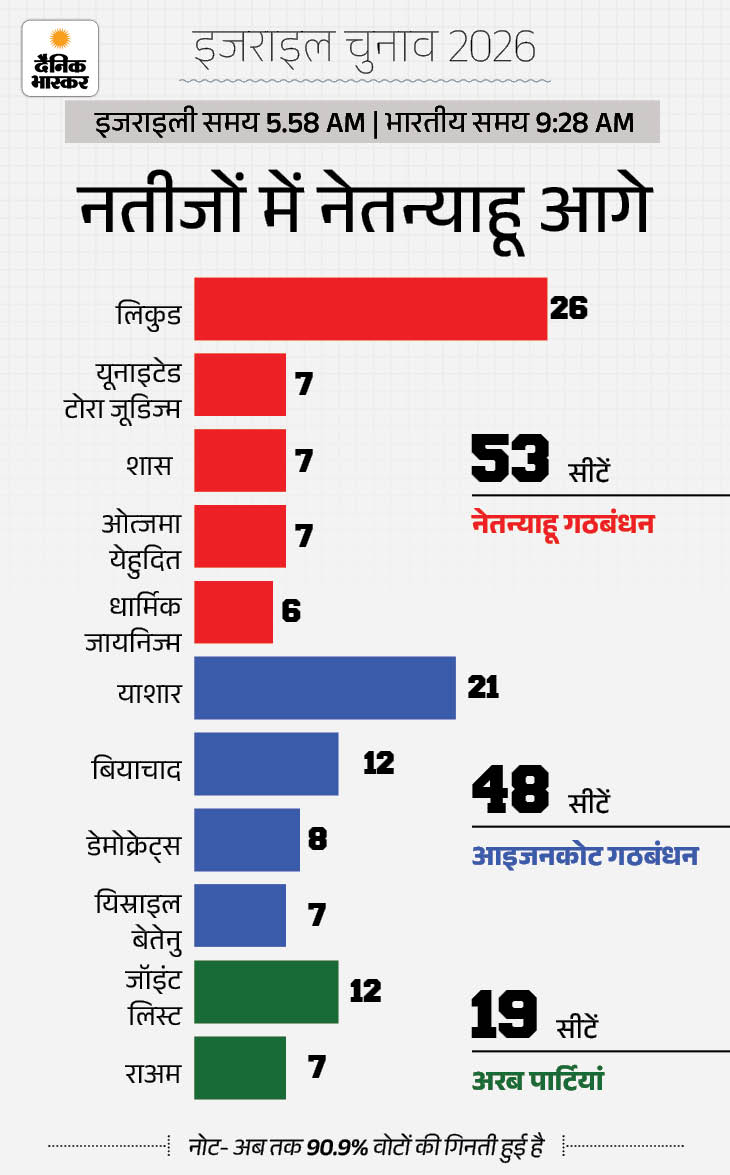
More than 90 percent of vote counting has been completed in Israel. Even after this the path to form the government has not been cleared. The coalitions of both Prime Minister Netanyahu and opposition leader Gadi Eiseenkot are far from a majority.
There are 120 seats in the Israeli Parliament. At least 61 seats are required to form the government. However, Netanyahu can form the government even if it has less seats than this. For this, they do not even need the Arab parties that have emerged as kingmakers with 19 seats.
The hopes of the Gadi Eiseenkot coalition, which is trying to remove Netanyahu from power, also remain intact. This alliance, which is leading in 48 seats, has three ways to form the government.
Netanyahu’s 3 options
1. Gathering support from opposition camp MPs
Netanyahu may try to bring with him any party included in the opposition coalition or some of its MPs. For this, they may need to propose to join the government or accept some of their demands. If some MPs from the opposition camp support Netanyahu in the confidence vote or abstain from voting, it may make it easier for them to form the government.
However, opposition leaders had set the goal of removing Netanyahu from power in the elections. Therefore, it may be politically difficult for one of his allies to side with Netanyahu. There is no confirmation yet on the change of any particular opposition leader.
2. Forming a national unity government
Netanyahu may also try to form a national unity government with other parties. This may include some opposition leaders along with his existing right-wing and religious allies. The role of leaders like former Prime Minister Naftali Bennett or Gadi Eiseenkot can be important in this option.
But for this there will have to be a compromise on the post of Prime Minister, rules related to military service and other policies. Political differences between Eiseenkot and Netanyahu are a major obstacle to this path. Moreover, Netanyahu’s far-right allies may not necessarily approve of sharing power with opposition leaders.
3. Running a minority government
The third option is to form a government that does not have 61 seats in its alliance but wins the trust vote. For this it is not necessary that Arab parties join the government. If they abstain from voting or do not vote against the government, the government can win the trust vote based on the number of MPs present and voting in Parliament.
However, this option does not guarantee stability to the government. Netanyahu will have to garner support in parliament for budget, legislation and other major decisions. If the opposition parties unite and vote against the government, their government may be in trouble.
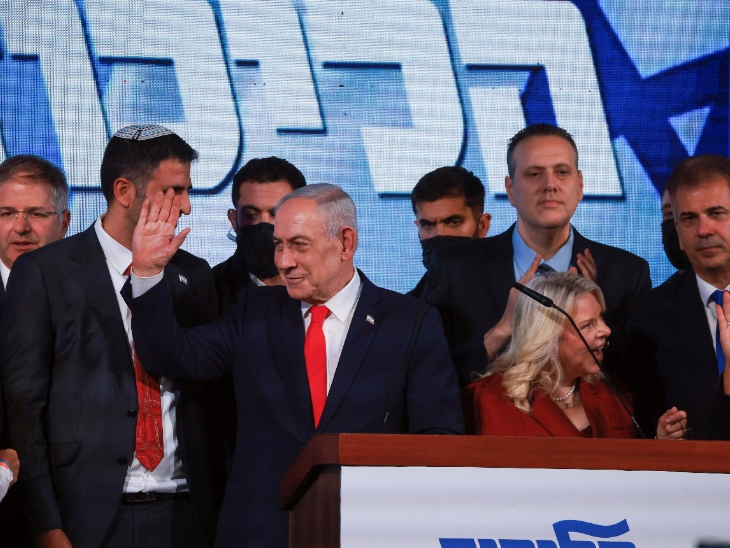
Prime Minister Benjamin Netanyahu arrives at the Likud party’s election headquarters in Jerusalem with his wife Sara. The picture is of 28 October 2026.
What are the routes in front of Eiseenkot?
The biggest challenge for Aizencott is that his camp’s 48 seats are far less than the majority. By adding the 19 seats of Arab parties, the anti-Netanyahu camp could theoretically have 67 seats. But many Jewish parties are against formal coalitions or agreements with Arab parties.
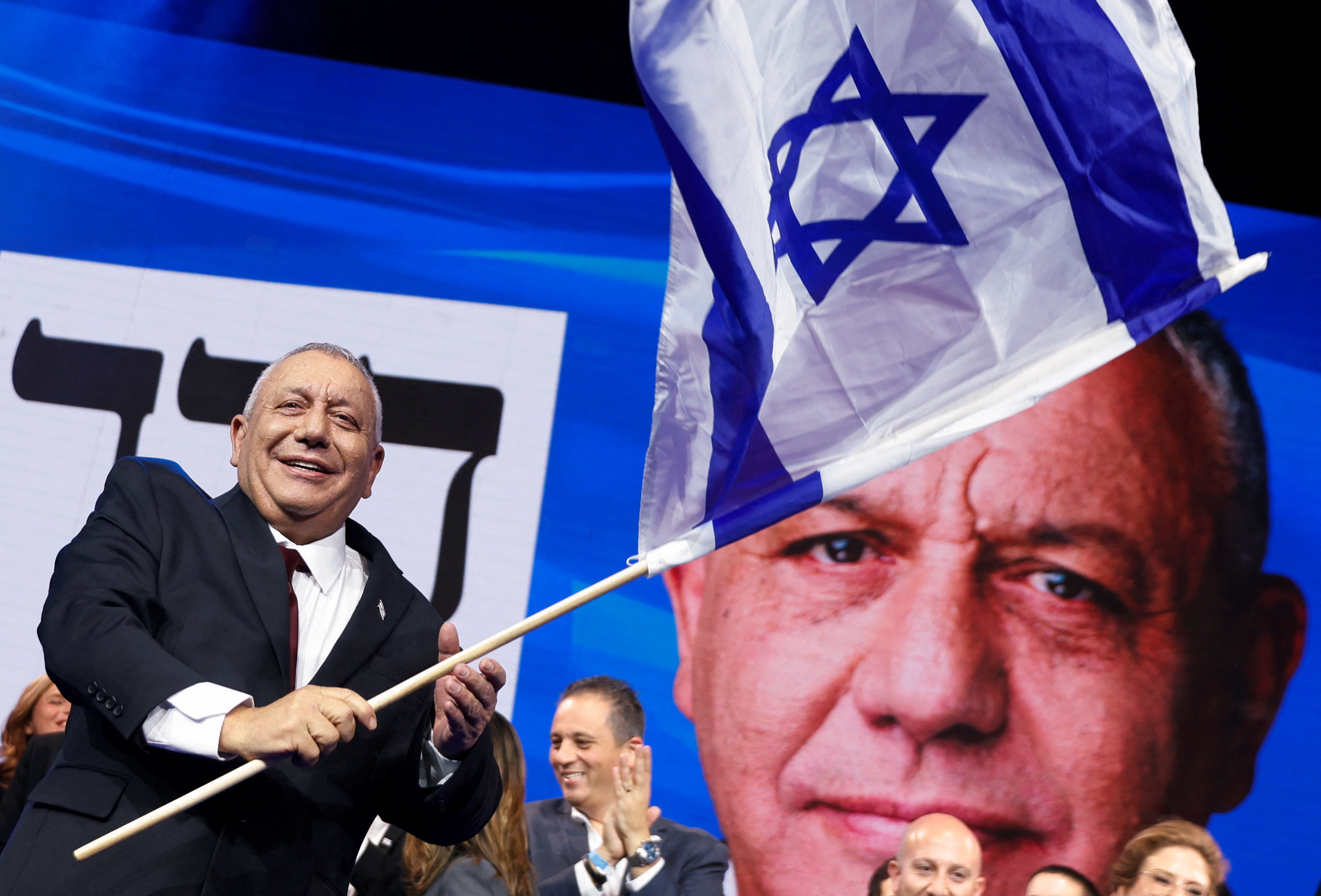
Yashar Party leader Gadi Eiseenkot waves the Israeli flag in Tel Aviv after preliminary election results were announced. The picture is of 28 October 2026.
Aizenkot also has three options…
First, they can try to form a government with the support of Arab parties. These parties can support the government in the trust vote even without joining it. But this path is difficult due to objections from right-wing allies.
Second, they may try to bring some MPs from Netanyahu’s current coalition to their side. This may help them garner a majority, but for this they will have to persuade those MPs to separate from their political allies.
Third, they can try to form a minority government which will get the support of other parties in the Parliament as per the requirement. However, leaders such as Avigdor Liberman have objected to the option of a minority government. Therefore, it will be necessary to build consensus in the opposition camp on this path also.
What will happen next?
After the elections, President Isaac Herzog will talk to leaders of different parties and then give a chance to one leader to form the government. Alliance talks will be important as both the major camps are far from majority. If no leader is successful in forming a government, the political deadlock may increase and there may be a need for re-election.
Overall, Netanyahu has options to remain in power despite not having a 61-seat coalition. At the same time, the challenge for Aizencott is to find a way to form a government by bringing together parties with different ideologies. The most important thing for both the leaders will be to garner support in the Parliament and maintain it.
————————–
Read this news also….
Bolsonaro, who lost the presidential election in Brazil, fled to America: along with his wife and two daughters; Government canceled passport

After losing the presidential election in Brazil, right-wing leader Flavio Bolsonaro has left for America. According to Reuters, an associate of Flavio confirmed this on Tuesday. The government has also canceled his passport. Read the full news here…

Source link
[ad_3]

