
Somewhere in the back of your mind, you probably assumed winemaking was reserved for French châteaux, rolling Italian vineyards, and people who say things like “notes of dark cherry and aged oak.” But here is the truth: wine is just fermented fruit juice, and humans have been making it at home long before bottles had labels. You do not need a vineyard. You don’t need a fancy setup. All you really need is fruit, sugar, yeast, and a clean jar. This article will walk you through exactly how it is done, step by step, without making it more complicated than it needs to be.
First, Let Us Talk About What Wine Actually Is
Wine is yeast consuming sugar to produce alcohol. Add yeast to fruit, water, and sugar; yeast converts sugar to alcohol and carbon dioxide. Fruit provides flavour, and sugar increases alcohol content. Fermentation is common, seen in kanji, dahi, and vinegar. Wine is simply a festive fermentation.
Also Read: 6 Cold Soups That Are Perfect for the Indian Summer
A Quick Word on India’s Homemade Wine Tradition
India has a rich, unspoken tradition of homebrewing, passed down through generations in kitchens and courtyards. In the Western Ghats and Kerala, homebrewing is deeply rooted in culture, with drinks from palm sap, cashew apples, and other fruits ranging from mildly fizzy to high alcohol. Munthiri wine, a grape wine, is lovingly brewed in homes across the Western Ghats. In Goa, fruit wines from cashew apple, kokum, and jackfruit coexist with feni. Tamil Nadu and Karnataka see home wines from pomegranate and jamun during harvest. With abundant seasonal fruits, homebrewing in India is accessible and rewarding.
What You Need Before You Begin

You do not need a winemaking kit to get started. But you do need a few things sorted before you begin.
Cleanliness is everything
This cannot be stressed enough. The single biggest reason homemade wine goes wrong is contamination. Any bacteria or wild yeast from an unwashed jar can ruin your batch by making it taste like vinegar or worse. Wash every bowl, jar, spoon, and your hands thoroughly before you start. If you have access to sterilising tablets (available at homebrew shops or pharmacies), use them. If not, hot water and soap followed by a thorough rinse works fine.
The right yeast
You have a few options here. Active dry yeast (the kind sold for bread-making, like Gloripan or similar brands available in Indian grocery shops) will work for a quick, basic wine. Wine yeast, which you can order online or find at homebrew suppliers, will give you a cleaner, more controlled ferment with better flavour. Bread yeast tends to produce a slightly more rustic, rougher result. Wine yeast is more predictable. For a beginner making their first batch, bread yeast is perfectly fine.
When it comes to adding yeast, you can either sprinkle dried yeast directly on top of the juice or rehydrate it first by dissolving it in a small amount of warm water at around 100 to 105 degrees Fahrenheit, letting it stand for 15 minutes, and then adding it to the juice. Rehydrating is the more careful approach, but sprinkling directly works too, especially for beginners.
Avoid juice with preservatives
The preservatives in juice would kill off the yeast. If you are using packaged juice, read the label and make sure it does not contain potassium sorbate or sodium benzoate. If you are using fresh fruit, you are fine.
You need at least some sugar
The juice needs to have enough sugar for the yeast to produce alcohol. Fruit has its own natural sugars, but you will usually need to add more, especially if you want any real kick to your wine.
The Main Recipe: Easy Homemade Grape Wine
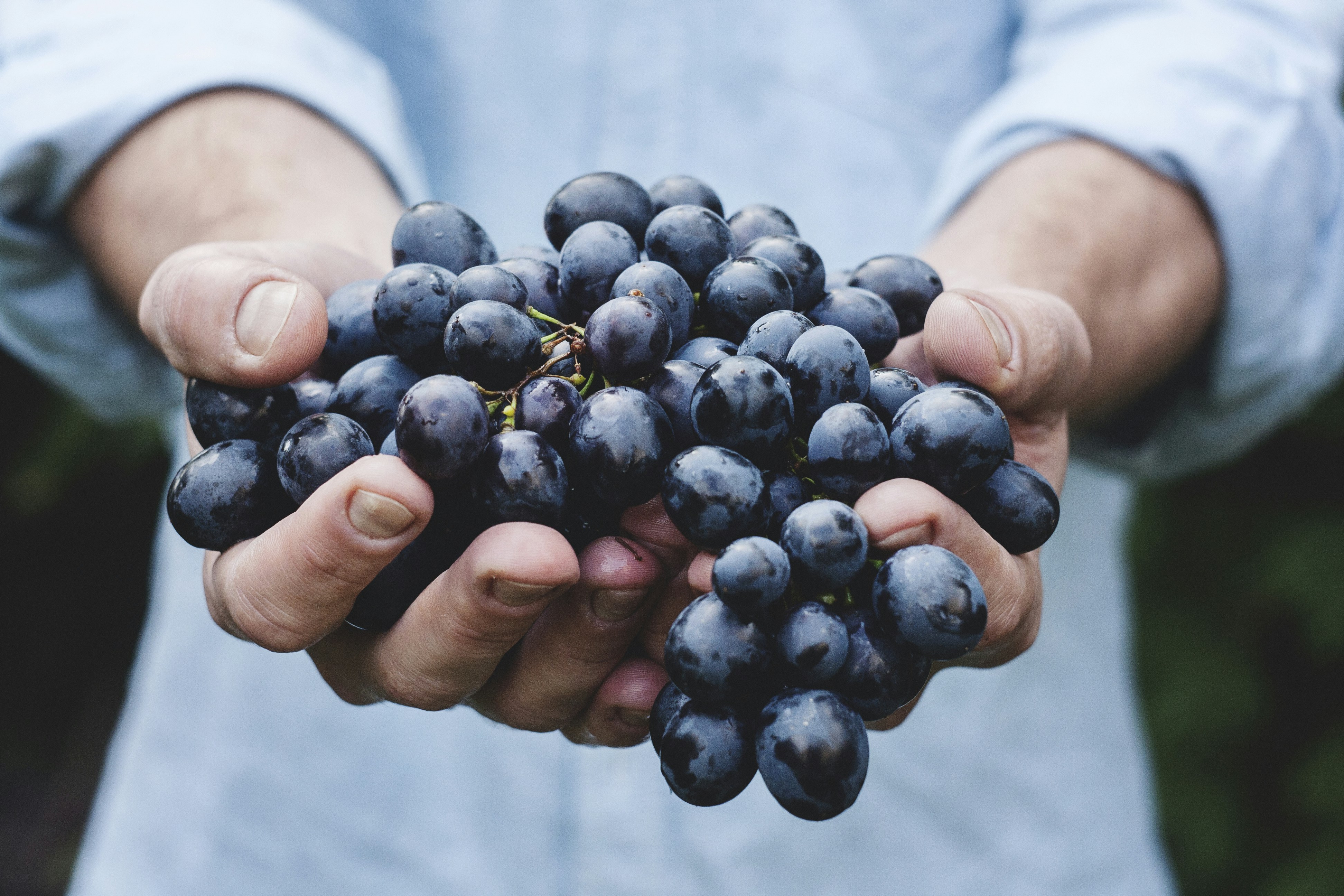
Grape is the classic starting point, and for good reason. It has the right balance of natural sugar and acidity, it ferments predictably, and it tastes like wine when it is done. This recipe works with fresh grapes (black or red preferred) or with 100% grape juice from a carton. The fresh fruit version takes more effort but gives a better result.
What You Need (makes approximately 1 litre):
- 500g fresh black or red grapes, washed and destemmed (or 1 litre of preservative-free grape juice)
- 150 to 200g granulated white sugar (adjust based on how sweet your grapes are)
- 1/4 teaspoon active dry yeast or wine yeast
- 2 cups filtered water (if using fresh grapes)
- 1 clean glass jar of at least 1.5 litre capacity, with a loose lid or cloth cover
Method
Step 1: Prepare the Fruit
If using fresh grapes, wash them well and remove the stems. Place them in a large, clean bowl and crush them thoroughly with your hands or the back of a clean spoon. You want all the juice released and the skins broken. Do not use a blender as it pulverises the seeds, which makes the wine bitter. Crushing by hand is traditional and works perfectly.
Transfer the crushed grapes and all their juice into your clean glass jar.
Step 2: Add Sugar and Water
Add the sugar to the jar. If using fresh grapes, add the 2 cups of filtered water as well. Stir everything together until the sugar is mostly dissolved. Taste the mixture. It should be noticeably sweet, more so than you might expect for a drink, because the yeast is going to eat much of that sweetness and convert it to alcohol.
Step 3: Add the Yeast
This is where the magic begins. Sprinkle the yeast over the surface of the juice mixture and give it a gentle stir. Alternatively, dissolve the yeast in 2 tablespoons of warm (not hot) water, let it sit for 15 minutes until it starts to foam slightly, and then add it to the jar. Either method works.
Step 4: Cover and Wait
Cover the jar loosely. Do not seal it tight. The fermentation process produces carbon dioxide, and if the jar is sealed airtight, the pressure will build up and you will have a mess on your hands (or worse, a broken jar). A piece of clean muslin cloth secured with a rubber band works well. A loose lid also works. If you have a small hole or gap for gas to escape, you are good.
Place the jar somewhere dark and at room temperature (between 25 and 30°C is ideal for Indian conditions). Keep it away from direct sunlight.
Step 5: Stir Daily for the First Week
For the first 5 to 7 days, open the jar once a day and give the contents a good stir with a clean spoon. You will notice bubbling, which means your yeast is alive and working. You will also see the grape skins floating to the top. Push them back down when you stir. This daily stirring is called punching down the cap, and it helps extract colour and flavour from the skins while keeping things moving.
The mixture will smell yeasty and slightly alcoholic within a couple of days. That is exactly right.
Also Read: What Exactly Are Electrolytes, And Why Are They Important In Summer?
Step 6: Strain and Rest
After 7 days, strain the mixture through a clean muslin cloth or a fine sieve into another clean jar. Squeeze the pulp to extract as much liquid as possible. Discard the grape skins and pulp. What you have now is a young, rough wine that is still fermenting.
Cover it loosely again and leave it for another 7 to 14 days in a cool, dark spot. The bubbling will slow down and eventually stop. This is called secondary fermentation, and it is where the wine starts to clarify and settle.
Step 7: Bottle and Wait (If You Can)
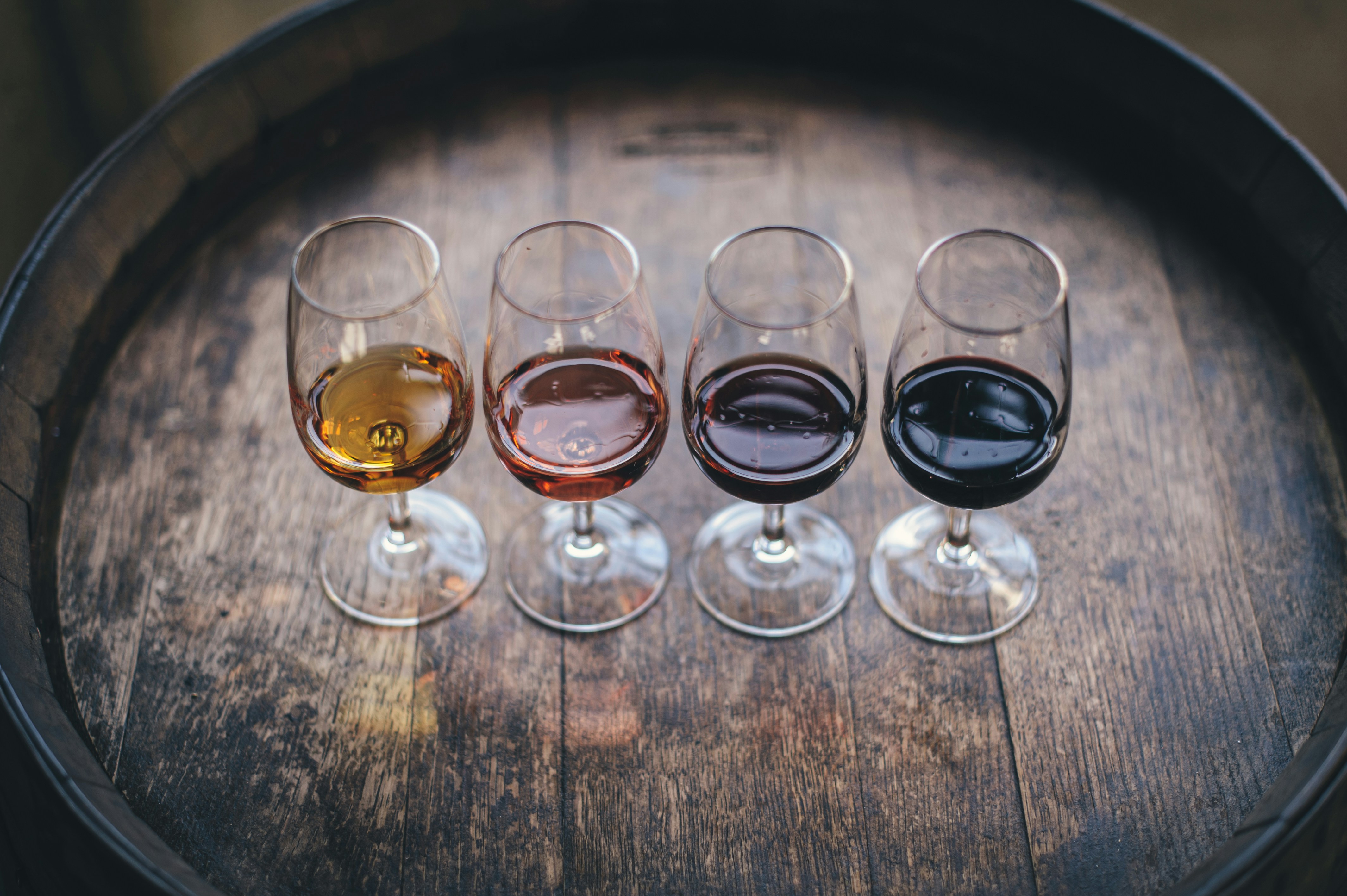
Once the bubbling has completely stopped and the wine looks reasonably clear, it is ready to taste. At this point, it will be drinkable but young and a little rough around the edges. The taste will improve and the alcohol content will increase if you let it age longer. Strain it one more time through a fine cloth, transfer it to a clean bottle, and refrigerate it.
If you can resist drinking it immediately, leave it for another 2 to 4 weeks. The difference between a 2-week-old batch and a 6-week-old batch is noticeable. Traditional recipes that are allowed to ferment for 3 months or more develop more complex flavours. But even a 2-week result is something to be proud of.
Variations to Try Once You Are Comfortable

Once your first grape batch has gone well, you will naturally start wondering what else you can make. The answer is: almost any fruit.
Pomegranate wine is stunning in colour and has a tangy depth that grape wine does not. Use the same method as above. Replace the grapes with fresh pomegranate arils, add slightly more sugar (pomegranates are more tart), and proceed exactly as you would with grapes.
Banana wine sounds unusual but is genuinely delicious. Use very ripe bananas, mash them thoroughly, and follow the same process. Ripe bananas have a high natural sugar content, so you need slightly less added sugar.
Pineapple wine is light, tropical, and quick to ferment. Use fresh pineapple chunks, crush them well, and ferment as usual. It is ready to drink in about 10 days and is best consumed young and chilled.
You can also make wine from packaged juice. This recipe only requires three ingredients available at just about any grocery store: one cup of granulated sugar, a few litres of whatever juice you like, and one packet of yeast. Just make sure the juice is preservative-free, has a decent sugar content (check the nutrition label), and you are set.
Also Read: Kerala’s Rs 40 Kulukki Sarbath Is Shaken Like A Cocktail And Served On The Streets
A Few Things That Can Go Wrong (and How to Avoid Them)
The wine tastes like vinegar. This usually means bacteria got in somewhere, most likely from an unclean jar or spoon. Solution: Be more thorough with cleaning next time.
Nothing is bubbling after 48 hours. The yeast may have been added to liquid that was too hot (above 40°C kills yeast) or the yeast packet was old. Try adding a fresh pinch of yeast and see if fermentation starts.
The wine is too sweet and not very alcoholic. You probably strained it too early before the yeast had finished eating the sugar. Give it more time.
The wine smells off or eggy. A brief sulphur smell is normal in early fermentation and usually disappears. If it persists after straining and resting, something went wrong with the yeast. Start a new batch.
At-Home Brewing
Homemade wine is not a complicated thing. It is fruit, sugar, yeast, and time, put together in a clean jar by someone patient enough to wait. There is something genuinely satisfying about pouring a glass of something you made yourself, something that started as a bunch of grapes or a few ripe pomegranates from the market and turned, slowly and quietly, into a drink worth sharing. India has always known how to ferment things beautifully, from idli batter to toddy, from kanji to kokum. Wine is just another chapter in the same long story. Start simple, stay clean, be patient, and you might just surprise yourself with what comes out of that jar.
Source link
[ad_3]

