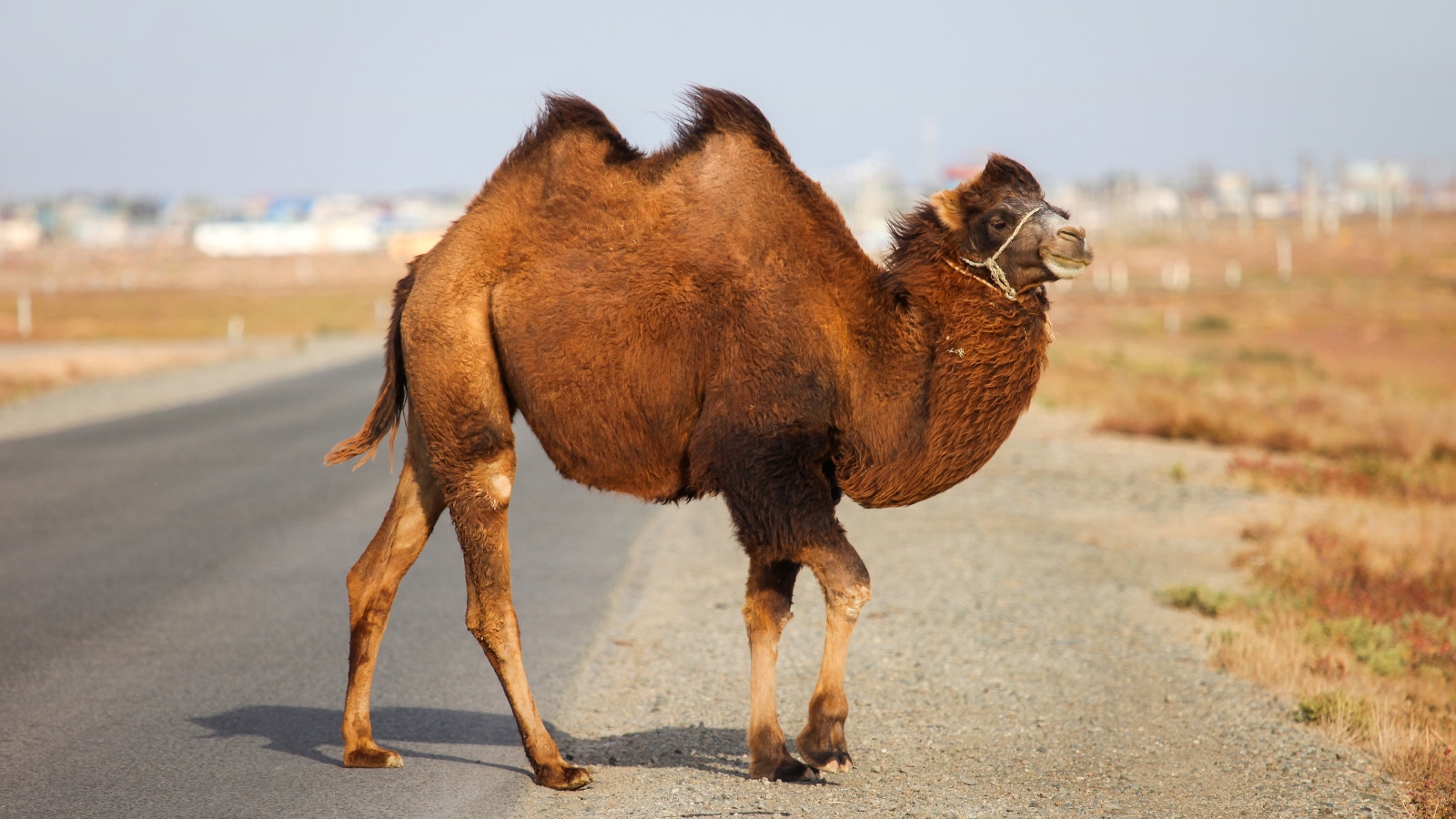
Ladakh’s rare double-humped camels will make an appearance at the 77th Republic Day Parade. This historic debut is a symbolic moment for the region.
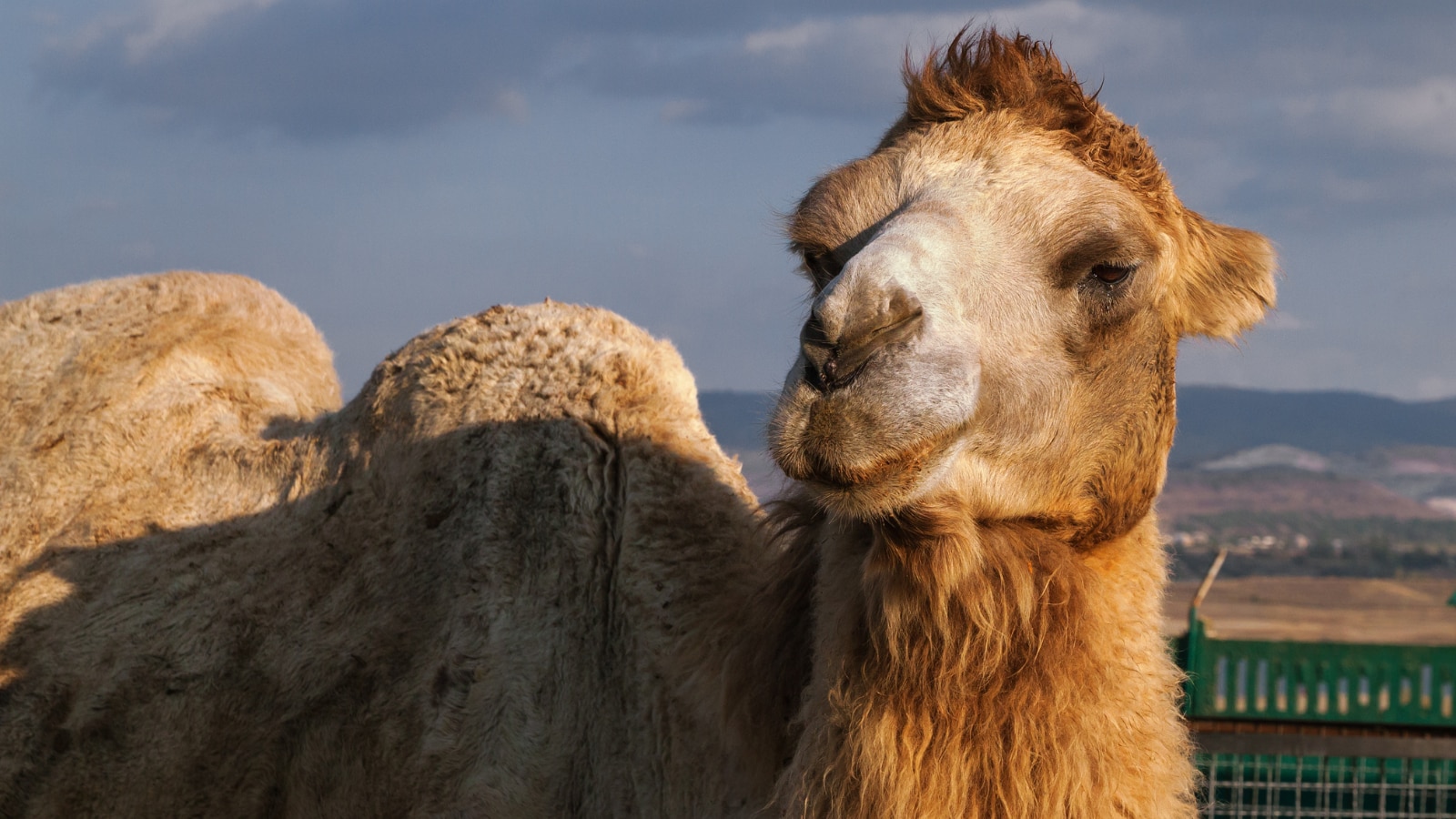
The Bactrian camels thrive in such climates due to their shaggy coats protecting them from temperatures dropping to -40 degrees Celsius. They have sealable nostrils which keep the icy dust storms out, while long eyelashes shield their eyes from snow, wind and glare. (Image-Canva)
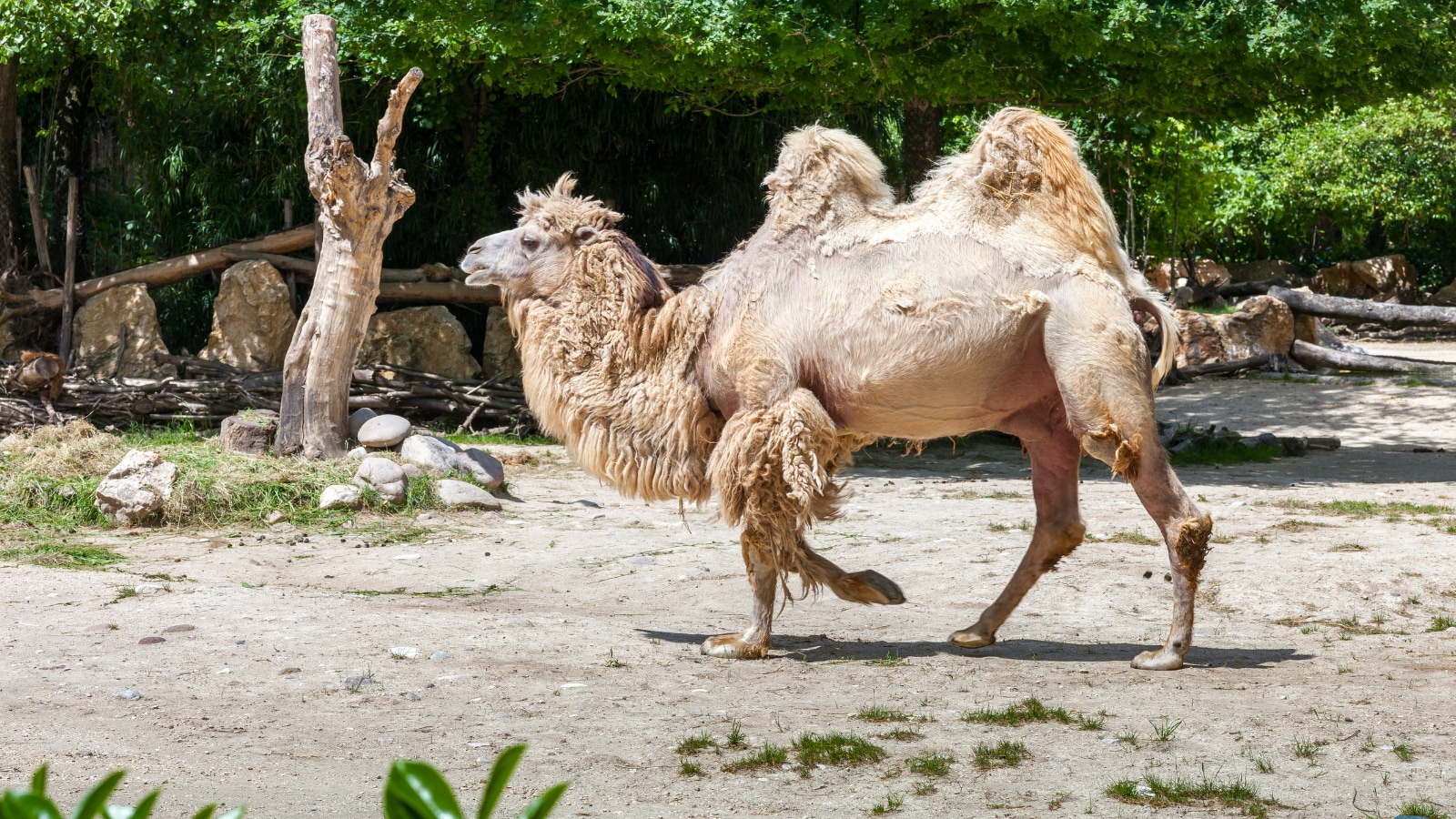
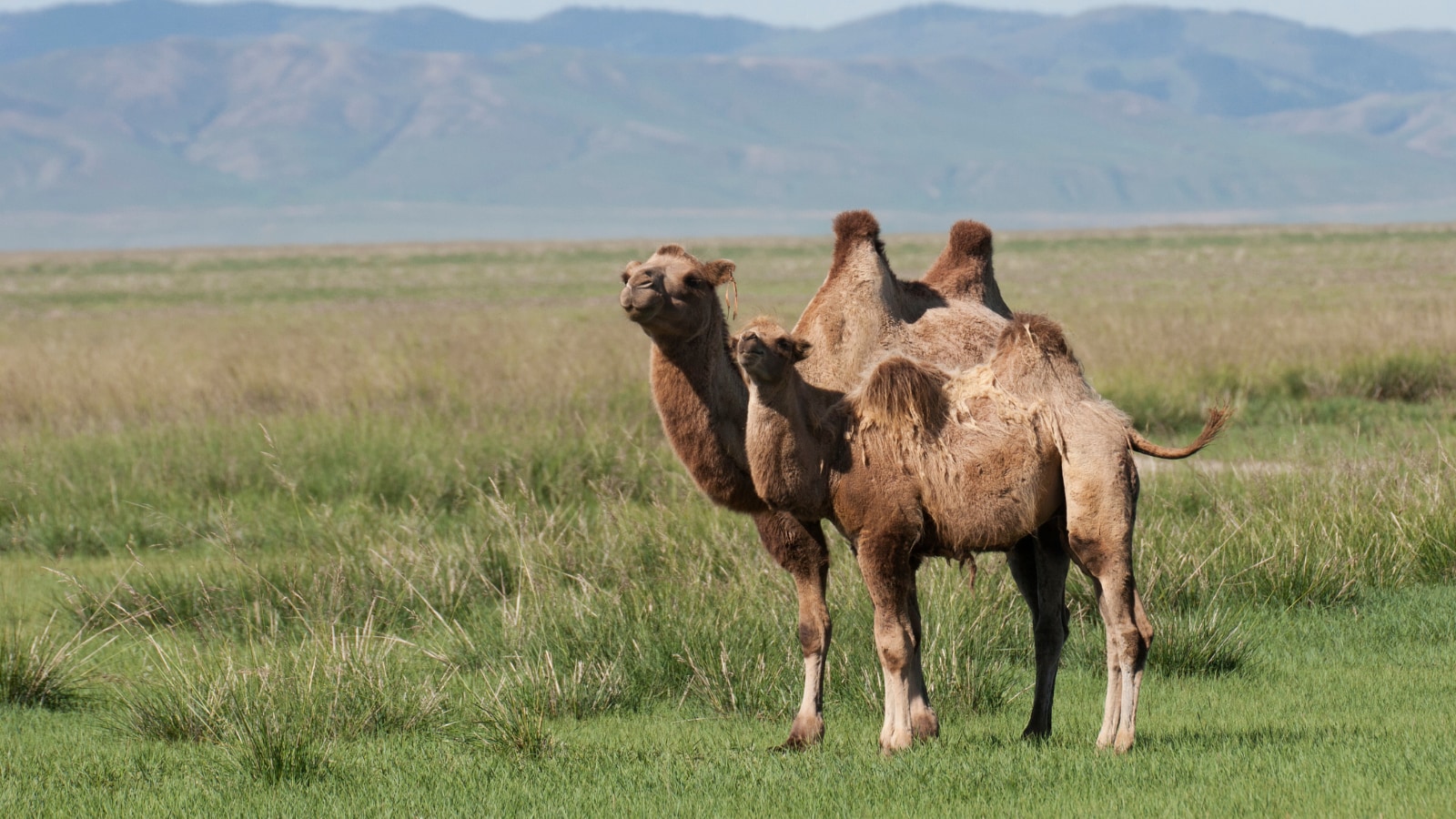
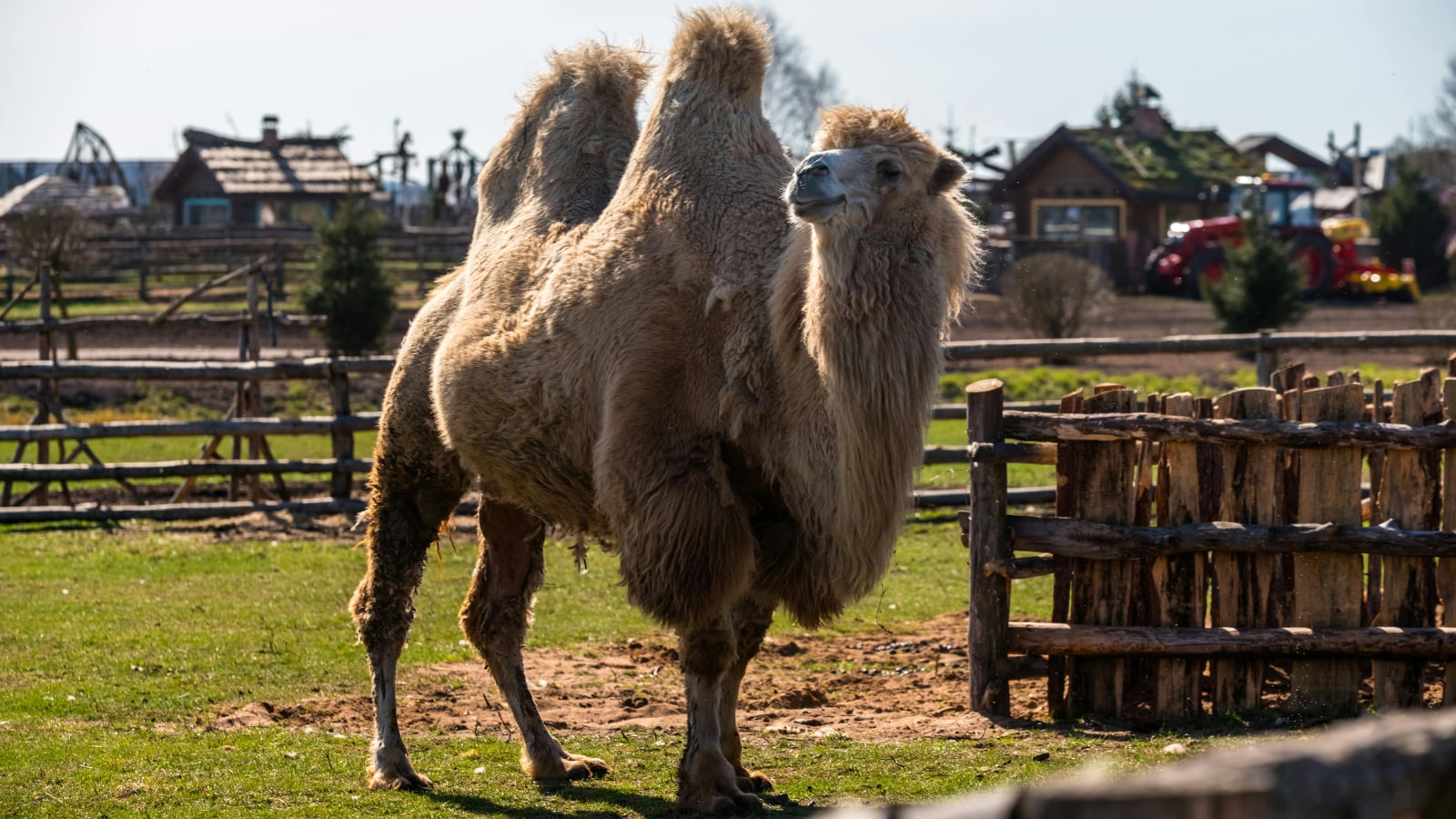
The speciality of the two humps is that it stores fat, not water. This fat converts into energy and hydration during long stretches without food. It also allows the camel to travel vast distances across barren terrain, which is equally necessary for survival in Ladakh’s cold desert. (Image-Canva)The broad and padded feet of Ladakhi camels act like snowshoes, preventing them from sinking into sand or snow. Bactrian camels mainly feed on seabuckthorn, a nutrient-rich shrub found in Ladakh’s grazing fields. It is available only during the short summer months. (Image-Canva)Bactrian camels are considered living relics of the ancient Silk Road. Believed to have arrived in Ladakh from the Tibetan region during the 17th century, they once played a crucial role in trade and transport across central and South Asia. (Image-Canva)Even today, these rare and endangered camels live in Nubra Valley’s Hunder village in India. The village is about 135km from Leh. Beyond Ladakh, these rare camels are found in some parts of central Asia, making their unique appearance on Republic Day a powerful sight. (Image-Canva)
Stay Ahead, Read Faster
Scan the QR code to download the News18 app and enjoy a seamless news experience anytime, anywhere.
The endangered double-humped camels of Ladakh will debut at the Republic Day Parade in Delhi on January 26th, 2026. The “At Risk” breed will participate along with the four Zanskar ponies. The 77th Republic Day will mark a symbolic moment for India’s high-altitude heritage and biodiversity. (Image-Canva)