
Brendan Foody, Surya Midha and Adarsh Hiremath turned years of friendship into one of the biggest AI startup success stories. The three co-founded Mercor, an AI-powered recruitment platform that matched companies with talent using artificial intelligence. They trio left their university programmes to focus on the business, and at 22, became some of the world’s youngest self-made billionaires. (Image: X)

Before becoming CEO of Cohere, Aidan Gomez helped reshape artificial intelligence itself. He left his Oxford PhD to build enterprise AI solutions through Cohere. (File Photo)

Demi Guo co-founded Pika to simplify AI-powered video creation after finding existing tools difficult to use. She left Standford’s PhD programme to build the company, which has since raised millions in funding and became one of the leading names in AI video generation. (File Photo)

Alexandr Wang founded Scale AI after leaving MIT during his first year. The company became a major player in AI infrastructure before Meta acquired a significant stake in the business. Wang now serces as Meta’s Chief AI officer, overseeing key artificial initiatives. (Image: Wikimedia Commons)

Braden Ream recognised the growing demand for controversial AI long before chatbots became mainstream. Through Voiceflow, he built a platform that enables companies to design AI-powered assistants without extensive coding, serving thousands of businesses worldwide. (Image: LinkedIn)
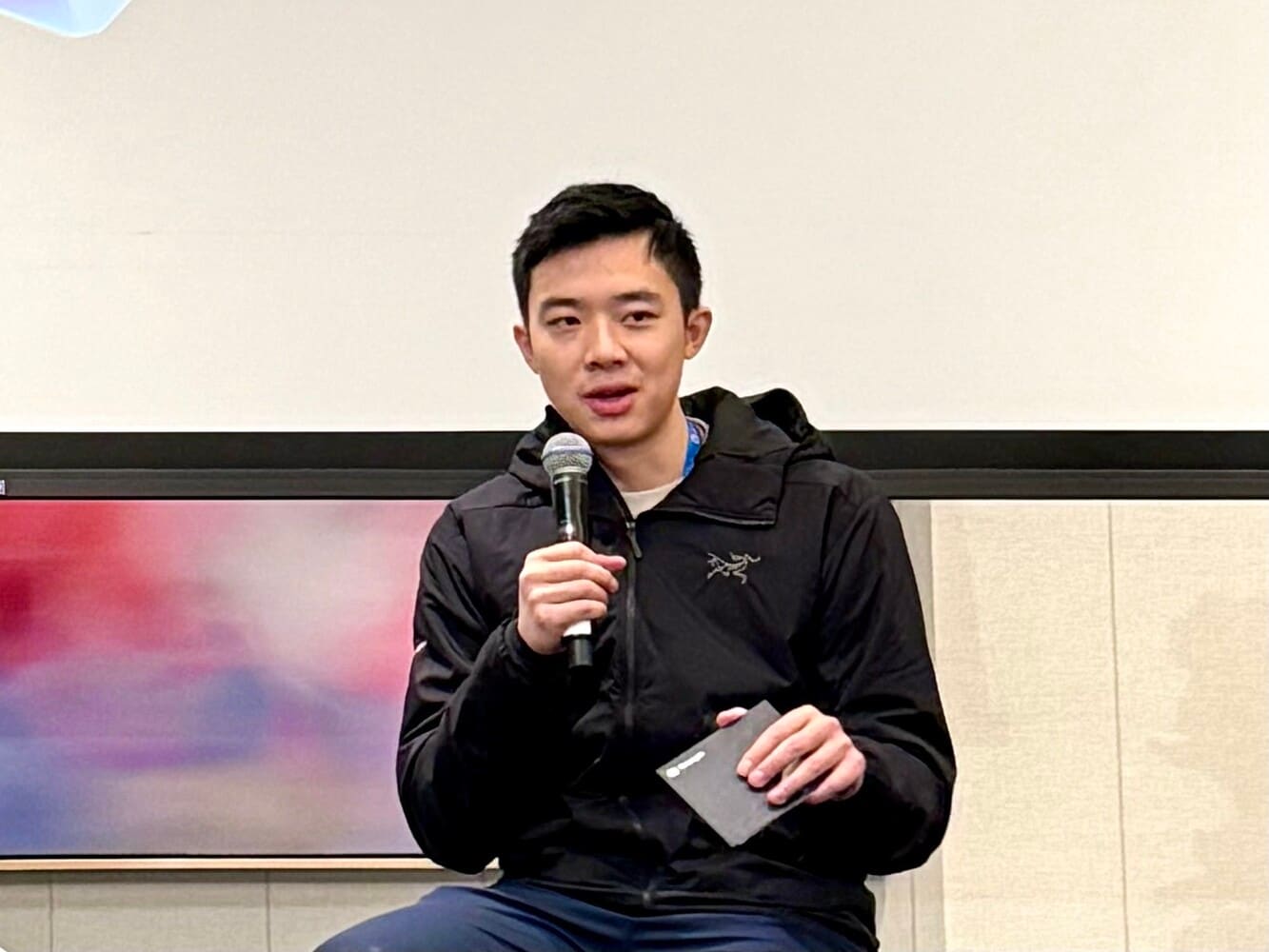
Jesse Zhang launched Decagon to automate customer service using artificial intelligence. Today, the company’s AI agents are used by businesses including Duolingo, Notion and Hertz to improve customer interactions. (Image: LinkedIn)

Erifili Gourani turned a freelance social media career into The Z Link, a marketing agency run largely by Gen Z professionals. The company now works with global brands looking to connect better with young consumers. (Image: LinkedIn)

Swish Goswami built Surf around a simple idea, users should benefit from the value of their online date. The browser extension rewards people for sharing browsing data while giving them greater transparency over how it is used, offering an alternative to traditional data collection models. (File Photo)
Source link
[ad_3]

