
Every time you board a night train out of Chennai Central and settle into your berth, two people at the very front of the train are just beginning the most alert hours of their night. They are the Loco Pilot and the Assistant Loco Pilot — and they will not sleep until you reach your destination safely.
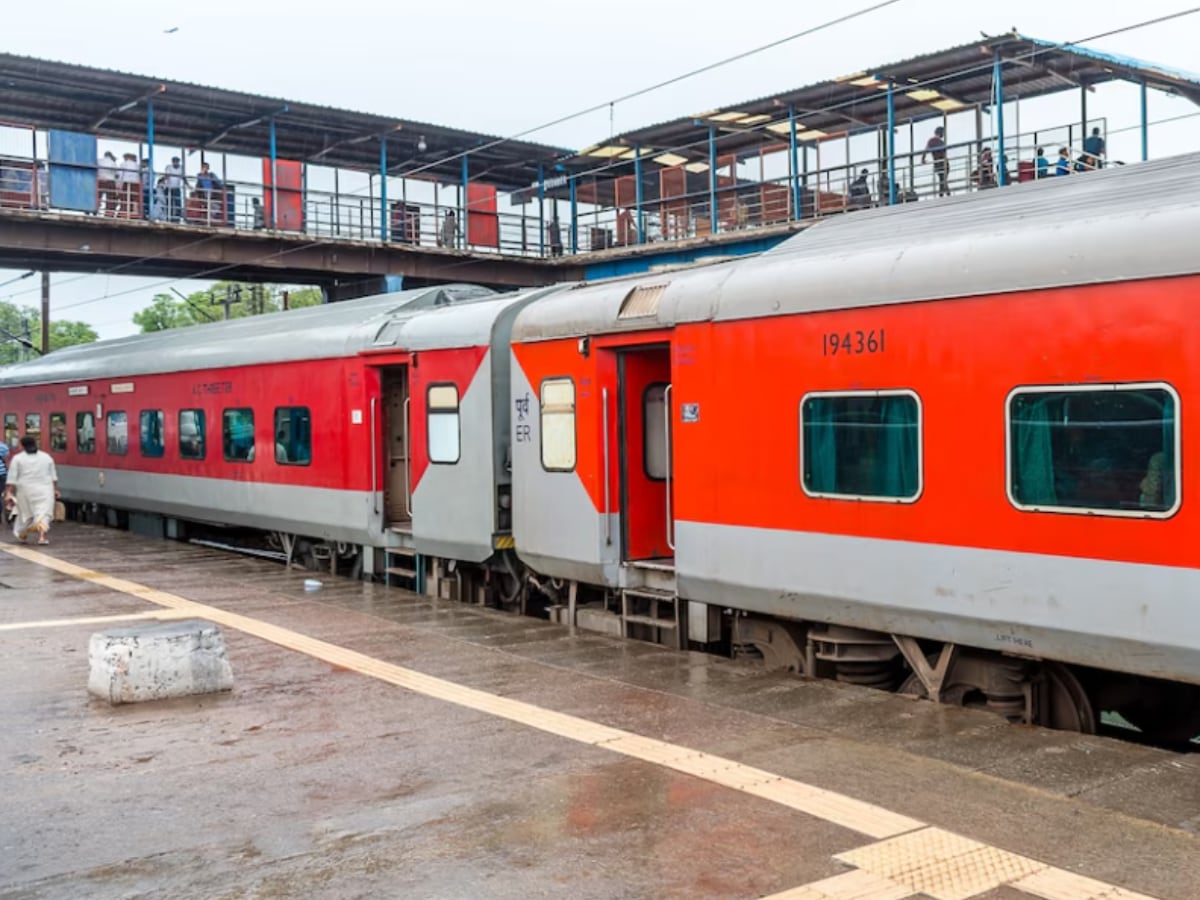
While every passenger drifts off to the rhythm of the wheels, the two people in the engine cabin are wide awake and talking — but not about anything casual. Every signal on the track ahead is called out loud by one and immediately confirmed by the other. Number, colour, warning — spoken, heard, verified, repeated. For hundreds of kilometres, without pause.
Pradeep Kumar, a former member of the Railway Board’s Infrastructure Department, explained exactly how this works to News18 Tamil. Each signal has a unique number and colour, he said — so if the signal ahead is number 1050 and it is green, the Loco Pilot calls out “Signal 1050, green” aloud, and the Assistant Loco Pilot immediately looks up and confirms it. “This will help prevent accidents due to human error at the initial stage,” he told News18 Tamil. In a train hurtling through pitch darkness at 100 kmph, that two-second exchange is what stands between a safe crossing and a disaster.
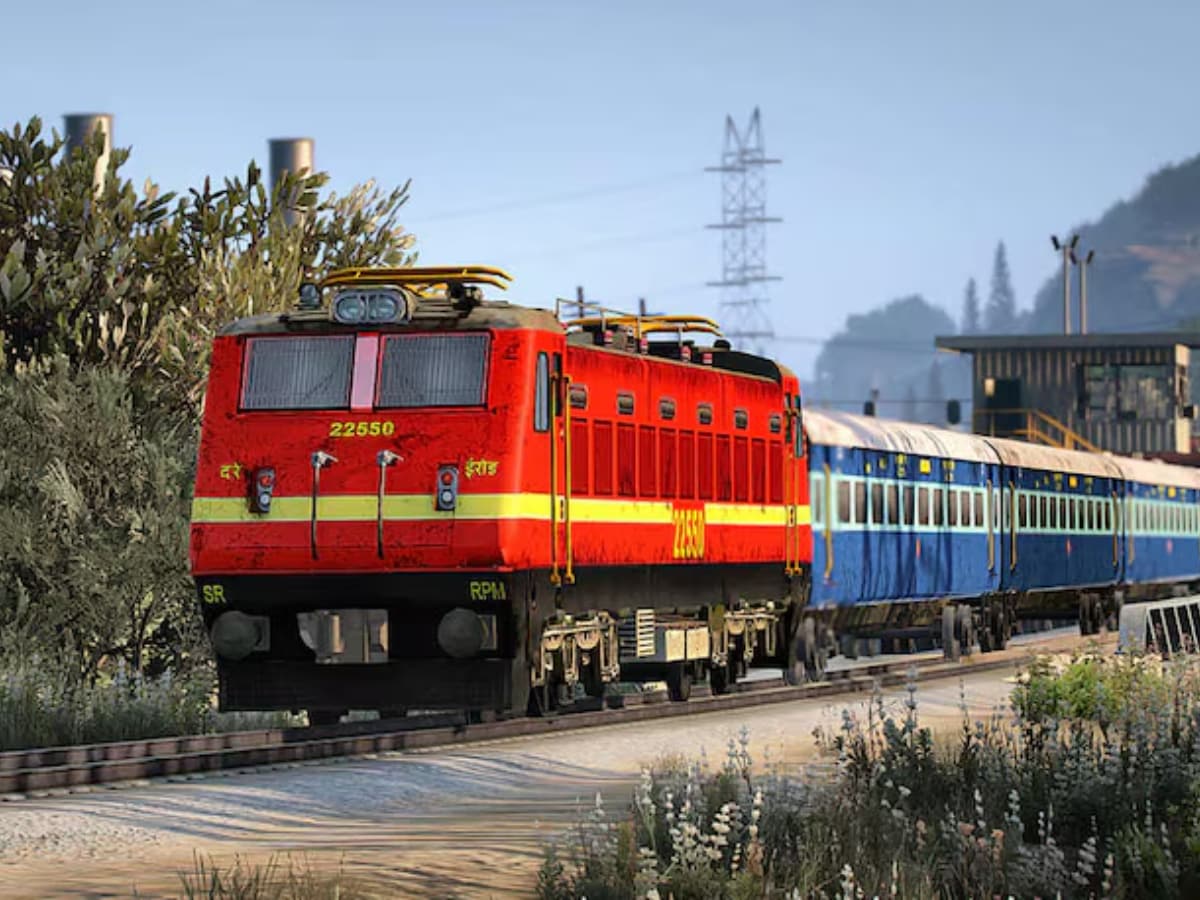
The signals flashing past your window in the dark are not random. On open stretches, they are placed every 1 to 2 kilometres. In busier corridors, every 500 to 800 metres. Near stations and junctions like Chennai Central, they appear every 200 to 500 metres — feeding the pilot a continuous, unbroken stream of information about what lies ahead on the track.
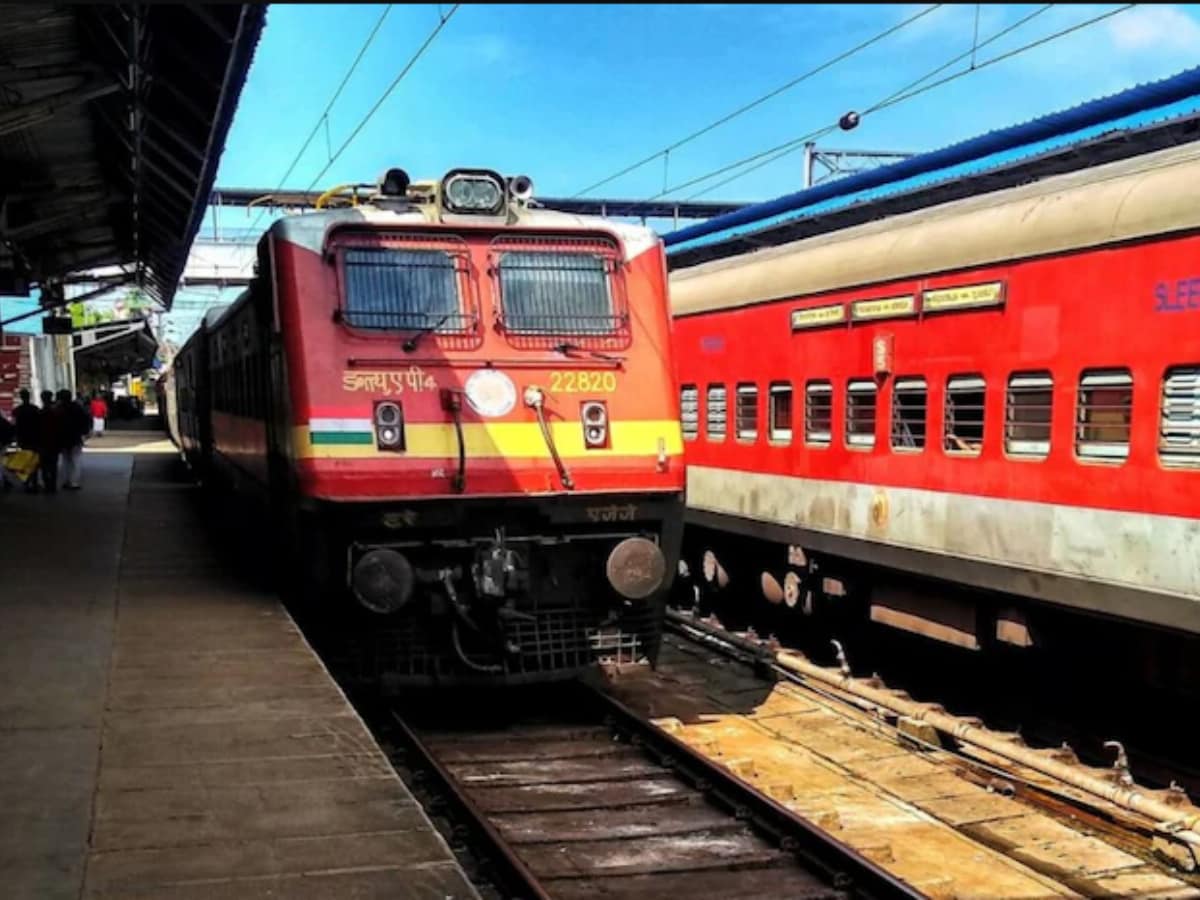
Before the train even pulls out of the platform, the Loco Pilot has already studied the entire journey. A detailed route chart tells him where to stop, which station to reach at what time, where the track bends, where to slow down, and where repair work or temporary speed restrictions are in place. By the time you find your seat, he already knows every kilometre of the night ahead.
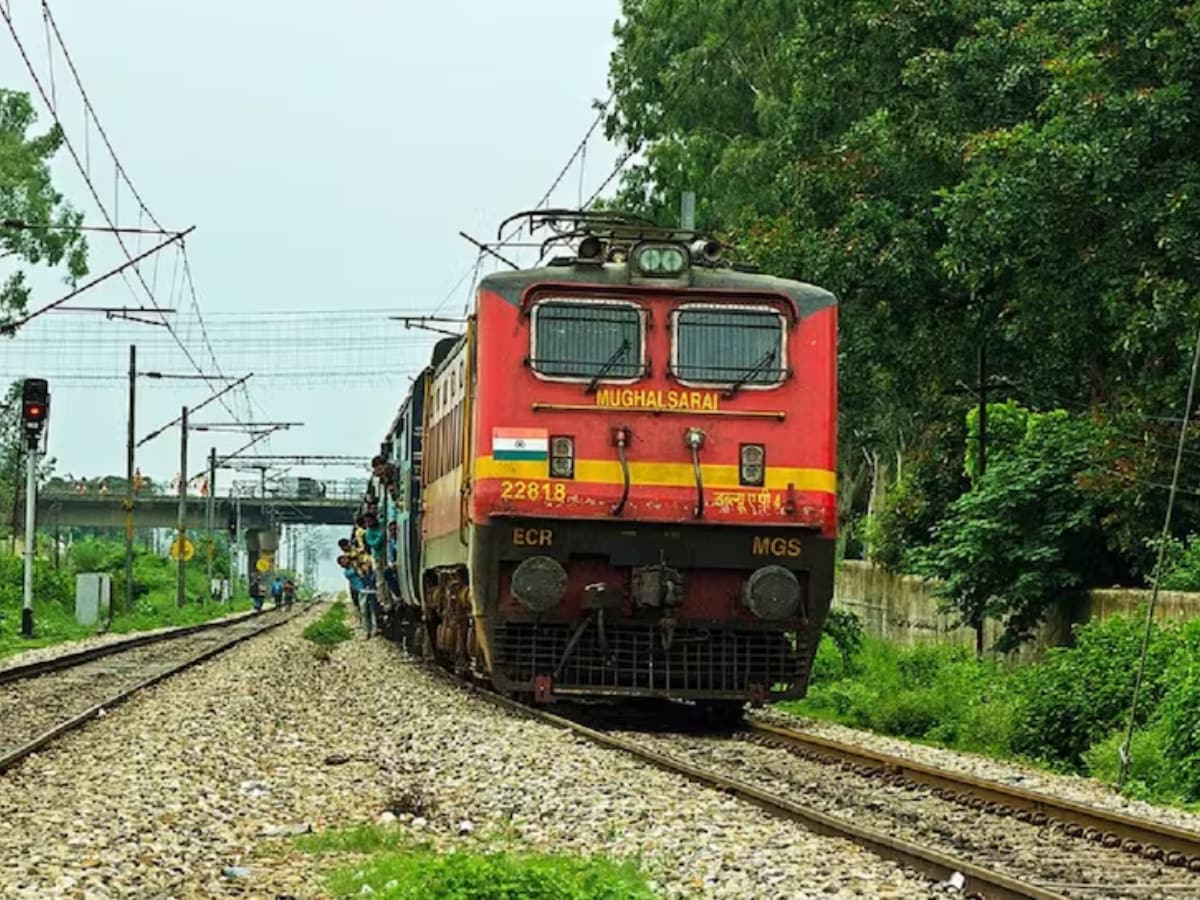
And it is not just the route they are responsible for. Even a momentary lapse — a misread signal, a missed caution order, a second of distraction — can cascade into catastrophe within seconds at high speed. That is why this is not simply a job that requires staying awake. It demands a level of concentration, every single minute of every single night, that most professions will never ask of a human being.
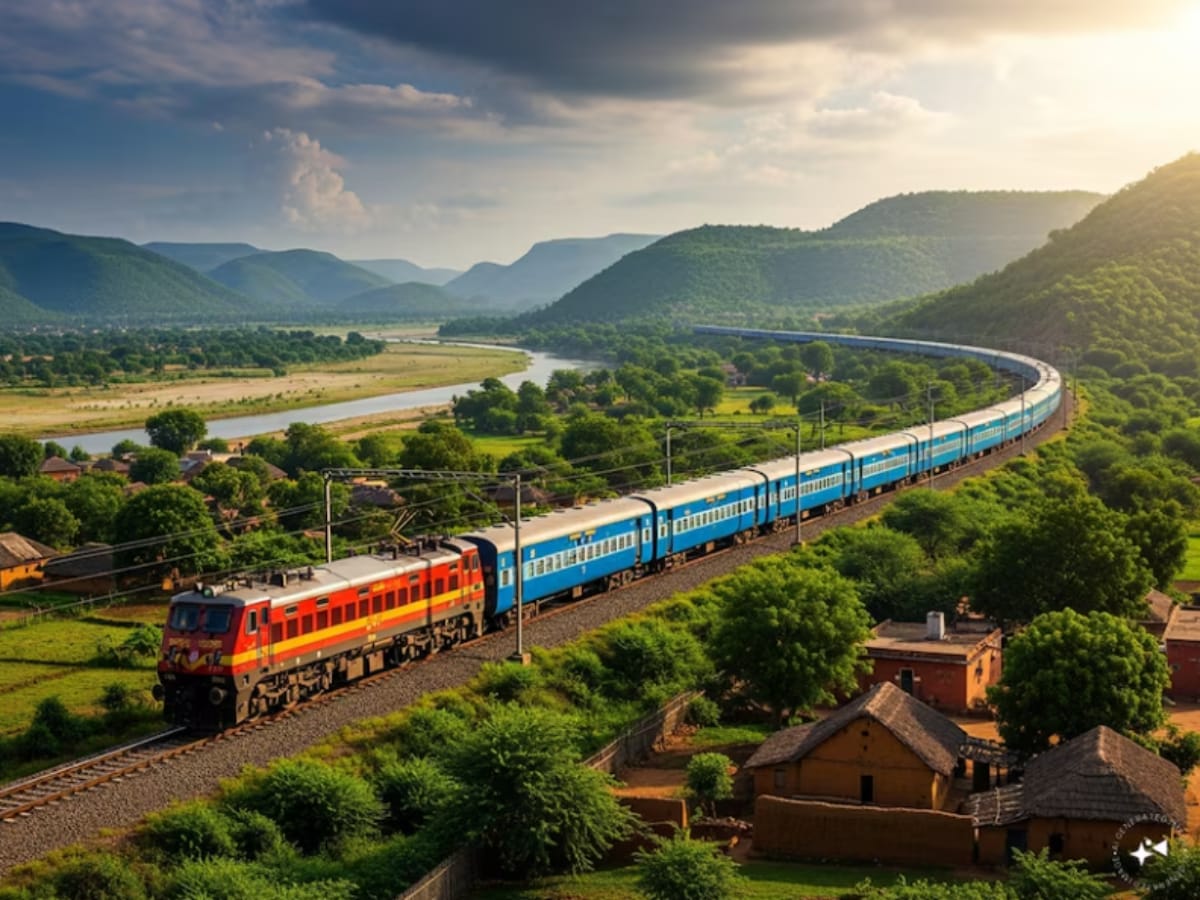
Somewhere between Katpadi and Jolarpettai at 2 am, when every coach is silent and every passenger is asleep — both men in that engine cabin are still talking, still reading signals, still cross-checking, still deciding. There is no autopilot. There is no break. Your comfort is built entirely on their sleeplessness.
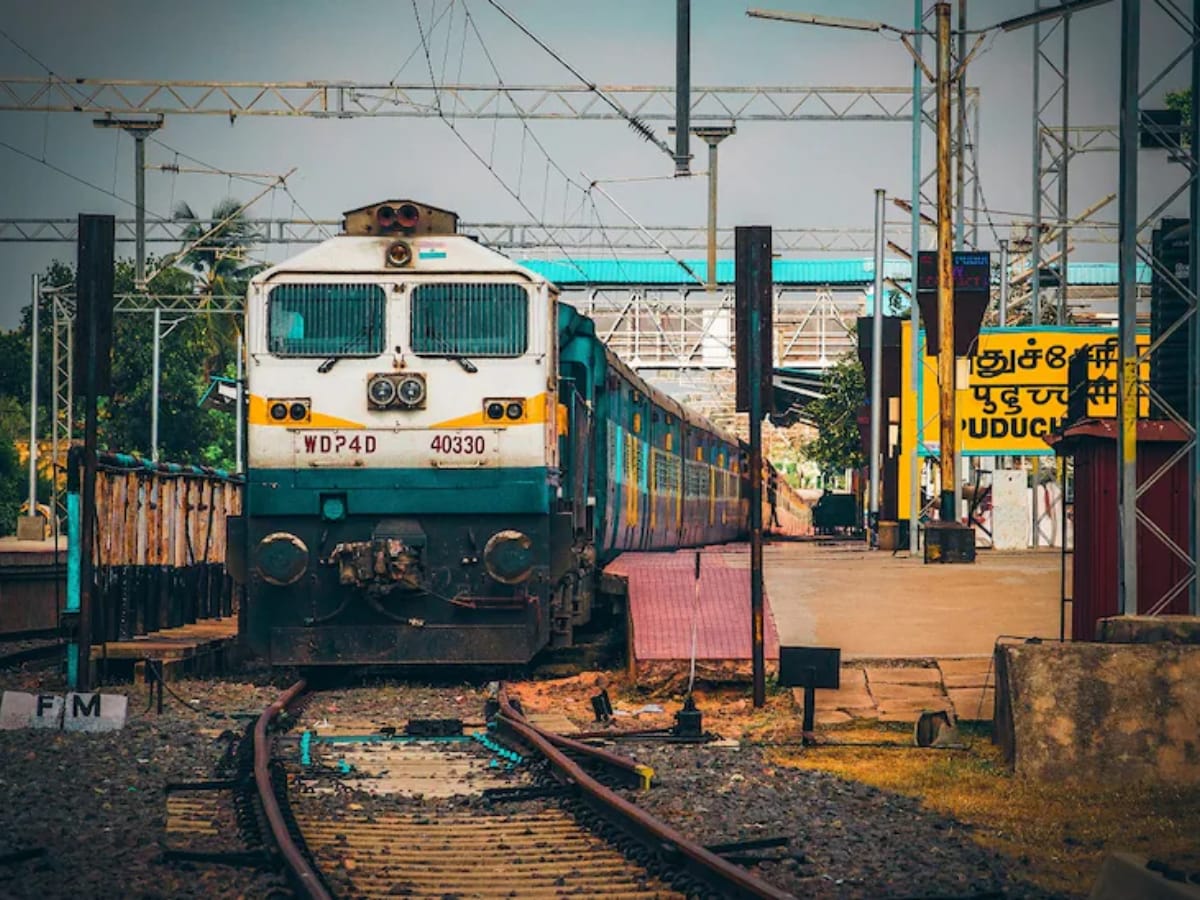
What feels like the peaceful silence of a night train is actually a system working at full intensity — two trained professionals in constant conversation, signals being confirmed every few minutes, a route being followed to the second. The sound that puts you to sleep is the same sound that keeps them working. Behind every safe overnight journey from Chennai is a night of work you never see, and were never meant to.
Source link
[ad_3]

