
World’s Most Expensive Cities: The latest annual report by Swiss wealth manager Julius Baer Group Ltd, revealed the most expensive cities in the world. Julius Baer’s Lifestyle Index evaluates 25 cities by tracking the prices of 20 luxury goods and services, including residential property, cars, business-class air travel, private school fees, and fine-dinning experiences. The findings are based on a survey conducted between February and March 2026 among 360 high net-worth individuals, each with bankable household assets of nearly $1 million. Here’s a look at the world’s most expensive cities.
Singapore: A global financial powerhouse, Singapore leads with exorbitant private transportation and housing costs. Strict vehicle quotas and soaring demand for prime real estate keep everyday living expenses remarkably steep for residents. (Image: Pexels)
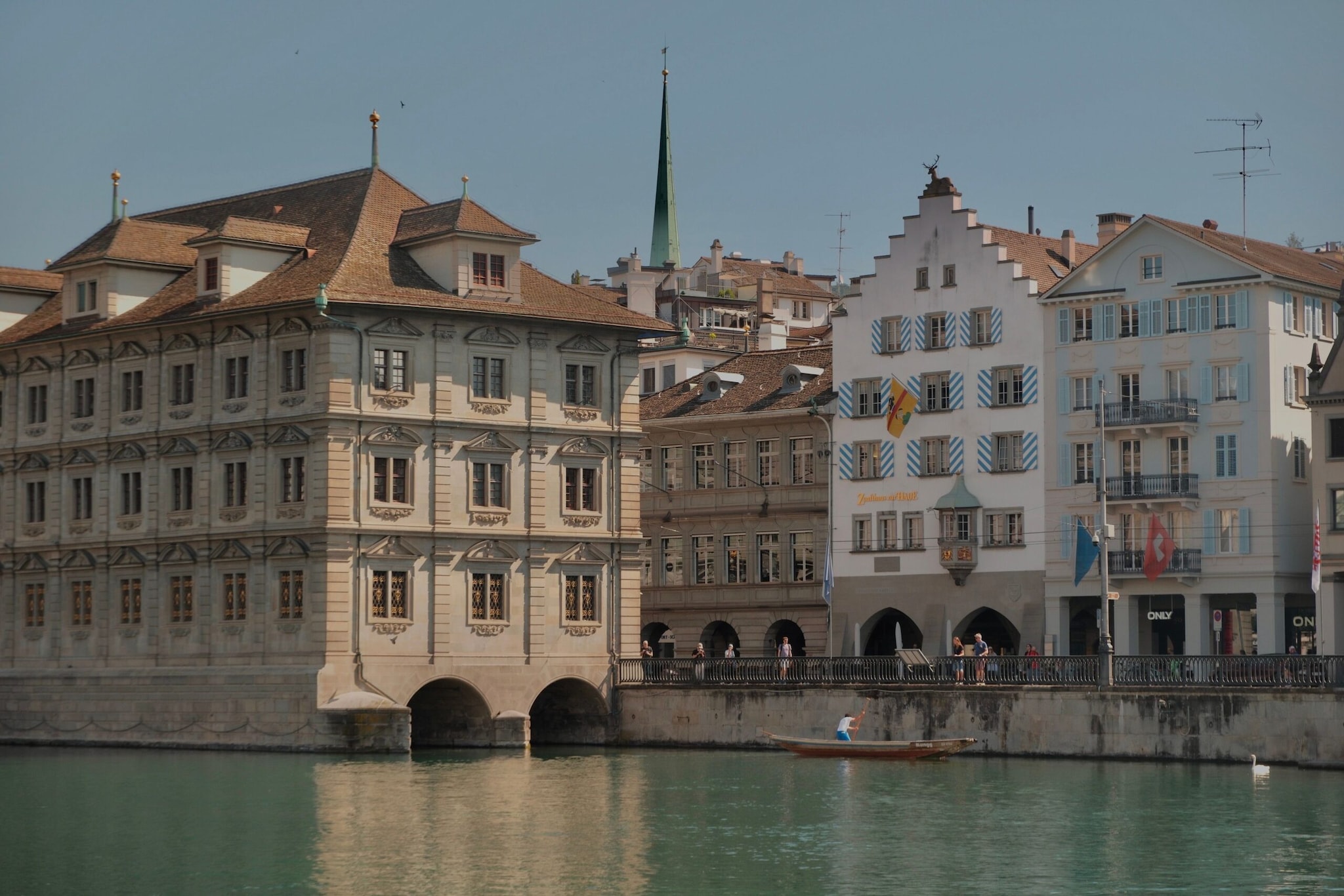
Zurich: Fueled by the immense strength of the Swiss franc and high average salaries, Zurich is Europe’s priciest hub. From daily groceries to dining out, baseline expenses remain extraordinarily elevated. (Image: Pexels)
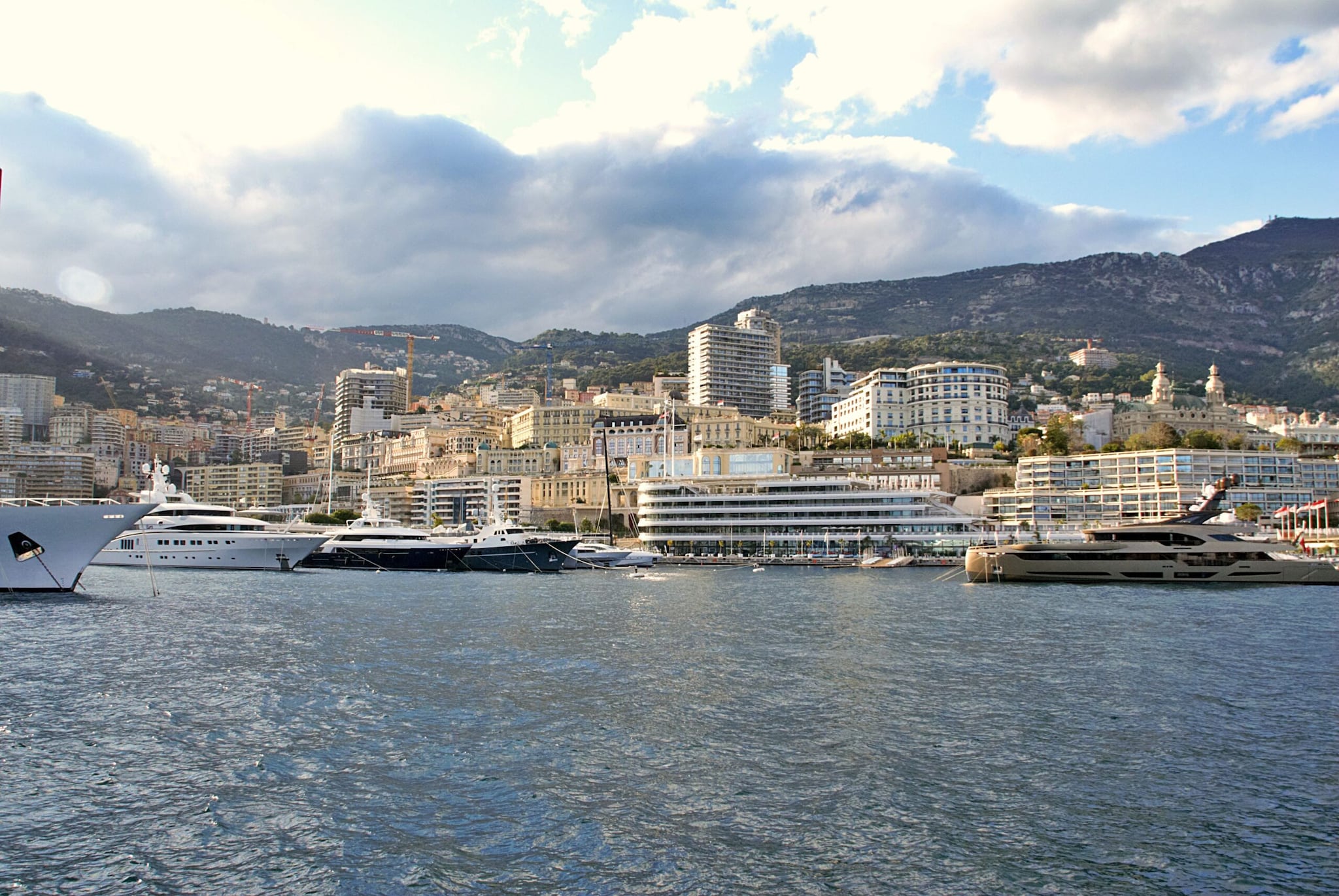
Monaco: As a legendary tax haven for the ultra-wealthy, Monaco boasts some of the world’s most expensive real estate. Limited geographical space paired with high-end luxury lifestyles drives up overall costs. (Image: Pexels)
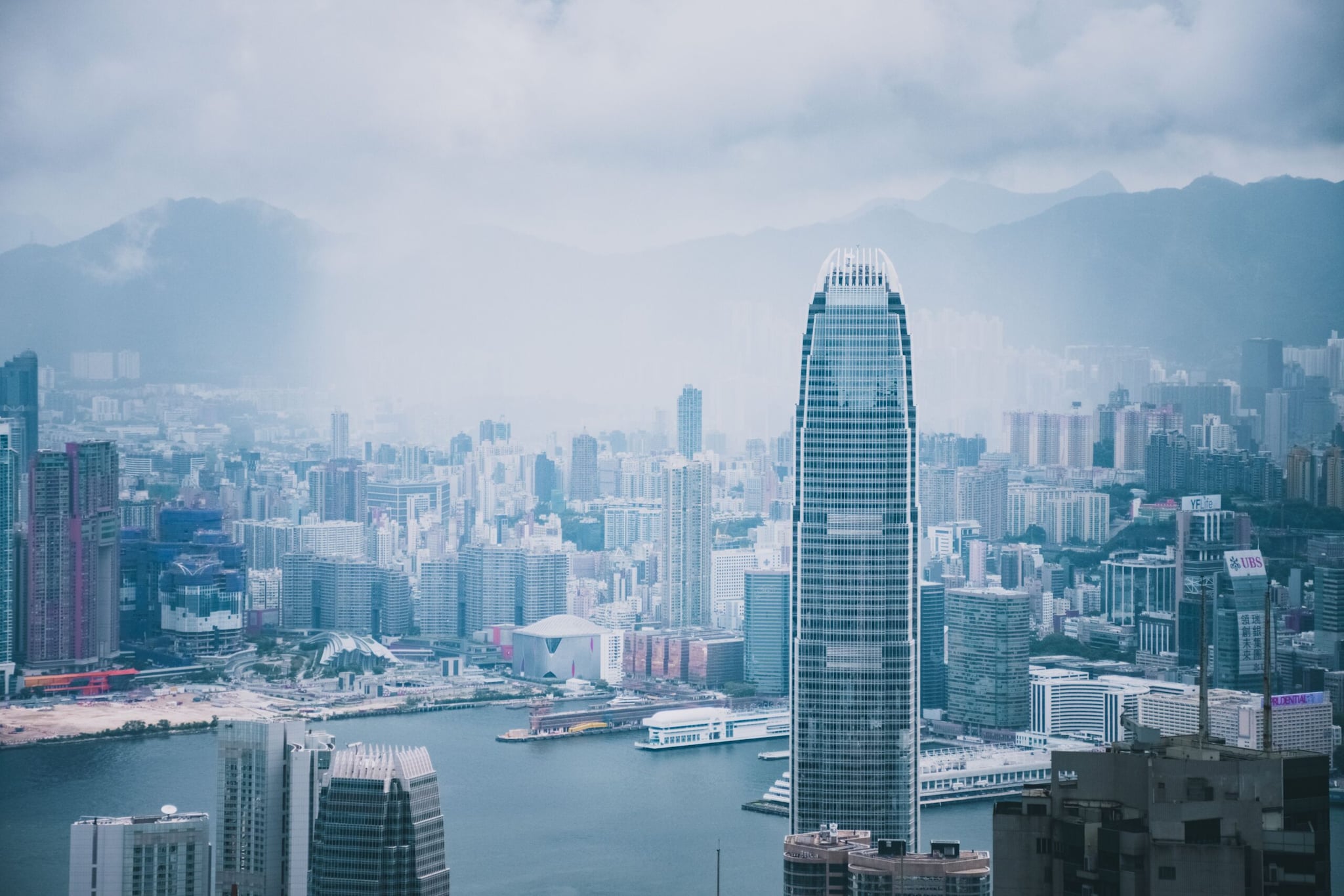
Hong Kong: Fierce competition for space makes Hong Kong’s real estate market notoriously punishing. This severe land constraint, combined with a heavily premium retail sector, secures its spot among the priciest cities. (Image: Pexels)
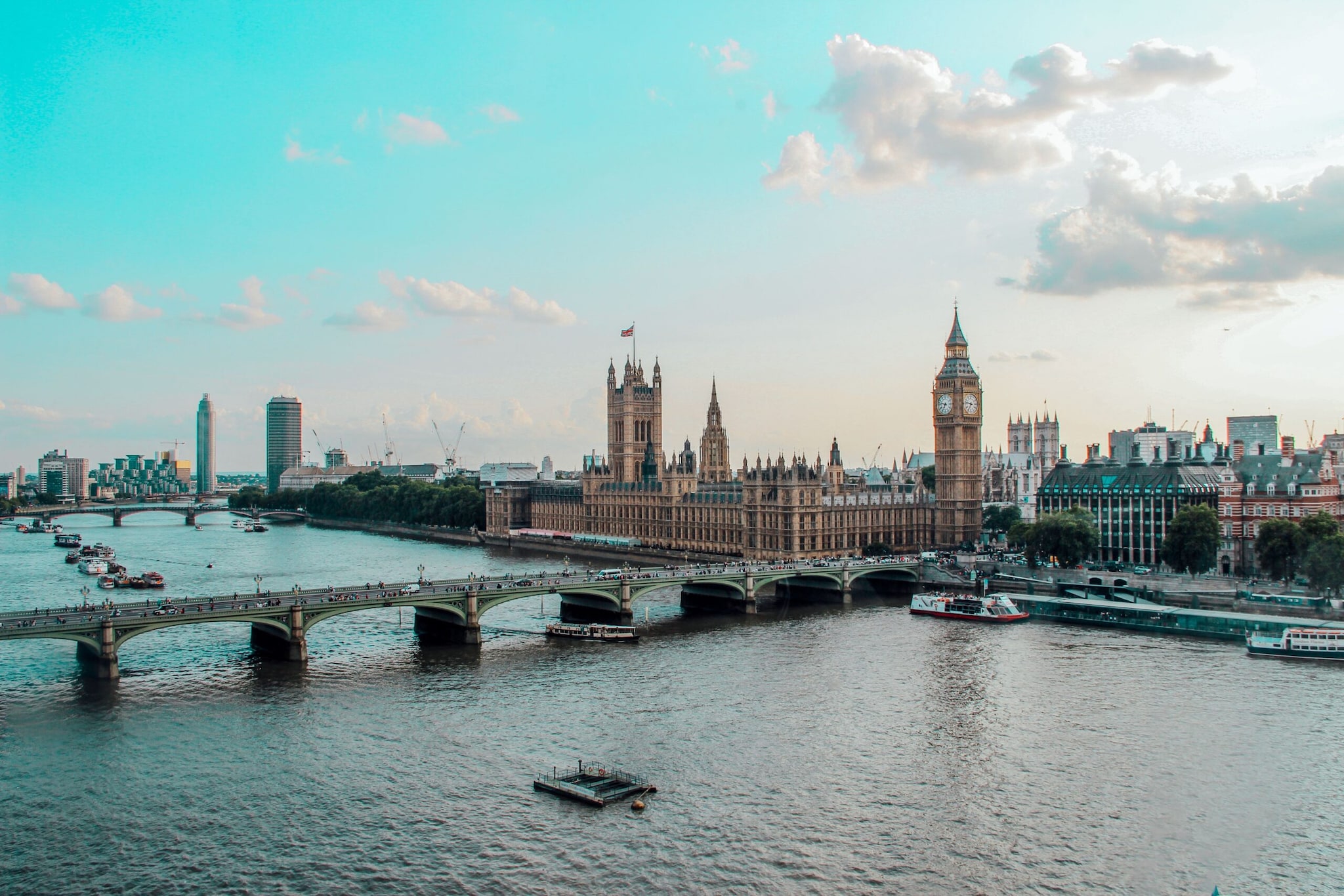
London: Despite economic shifts, London remains a magnet for global wealth. Sky-high rents in central boroughs and steep public transit costs continue to stretch the budgets of both locals and expats. (Image: Pexels)
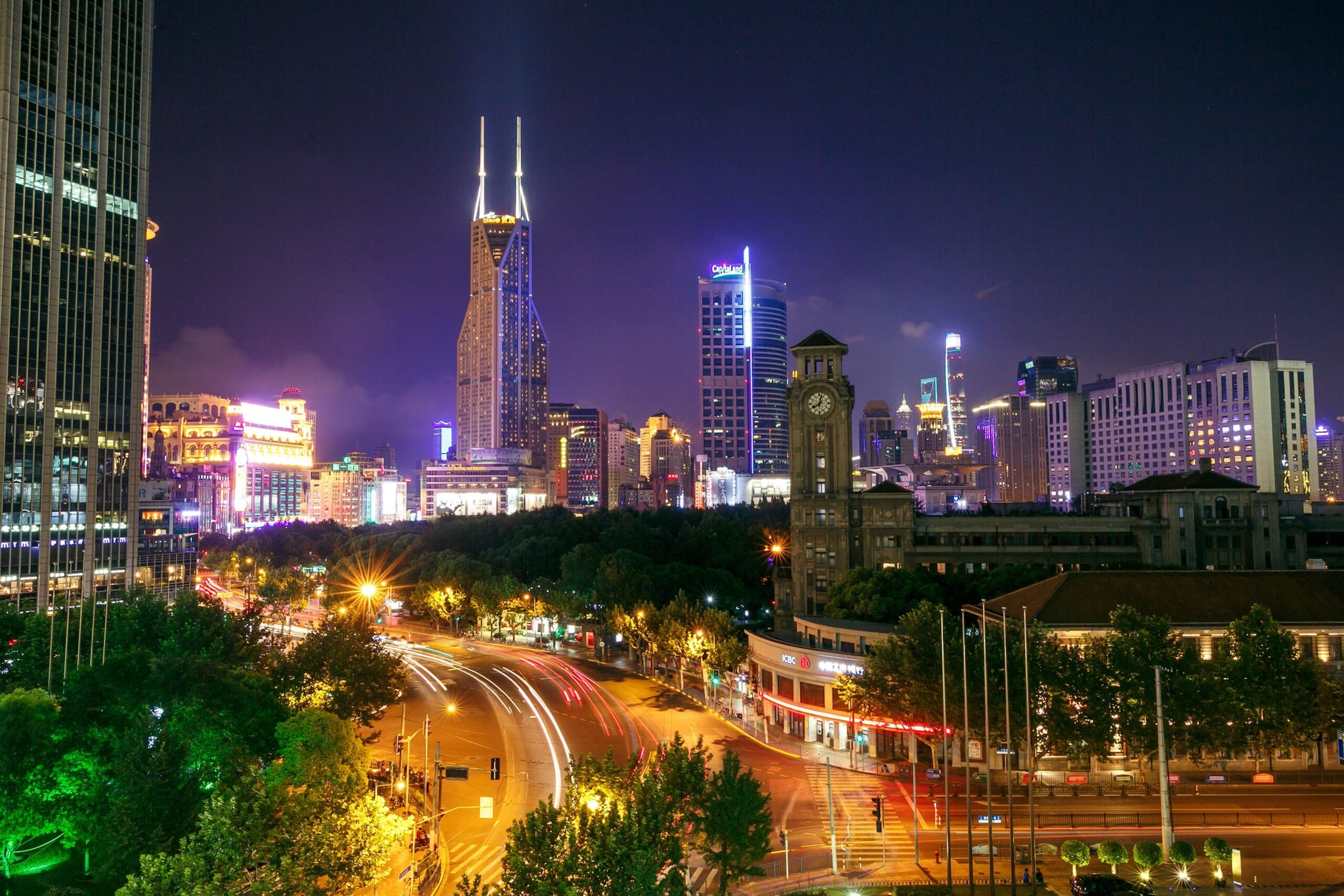
Shanghai: As China’s premier commercial and financial center, Shanghai has seen luxury living costs surge. Premium consumer goods, high-end dining, and upscale residential rentals contribute heavily to its expensive reputation. (Image: Pexels)
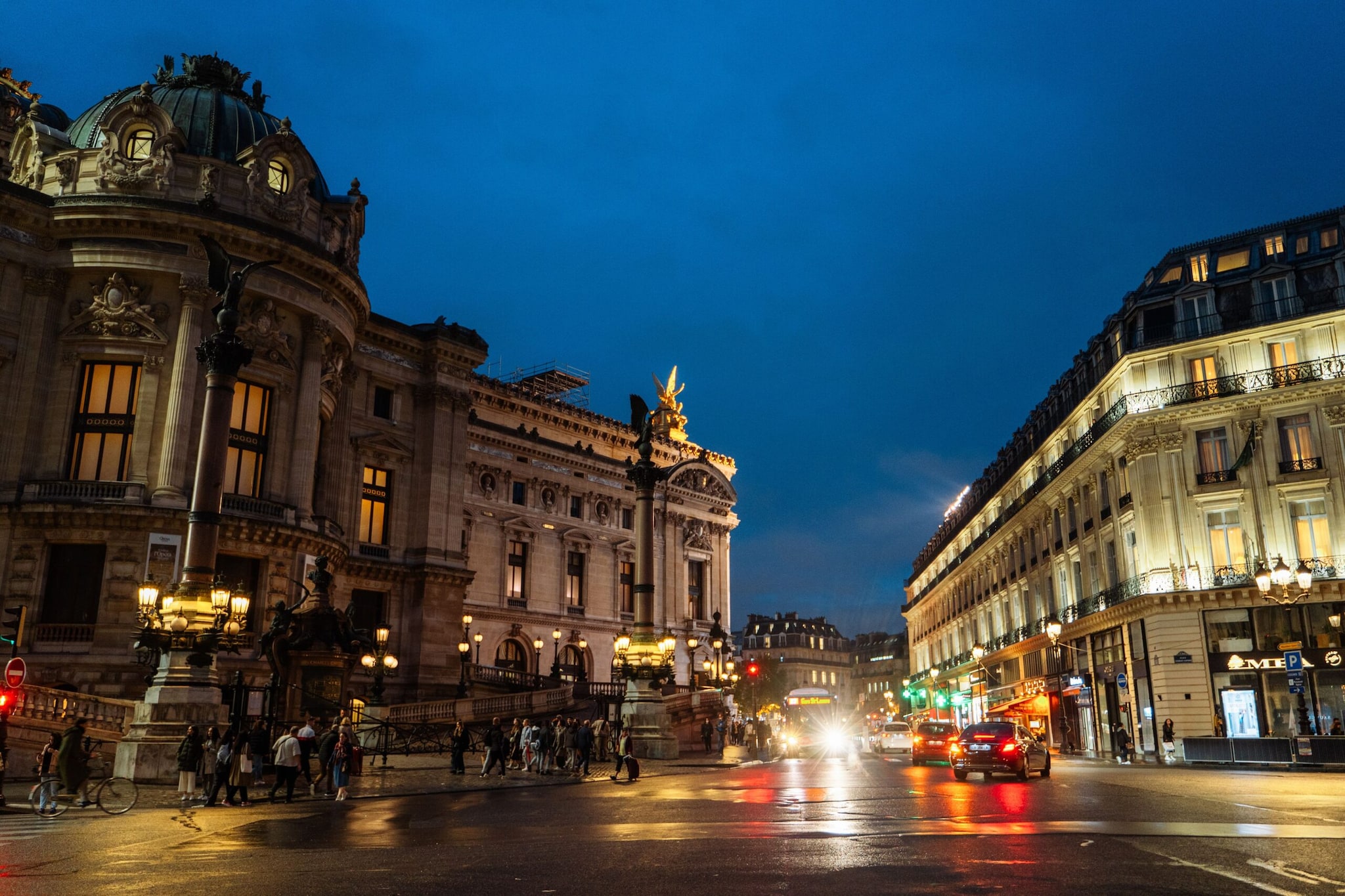
Paris: The iconic capital of fashion and tourism commands steep premiums in its central districts. Inflation driven by global tourism ensures that premium dining, luxury retail, and prime housing remain costly. (Image: Pexels)
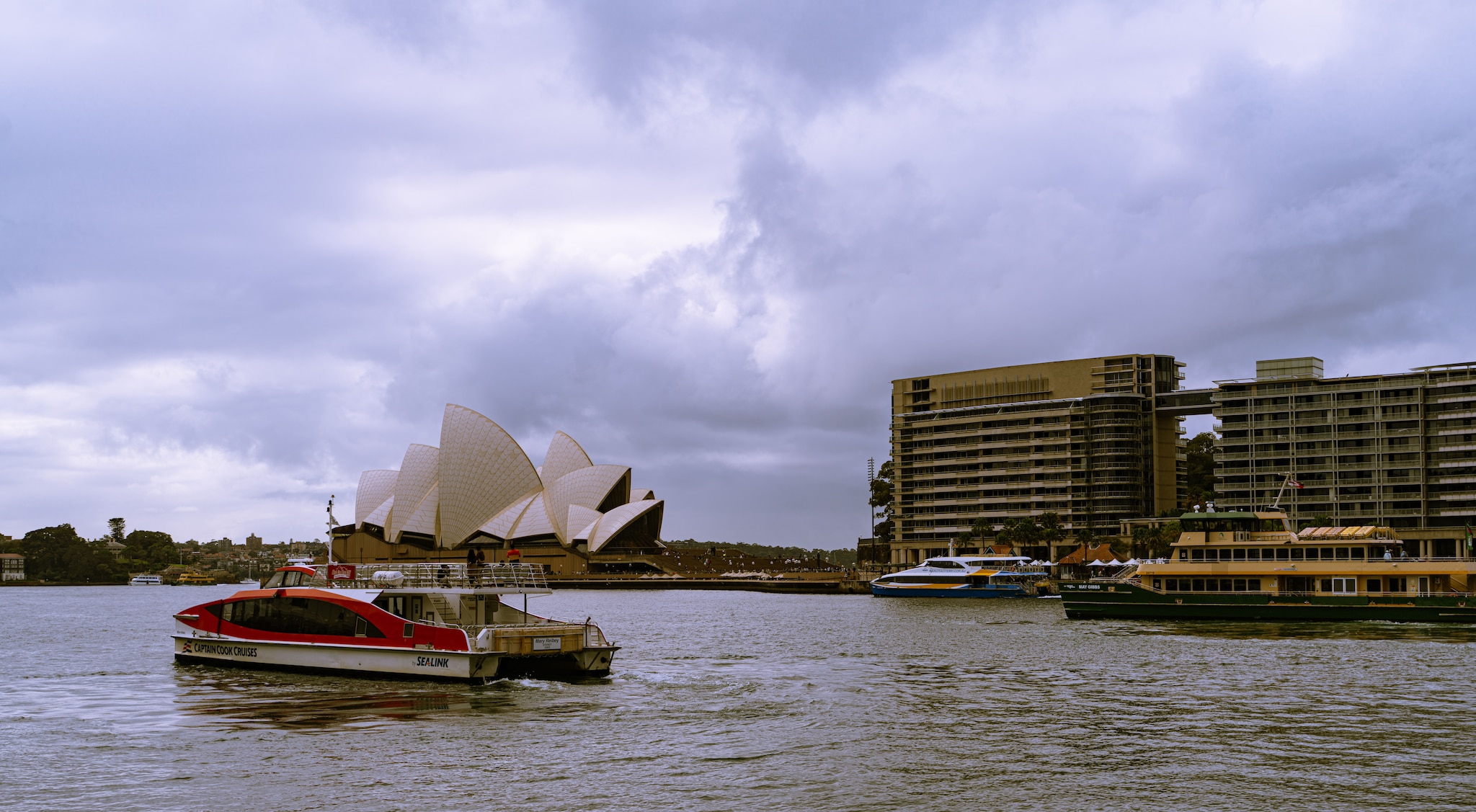
Sydney: Australia’s primary economic engine features high utility costs and a highly competitive housing market. Being geographically isolated also raises the import costs on many everyday consumer goods and luxury items. (Image: Pexels)
Source link
[ad_3]

