
Last Updated:
From the birth of the TSA to biometric boarding gates, we trace every rule that air travel inherited from one tragic September morning




25 Years Of 9/11: A Quarter Century Later, 9/11’s Fingerprints Are Still On Every Boarding Pass
If you’re a millennial/GenZ reading this, ask your parents what it was like to travel by air before 2001. We’re sure if you heard what airports were like, you’d find it hard to believe today. Unlike chalking out atleast 3 hours if you have to navigate the serpentine lines at Delhi’s IGI Airport, you could reach the terminal just 30 minutes before your flight. Granted, air travel wasn’t as popular, or even affordable back then. But there were fewer ID checks, security was much lighter, and family members could walk closer to the boarding area to say goodbye. All in all, airports felt more like railway stations than high-security zones.
All that changed after September 11, 2001.
Nineteen hijackers used gaps in airport security to board four commercial flights with box cutters. The attacks destroyed the Twin Towers, and the hijackers also flew an American Airlines flight into the Pentagon. The attacks killed nearly 3,000 people and changed air travel forever. Many of the security checks passengers now take for granted came in the years that followed.
The Birth Of The TSA
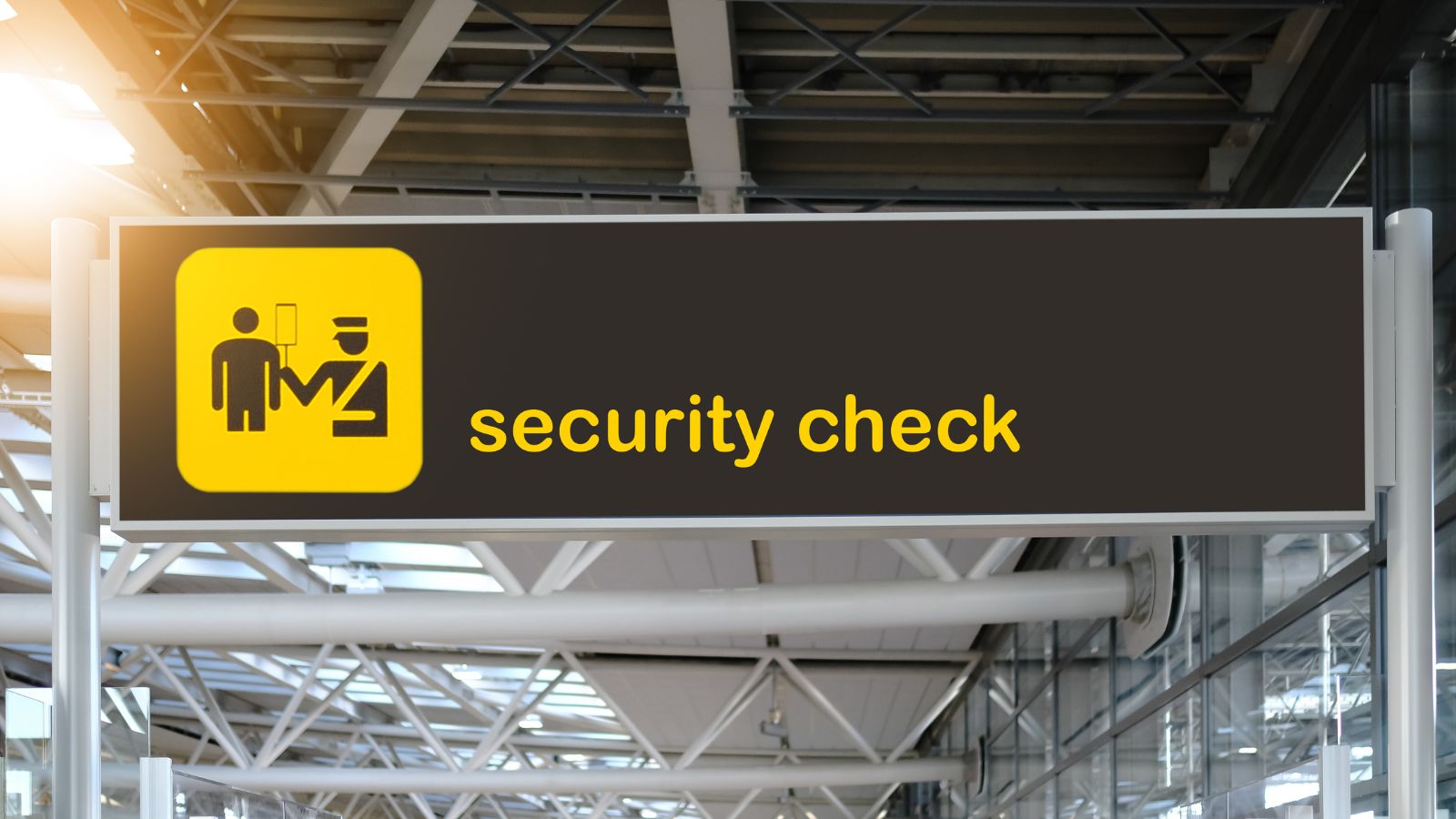
One of the biggest changes came soon after 9/11. The US created the Transportation Security Administration, or TSA, and brought airport security under federal control. Cockpit doors were strengthened and security checks became much stricter. The fact that you now have to show identification, stand in longer security lines all goes back to one fateful day in New York.
2006: When Liquids Became A Security Concern
Another major change came in 2006, after British authorities uncovered a plot involving liquid explosives on flights to the US and Canada. Soon after, airports introduced strict rules on carrying liquids, gels and aerosols in hand luggage. The 100ml limit followed, along with the clear plastic bag passengers still use at security checkpoints.
The same period also made removing shoes at security a part of flying requirements in many countries. Air marshals also became a more prominent part of aviation security. In July 2025, the Trump administration ended the requirement for passengers to remove their shoes during airport security checks, a ritual that had seen travellers going through security barefoot or in socks.
2008: Security Goes Beyond Passengers
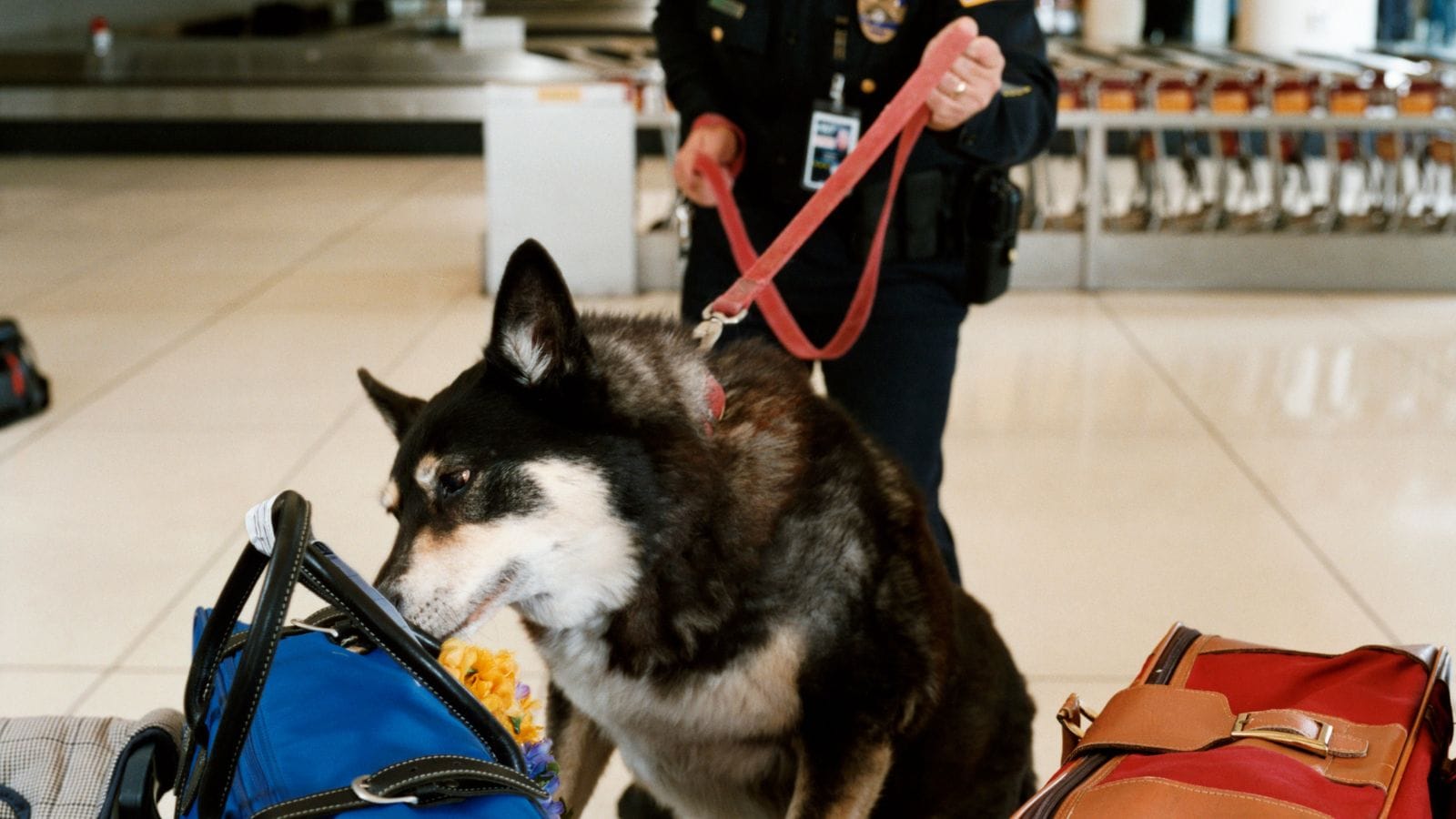
Airport security was no longer focused only on passengers and their hand luggage. By 2008, bomb-sniffing dogs were being used more widely to check cargo carried on passenger aircraft. Security teams were looking at what was being loaded into aircraft as well as who was boarding them.
Body Scanners Were Rolled Out Because Of “Underwear Bomber”
The rule had its roots in an attempted attack on Christmas Day in 2009. On Northwest Airlines Flight 253, a passenger tried to detonate explosives hidden in his underwear as the plane approached Detroit. The device failed to explode but started a fire, badly burning the passenger. At the time, traditional metal detectors could not detect the plastic explosives hidden under his clothes. The TSA was already testing full-body scanners at some US airports, but the attempted attack pushed authorities to speed up their use.
The scanners use radio waves to detect a wide range of prohibited items. This is why you are often asked to step inside the area and put your feet apart and hands in the air.
2017: Security Goes Digital
Nearly two decades after 9/11, airport security began changing again.
Facial recognition and biometric screening started being tested at airports, allowing passengers to use their face as part of the identification and boarding process. The technology has since spread to airports around the world, including India, where biometric systems are now part of the travel experience at several airports.
Despite the changes and the fear that followed 9/11, air travel continued to grow. Millions of people still fly every day, and for younger travellers, many of these security measures have always been part of the experience. They have never known a time when you could arrive just before your flight, walk through security with fewer checks or have your family see you off right at the gate. For those who remember flying before 2001, however, today’s airport experience is a reminder of just how much changed after September 11.
Quick Answers
 Ask News18
On Christmas Day in 2009, a passenger on Northwest Airlines Flight 253 tried to detonate plastic explosives hidden in his underwear. Because traditional metal detectors could not detect these hidden plastic explosives, the TSA accelerated the rollout of full-body scanners. These scanners use radio waves to detect a wide range of prohibited items, which is why passengers are now frequently asked to step inside the scanner with their feet apart and hands raised.
Ask News18About the Author

Mallika Bhagat is a Deputy News Editor at News18, where she leads the Lifestyle and Viral desks. A seasoned journalist and content strategist, she brings a decade of high-impact experience from India’…Read More

September 10, 2026, 7:15 PM IST
Source link
[ad_3]

