
Reliance Industries (19.289 Trillion): Reliance Industries leads the Indian market with operations across petrochemicals, refining, retail, and telecommunications. Its consumer-facing arms, including Reliance Retail and Jio, continue to drive immense domestic consumption and solidify its undisputed position at the top. (File Photo)
HDFC Bank (12.335 Trillion): As India’s largest private sector bank, HDFC Bank continues to command immense valuation. Following its major merger, the financial giant expanded its lending and retail footprint across the country, solidifying its place as a cornerstone of Indian banking. (File Photo)
Bharti Airtel (11.501 Trillion): Bharti Airtel is a premier telecommunications provider driving India’s digital transformation. With expansive 5G infrastructure, robust subscriber growth, and a focus on enterprise cloud services, Airtel remains a vital pillar in the nation’s modern economic growth. (File Photo)
State Bank of India (10.032 Trillion): As the country’s largest public sector bank, the State Bank of India provides massive banking access. Backed by the government, its expansive network and high credit disbursement make it an exceptionally stable and valuable financial entity. (File Photo)
ICICI Bank (9.141 Trillion): ICICI Bank is a formidable private sector lender, displaying aggressive growth in retail and corporate credit. Its digital innovation, robust asset quality, and strong quarterly margins have pushed its market capitalization to impressive new heights. (File Photo)
Tata Consultancy Services (8.953 Trillion): TCS remains the crown jewel of the Indian IT sector, specializing in cloud, AI, and digital enterprise transformation. Despite industry volatility, it generates consistent profitability and sustains deep business relationships across global markets. (File Photo)
Bajaj Finance (5.781 Trillion): Bajaj Finance operates as an NBFC giant, disrupting the consumer finance market through digital lending platforms. It continues to capture a massive share of personal and durable goods financing across India’s growing middle class. (File Photo)
Larsen & Toubro (5.634 Trillion): Larsen & Toubro is the country’s primary engineering and construction conglomerate. It stands at the heart of India’s capital expenditure push, securing major infrastructure contracts ranging from heavy machinery to advanced defense manufacturing. (File Photo)
Hindustan Unilever (5.437 Trillion): Hindustan Unilever dominates the FMCG sector, manufacturing essential household and personal care products. Its robust pricing power and deep penetration into rural and urban markets ensure consistent consumer demand across multiple categories. (File Photo)
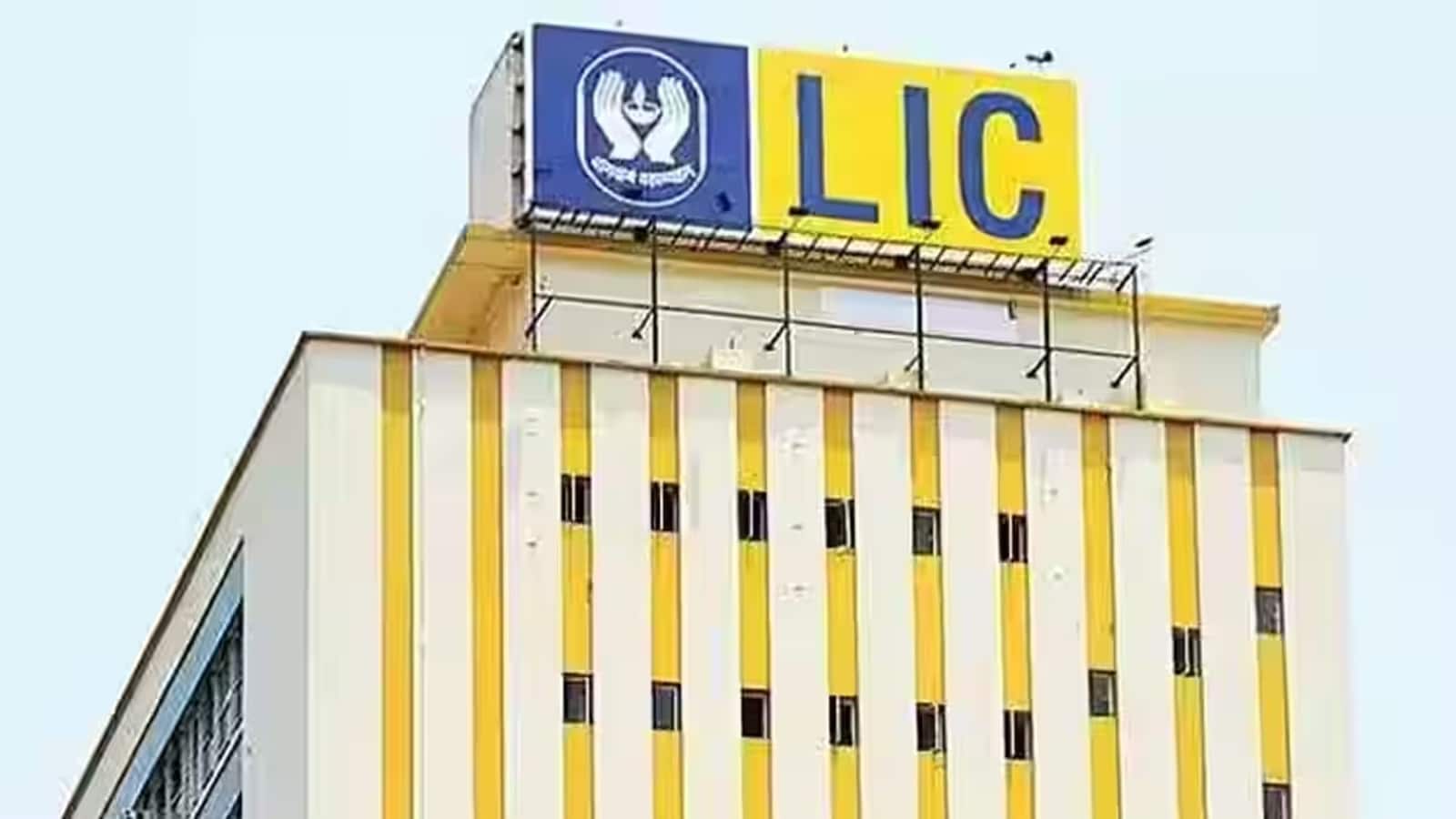
Life Insurance Corporation (5.138 Trillion): LIC remains India’s largest state-backed life insurance company. Holding an unmatched volume of financial assets and policyholders, its massive financial reserves continue to anchor the Indian public financial sector. (File Photo)

What Is Market Capitalisation?
Market capitalisation, or market cap, is a widely used metric to gauge a company’s overall value. It’s calculated by multiplying the current share price by the total number of outstanding shares. As a result, companies with larger market caps are typically considered more valuable in the eyes of the market. (File Photo)

Note: Market capitalisation can vary significantly over time—even from one day to the next—because it is directly influenced by a company’s share price. The figures presented are as of April 30, 2026. (File Photo)
Source link
[ad_3]

