
6 minutes ago
- copy link
In Europe, 50,391 people died due to extreme heat between June and August this year. Of these, climate change has been held responsible for 32,619 deaths. The rising global temperature due to burning of coal, oil and gas made the heat more deadly.
Scientists at Imperial College London made this estimate by studying the temperature and death data of 854 cities in Europe. About 40% of Europe’s population lives in these cities. Compared to 2022, this time deaths due to heat increased by 71%. 29,480 people lost their lives that year.
The highest number of deaths have occurred in Italy, France, Spain and Germany. More than 800 people aged 20 to 44 also died due to the heat. Nearly one-third of deaths occurred between June 17 and July 1 alone. During this period the temperature was 5.3°C higher than normal.
According to researchers, the actual death toll may be higher due to the May heatwave not being included. Scientists have warned that Europe’s infrastructure is not prepared to deal with such extreme heat.

Due to the heat in France, the mercury had reached 60°C. Due to this, roads had melted in many areas.
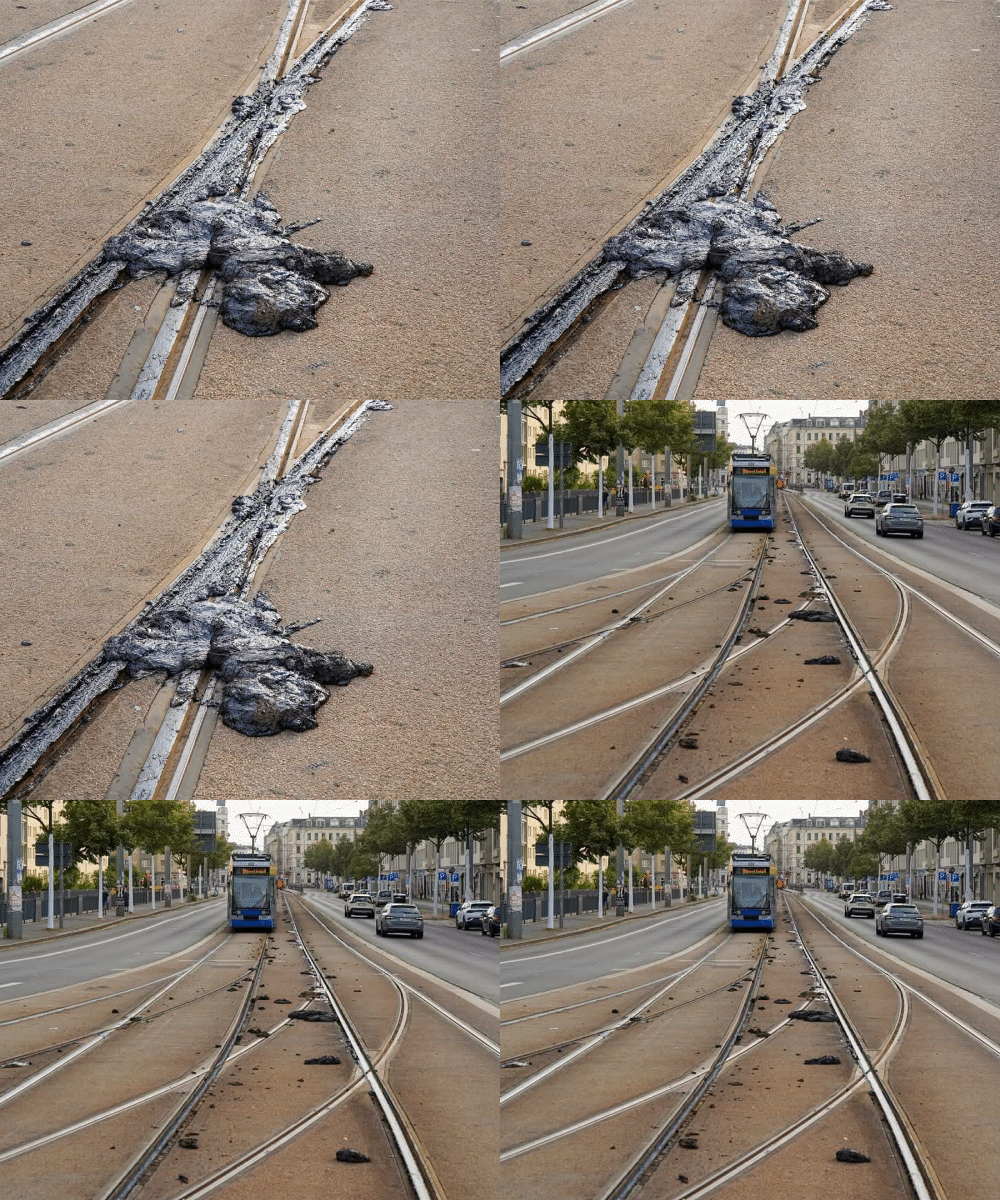
Due to the heat in Germany, railway tracks started melting and falling apart. Many trains had to be cancelled. The ACs of the trains had also stopped working.

Due to the arrival of more customers in a supermarket in Paris, the store of fans and coolers became empty within a few hours.
Earth likely to warm by 2.8°C in 75 years
According to UNEP’s Emissions Gap report, if current policies continue, the Earth could become 2.8 degrees warmer in the next 75 years than before the industrial era.
- Trouble even if promises are fulfilled: Even if the declared climate targets of all countries are met, the temperature rise may remain at 2.6°C. Even if the promises of net zero are fulfilled, it may be limited to 2.1 degrees.
- 1.5°C limit will be broken: It is no longer possible to keep the temperature rise within this limit. This will increase the risk of heatwaves, floods, droughts and snow melting.
- Carbon emissions did not decrease: The world will release 58.4 billion tonnes of greenhouse gases in 2025. Emissions remained almost stable, but carbon emissions from coal, oil and gas increased.
- What next: To bring temperatures back to 1.5°C, emissions will have to be reduced by 18% by 2030, 45% by 2035 and 69% by 2040 compared to 2025. To reduce the earth’s temperature, 320 billion tons of carbon will have to be removed.
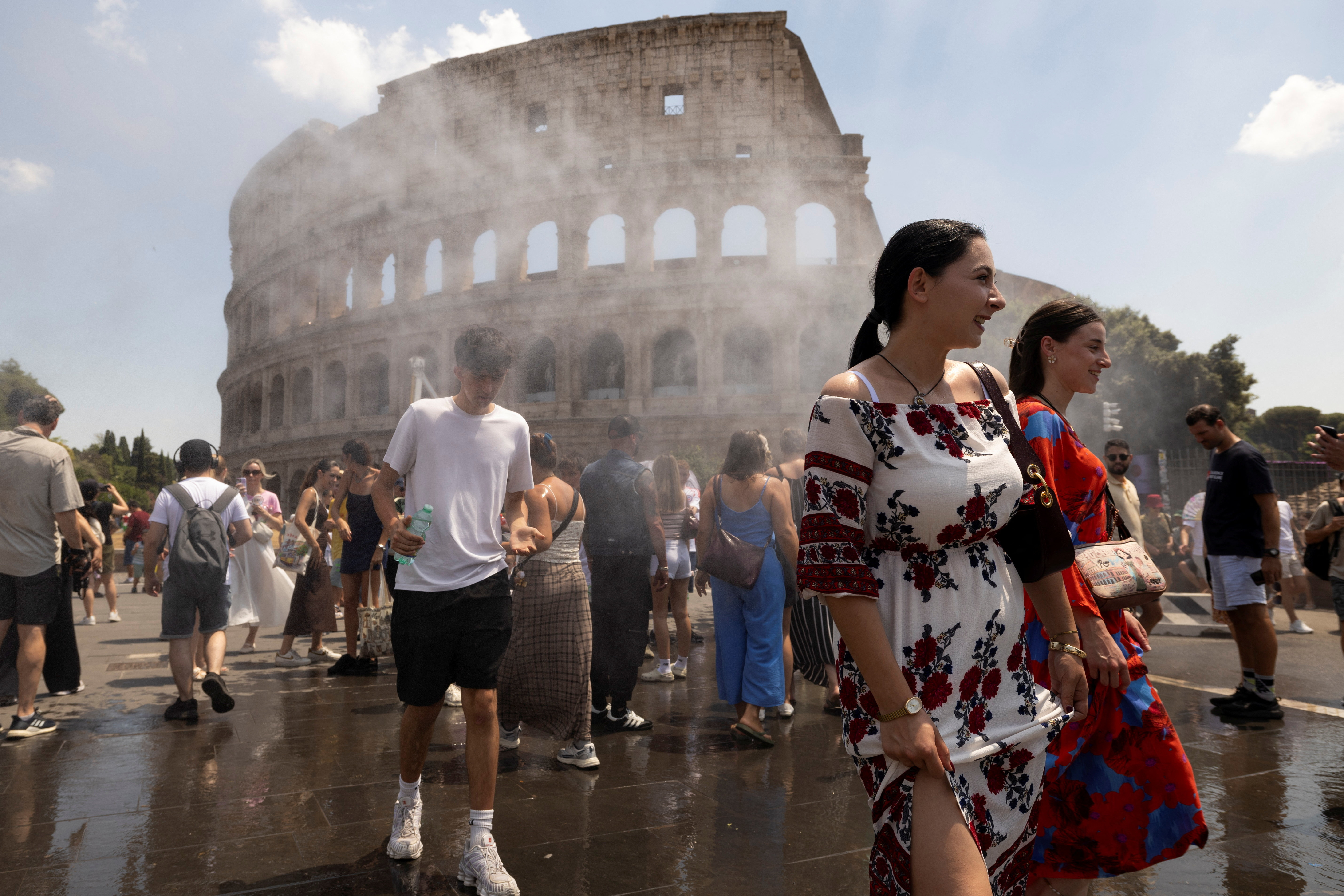
Amidst the heatwave, people started standing under the water spray near the Colosseum in Rome, Italy.
Goyal said- Europe is emitting eight times more carbon
Union Commerce Minister Piyush Goyal accused developed countries at the Berlin Global Dialogue of not fulfilling the responsibility of dealing with climate change.
He said that per capita carbon emissions in Europe are 7-8 times more than India. Developed countries had promised to raise Rs 9.49 lakh crore every year for help, but 11 years have passed, but we have not received even a single penny.
Fear of cyclone in Bay of Bengal after three days
The low pressure area formed in the Bay of Bengal can turn into a cyclonic storm. The Meteorological Department said on Friday that it can become a depression on October 24, a deep depression on October 25 and a cyclone on the morning of October 26.
After this it will move towards the coasts of Northern Andhra Pradesh and Odisha. There is a warning of heavy to extremely heavy rain in both the states between October 27 and 29.
——————————-
Read this news also…
Due to heat in Europe, rivers dried up, forests burnt, European Union considered heat also a disaster.

This year’s extreme heat has caused great devastation in Europe. About 35 thousand people died due to the heatwave, many rivers dried up and forests caught fire. Considering the situation, the European Union (EU) is now considering heat as a major disaster and is preparing to create a new system to deal with it. Read the full news…

Source link
[ad_3]

