
Kathmandu25 minutes ago
- Copy link
The Nepal government has lifted the ban from social media late on Monday night after heavy protests from the youth. After the cabinet meeting, Communications Minister Prithvi Gurung said that the government has obeyed the protesters. We have opened social media. The youth now stop protests.
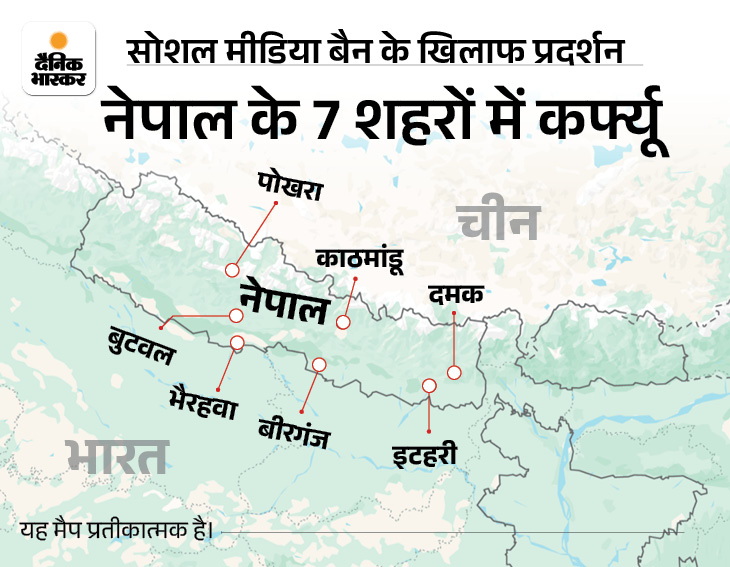
Earlier, Nepal’s Prime Minister KP Sharma Oli refused to lift the ban from social media platforms yesterday. The performance was led by Gen-Z youths aged 18 to 28 years. Yesterday, 20 people were killed in this protest, while more than 400 were injured.
The UN Human Rights Office has also expressed grief over the violence and demanded a fair inquiry into the case.
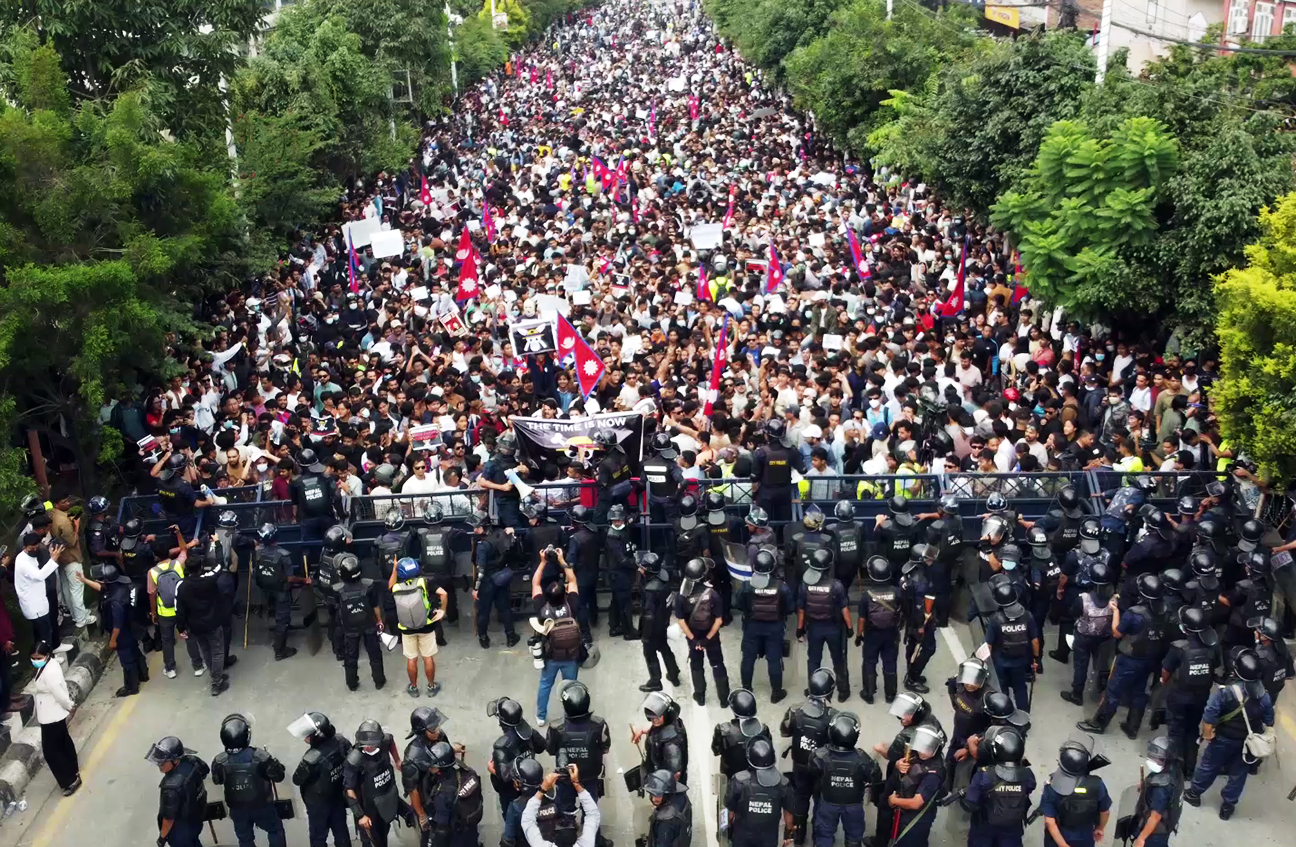
Crowd of protesters gathered outside Parliament House.
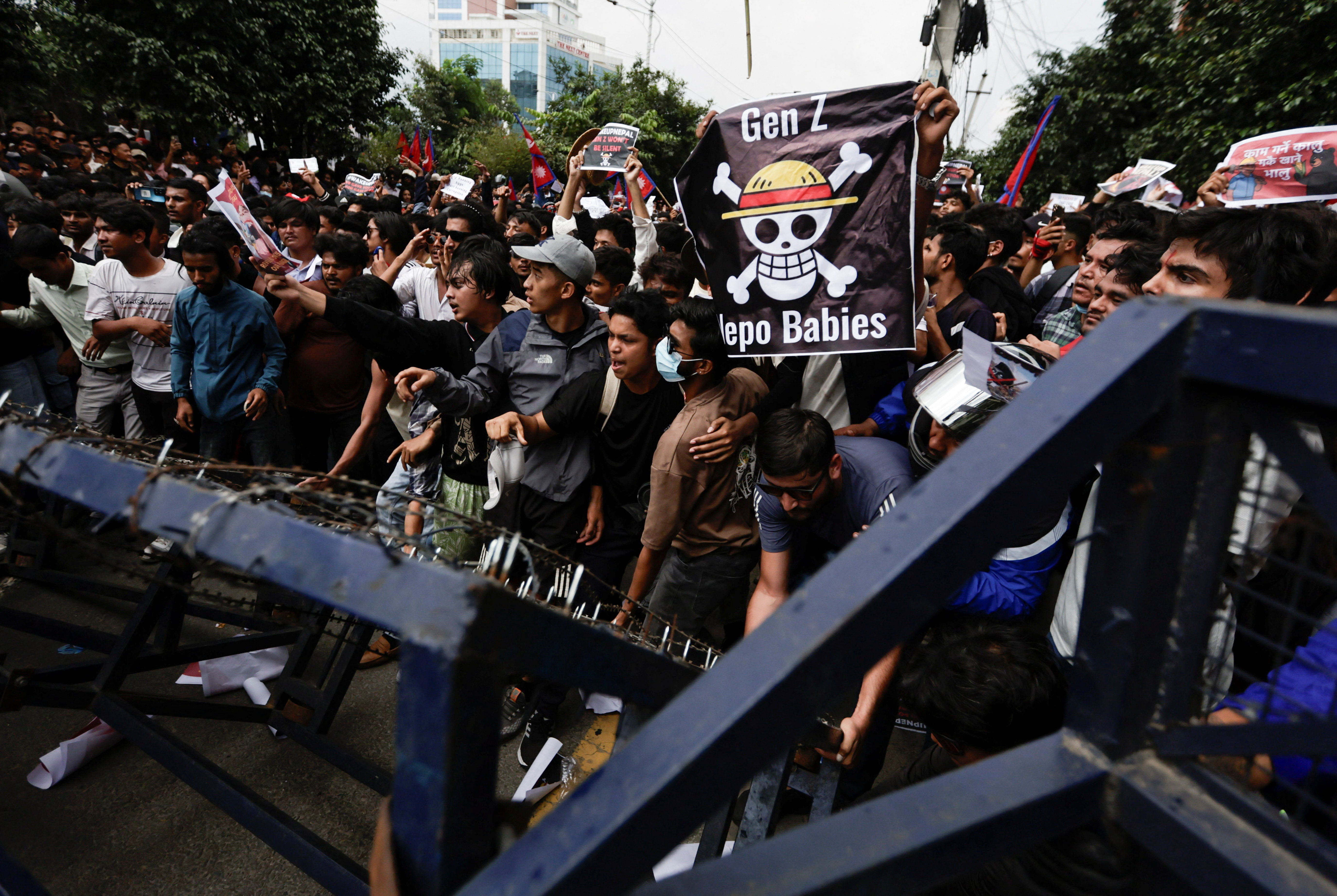
Some people tried to break the barricades and enter the Parliament House.
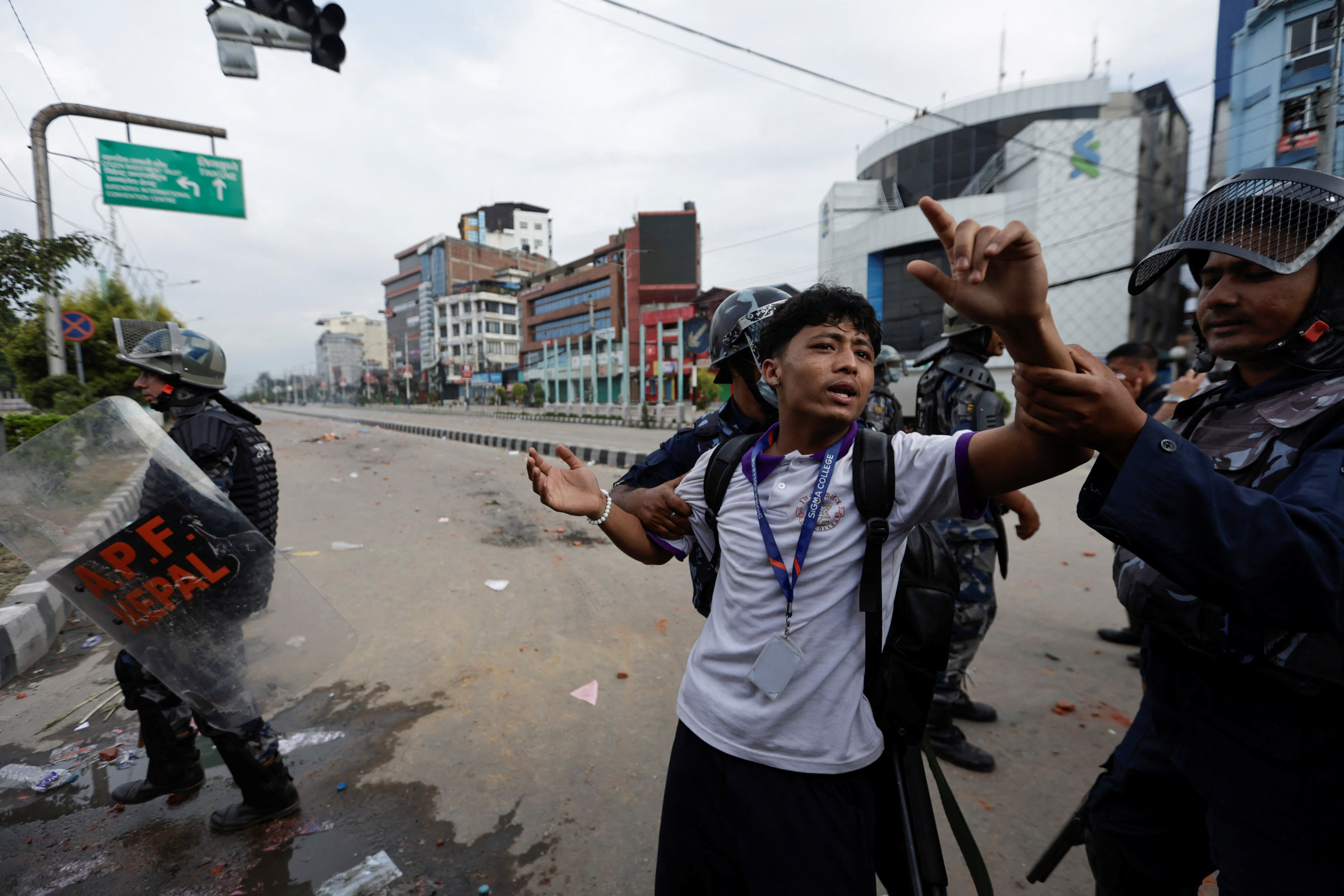
The police also used force to control the protest.
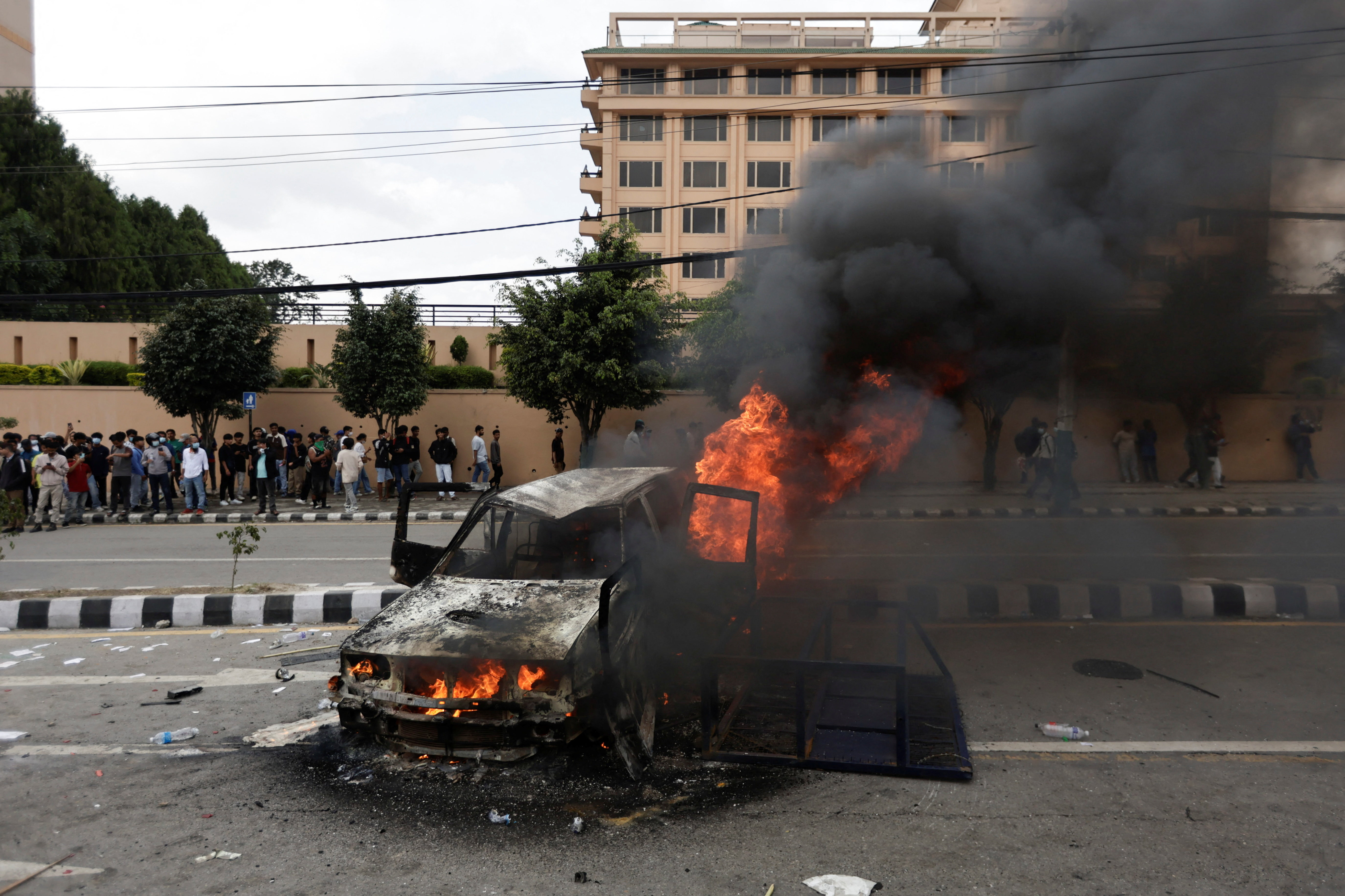
People set fire to the car parked on the streets during the protest.

Sriyam Chaulagain, a student of 12 of the Global College of Management, died during a performance.
The government banned social media on 3 September
The Nepal government had decided to ban 26 social media sites including Facebook, Instagram, YouTube on 3 September.
These platforms did not register in the Ministry of Communications and Information Technology of Nepal. For this, the ministry issued an order on August 28 and gave 7 days time, this deadline ended on 2 September.
Why did social media close in Nepal?
The Nepal government had ordered all social media platforms to register within 7 days after the Supreme Court directive. The government argued that without registration, these platforms were being used to spread fake ID, hate speech, cybercrime and misinformation in the country.
On September 4, the government banned 26 social media platforms for not registering within the stipulated time. It had large platforms like WhatsApp, Facebook, YouTube. The platforms like tickets, vibers were not banned, as they had registered on time.
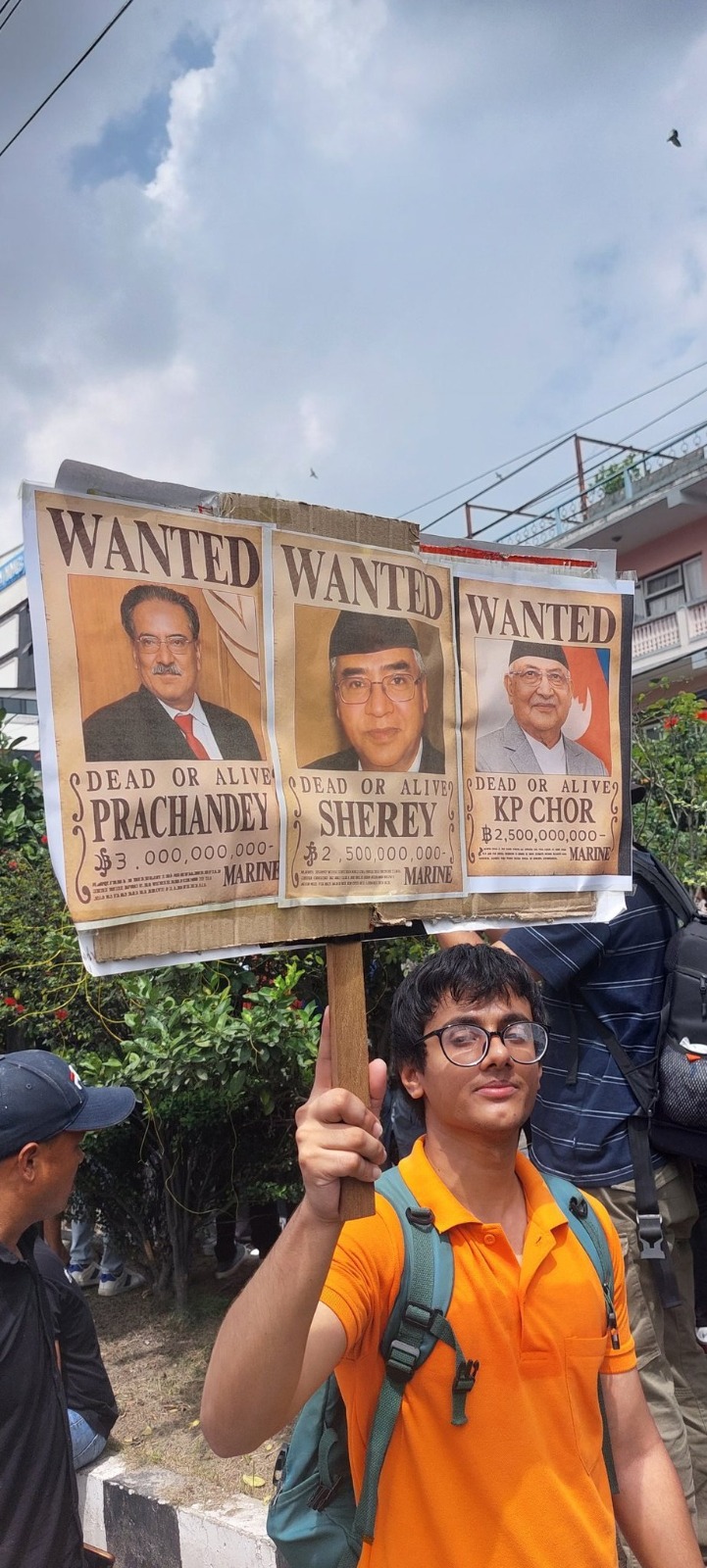
The protesters came out yesterday with the President of Nepal, the Prime Minister’s Wanted posters.
Why 26 companies like YouTube could not register
According to the rules, every company has been required to keep a local office in Nepal, appoint a local officer to remove the wrong content and respond to legal notices. Along with this, it was also made necessary to accept the rules for sharing user data with the government.
Companies find these conditions very strict in terms of data-priority and freedom of expression. According to reports, companies keep local representatives in big countries like India or Europe, because there are very high users. But Nepal’s user base is small, so companies found it very expensive.
If companies accept this condition of the Nepali government, then they would have been pressurized to follow these rules in other small countries, which are quite expensive. This is the reason that Western companies did not accept the condition of the Nepal government and did not register on time.
Source link
[ad_3]

