
DehradunA few moments ago
- Copy link
With the help of thermal imaging cameras and dog squad, a search operation is being conducted in the accident area.
Cedar trees could be stopped in the accident in Dharali in Uttarkashi. Professor Shekhar Pathak, who has written several research books on the Himalayas, says that Uttarakhand’s high and Trans Himalayas (area above 2000 meters above sea level) were filled with forests of this tree. There were an average of 400–500 cedar trees in a square kilometer.
The highest number of cedar trees were in the Himalayas with Gangotri above the disaster -hit Dharali. Then whether the clouds are torn or landslides, cedar debris-water did not let down. But in 1830, the British soldier Fadrik Wilson, who fled the Indo-Afghan war, reached Harshil and started cutting the cedar, it could not stop even today.
Professor Pathak says that today cedar was cut and became a building, many projects started. As a result, there are only 200-300 trees in one square km of this area, it is also new and weak. The devastation of Dharali is the result of that. There was a dense forest of cedar in the village from which the devastation came down. But that forest has been destroyed.
The cloudburst at Dharali in Uttarkashi district at 1.45 pm on August 5. Dharali village was frozen in 34 seconds due to flooding in Kheer Ganga river. So far 5 deaths have been confirmed. 100 to 150 people are missing, they may be buried in debris. More than 1000 people have been airlifted.
Understand the accident in Dharali from this picture …
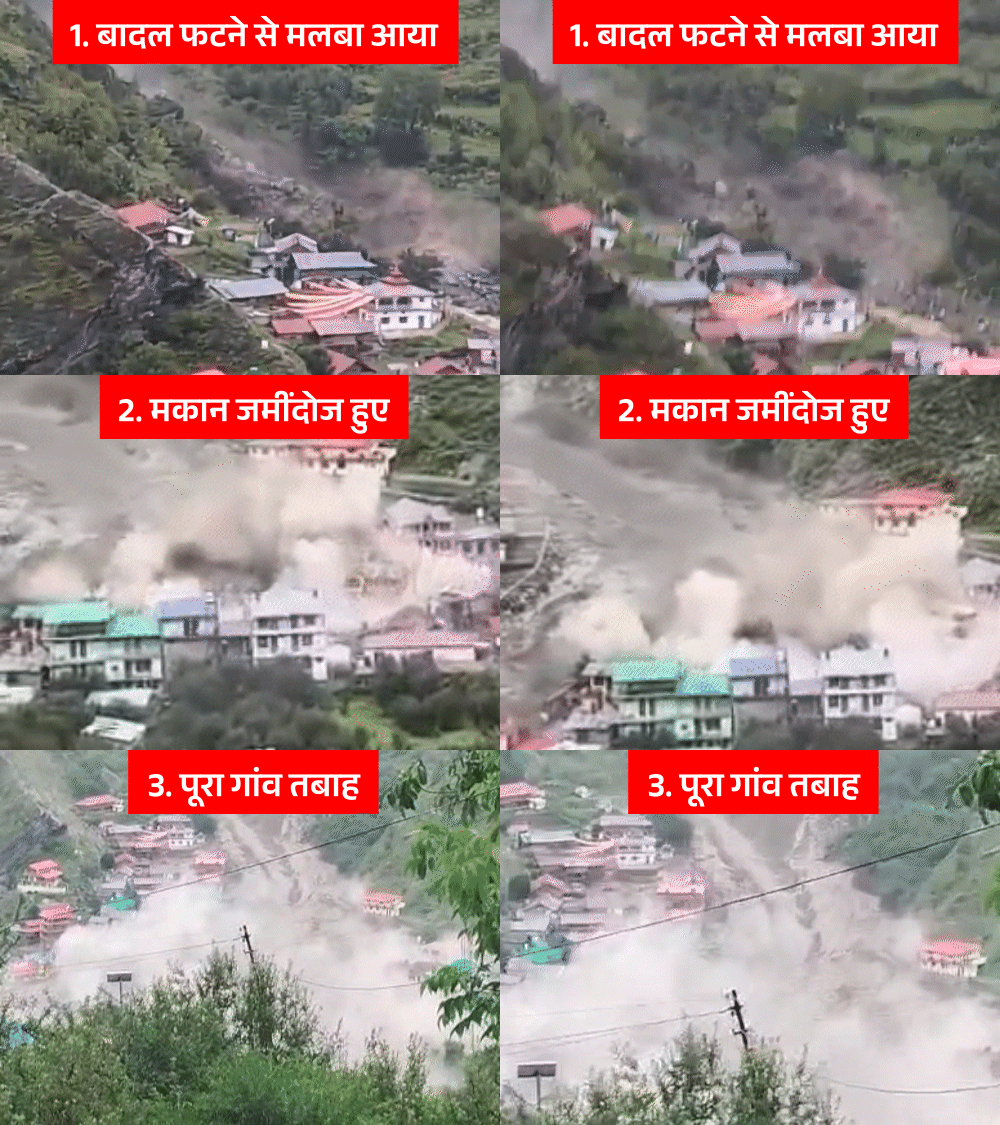
Himalayan people worship cedar like God Professor Shekhar Pathak explains that cedar played the most important role in the Himalayas after the origin, as its forest is quite dense. The bottom part of it contains dense shrubs like oaks.
It is a system, which holds the soil of the Himalayas even after the earth or cloudburst. That is why the Himalayas worship it like God. But in the 19th century, the period of brutally cutting it was started by Wilson, it continues even today.
Understand the scene from the map …
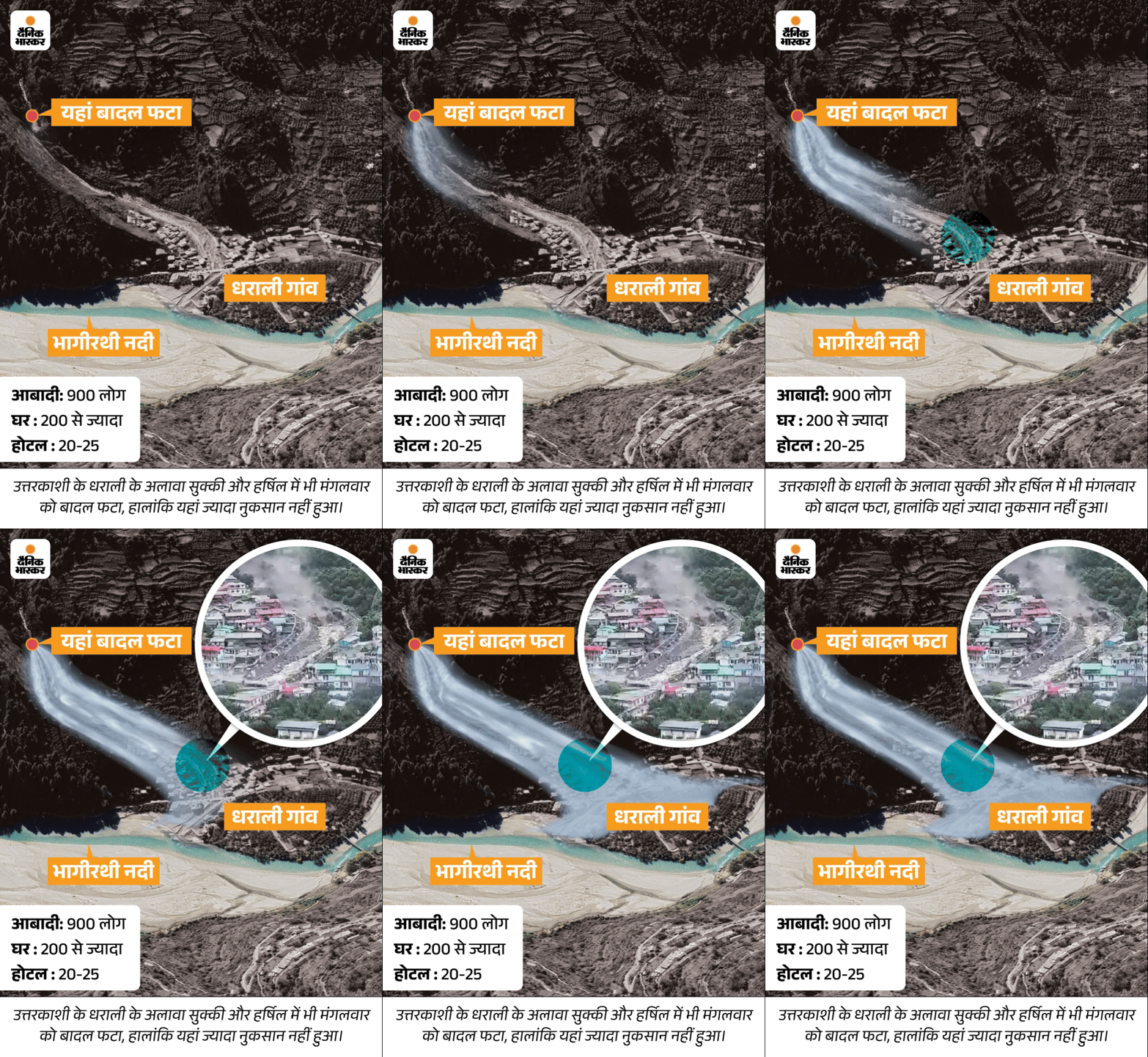
Geological scientists said- There were some federal trees in the accident area
Senior Geological Scientist Professor MPS Bisht has stated in his paper that where the disaster has just arrived, the area of Dharali was in the middle of the glacier river. There was also cedar. When water comes out of the glacier, it flows with the fertile soil with him in the down stream down stream.
Professor Bisht said that this soil is very fertile. Therefore, forests were built here first in all areas of the higher Himalayas including Dharali. Then people cut them and made them fields. When the road reached, the market-haott on the fields. The original village of Dharali is still safe, but the market-regard is over.
The villages should be removed and the forest should be developed again in Dharali
Senior Geological Scientist Professor SP Sati says that there is still time, villages should be removed from there and the forests should be developed afresh. In Uttarakhand itself, the world’s oldest cedar tree is present in Chakrata. It is more than 500 years of age.
Latest update of Dharali accident- 2 photos
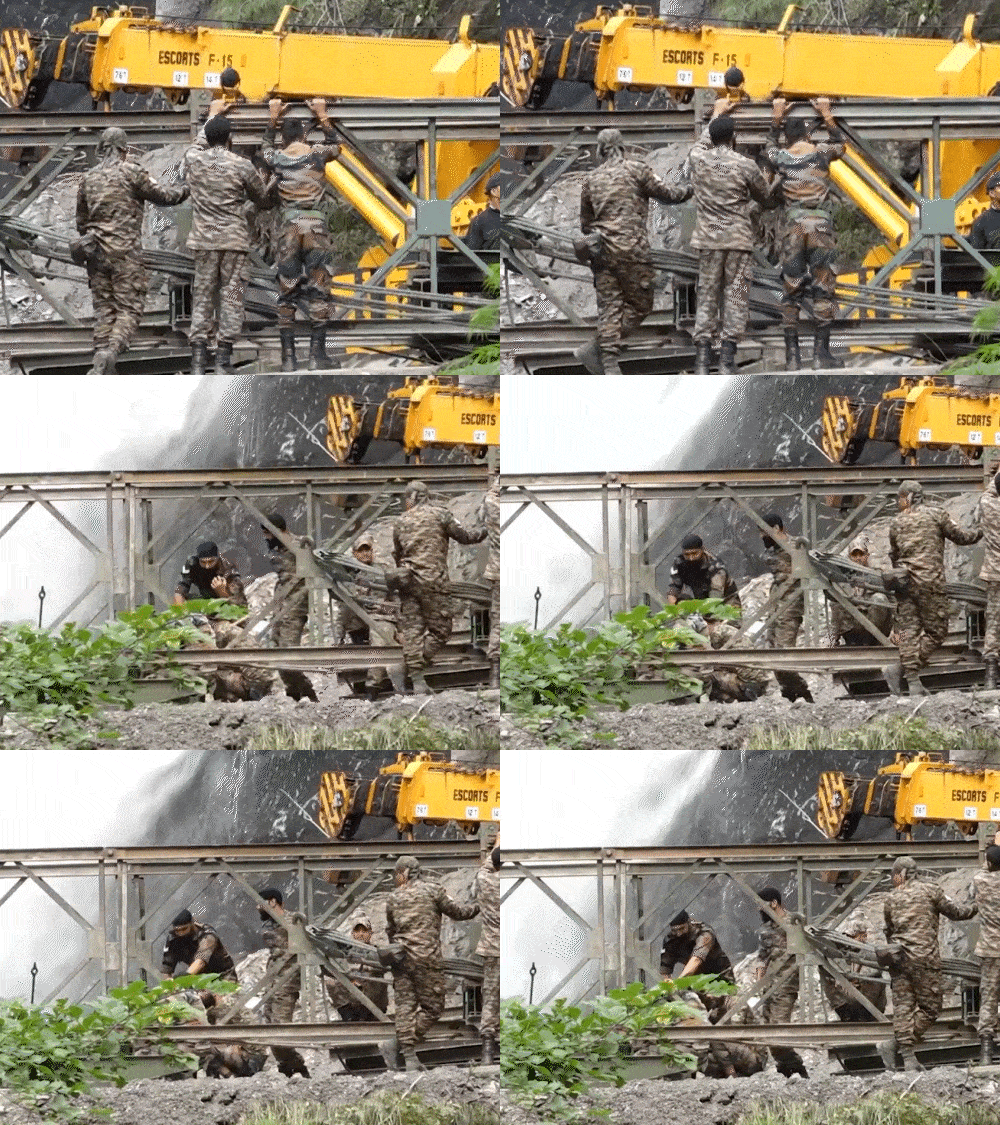
The Gangnani-Harshil Road bridge was broken in the accident. A bridge is being built to restore connectivity.
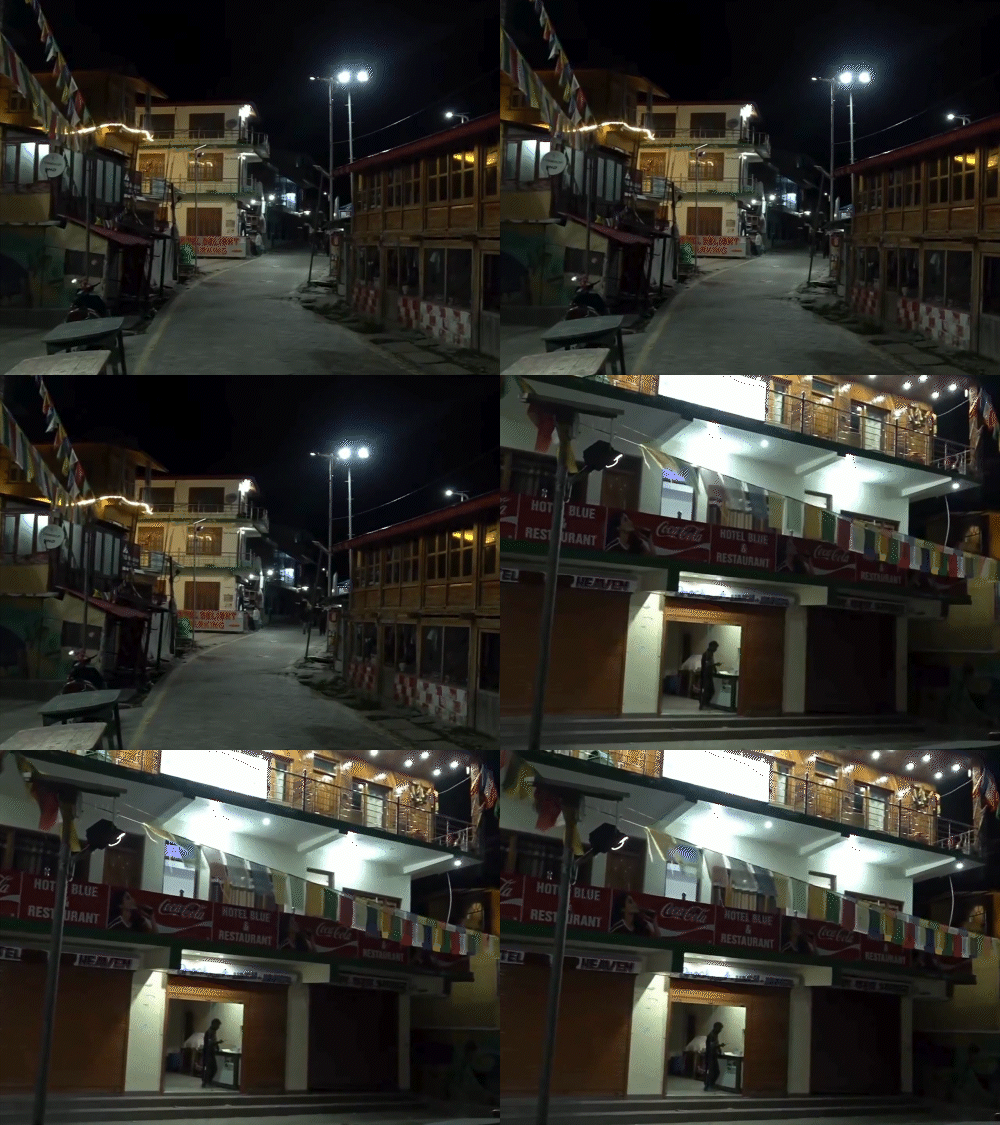
After the August 5 incident, electricity and internet service has started again in Harshil.
Work started to find people buried under debris
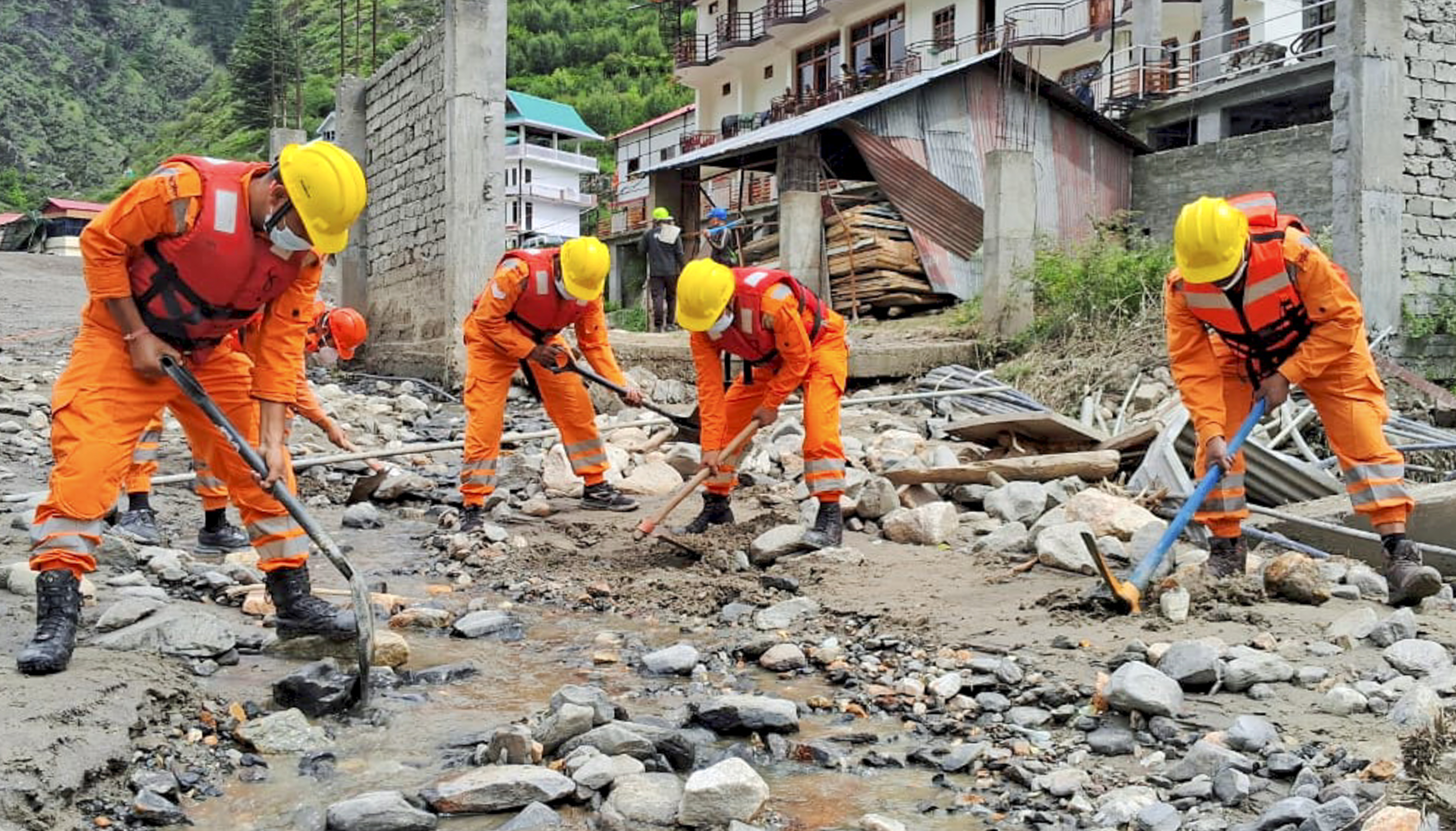
There is a possibility of more than 100 people being buried in the debris of Dharali village.
The army and NDRF team in Dharali have started searching for people buried under the rubble from Friday. For this, the army is using advanced penitting radar. With this, people buried in the ground can be traced without digging.
The penitrating radar sends a high frequency radio wave under the ground, where it describes soil, stone, metal and bones through different colors. Through this, people or bodies trapped up to 20-30 feet below the ground can be identified.
Source link
[ad_3]

