
tel aviv29 minutes ago
- copy link
President Isaac Herzog will announce today who will be the next Prime Minister of Israel. Support of 61 MPs is required to form the government. Gadi Aizencott’s alliance has been supported by 67 MPs from 6 parties.
Prime Minister Benjamin Netanyahu has the support of only 46 MPs. For this reason, it is believed that the President will not give him the first chance to form the government.
Till now no party has got majority in Israel. This is the reason why coalition governments have always been formed here.
President said – MPs are with us, but parties are not ready
President Herzog on Thursday spoke to the leaders of all the parties elected in Parliament. He had said that at first glance the opinions of the MPs appear clear, but there is no consensus on many issues between different political groups.
According to him, the parties also have reservations about each other. Therefore, it cannot be decided who will be able to form the government only on the basis of the recommendations of the MPs.
The President said that he will talk to some party leaders separately, so that the possibilities of forming the government can be clarified.
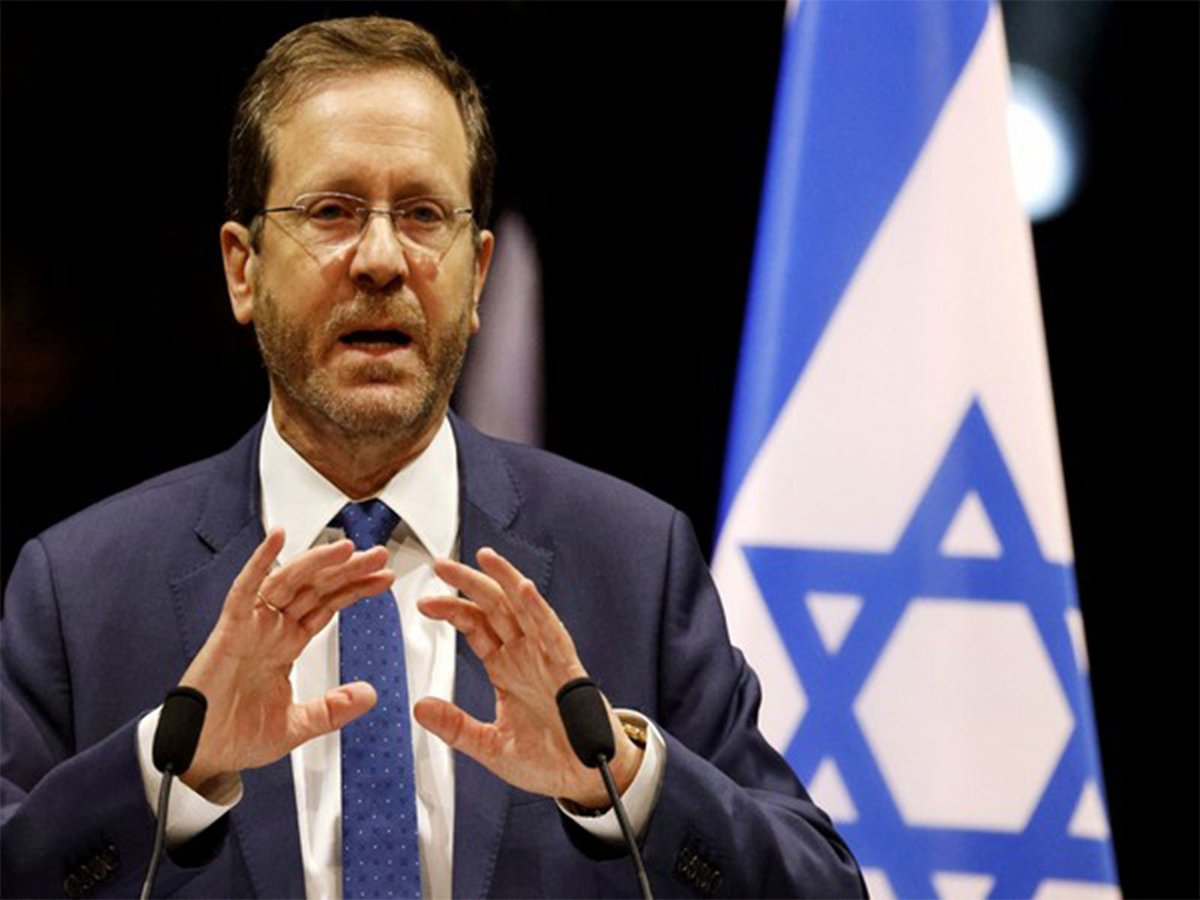
Israeli President Isaac Herzog on Thursday spoke to the leaders of all the parties elected in Parliament. (file photo)
Six parties suggested the name of Aizenkot, but were not ready to come together.
Aisenkot has received the support of 67 MPs from six parties. These include four Jewish parties and two Arab parties. The four Jewish parties have a total of 48 seats, while the two Arab parties have 19 seats.
The biggest difficulty is that out of these six parties, three Jewish parties are not ready to form a government with Arab parties. Aizencott had also ruled out including Arab parties in the government before the elections. On the other hand, Arab parties say they are supporting Eiseenkot to remove Netanyahu from power.
That is, there are recommendations of 67 MPs in favor of Aizencott before the President, but this number in itself is not a guarantee of forming a coalition government.
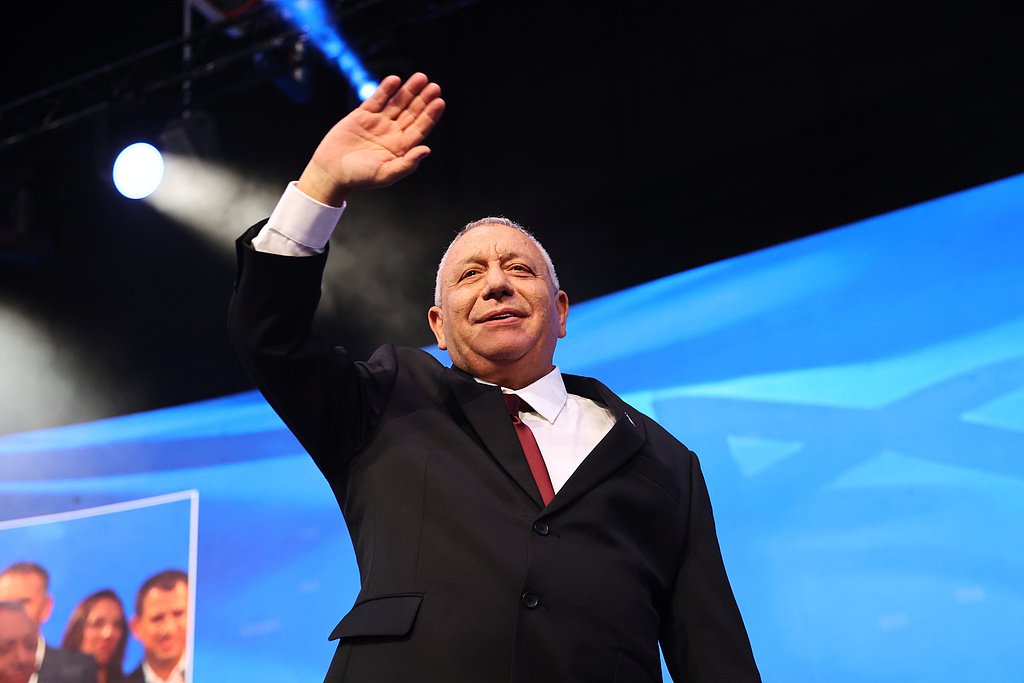
Aizencott had previously refused to form a government with the support of Arab parties.
Know the Joint List alliance
This is a political alliance that talks about the rights of Israel’s Arab population. There are three different parties involved in this. Along with Arab leaders, there are also Jewish leaders in the coalition.
Hadash: It is a leftist party. Advocates equality for Arab and Jewish citizens, workers’ rights, and peace with Palestine.
Lake: It is Ahmed Tibi’s party. Supports equal rights for Arab citizens, better education and employment opportunities, and the establishment of a Palestinian state.
Balad: Is a secular party with Arab nationalist ideology. Advocates making Israel a country where all citizens have equal rights.
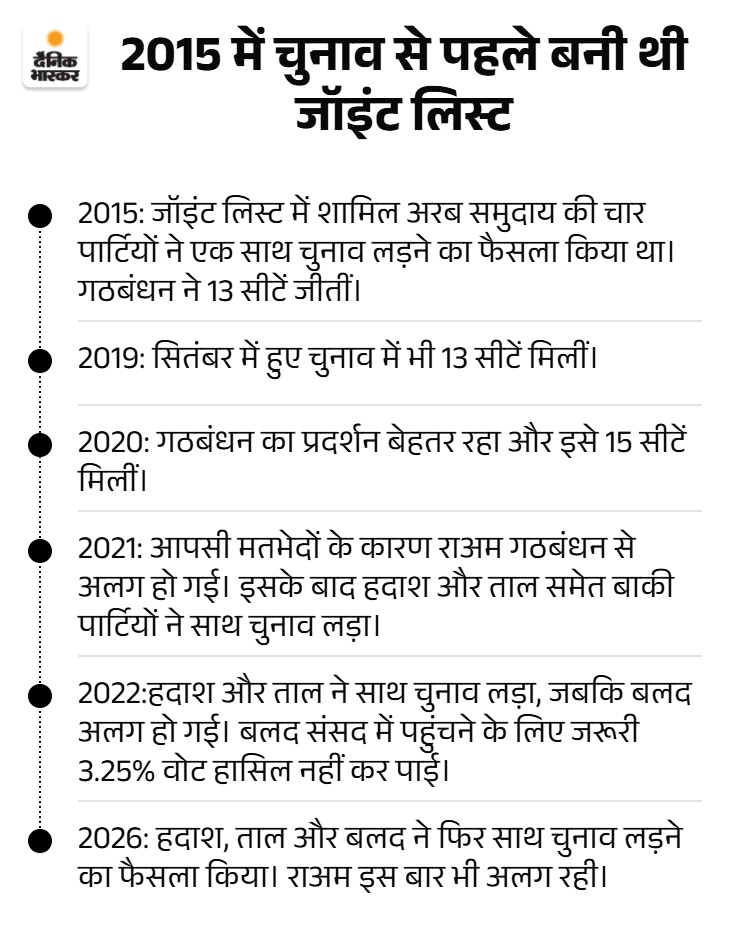
Who supported whom in the President’s meeting?
in support of eisenkot
- Yisrael Beytenu: Avigdor Lieberman’s party has endorsed Eiseenkot. It has 7 seats.
- Raam: Eight MPs from Mansour Abbas’s Arab Party recommended giving Aizencott a chance to form a government.
- Joint List: The Arab coalition, comprising 11 MPs, also supported Aizencott.
- Yashar and the Democrats: These parties of the opposition camp led by Aisenkot also suggested his name. Apart from this, the Biyachad Party led by Naftali Bennett also supported him.
in support of netanyahu
- Likud: MPs from Benjamin Netanyahu’s own party recommended giving him a chance to form the government again.
- Shas: This party led by Aryeh Deri also supported Netanyahu.
- Religious Zionism: Lawmakers from Bezalel Smotrich’s party recommended in Netanyahu’s favor.
- Otzma Yehudit: Itamar Ben Gvir’s party also supported Netanyahu.
- United Torah Judaism: MPs of this party also supported the formation of a government under the leadership of Netanyahu.
Did not support anyone:
- United Torah Judaism (UTJ): Did not recommend the name of any leader. It has 7 seats. This party has been an ally of Netanyahu for a long time, but this time it distanced itself from him.
Government will have to be formed in 42 days, Parliament meeting on November 10
In Israel, the post of President is generally considered ceremonial, but he plays an important role in the formation of the government after the elections. The President invites the leader who has the best chance of garnering a majority in Parliament to form the government. For this, they are not bound to choose the leader who gets the most recommendations.
When given a chance to form a government, the leader is given 28 days. If the government is not formed during this period, the President can give additional time of 14 days. That means the effort to form the government has to be completed in a total of 42 days.
The first meeting of Israel’s new parliament is expected to be held on November 10. If Eisencott or Netanyahu are not able to form a government within the stipulated time, then the President can give a chance to another leader. If all efforts fail, the way for new elections may open.
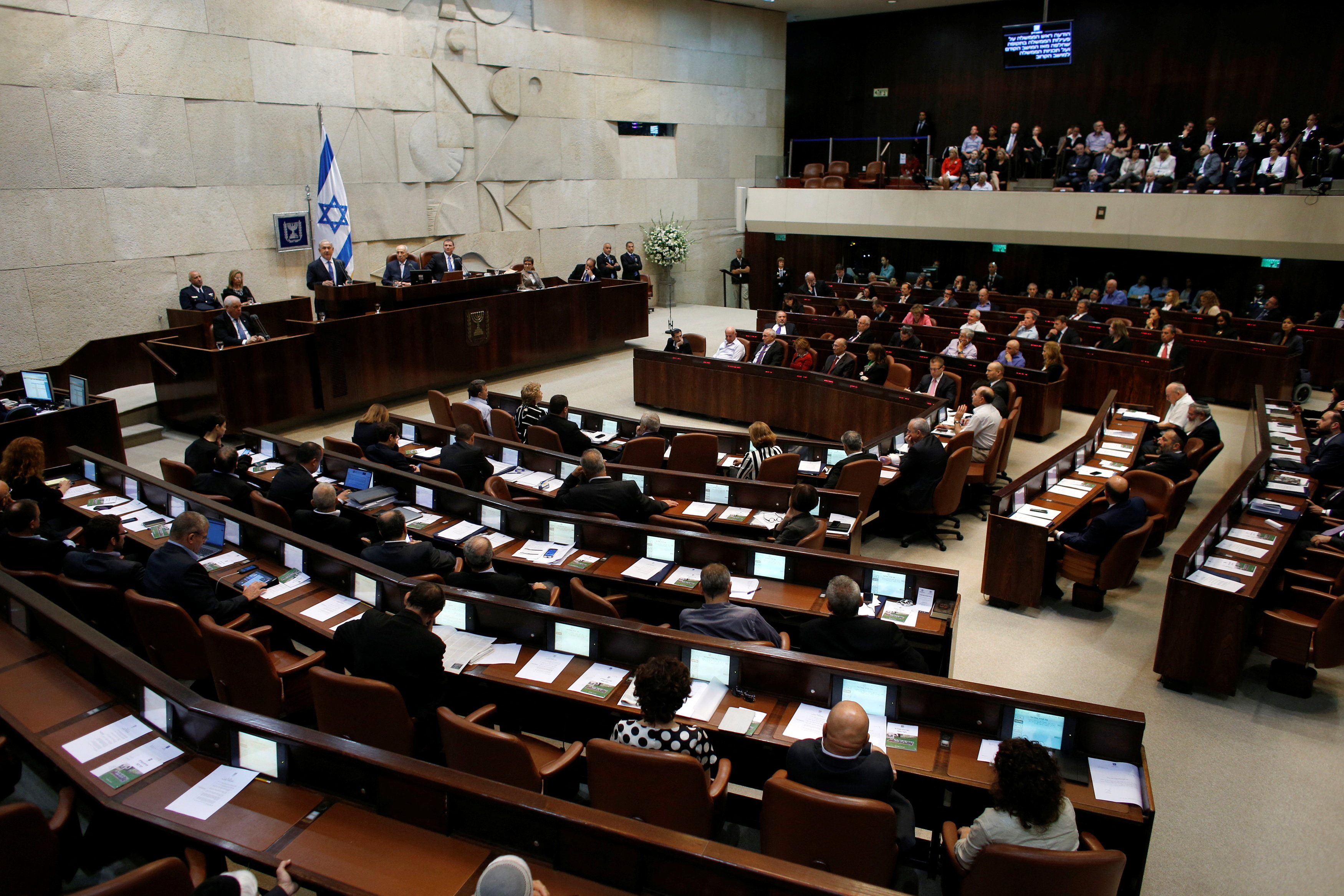
The Knesset, Israel’s parliament.
Netanyahu’s coalition got more seats in the elections
In the elections held on October 27, Netanyahu’s Likud party became the largest party by winning 27 seats. However, the religious and nationalist parties in alliance with it got a total of only 53 seats.
At the same time, the four parties included in Aizencott’s alliance won 48 seats. This alliance is made up of parties ranging from centre, left and right. Arab parties got a record 19 seats in the elections.
——————————
Read this news also…
In Israel, Eiseenkot laid out 4 conditions for the alliance: The Haredi community would also have to provide military service; Talks with opposition to remove Netanyahu
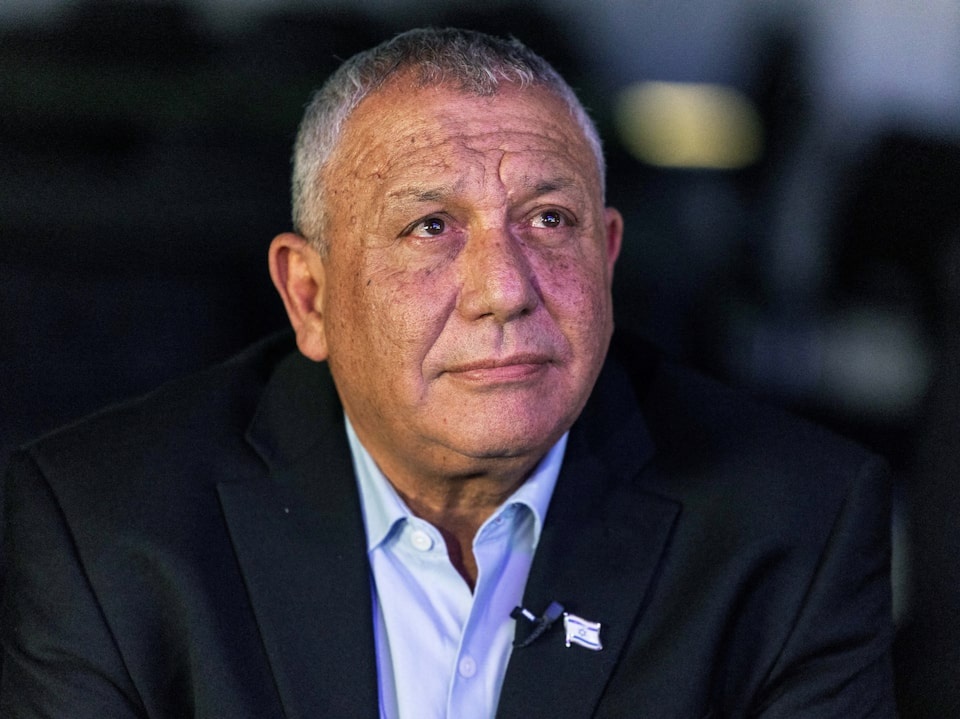
Opposition leader in Israel Gadi Eisencott has set 4 conditions for forming a new government. According to Israeli media Ynet, it will be mandatory for the Haredi community to provide military service. Read full news…

Source link
[ad_3]

