
When JDA bulldozers rolled into Jaipur’s Nandpuri underpass area on Monday, flattening over 125 illegal structures including a mosque, it was the yellow machine that did the talking — as it so often does across India.
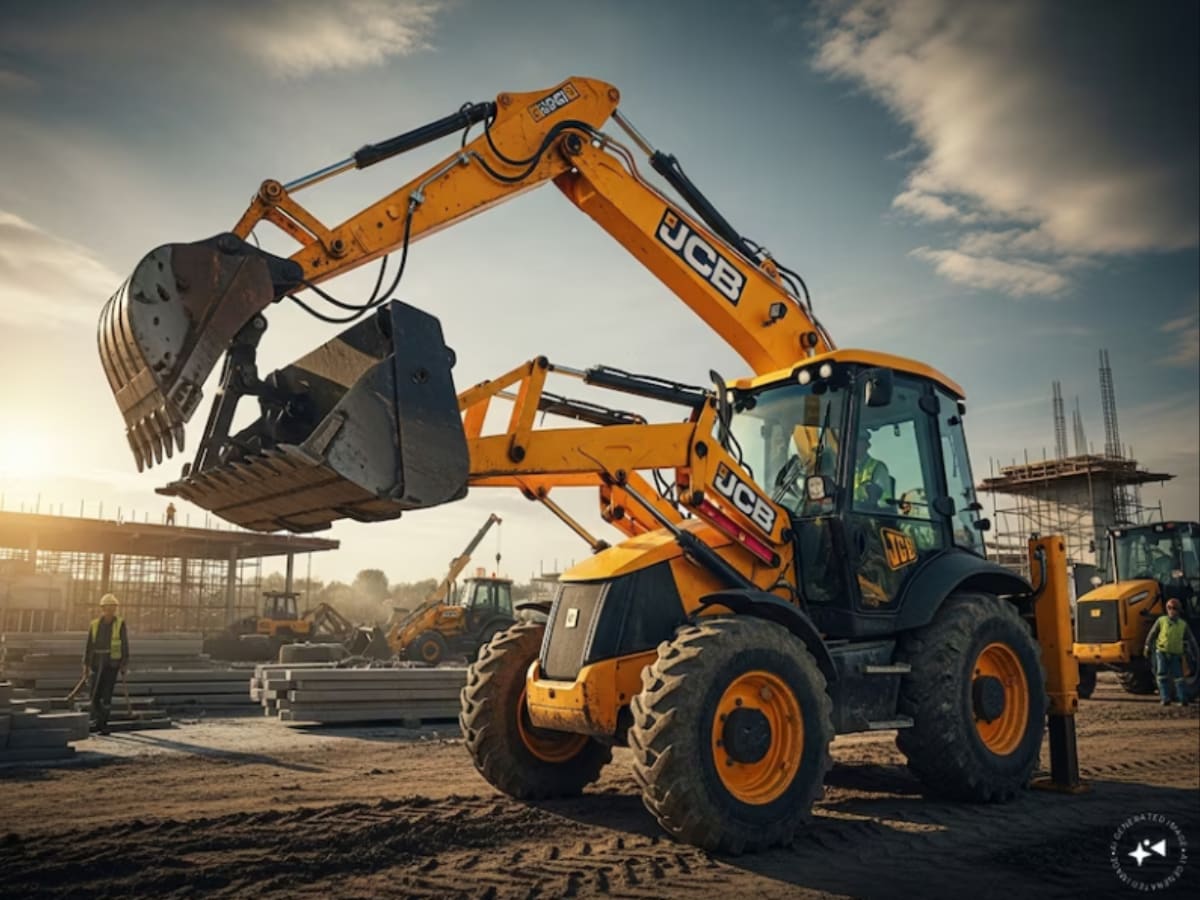
What Is JCB? Everyone has seen a JCB. But how many know what those three letters actually stand for? JCB is short for Joseph Cyril Bamford — the name of the British engineer who founded the company in 1945 out of a small garage.
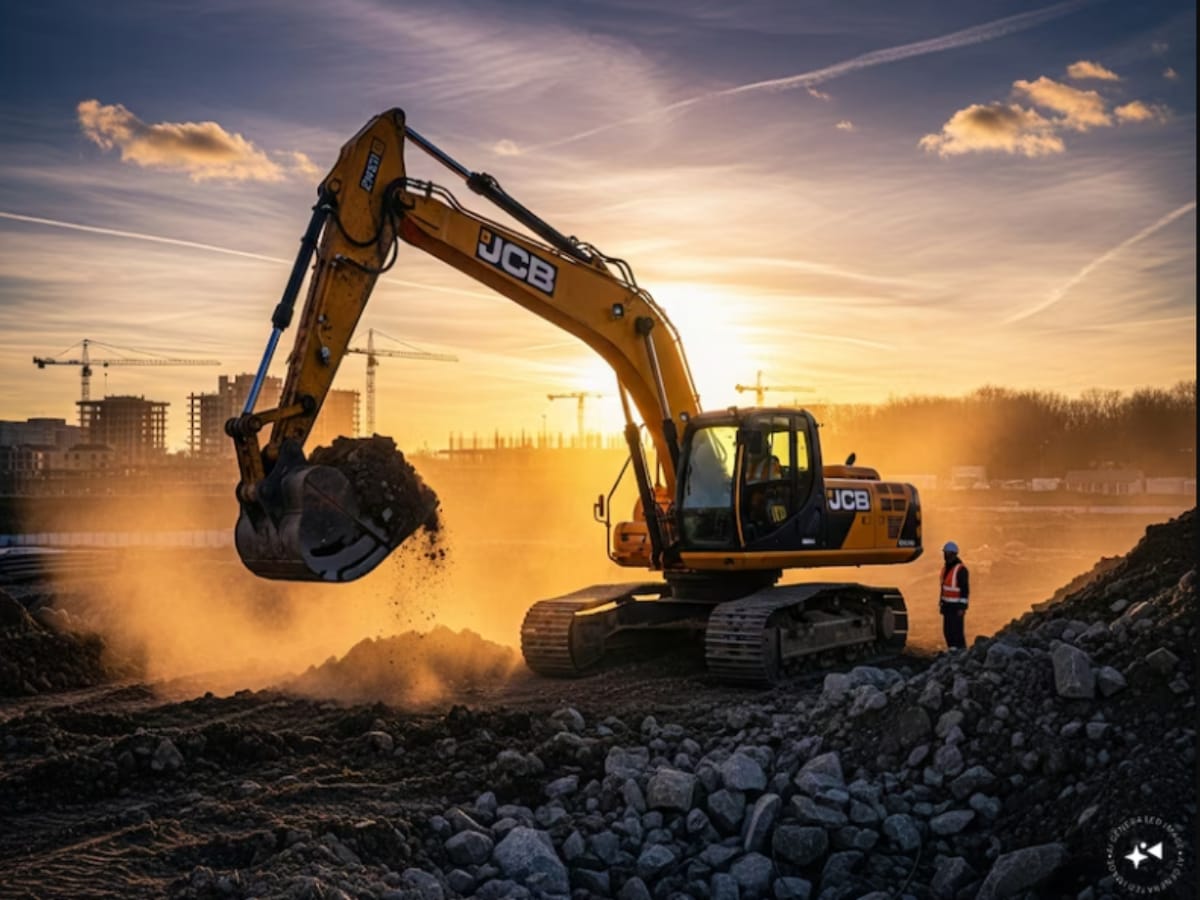
From Small Garage To Global Giant: What started as a tiny engineering outfit in post-war Britain quietly grew into one of the world’s most recognised construction machinery brands. Today, JCB operates in countries across the globe — and in India, it has become almost synonymous with the machine itself.
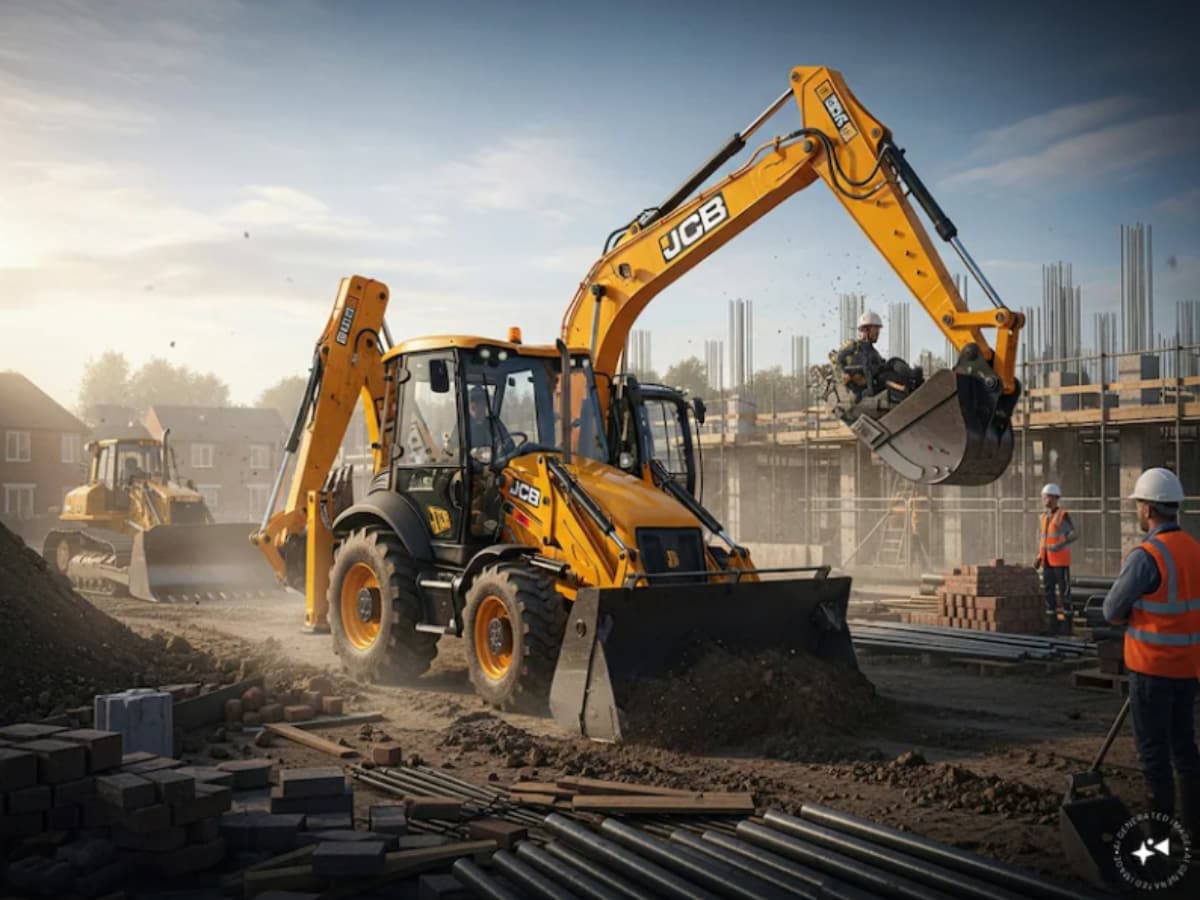
Why Yellow — The Safety Reason: That signature yellow is not a style choice. Construction sites are dangerous places where heavy machines and workers operate side by side. Yellow is highly visible in both daylight and low light, helping prevent accidents — which is why safety experts call it an “attention-grabbing colour.”
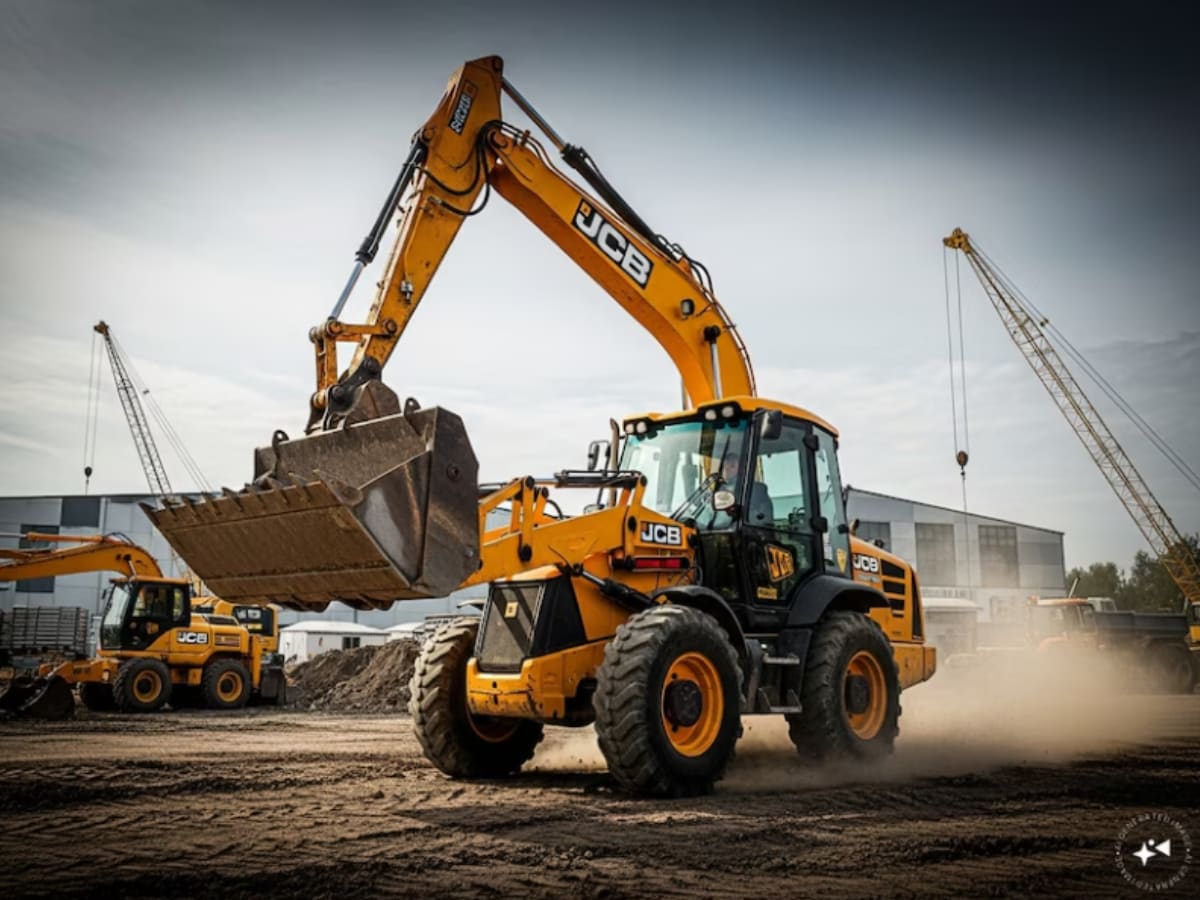
Why Yellow — The Practical Reason: Even caked in mud and dust, a yellow machine stands out. That visibility makes it easy to spot on a crowded site and quick to locate across large stretches of land. Several other construction equipment makers have adopted the same colour for the same reason.
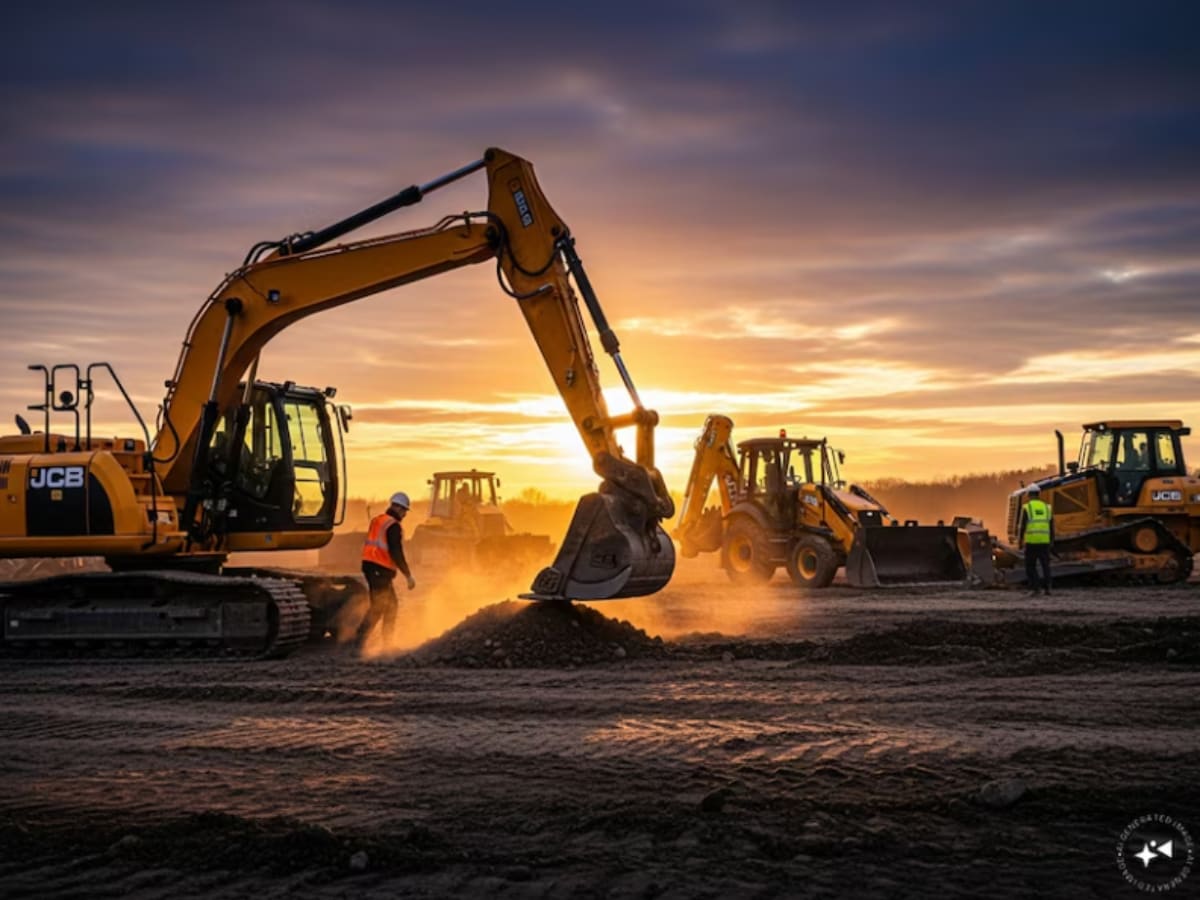
JCB In India: From remote villages to metro construction corridors, JCB machines are everywhere in India — digging foundations, laying roads, clearing land, and supporting farm work. The brand has embedded itself so deeply into everyday Indian life that people simply call any excavator a “JCB.”
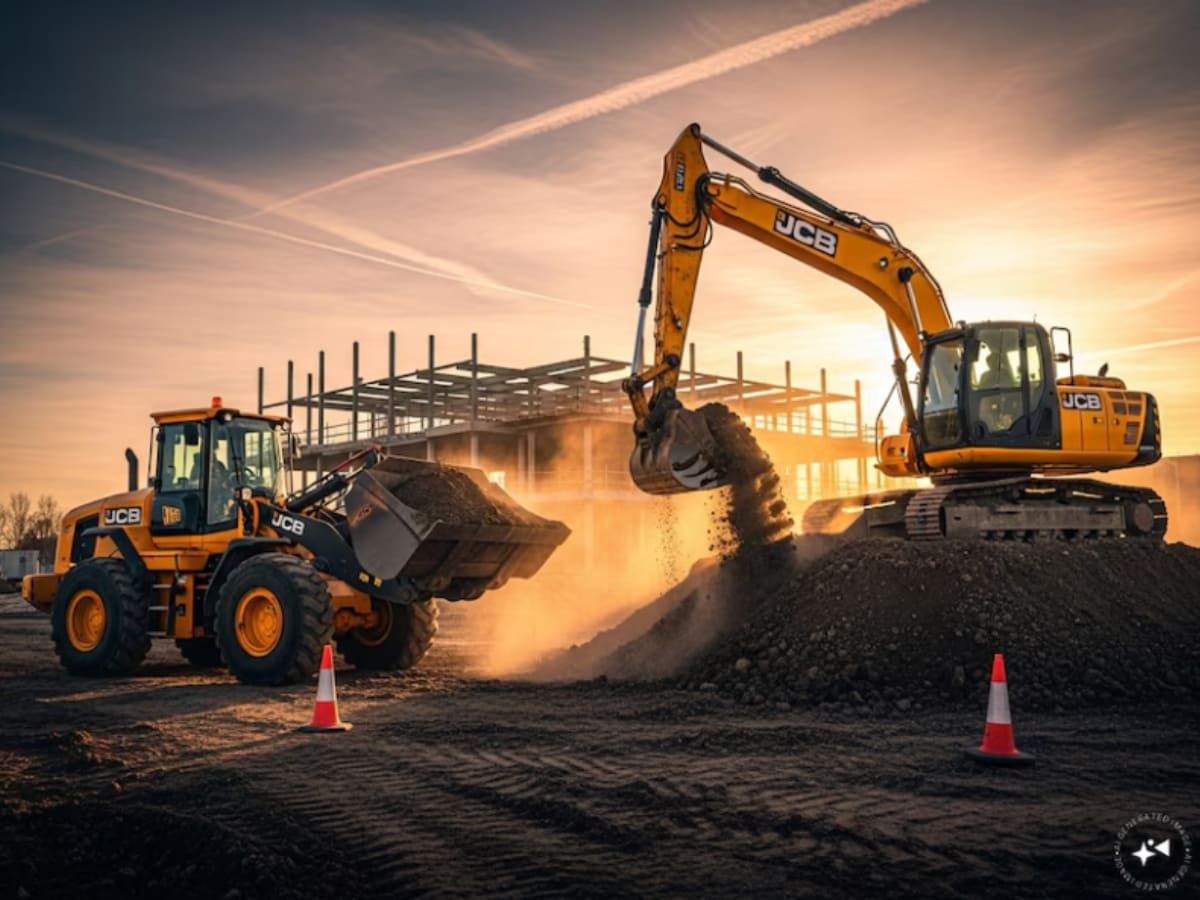
A name from 1945, a colour chosen for safety, and a machine that now symbolises development and demolition in equal measure — that is the story behind the yellow giant that shows up wherever India is being built, or torn down.
Source link
[ad_3]

