On May 2, every phone in Delhi and Mumbai beeped at once. It wasn’t a disaster — it was India rehearsing for one, using technology built entirely in-house.
One alert. Every phone. Simultaneously. India just tested something big.
If your phone buzzed with a loud, jarring alert on the morning of May 2 and the words “Extremely Severe” flashed on your screen — you were not alone. Millions of Indians, including Delhi and Mumbai residents, received the same notification simultaneously, and for a few seconds, nobody quite knew what to make of it. It was not a disaster. It was India rehearsing for one.
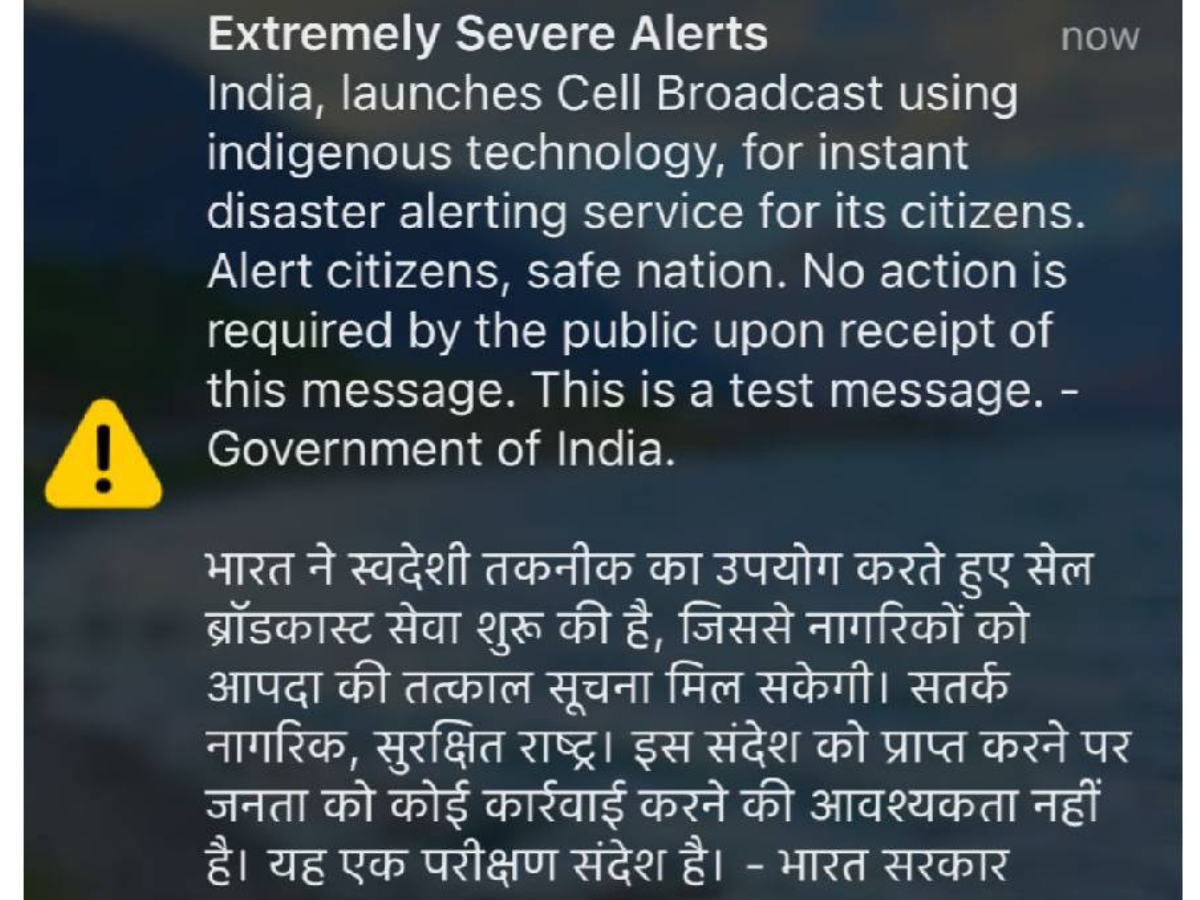
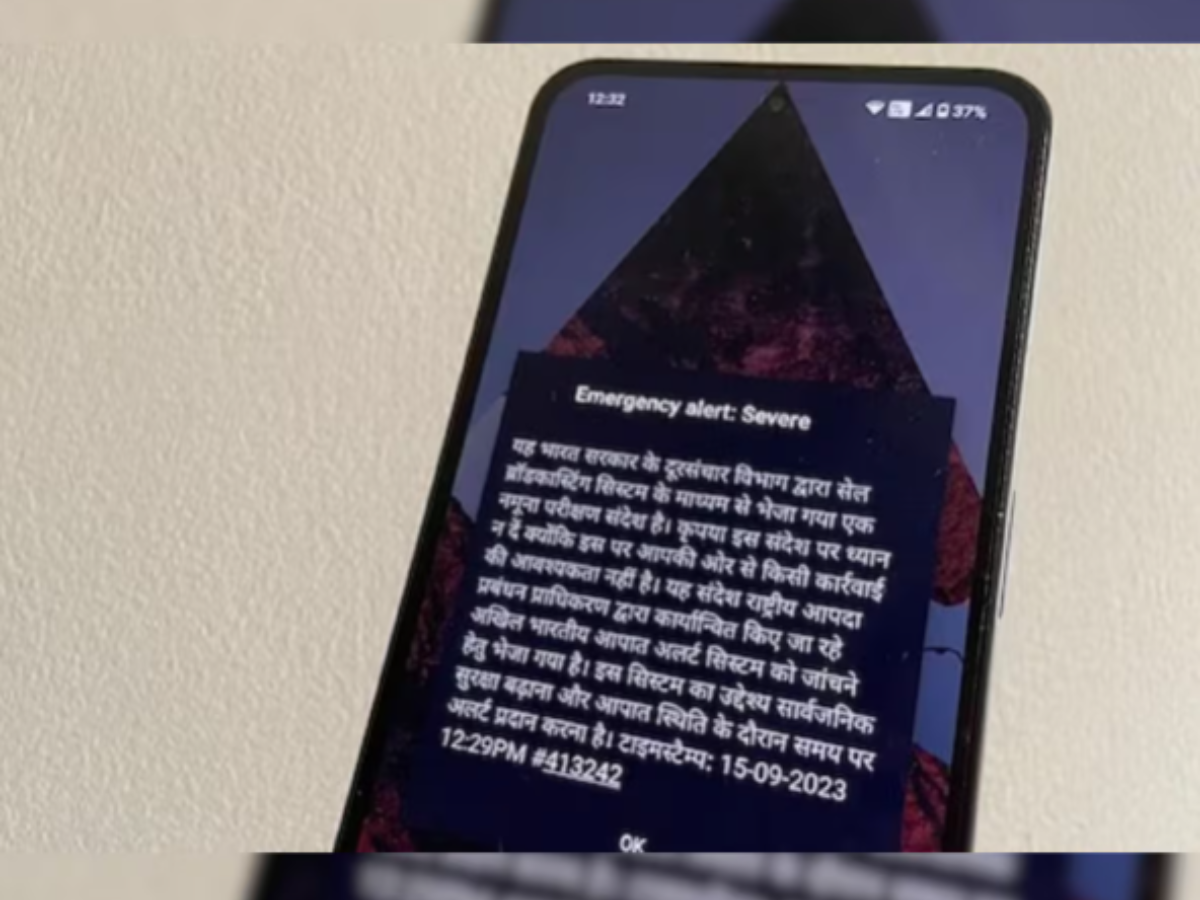
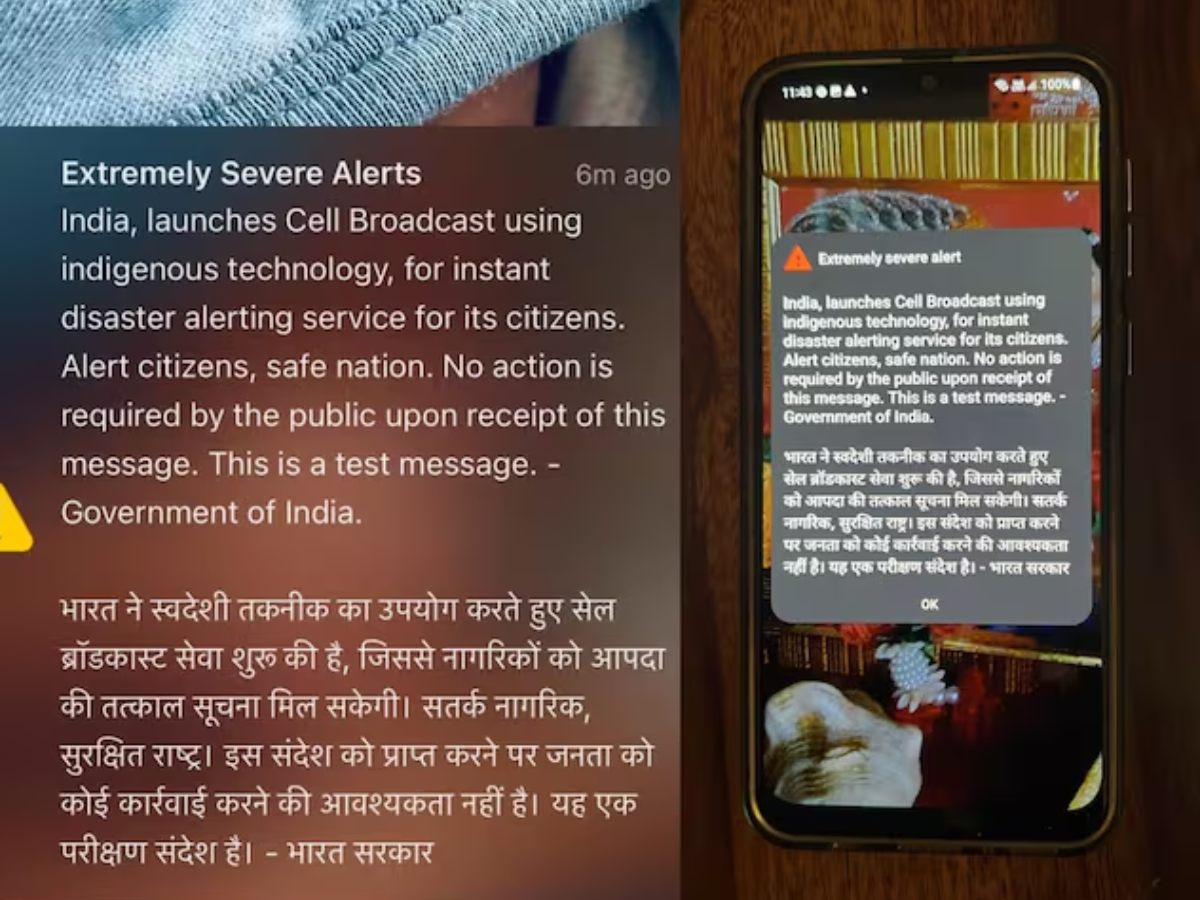
The message on your screen read: “India launches Cell Broadcast using indigenous technology, for instant disaster alerting service for its citizens. Alert citizens, safe nation. No action is required by the public upon receipt of this message. This is a test message — Government of India.” A test, yes. But the system behind it is anything but routine.
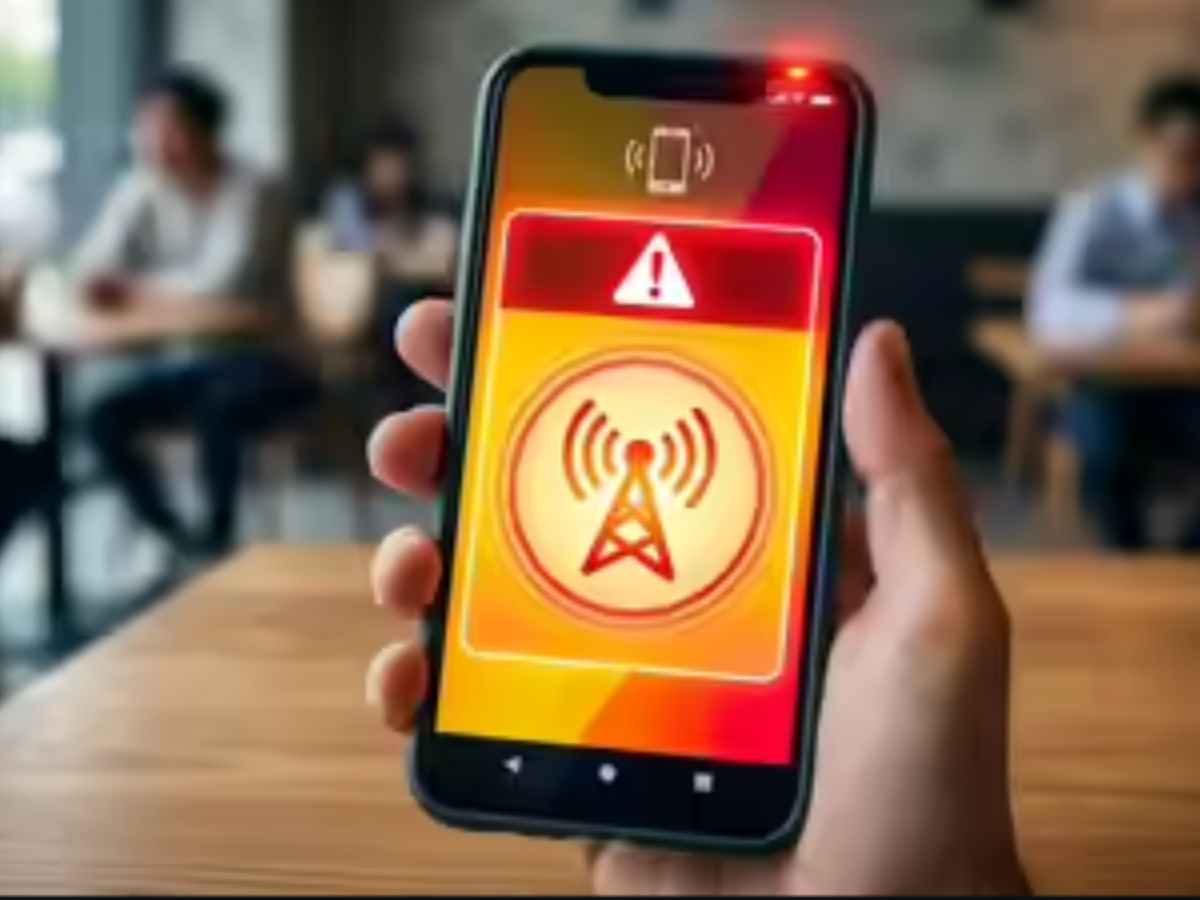
What just reached your phone is called a Cell Broadcast System — and the way it works is fundamentally different from any SMS you have ever received. Instead of being sent individually to each user, alerts are transmitted simultaneously to every mobile device within a defined geographic area, ensuring near real-time delivery. In a city like Delhi or Mumbai, that means every phone in an affected zone rings at the exact same second — whether you have a SIM card, an internet connection, or neither.
At the heart of this system is SACHET — India’s Integrated Alert System developed by C-DOT, the government’s premier telecom research institution. It operates on the Common Alerting Protocol recommended by the International Telecommunication Union and is already active across all 36 states and union territories. To date, it has delivered over 134 billion SMS alerts in more than 19 Indian languages during natural disasters, weather warnings, and cyclonic events. What launched on May 2 is the next, faster layer built on top of that foundation.
The Cell Broadcast technology has been specifically designed for time-critical emergencies where every second matters — tsunamis, earthquakes, lightning strikes, and man-made disasters like gas leaks or chemical hazards. For a city like Mumbai, which sits on a coastline and has seen industrial disasters, or Delhi, which sits on a seismic zone and experiences extreme weather, this is not an abstract upgrade. It is a system built for the specific risks both cities already live with.
Saturday’s test was deliberately focused — covering Delhi NCR and the capital cities of all states and union territories, while excluding border areas and poll-bound states. Citizens received the test messages in English, Hindi, and regional languages, depending on their mobile settings. The loud sound and vibration that accompanied the alert were intentional — in a real emergency, the system is designed to wake you up, cut through noise, and demand your attention even if your phone is on silent.
The launch was done by the Department of Telecommunications in collaboration with the Ministry of Home Affairs and the National Disaster Management Authority, and was formally launched by Union Home Minister Amit Shah alongside Communications Minister Jyotiraditya Scindia. The fact that the Home Ministry is directly involved signals how seriously this is being treated — this is not a telecom experiment. It is a national safety infrastructure being built in plain sight.
The next time that alert hits your phone — and there will be a next time, because more tests are planned — it will not catch you off guard. But more importantly, when it arrives during a real emergency, somewhere in Delhi or Mumbai or any Indian city, it may be the few seconds of warning that changes everything. India just told its citizens: we will reach you before the disaster does.
Handpicked stories, in your inbox
A newsletter with the best of our journalism
Newscitiesnew-delhi-news Your Phone Just Beeped Loudly And Said ‘Extremely Severe Alert’ — Here Is Exactly What That Means
Disclaimer: Comments reflect users’ views, not News18’s. Please keep discussions respectful and constructive. Abusive, defamatory, or illegal comments will be removed. News18 may disable any comment at its discretion. By posting, you agree to our Terms of Use and Privacy Policy.