
Last Updated:
The US Open has embraced social media creators to attract younger audiences, but incidents involving influencers during matches have raised concerns about etiquette and culture.




The US Open controversy though may not stop the creator revolution in sport. (Reuters Photo)
The US Open 2026 is turning out to be a gift that keeps on giving. From epic comebacks and esoteric fashion statements to stunning rallies and victories, there has been no dearth of action and accompanying entertainment. Tennis, like sports in general, likes its audiences to make noise, plenty of it. But it also expects them to maintain silence once the action resumes, sometimes when it is at its peak. This is in stark contrast to other sports, where decibel levels are at their highest when the on-field or on-court action is at its peak.
This year’s US Open has been making waves not just for the breathtaking tennis on display, though. Ring lights and smartphones have become as familiar a sight courtside as tennis racquets, with tournament organisers embracing social media creators as a way of taking their courts, players and off-court spectacle to millions of followers who may never watch a match on television.
This is purported to help the game grow further.
However, not everyone is happy with their ever-increasing presence.
A few incidents involving ‘influencers’ filming and taking photographs during matches have polarised opinion.
During Naomi Osaka’s first-round match against Anastasia Zakharova, a chair umpire had to intervene when a group in a suite appeared to be filming and making noise while play was under way.
Then another spectator faced the heat for posing for photographs while Madison Keys was playing.
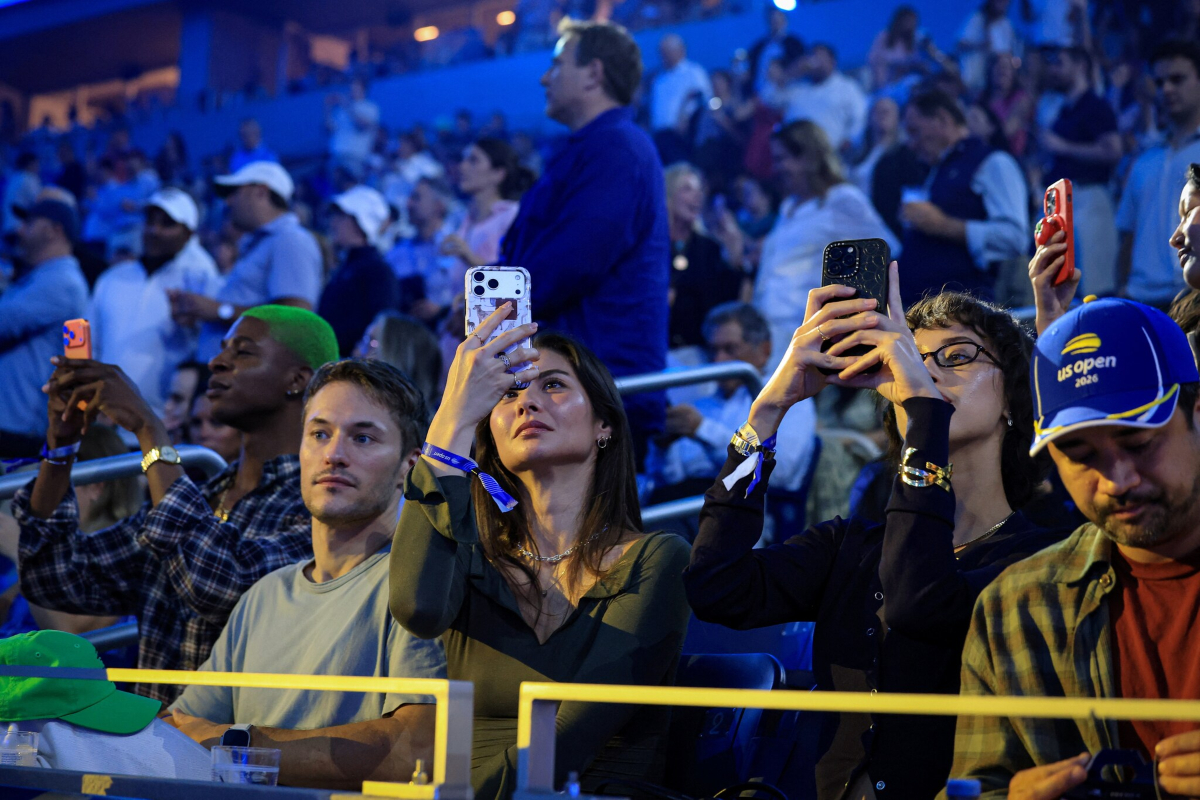
These incidents have raised a bigger question for tennis: as Grand Slam tournaments court influencers to attract younger audiences, can the sport embrace the creator economy without compromising the etiquette and concentration that have traditionally defined tennis?
First question though: What is an influencer?
Influencers, or content creators, build audiences on social media platforms (Instagram, Twitter, YouTube, TikTok etc.). Their ‘influence’ comes from a direct relationship with followers. Brands have long been using them to reach audiences. Now, major sporting events are tapping into their ‘reach’ to get through to potentially new audiences.
US Open isn’t the first major sports event to have deployed them. At the recent FIFA World Cup and the ICC Men’s T20 World Cup, creators were given access to produce videos, livestreams, fan content and behind-the-scenes material.
The authorities claim creator content generated hundreds of millions of views.
The appeal is clear: creators can take sport beyond its traditional audience and place it directly into the feeds of younger fans.
Why do you need influencers for a historic tournament like US Open?
The United States Tennis Association (USTA) has been actively expanding its creator programme, with reports claiming that around 100 creators have been accredited for this year’s tournament, roughly twice last year’s number. This is in addition to other spectators who are creating content of their own from the grounds.
An argument in their favour goes like this: creators offer something that traditional advertising and broadcasting cannot – direct access to highly engaged online communities. An influencer can show followers the food, fashion, celebrities, atmosphere and behind-the-scenes experience of a tournament, potentially reaching people who have little to no interest in watching a tennis match.
So then why is tennis uncomfortable with it?
Tennis follows a strict spectator culture. During a point, fans are expected to remain quiet and still to avoid disturbing the focus and concentration of players. Similarly, flash photography, bright lights and movement around the stadium can become a distraction too.
And that is the major source of contention for the critics.
Tennis stars, though, have been welcoming of the trend but want those attending the matches to be trained in proper etiquette, as Coco Gauff suggested. She feels that those responsible for bringing influencers to tournaments should be the ones educating them about the rules.
The issue, then, it appears, is the absence of proper boundaries.

Are the players okay with this?
Naomi Osaka admits there are benefits to having influencers who may introduce tennis to new audiences. She, too, wants spectators to respect the sport.
Jessica Pegula echoes her views. She understands why influencers want to showcase the US Open experience but objected to filming and selfie lights during matches, pointing out that for players, competition is their career and livelihood.
On the other hand, Daniil Medvedev argues that the benefits of attracting more people to tennis can outweigh the occasional distractions, while Frances Tiafoe has welcomed efforts to bring new and diverse audiences into the sport.
The challenge is where to draw the line between promotion and disruption.
Why influencers are here to stay
The US Open controversy, though, may not stop the creator revolution in sport as the upside is simply too lucrative.
Influencers can make tennis more accessible to younger audiences, introduce players to people outside the traditional fan base and turn a tournament into a culturally rich experience.
A seamless integration, though, requires some adjustment on both sides.
Tournaments and brands must provide influencers with basic tennis-etiquette briefings, probably assign designated filming areas and enforce rules around movement, lighting and recording during points.
Creators, though, should understand that the match remains the main character.
Influencers are here to stay, at least for the time being. For tennis and sports in general, the way ahead is to teach them how to fit in, not find ways to keep them out.
Given how social media has become an intrinsic part of everyday life, combining the reach of these platforms with that of its notable creators could take tennis to new demographics and help it grow without compromising what makes the sport special.
Quick Answers
 Ask News18
The US Open 2026 is facing controversy because the increased presence of social media influencers has led to incidents of filming and noise during matches, disrupting player concentration and traditional tennis etiquette. Organizers have expanded their creator program to attract younger audiences, but this has sparked backlash from traditional fans and some players.
Ask News18About the Author

Feroz Khan has been covering sports for over 12 years now and is currently working with Network18 as Principal Correspondent. He embarked on his journey in 2011 and has since acquired vast experience …Read More
September 09, 2026, 05:07 PM IST
Read More
Source link
[ad_3]

