
UPI will incur a Merchant Discount Rate (MDR) of 0.4% on specific Person-to-Merchant (P2M) transactions over Rs 2,000 from October 15. However, not all UPI payments will carry a fee, and small merchants are explicitly exempt from this rule. Furthermore, merchants will bear the cost of this charge. (Image: Pexels)
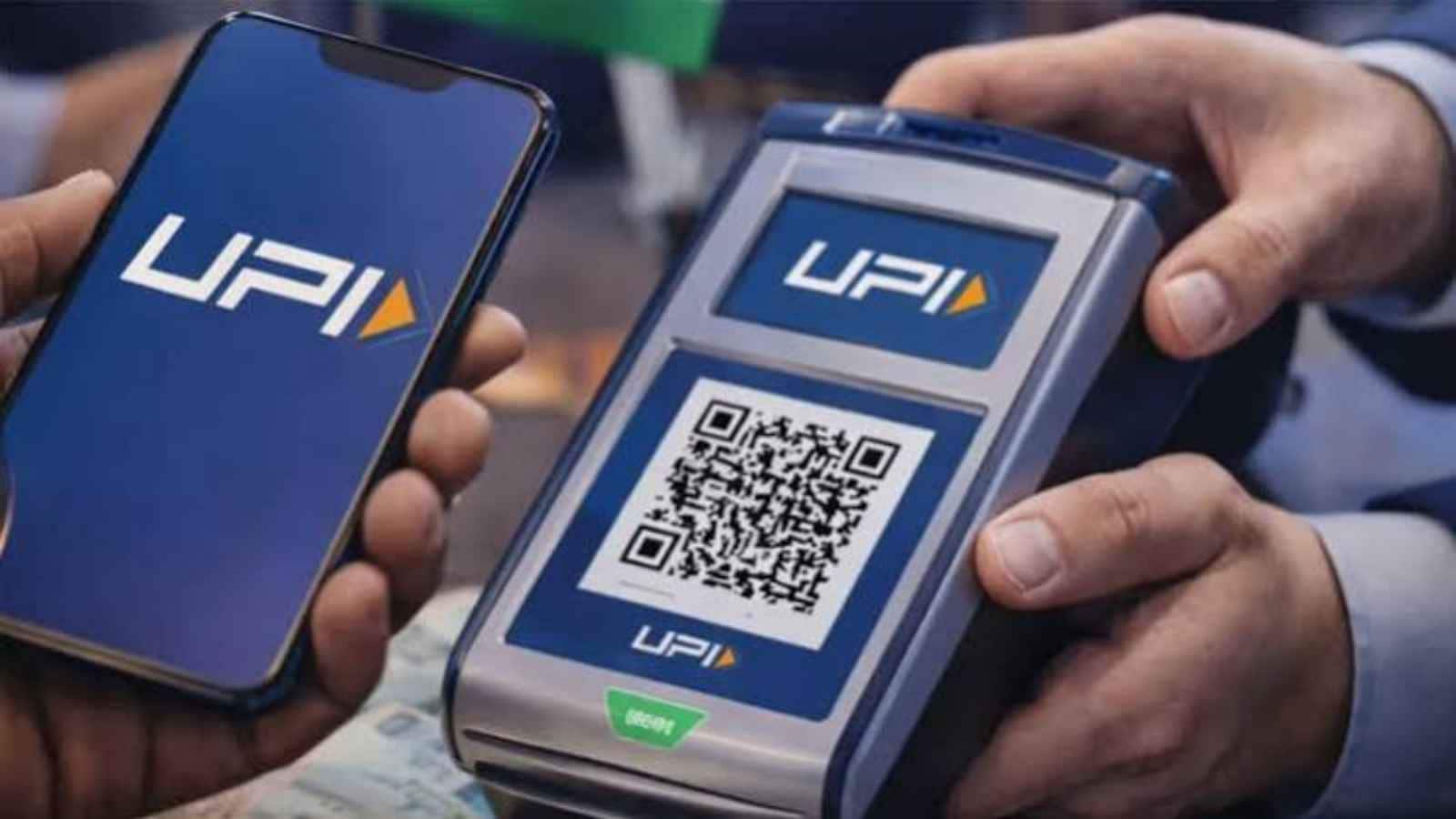
The National Payments Corporation Of India (NCPI) recently mentioned that UPI with a 0.4% MDR charge can still be cheaper than debit or credit card charges for the same amount. (Image: Pexels)
In a X post, the NPCI said that the new UPI MDR remain lower than the indicative rates generally associated with debit and credit card payments. Here’s a look at the indicative merchant charge as per various payment method.
– UPI 0.4%, capped at Rs 300
– Debit Card: Up to 0.90%
– Credit Card: Around 2% on average (File Photo)

Citing an example, the NPCI mentioned that UPI MDR charges will be 80% cheaper than credit card transaction rates for merchants. The NCPI stated that an MDR of 0.4%, the UPI charge for a Rs 10,000 P2M transaction would be Rs 40. At an indicative 2% credit rate, the charge would be about Rs 200 and a debeit card rate of 0.9% would mean about Rs 90 charge for the same transaction, according to NPCI. (File Photo)

Which UPI Transactions Will Have Zero MDR Charges?
For most everyday UPI payments, there will be no MDR. P2M transactions up to Rs 2000 will continue with zero MDR, and are estimated to account for 96% of the total UPI transactions. (Image: Pexels)
What Happens To UPI Payments About Rs 2000?
Rs 5000: MDR of Rs 20
Rs 1000: MDR of Rs 40
Rs 50,000: MDR of Rs 2000
Rs 75,000: MDR of Rs 300
Rs 1 Lakh: MDR remains capped at Rs 300 (File Photo)
Notably, transactions above Rs 2000 in certain essential and thin-margin sectors will have a flat MDR of Rs 5 per transaction. These include sectors like railways, telecommunications, insurance, fuel and agricultural inputs. (File Photo)
Source link
[ad_3]
