
Waking up to a late-night text alert about an unauthorized debit can instantly trigger panic. When your bank branch is closed, sitting idle until morning can expose your savings to further risk. Here is a quick step-by-step action plan to help you secure your funds immediately and increase your chances of recovery.
Never wait until morning to act. Under RBI guidelines, banks are required to maintain round-the-clock channels for reporting illegal electronic transactions. Call your bank’s official helpline found on your debit card, official app, or website to log the fraud immediately, and always note down your unique complaint reference number. (Image: Canva)

If scammer access has been established, prevent further losses right away. Request your bank to block the compromised card or temporarily suspend payment facilities like UPI. Most banking mobile apps allow you to lock cards or disable digital transactions instantly without needing to wait for a customer service representative. (Image: Canva)

In addition to notifying your bank, immediately dial 1930, the national cybercrime helpline, or file a report online via the government portal. Reporting the theft rapidly gives authorities a crucial window to freeze the stolen funds before fraudsters transfer them to other untraceable accounts across different platforms. (Image: Canva)

Keep precise evidence ready to back up your claim. Save transaction IDs, precise timestamps, exact amounts, SMS alerts, and call logs with customer care. Having these documents organized makes registering formal cybercrime reports smoother and helps accelerate your bank’s internal investigation process. (Image: Canva)

Prompt action significantly lowers your financial loss. Under official rules, if a third-party breach occurs through no fault of yours, reporting it within three working days shields you from liability. Conversely, if negligence occurred, you bear losses only up until the precise moment you officially notify your bank. (Image: Canva)
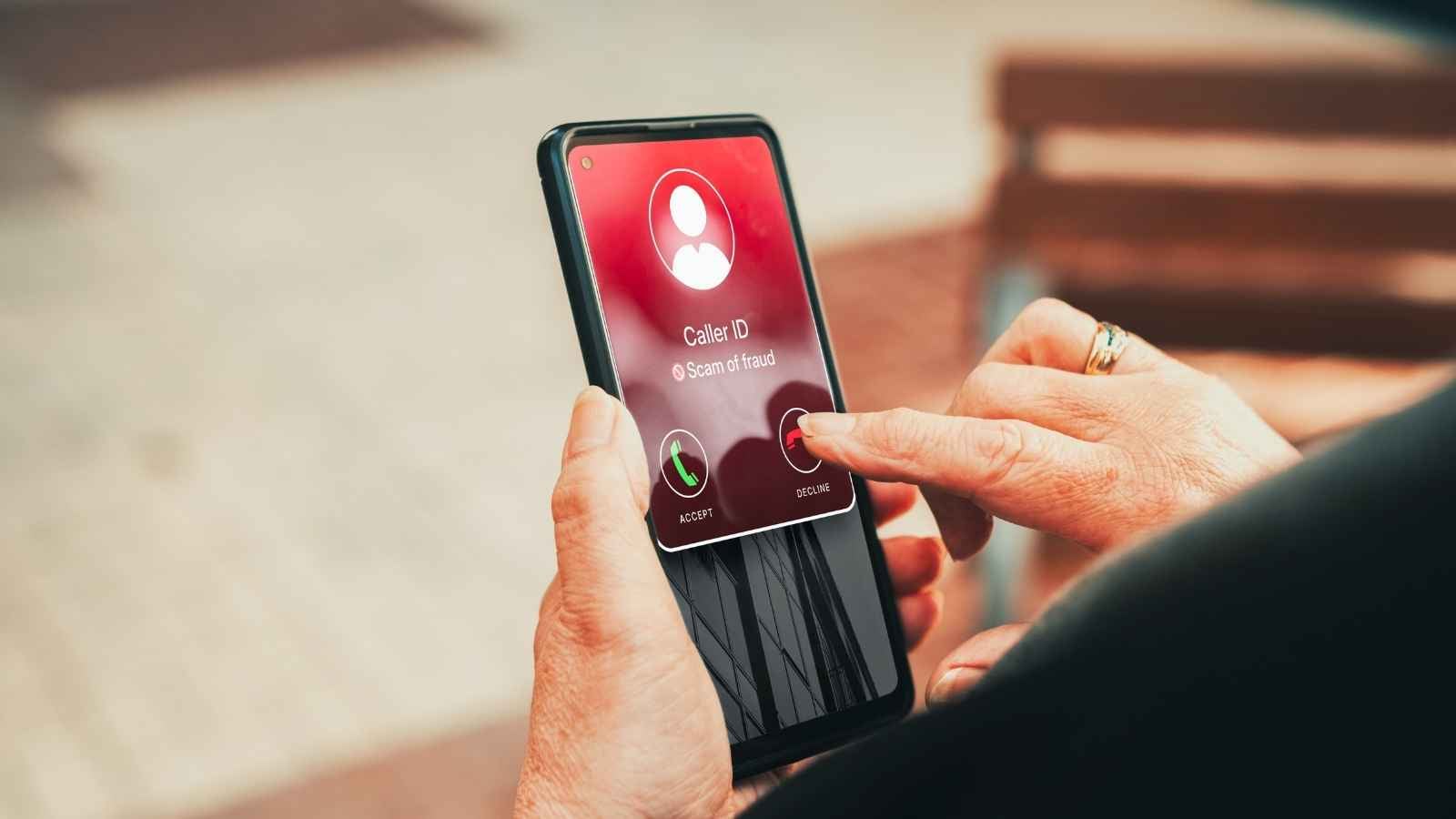
If customer care lines are unreachable, do not lose valuable time. Log in to your net banking account or mobile app to lock payment access, file an in-app dispute, or send a fraud alert via official banking SMS codes. Always take screenshots of every submission to verify your effort. (Image: Canva)

Once morning arrives, confirm that your official complaint has been acknowledged by the bank. Visit your local branch if requested, bring along all transaction details and complaint reference numbers, and submit any additional written statements required by the bank to ensure your case stays active. (Image: Canva)

Be cautious of secondary fraud targeting victims of recent bank theft. Scammers frequently monitor complaint channels and contact victims posing as recovery agents or legal experts promising to retrieve lost funds for a fee. Real banks and cyber agencies will never ask for payment to process a fraud investigation. (Image: Canva)
Source link
[ad_3]

