
Engineer, innovator and education reformer Sonam Wangchuk ended his 26-day hunger strike on Friday after the Centre gave written assurances on broader education reforms in the wake of the NEET-UG 2026 paper leak controversy. He announced the decision in a video message after weeks of discussions with the government, in the presence of Union Ministers JP Nadda and Jitendra Singh at a Gurugram hospital. His wife, Gitanjali J. Angmo, was by his side when he ended the fast. (Image: @Wangchuk66/X via PTI Photo)
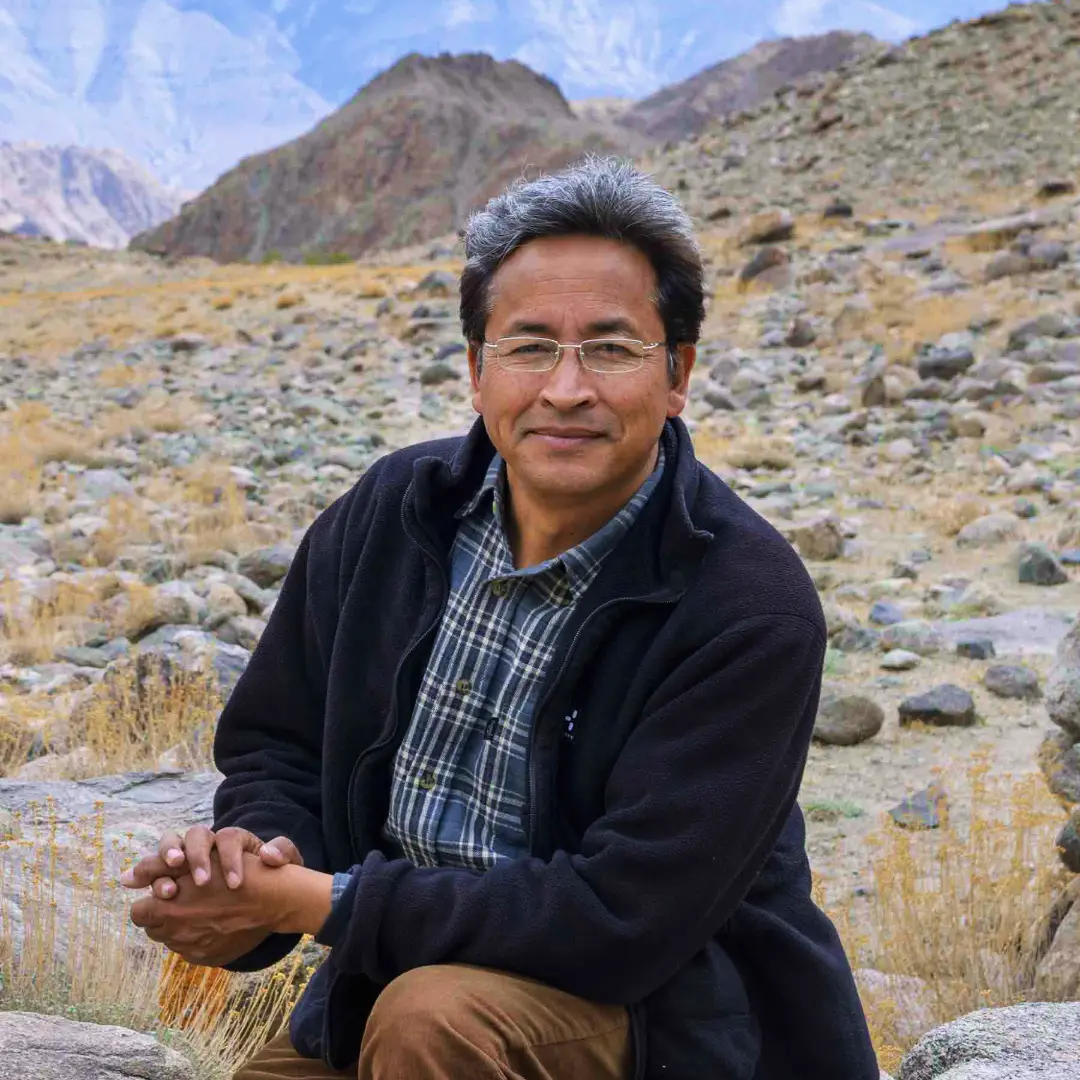
Sonam Wangchuk was born in Alchi village in Ladakh, where there were no schools nearby. His mother taught him to read, write and do basic arithmetic in his native language at home until he turned nine. (Image: Instagram/@wangchuksworld)
When Wangchuk was admitted to a school in Srinagar, classes were conducted in a language he did not understand. He later described this period as one of the darkest phases of his childhood, as many people mistook his silence for a lack of intelligence rather than a language barrier. (Image: Instagram/@wangchuksworld)
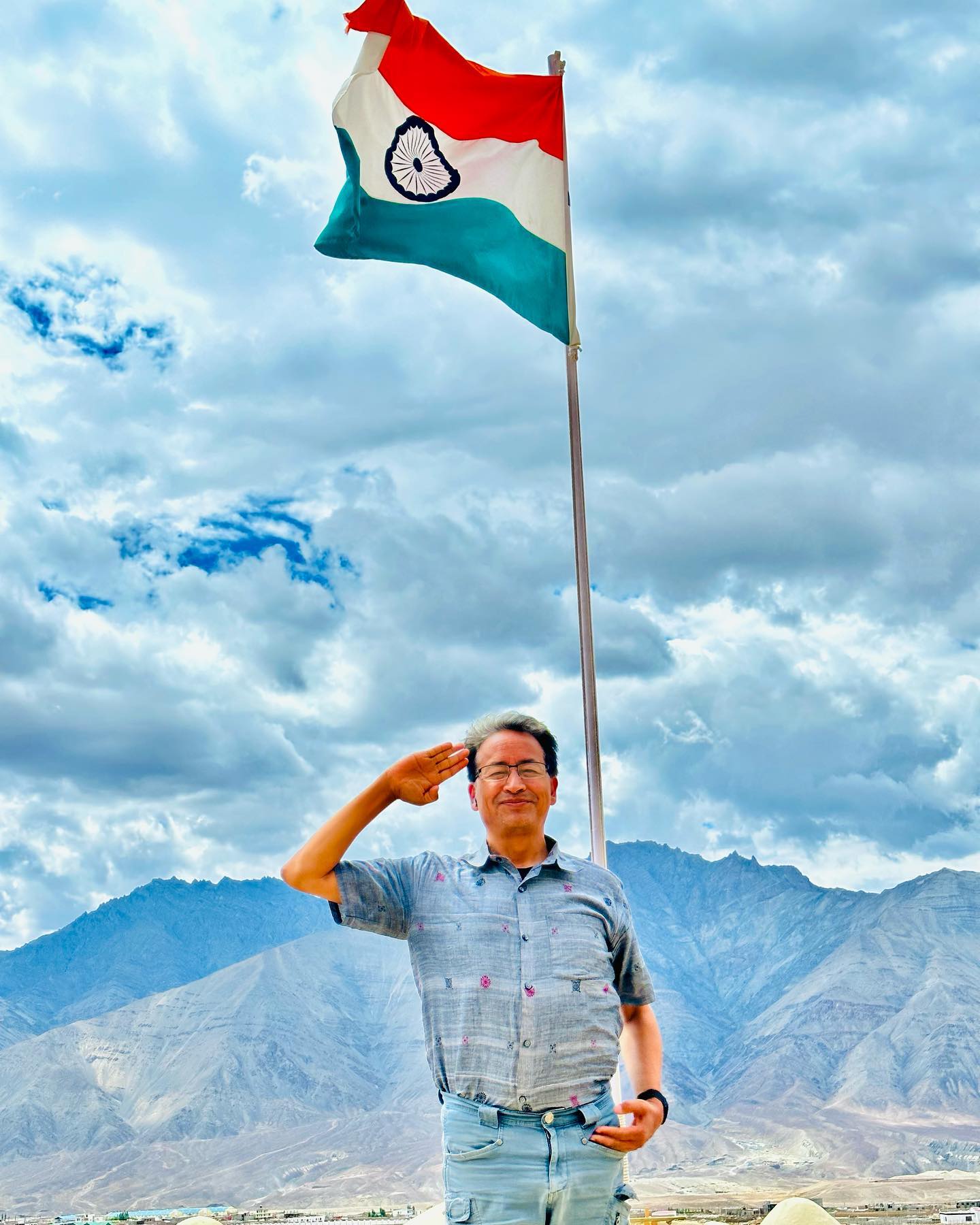
Despite his early struggles, Wangchuk completed a Bachelor of Technology (BTech) in Mechanical Engineering from the National Institute of Technology (then Regional Engineering College), Srinagar, graduating in 1987. (Image: Instagram/@wangchuksworld)
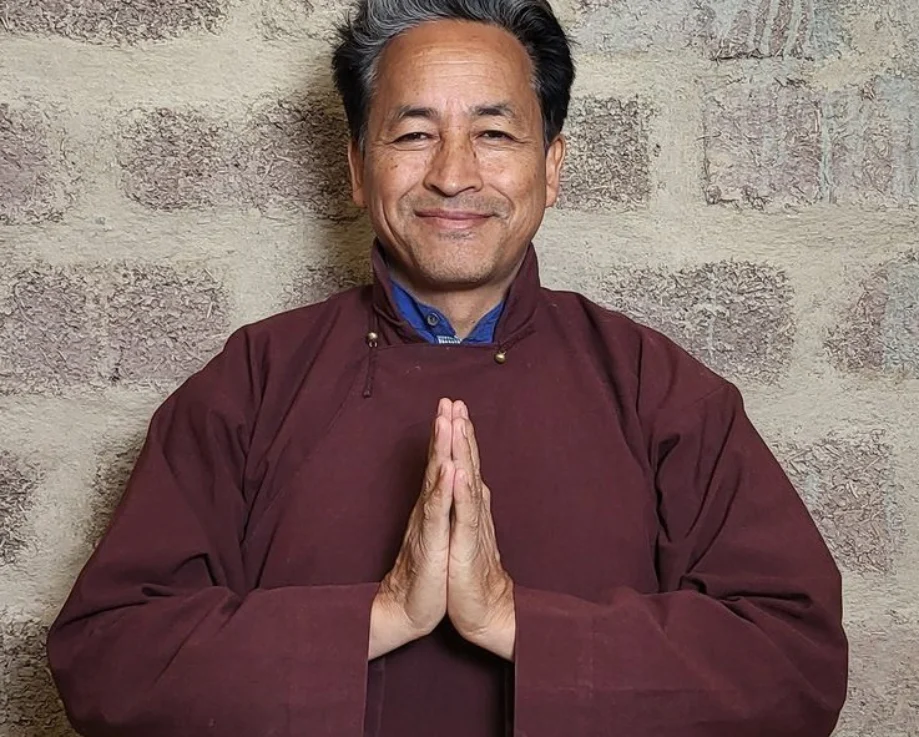
After graduating, Wangchuk decided to improve the education system that had failed many children like him. In 1988, he co-founded the Students’ Educational and Cultural Movement of Ladakh (SECMOL), an organisation that focuses on practical, student-centred learning. (Image: Instagram/@wangchuksworld)
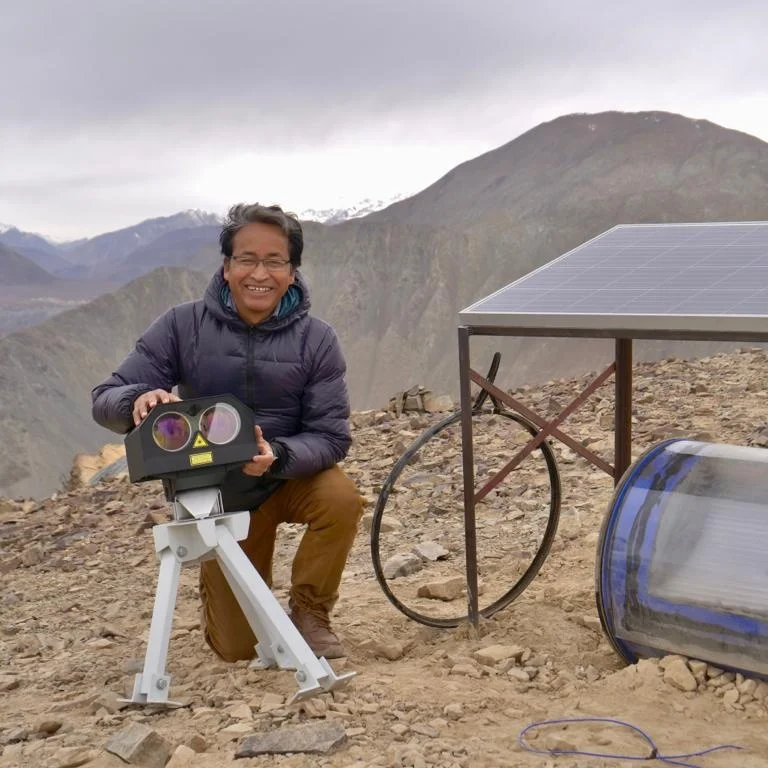
Wangchuk later helped launch Operation New Hope, a collaborative initiative involving teachers, communities and the government to improve the quality of education in Ladakh’s government schools. The programme focused on making learning more relevant to local students. (Image: Instagram/@wangchuksworld)
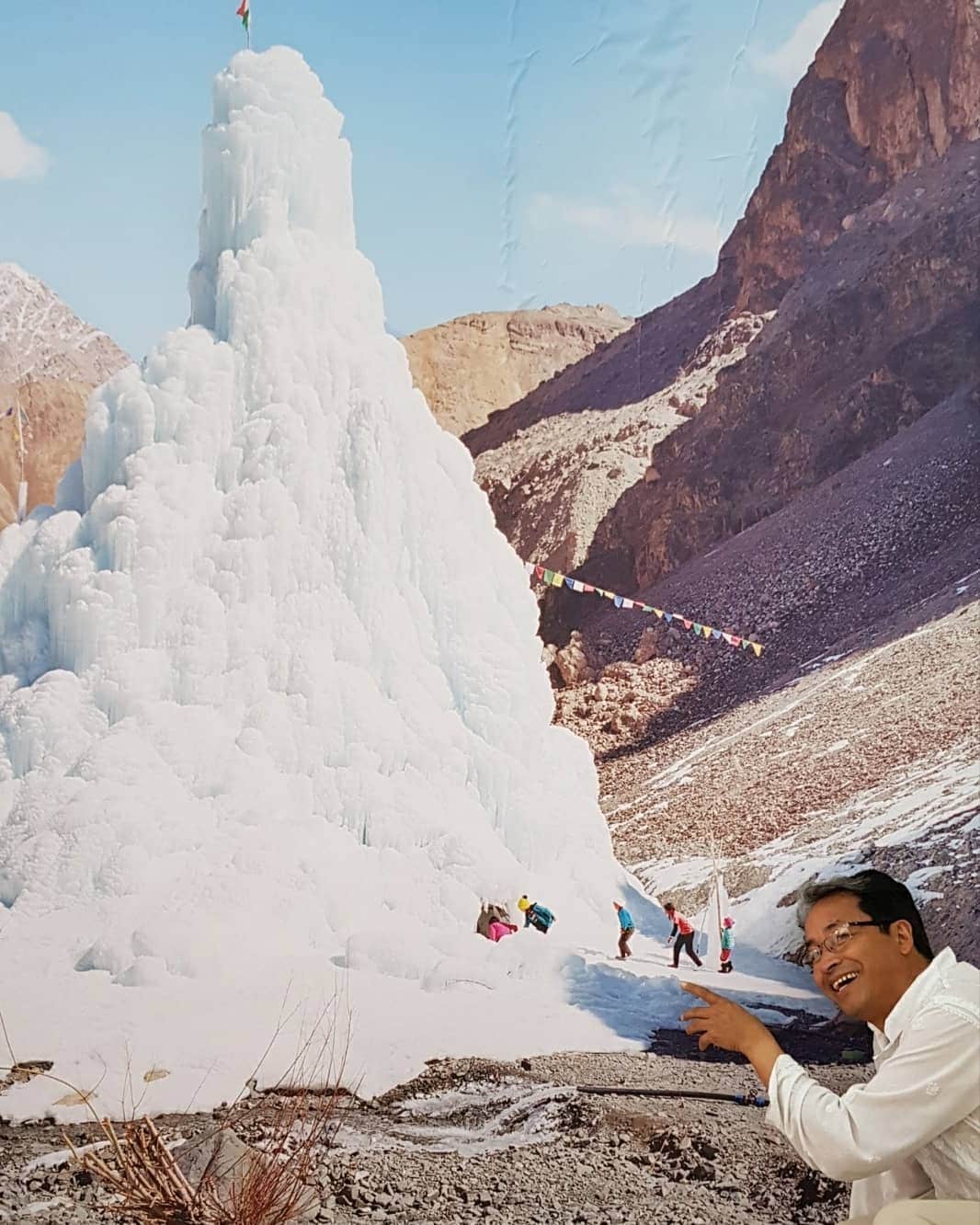
Apart from education reform, Wangchuk is also a renowned innovator. His most famous invention, the Ice Stupa, stores winter water as artificial glaciers and releases it during spring to help farmers irrigate their fields. The innovation has earned global recognition for its role in water conservation. (Image: Instagram/@wangchuksworld)
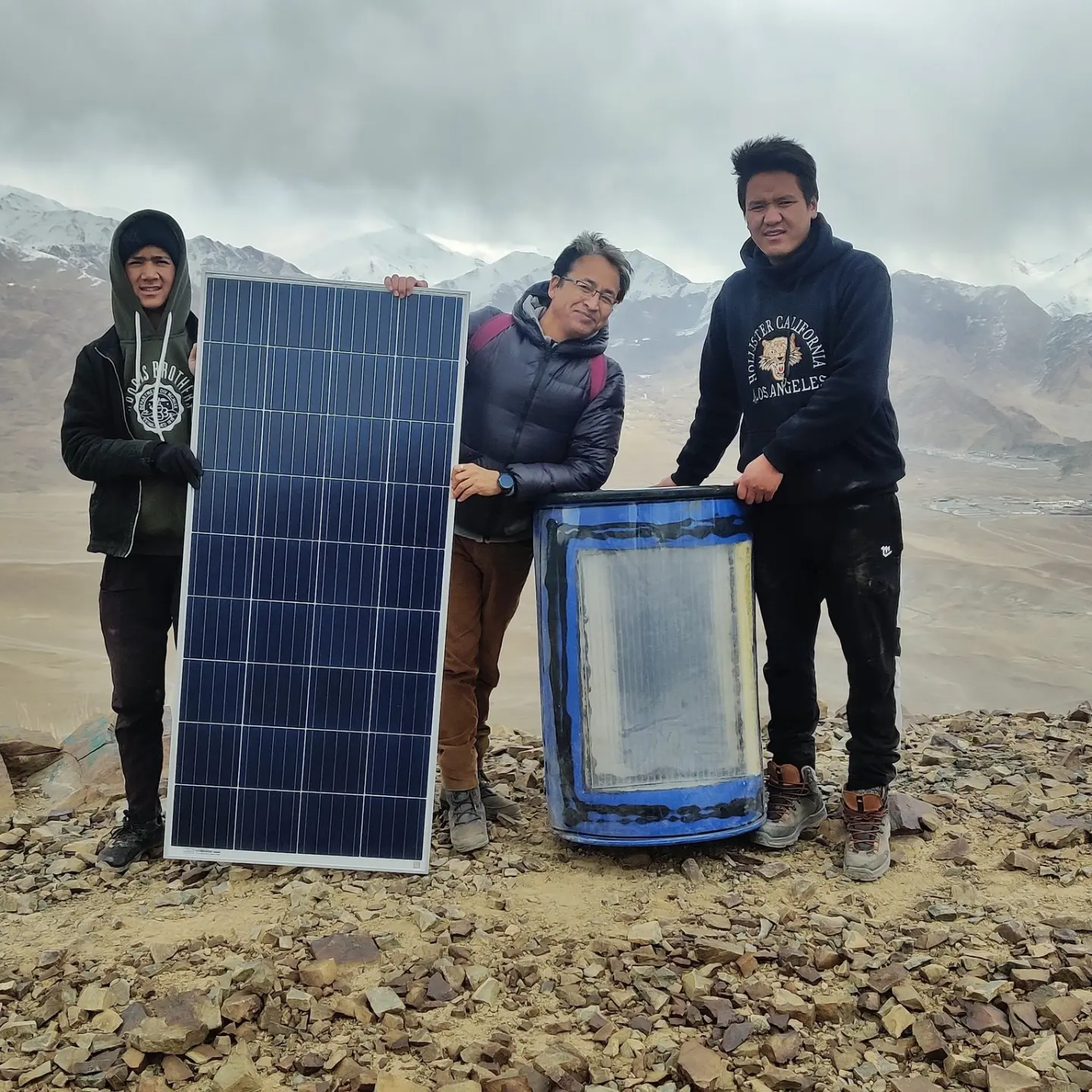
Wangchuk has been associated with several innovations and patents, including technologies related to passive solar heating, sustainable buildings and water conservation, solutions designed specifically for the harsh Himalayan climate. (Image: Instagram/@wangchuksworld)
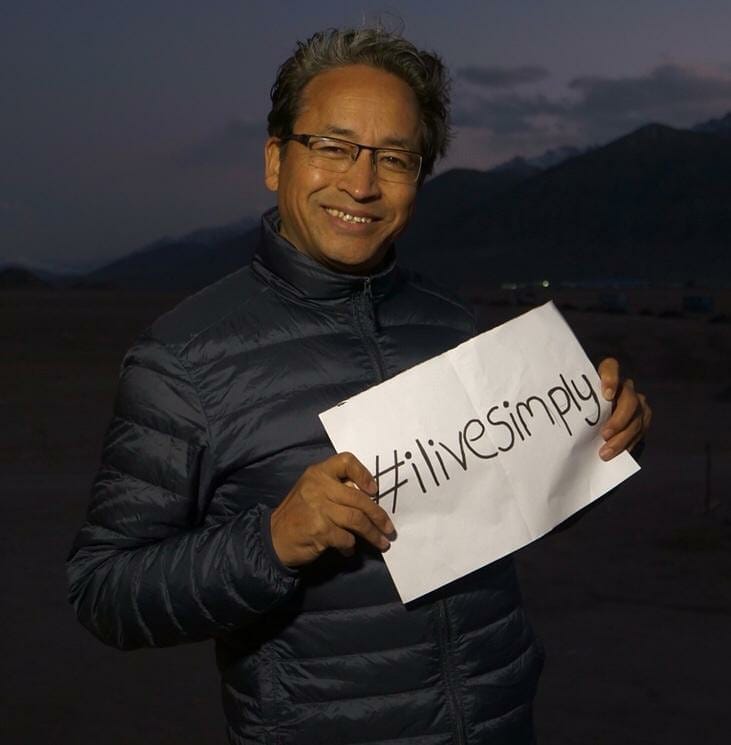
Over the years, Wangchuk has received numerous honours, including the Ramon Magsaysay Award (2018), often regarded as Asia’s Nobel Prize, and the Rolex Award for Enterprise (2016) for his contributions to education and sustainable innovation. (Image: Instagram/@wangchuksworld)

Whether through SECMOL, climate innovation or his recent fast in support of students, Wangchuk has consistently advocated for an education system that values creativity, critical thinking and practical learning over rote memorisation. Even after ending his 26-day fast, he has indicated that the focus now is on ensuring the government’s assurances translate into meaningful action. (Image: Instagram/@wangchuksworld)
Source link
[ad_3]

