
From July 2026, travelling without a ticket on Indian Railways will become costlier, with the minimum penalty rising from Rs 250 to Rs 500. Railway authorities said that the decision is aimed at curbing ticketless travel, strengthening ticket-checking, protecting railway revenue and improving compliance without ticketing rules.
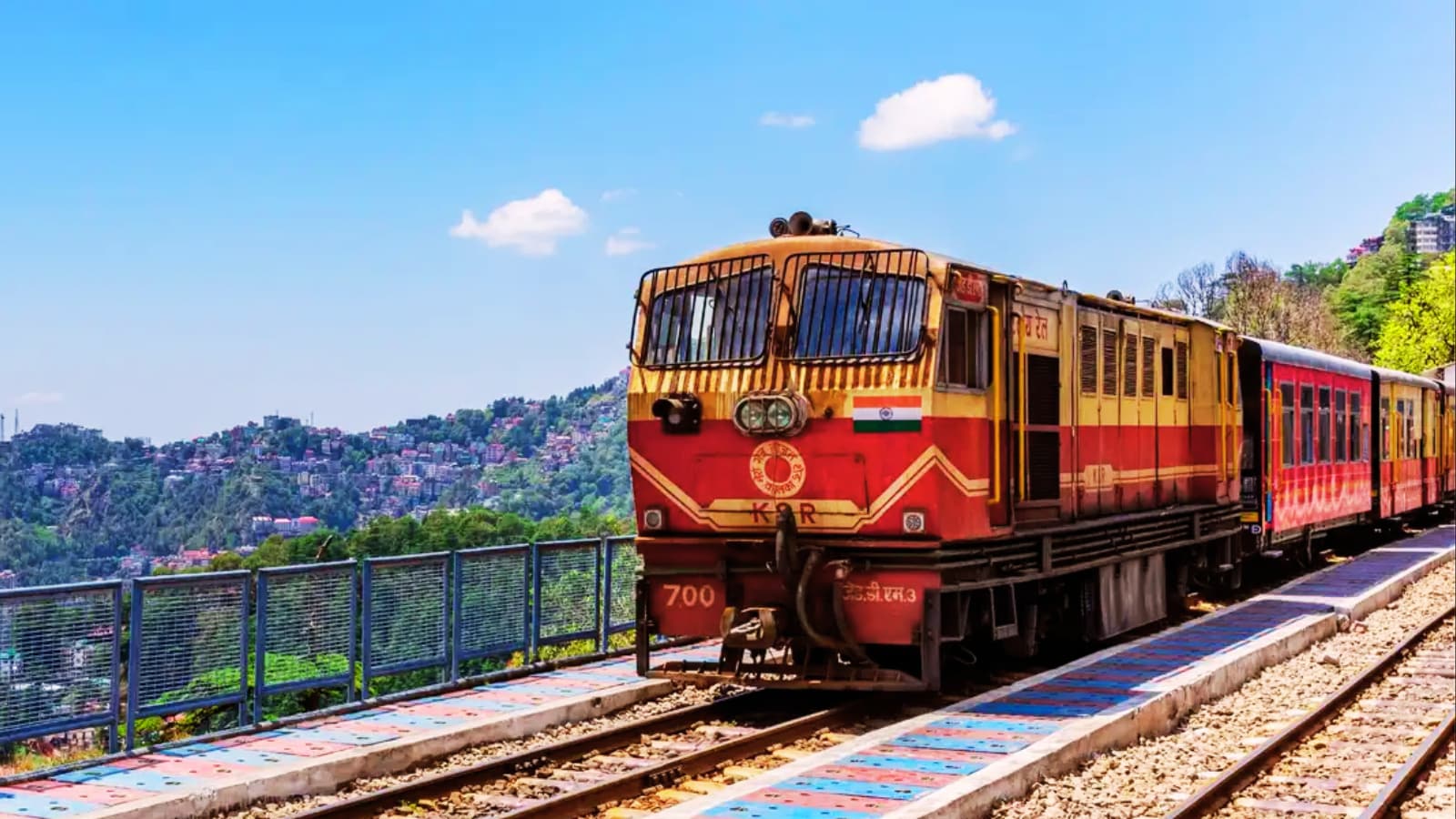
While the minimum penalty and excess charge have been increased, other provisions on fare recovery and additional charges will remain unchanged. Reportedly, the distinction between a penalty imposed by an authorised railway employee and a fine imposed by a competent court also continues.
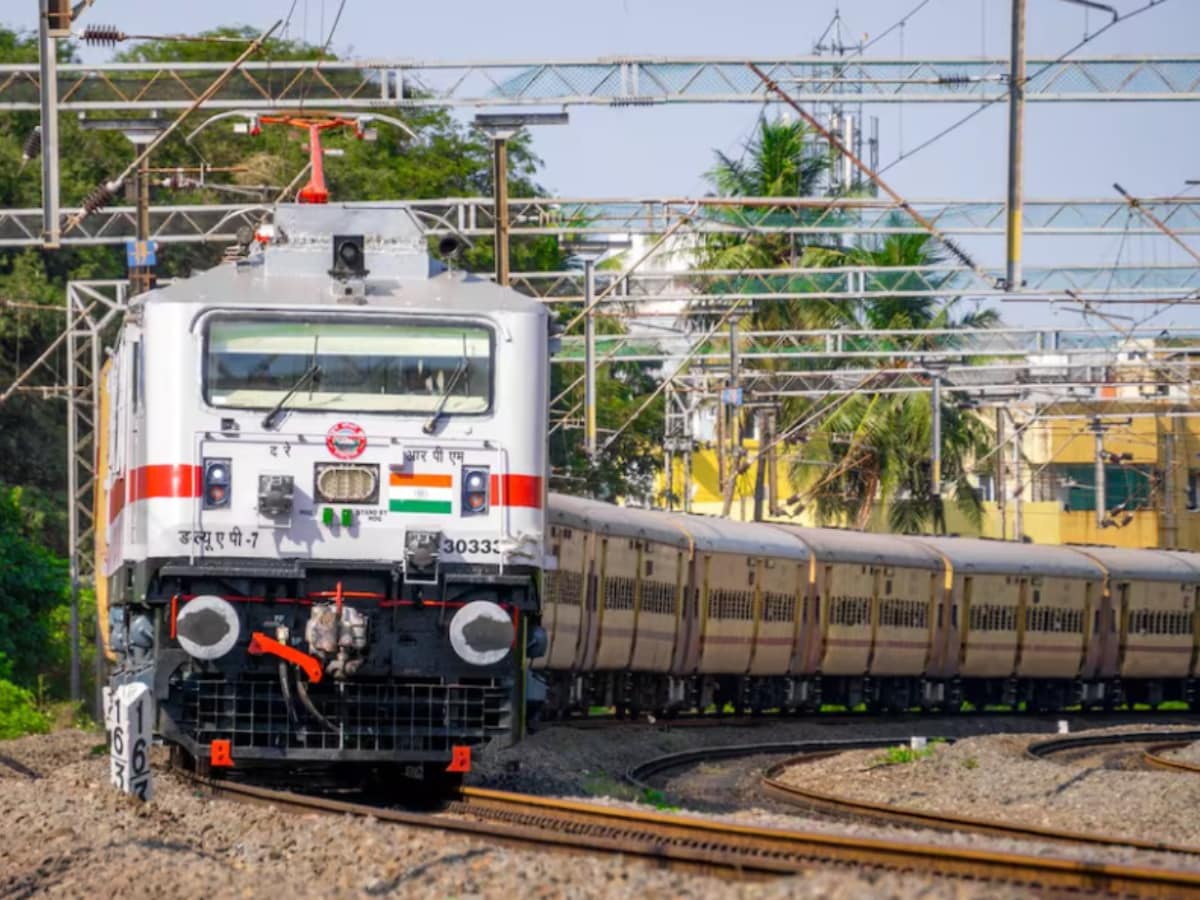
The minimum penalty for travelling without a ticket or pass will double from Rs 250 to Rs 500. The same revised minimum will also apply in cases involving fraudulent intent. The revised provisions include passengers travelling without a ticket, without a proper ticket, or beyond the authorised distance.
The changes apply to Sections 137 and 138 of the Railways Act, 1989, under the Jan Vishwas (Amendment of Provisions) Act, 2026.

The maximum punishment remains up to six months imprisonment, a fine of up to Rs 1000 or both, as decided by the competent court.
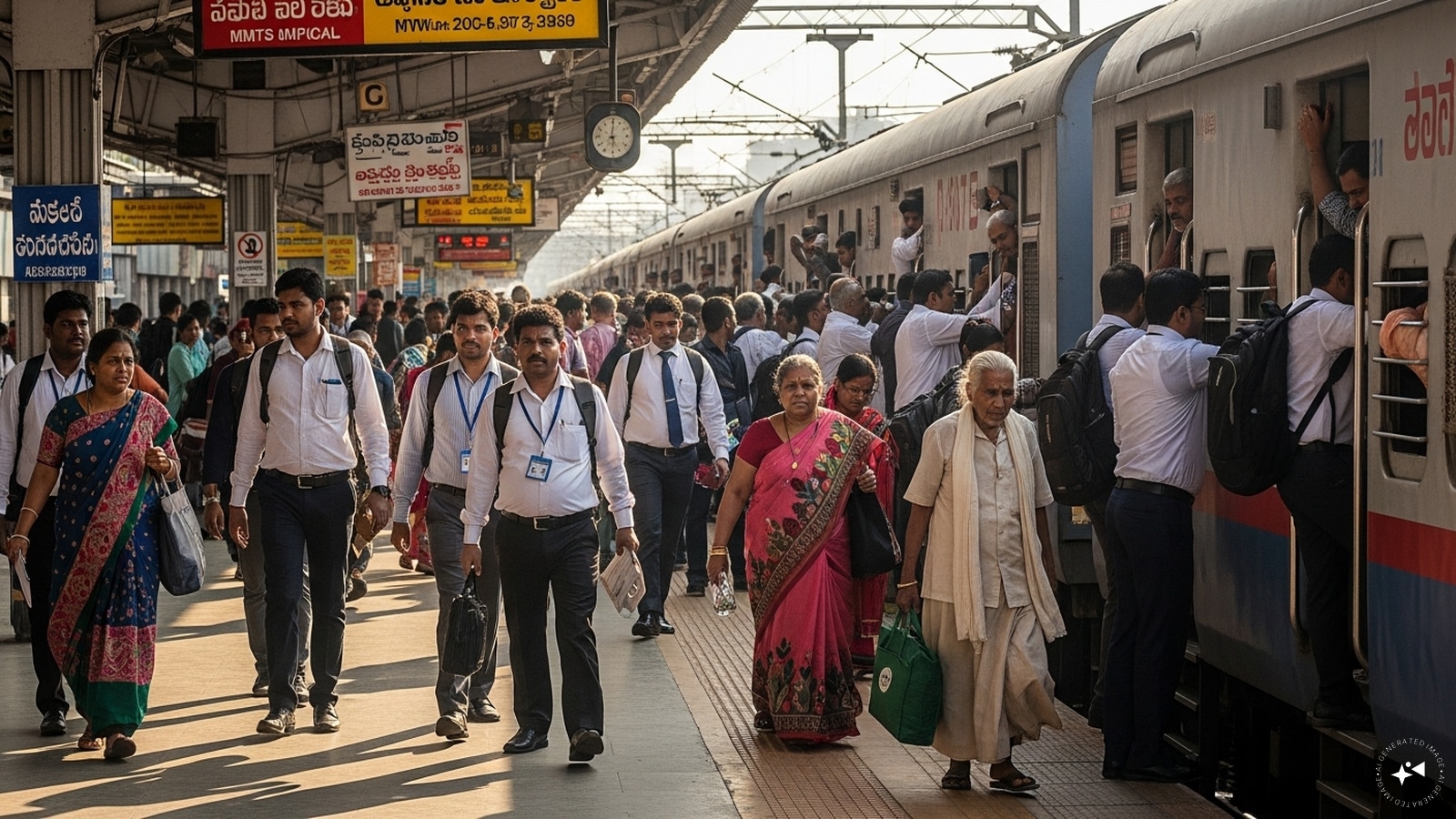
The amended provisions continue to distinguish between a penalty and a fine. A penalty may be imposed by an authorised railway employee, while a fine may be imposed by a competent court. The court proceedings generally arise when a passenger fails or refuses to pay the prescribed penalty.
Source link
[ad_3]

