
Anna Rajam Malhotra was born on July 17, 1927 in the state of Kerala, during a time when India was still under British rule and opportunities for women were extremely limited. Growing up in a progressive family that valued education, she was encouraged to dream beyond societal expectations. At a time when most women were expected to prioritise domestic roles, she quietly nurtured ambitions that would eventually rewrite history. (Image: Instagram)
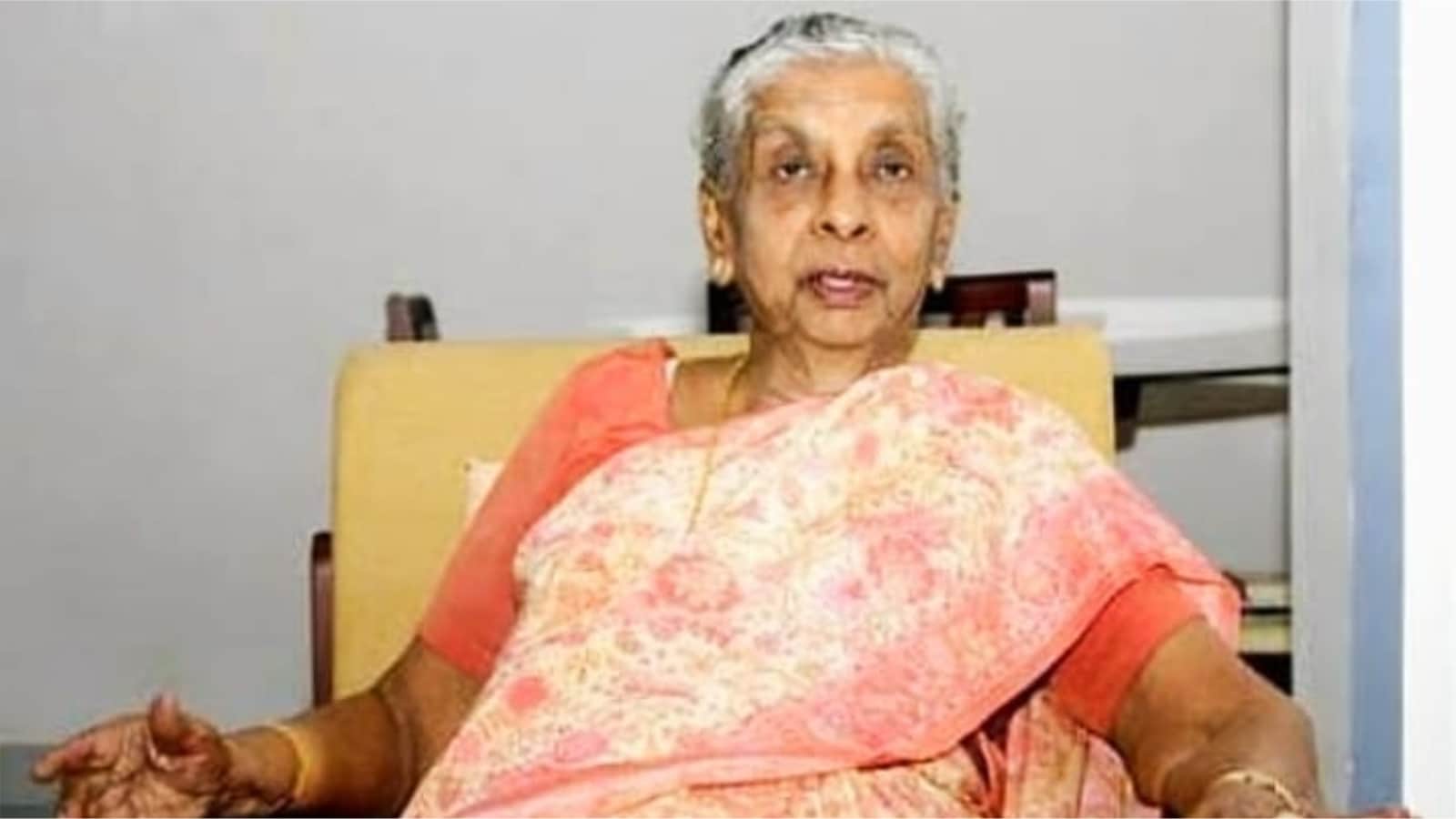
Anna completed her higher education from the prestigious University of Madras, where she developed a strong academic foundation. She later went on to appear for the Civil Services Examination, one of the toughest exams in the country. In 1951, she made history by becoming the first woman to join the Indian Administrative Service (IAS). But her journey was not smooth. During her training, she was advised to opt for a “softer” service like foreign or central services, as many believed women were not suited for field postings. She refused to back down. (Image: Instagram)
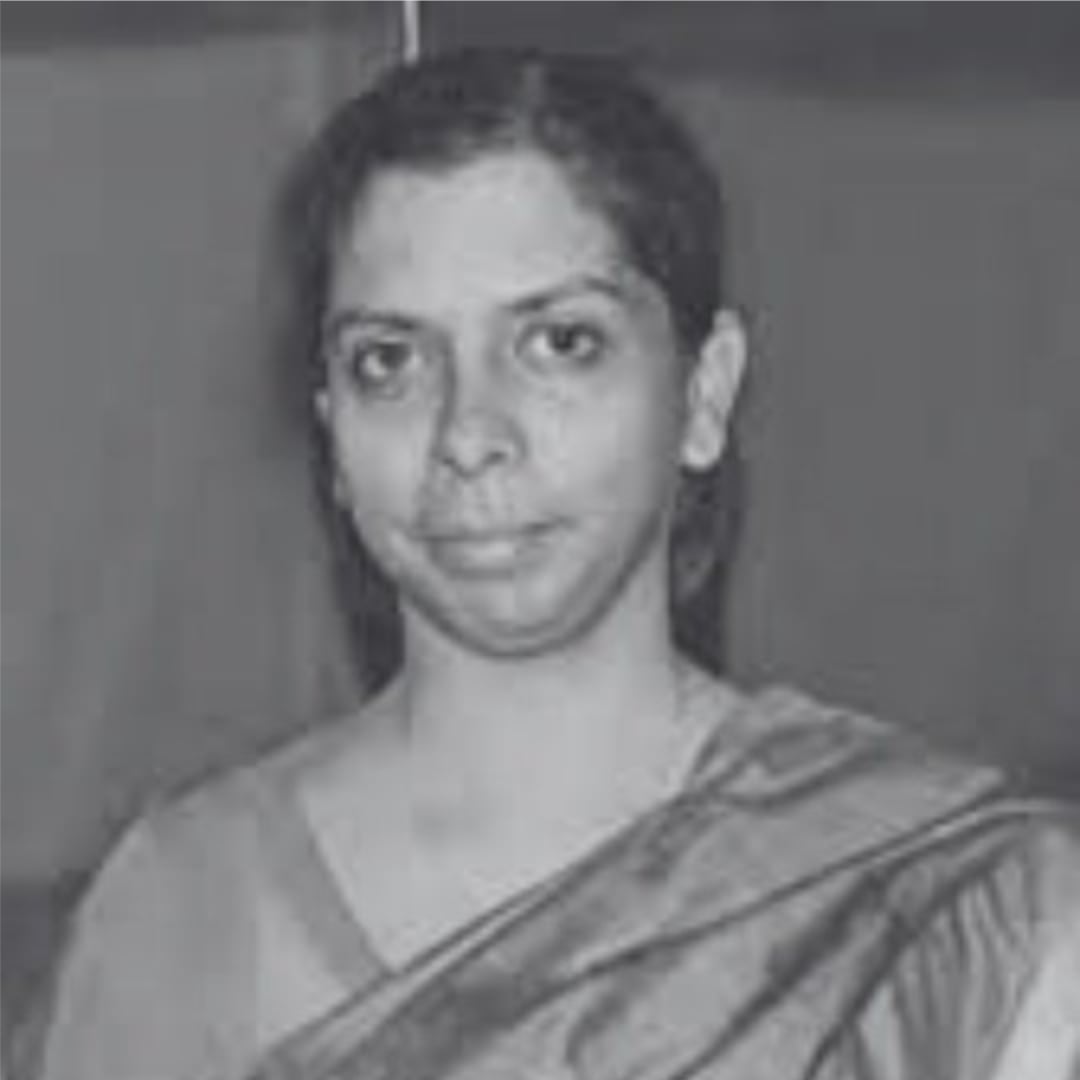
Entering the IAS in the early 1950s meant stepping into an overwhelmingly male-dominated space. Anna Rajam Malhotra faced resistance not just from society, but even within the system. Senior officers doubted whether a woman could handle administrative responsibilities in districts. Despite this, she insisted on being given field assignments rather than desk jobs. Her determination paid off when she was posted as a Sub-Collector in Tamil Nadu, becoming the first woman to hold such a position. She once reflected on her journey with quiet strength, saying: “I did not want any special concessions because I was a woman. I wanted to be treated on par with men.” (Image: Instagram)
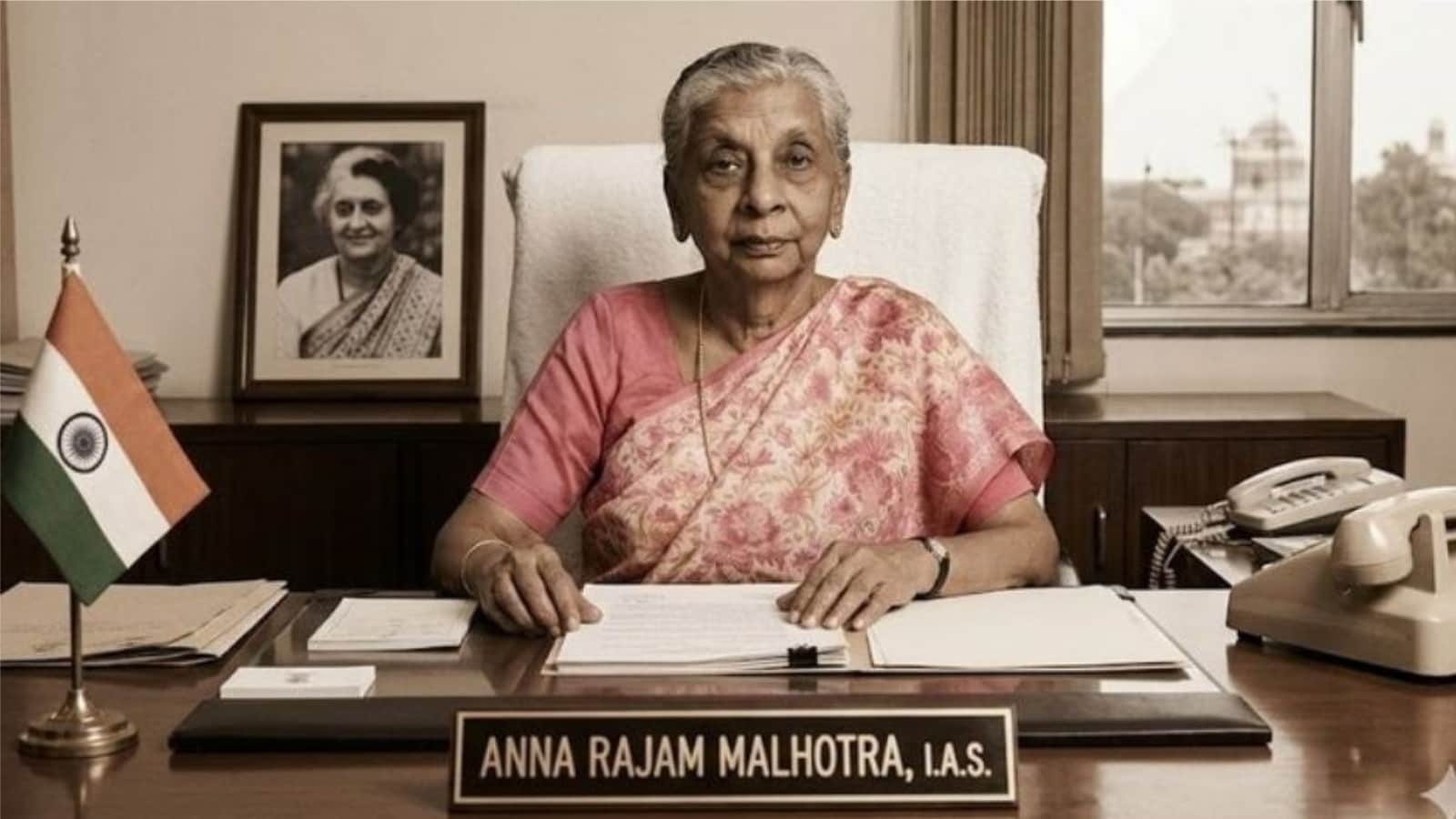
Over the years, Anna built an illustrious career marked by efficiency and integrity. She served in various key roles in both state and central governments. One of her most notable contributions was her involvement in the development of the Jawaharlal Nehru Port Trust, now one of India’s busiest ports. Her work was often associated with large-scale infrastructure and administrative reforms, proving that women could not only participate but also lead in nation-building efforts. (Image: Instagram)
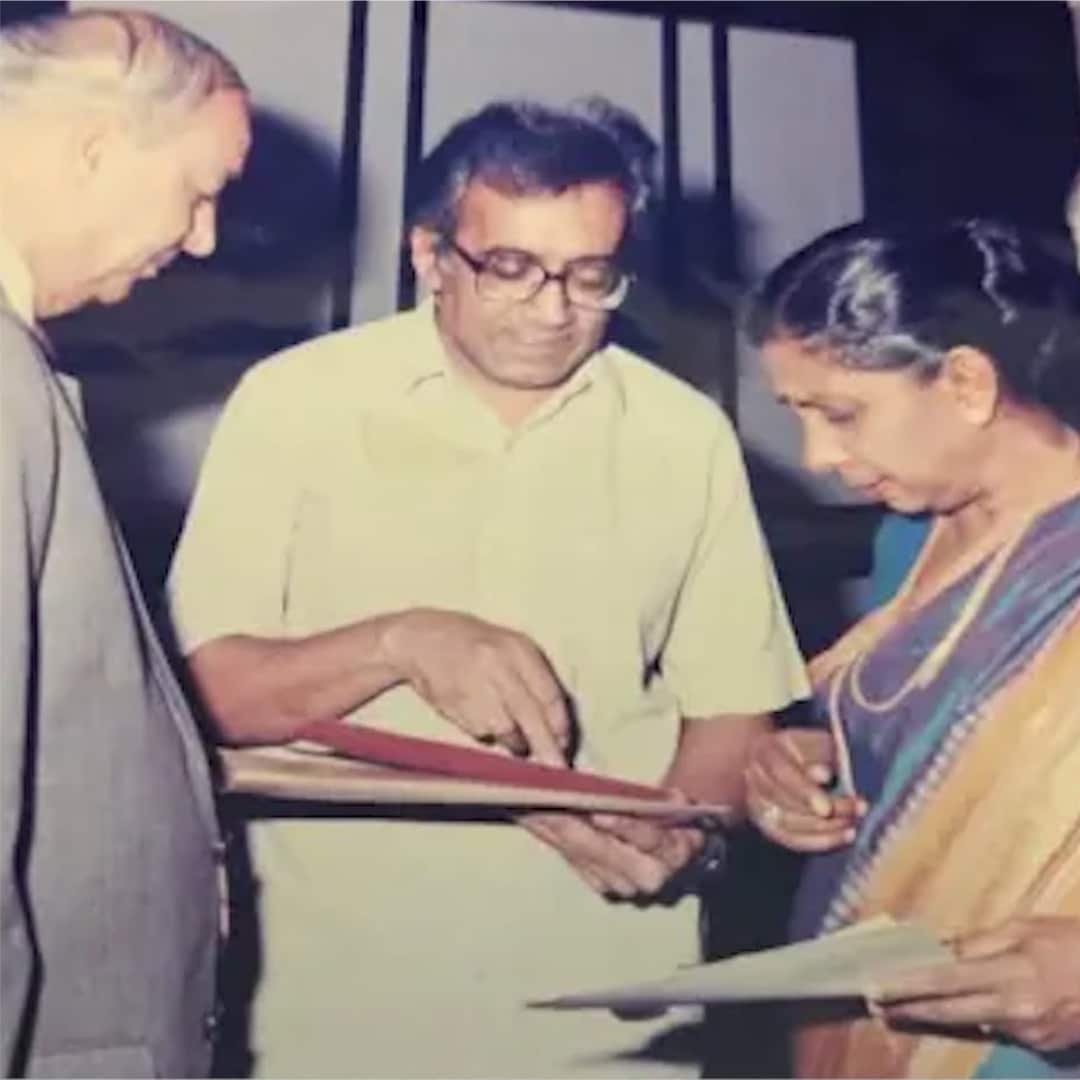
In recognition of her exceptional service to the nation, she was honoured with the prestigious Padma Bhushan in 1989, one of India’s highest civilian awards. This accolade cemented her legacy as a pioneering force in Indian administration. (Image: Instagram)
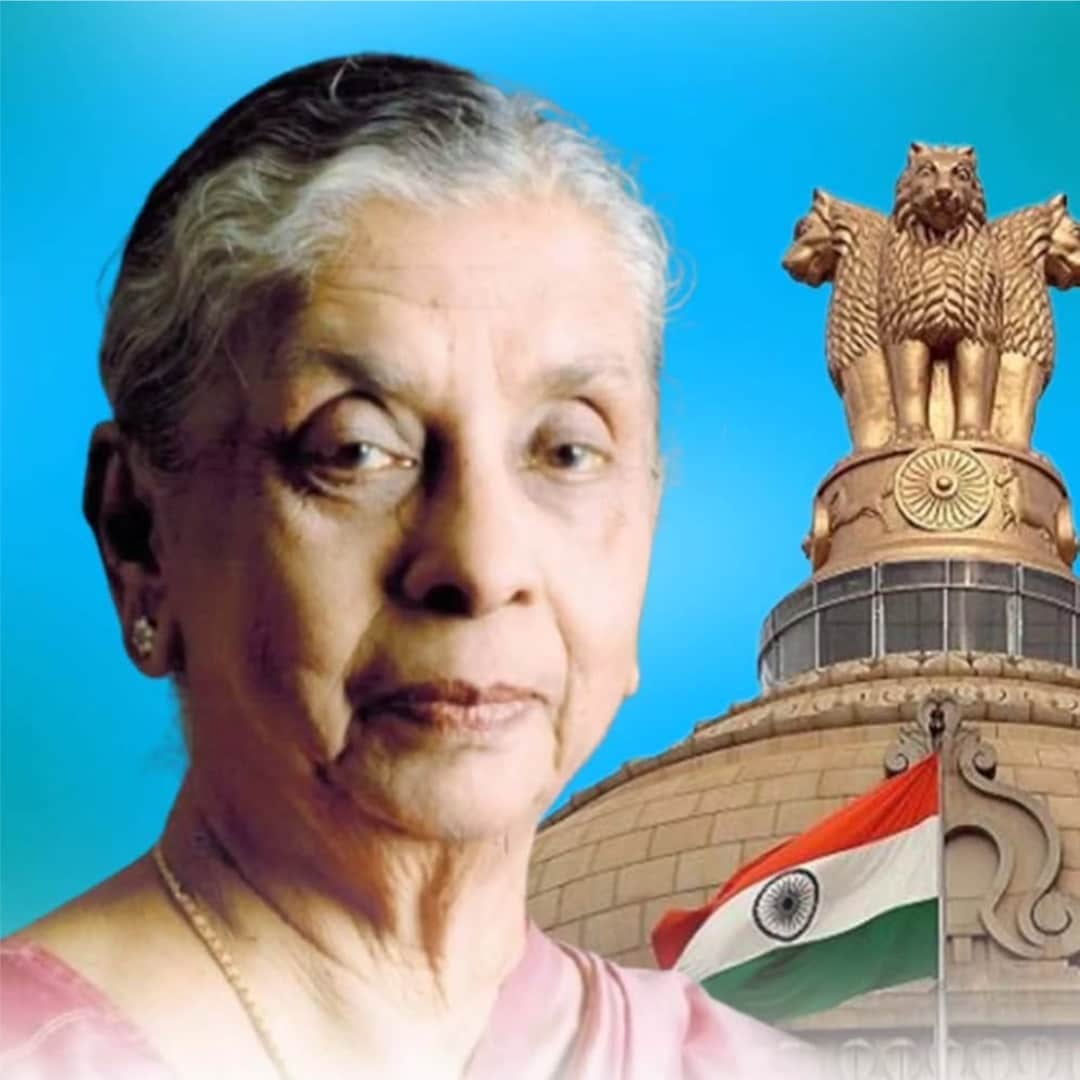
Anna Rajam Malhotra’s legacy goes far beyond her titles. She paved the way for generations of women to enter civil services with confidence. Today, thousands of women officers in the IAS owe part of their journey to her courage and perseverance. She passed away on September 17, 2018 at the age of 91, leaving behind a legacy of quiet revolution and powerful change. (Image: Instagram)
Source link
[ad_3]

