
Building a secure financial future without exposing your savings to the unpredictable volatility of the stock market is a priority for many prudent savers. Post Office Recurring Deposit (RD) schemes offer a reliable and disciplined way to set aside modest amounts every month while earning guaranteed returns backed by sovereign safety. Whether you want to cultivate steady savings habits or build a dedicated fund over five years, understanding how postal RD accounts work helps you plan your investments effectively. Here is a complete guide to post office recurring deposits, maturity returns on monthly savings, and key account rules.
If you want to save a portion of your monthly earnings without facing the risks of stock market fluctuations, post office recurring deposit schemes offer a safe alternative. You can deposit a fixed amount every month and steadily grow your financial reserve with government-backed security. (File Photo)

Designed specifically for small savers, the post office RD scheme requires monthly deposits over a standard tenure of five years, or 60 months. During this period, your deposited funds accumulate interest according to prevailing government rates, fostering a disciplined habit of regular savings. (File Photo)
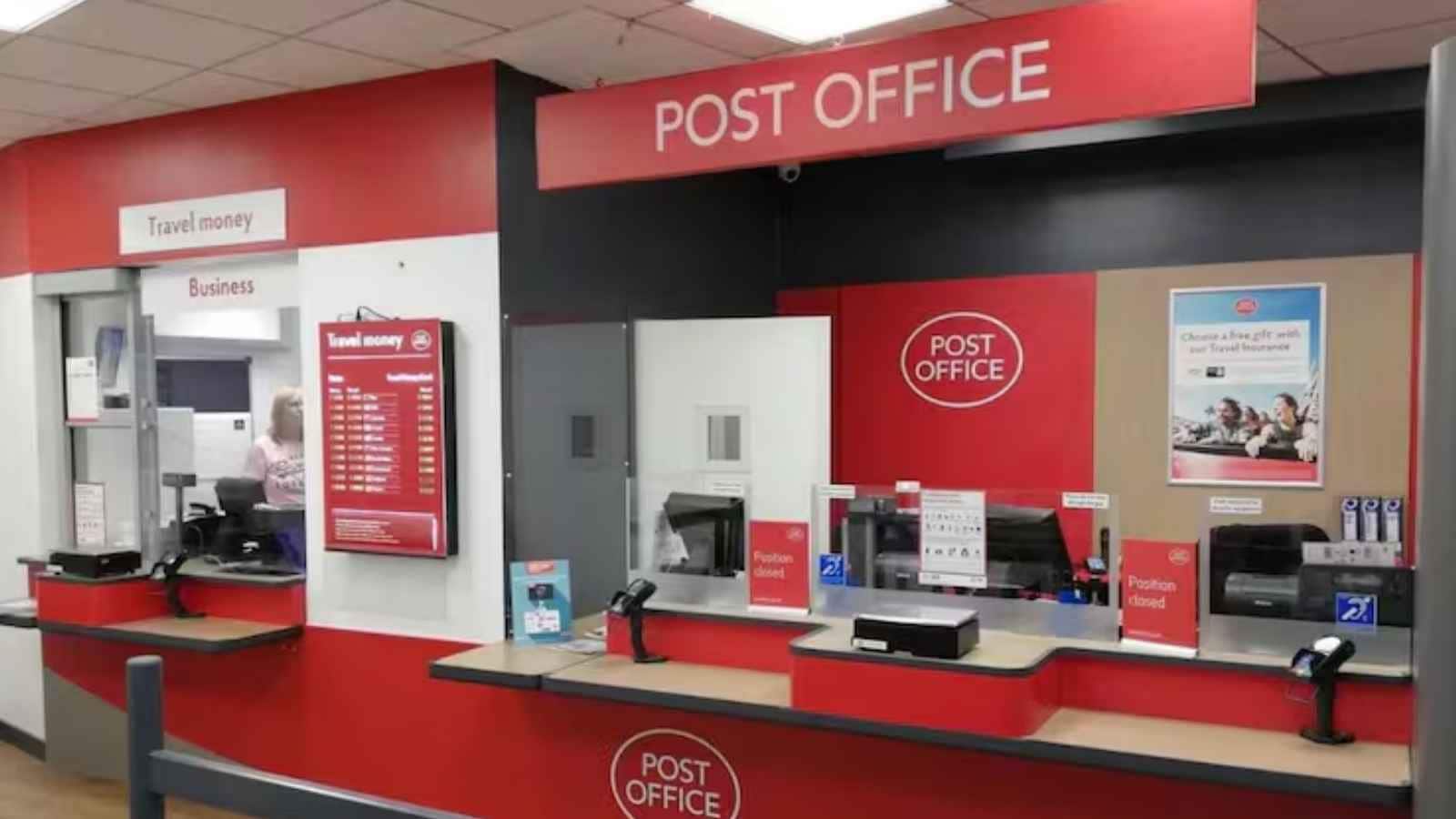
You can open a post office recurring deposit account with a minimum monthly contribution of just 100 rupees, with no upper ceiling on maximum deposits. This flexibility allows individuals to choose installment sizes that comfortably match their personal income and savings capacity. (File Photo)

Assuming an annual interest rate of 6.7 percent, depositing 6,000 rupees every month for five years results in a total principal investment of 3,60,000 rupees. Over 60 months, this earns roughly 68,000 rupees in interest, pushing your total maturity value to approximately 4,28,000 rupees. (Image: Canva)

Depositing your monthly installments on time is vital to keep the account active. Delayed payments attract nominal late fees under postal rules. Therefore, choose a monthly commitment that you can comfortably manage after accounting for your regular household and living expenses. (Image: Canva)

If unexpected financial needs arise, post office RD accounts permit premature closure after completing three full years. However, exiting the scheme early may impact your overall interest earnings, so it is wise to review liquidity rules before locking in your funds. (Image: Canva)

Postal RDs are particularly beneficial for salaried professionals, small business owners, and steady earners who prefer risk-free, predictable growth. Setting aside a fixed sum right after payday ensures effortless wealth accumulation without the stress of complex financial instruments. (Image: Canva)

While post office savings offer high security, remember that interest earned on recurring deposits is subject to applicable income tax rules based on your tax bracket. Always verify current interest rates and tax implications with your local post office before investing. (Image: Canva)
Source link
[ad_3]

