
For nearly two centuries, the British Empire cast its shadow across the subcontinent, reshaping its politics, economy and society. From Bengal to Punjab, from Madras to Bombay, colonial rule left deep scars through exploitation, heavy taxation and the systematic drain of wealth. India finally broke free of that rule on August 15, 1947, after decades of resistance led by freedom fighters. Yet, buried within this long colonial narrative is an exception that continues to intrigue historians and general knowledge enthusiasts alike; one region of present-day India never came under British rule at all. (AI-Generated Image)
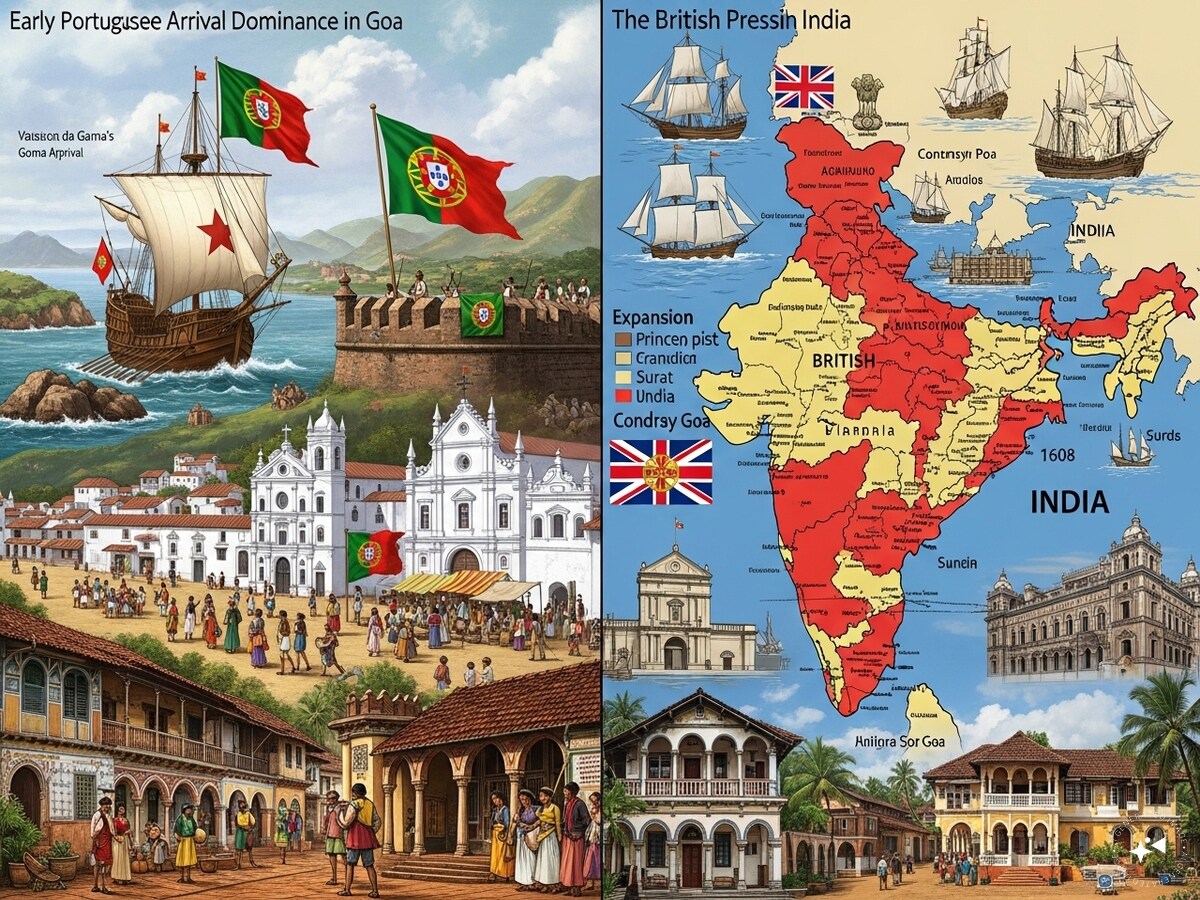
India’s riches like its spices, textiles, natural resources and strategic trading routes had drawn foreign powers for centuries. Long before the British East India Company tightened its grip, European traders had begun arriving on Indian shores, eyeing commercial advantage. The British initially entered as traders, but soon exploited internal rivalries among Indian rulers and growing political instability to expand their military and administrative control. One by one, kingdoms and regions fell under British dominance, either directly or through indirect rule. (AI-Generated Image)
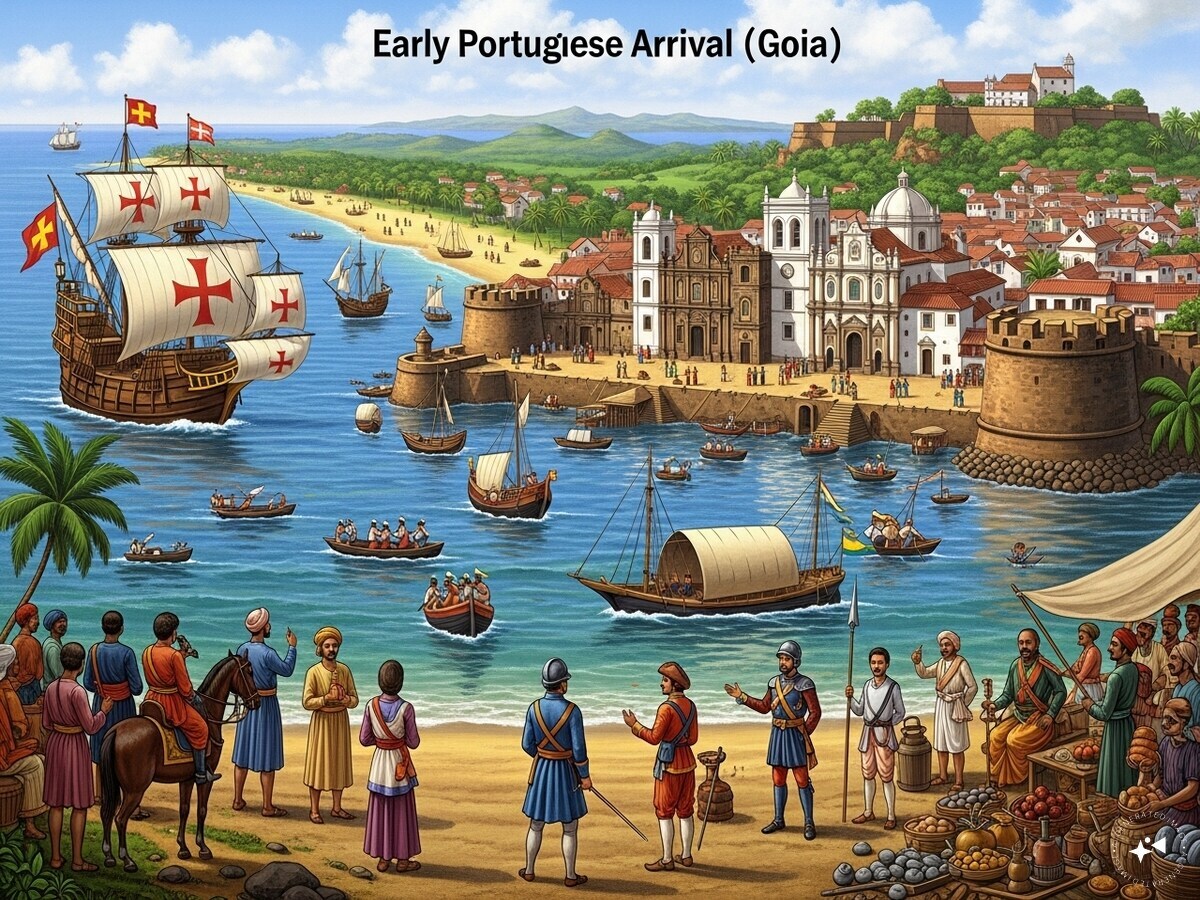
Despite this sweeping expansion, British authority was not universal. A small but significant coastal territory remained entirely outside their control throughout the colonial period. That territory was Goa. Today known globally for its beaches, tourism and distinctive Indo-European culture, Goa was far from insignificant in the past. Its location along the western coast made it strategically vital for maritime trade and naval power. Yet, unlike most of the subcontinent, Goa never became part of the British Empire in India. (AI-Generated Image)
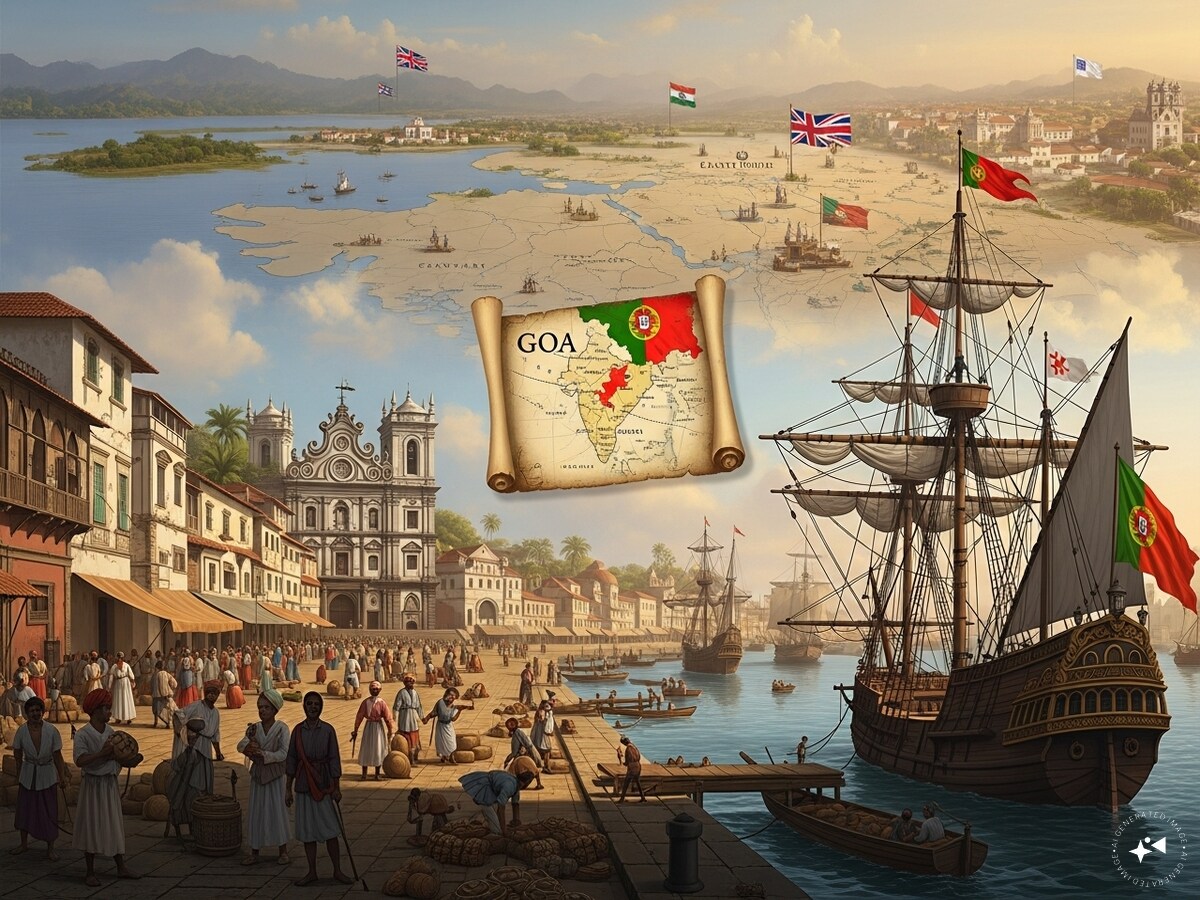
The reason lies in an earlier European arrival. In 1498, Portuguese explorer Vasco da Gama reached the Indian coast, opening a direct sea route between Europe and India. Soon after, the Portuguese established Goa as the centre of their Indian empire, developing it into a major trading and administrative hub. By the time the British set foot in India in the early 17th century, arriving in Surat in 1608, the Portuguese had already entrenched themselves firmly in Goa. (AI-Generated Image)
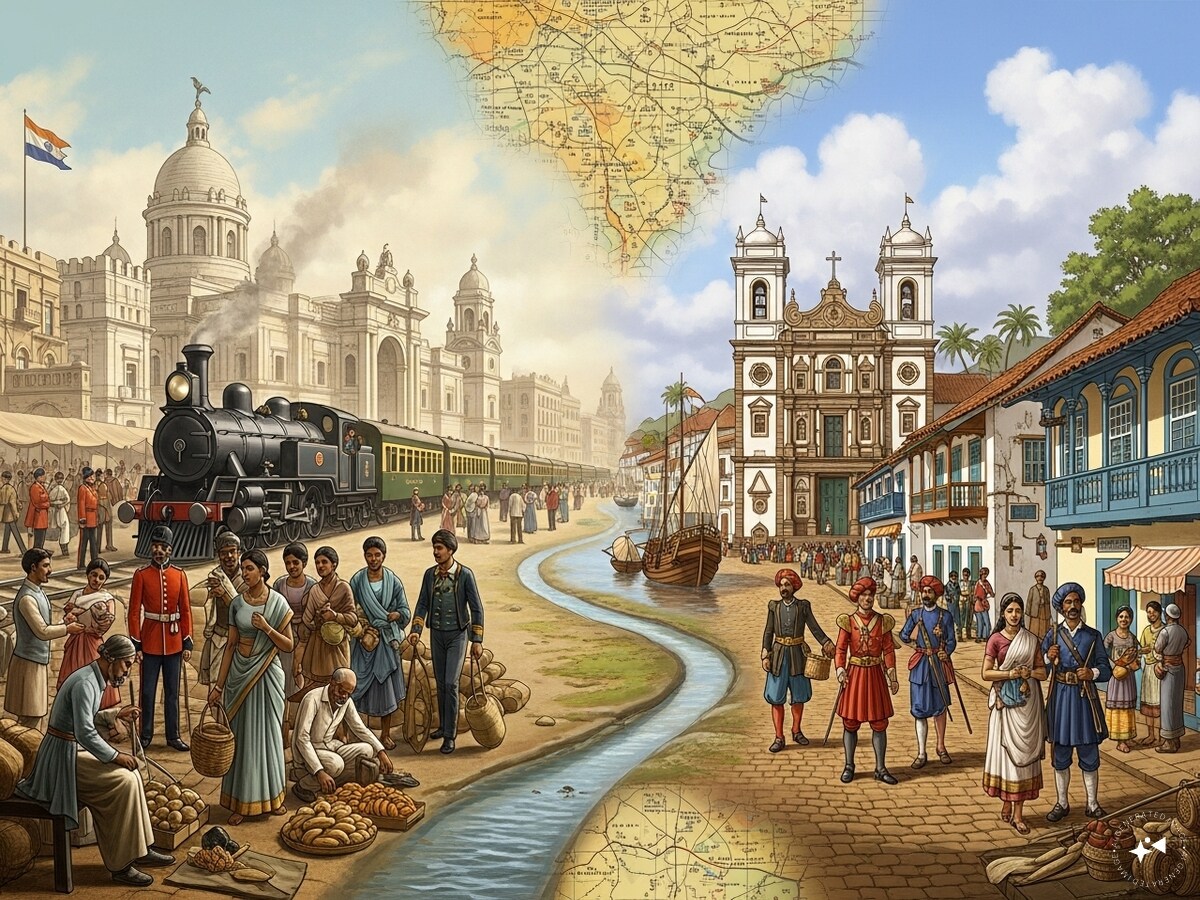
As British influence grew elsewhere, rivalry between European powers intensified. The British and Portuguese competed commercially and politically, and tensions were not uncommon. However, the Portuguese were determined to retain Goa at all costs. Strong naval defences, administrative control and international political equations worked in their favour. Despite their expanding power across the subcontinent, the British never succeeded in dislodging the Portuguese from Goa. (AI-Generated Image)
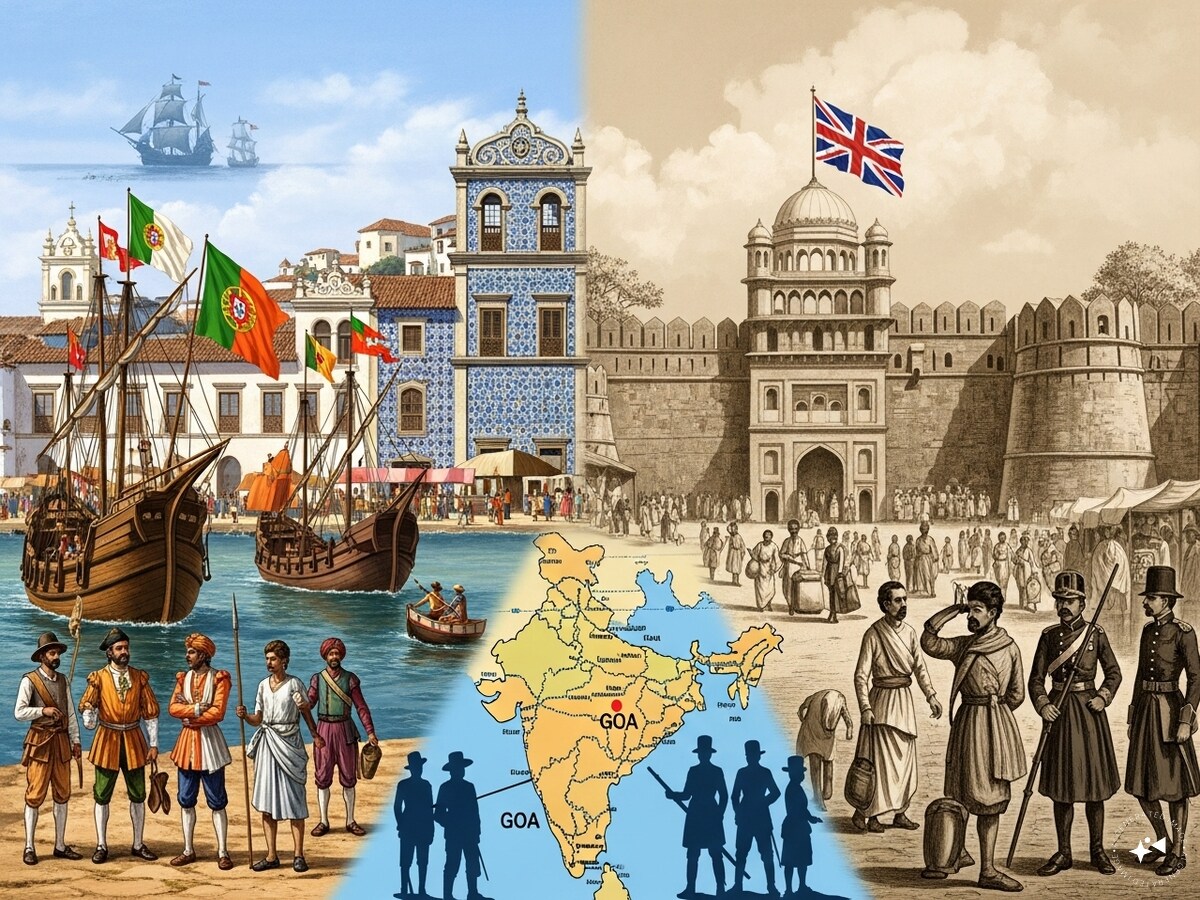
When India achieved independence in 1947, British rule came to an end, but Goa’s colonial chapter did not. While the rest of the country celebrated freedom, Goa remained under Portuguese control. In fact, Portuguese rule there lasted for nearly 400 years, far longer than British rule in most parts of India. It was only in 1961, following a military operation by the government, that Goa was liberated and formally integrated into the Indian Union. (AI-Generated Image)
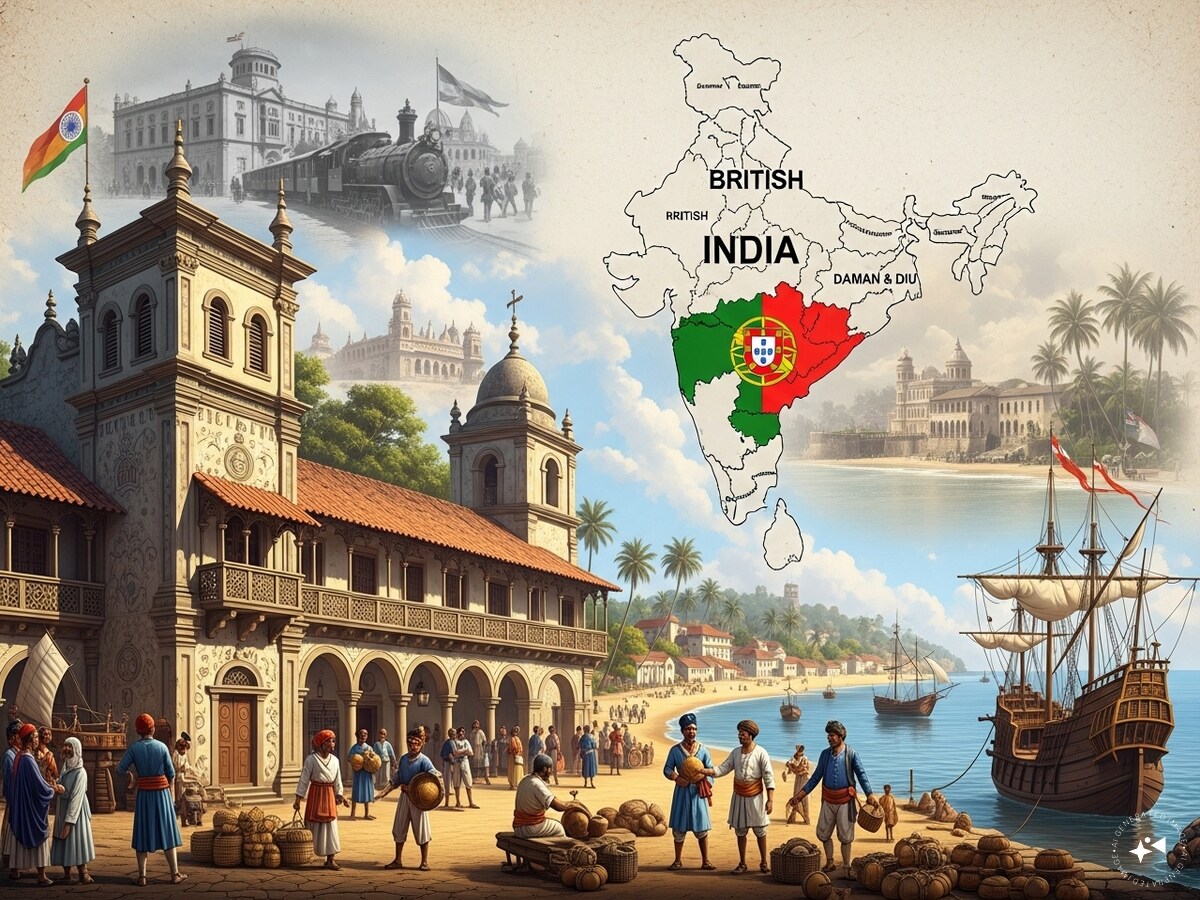
Goa’s history thus occupies a unique place in India’s colonial past. Shielded by Portuguese dominance, geography and global power politics, it remained untouched by British rule even as the rest of the subcontinent endured it. (AI-Generated Image)
Source link
[ad_3]

