
When people think of Madhya Pradesh, they often think of its wildlife, forts, temples, and rich history. But the state is also home to some truly fascinating foods and ingredients that cannot be found anywhere else in quite the same way. Many of these products have received a Geographical Indication (GI) tag, a special recognition that protects products linked to a specific region. Here are some of Madhya Pradesh’s most remarkable culinary treasures.
Kadaknath Chicken Meat
Kadaknath looks like an ordinary chicken until you take a closer look. Native to the tribal regions of Jhabua and Dhar in Madhya Pradesh, Kadaknath is famous because almost every part of the bird is black. Its feathers, skin, tongue, meat, bones, and even internal organs have a dark grey-black colour due to a natural pigment called melanin.
The breed received its GI tag in 2018, giving legal recognition to its connection with Madhya Pradesh. What makes Kadaknath so sought after is its distinctive flavour and texture. Interestingly, Kadaknath is one of only three black chicken breeds found in the world.
Balaghat Chinnor Rice
Some rice varieties fill a room with aroma the moment they are cooked, and Balaghat Chinnor is one of them. Grown mainly in the Balaghat district of Madhya Pradesh, this traditional rice variety is cherished for its fragrance, softness, and rich flavour. The rice received its GI tag in 2021 and became the first rice variety from Madhya Pradesh to earn the honour.
For generations, Chinnor rice has been associated with celebrations. It is commonly served during weddings, religious ceremonies, and festive feasts. The rice is particularly famous for making kheer. Locals say its natural sweetness and aroma are so rich that the dessert needs very little additional flavouring.
Khurasani Tamarind
Among all of Madhya Pradesh’s GI-tagged products, Khurasani Imli may have the most surprising story. This unusual fruit comes from the baobab tree, a species native to Africa. Yet hundreds of these giant trees stand proudly around the historic town of Mandu. Known locally as Khurasani Imli or Mandu Imli, the fruit has a unique sweet-and-sour flavour. It is also naturally rich in Vitamin C.
Often called the “Upside-Down Tree,” Baobab tree’s branches resemble roots stretching towards the sky. The GI tag has helped bring attention to this extraordinary fruit and the communities that have protected these ancient trees for generations.
Rewa Sundarja Mango
Photo: Pexels
India is home to hundreds of mango varieties, but the Sundarja mango from Rewa stands out for its royal origins and exceptional taste. Awarded a GI tag in 2023, the Rewa Sundarja mango is mainly grown around Govindgarh in the Rewa district. It is known for being completely fibre-free, making every bite smooth, juicy, and enjoyable.
The mango traces its roots back to Maharaja Venkat Raman Singh of the former princely state of Rewa. Through careful cross-breeding, he helped develop a variety that would later become one of Madhya Pradesh’s most prized fruits. What makes Sundarja special is its rich sweetness and beautiful aroma.
Garlic soup
Garlic is used in kitchens across the country, but Riyawan Garlic from Ratlam has developed a reputation that goes far beyond its home district. This special variety is known for its large bulbs covered in thick white skin. Each bulb usually contains only a handful of cloves, but those cloves are bigger, easier to peel, and packed with flavour.
What truly sets Riyawan Garlic apart is its high oil content and powerful aroma. Its strong, pungent taste makes it a favourite ingredient for curries, chutneys, pickles, and traditional Indian tadkas. Farmers in Riyawan village have cultivated this garlic using traditional techniques for decades. Another reason for its popularity is its excellent shelf life.
Ratlami Sev
Few Indian snacks are as instantly recognisable as Ratlami Sev. Crispy, spicy, and packed with flavour, this famous namkeen has become a favourite across the country. The story of Ratlami Sev goes back more than 200 years. Local legends suggest it evolved from recipes created by communities in the region and gradually became popular among traders travelling through central India.
Unlike ordinary sev, Ratlami sev has a bold personality. It is flavoured with black pepper, cloves, and a unique blend of spices that gives it its signature taste. The snack received a GI tag to protect its traditional preparation methods and ensure that authentic Ratlami Sev remains linked to its place of origin.
Ratlam Garadu
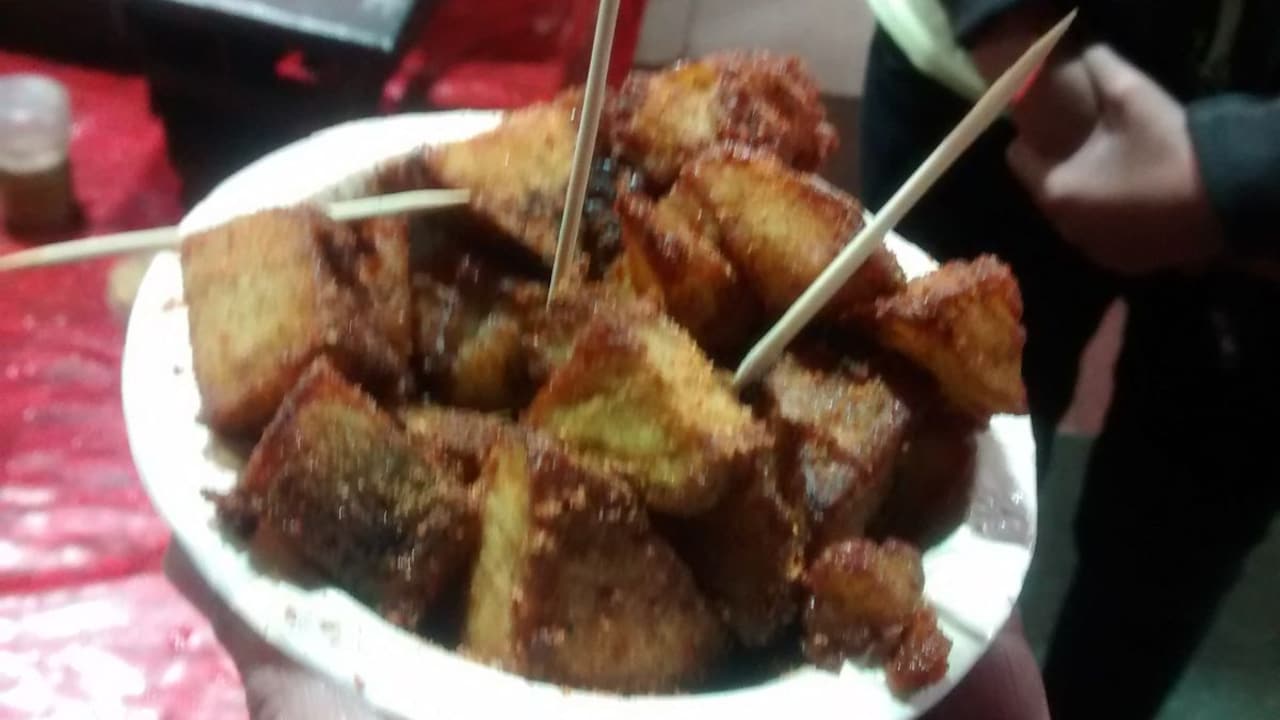
Photo: Pexels
As winter arrives in Madhya Pradesh, Garadu is one street food that begins appearing on almost every corner. While it may look simple, locals transform it into one of the state’s most addictive snacks. The tuber is cut into cubes, deep-fried until golden and crispy, and then tossed with a generous amount of chilli, spices, and fresh lemon juice.
Many Indore and Ratlam residents even swear by Garadu as a winter comfort food. Whether or not it cures a cold, as local folklore suggests, it has certainly become an essential part of the region’s winter food culture.
For food lovers, exploring these GI-tagged treasures is one of the best ways to understand the state’s rich culinary heritage.
Source link
[ad_3]

