
A Science You Use Every Day
Did you know that every time you open a map app or check the weather, you are using a science that began thousands of years ago? Geography is not just about countries and capitals. It helps us understand land, water, climate, and how people live on Earth. Long before satellites and GPS, one man tried to understand the whole world using simple tools. He studied shadows, distances, and the sun. His ideas changed how humans see the planet forever.
Who Started Geography?
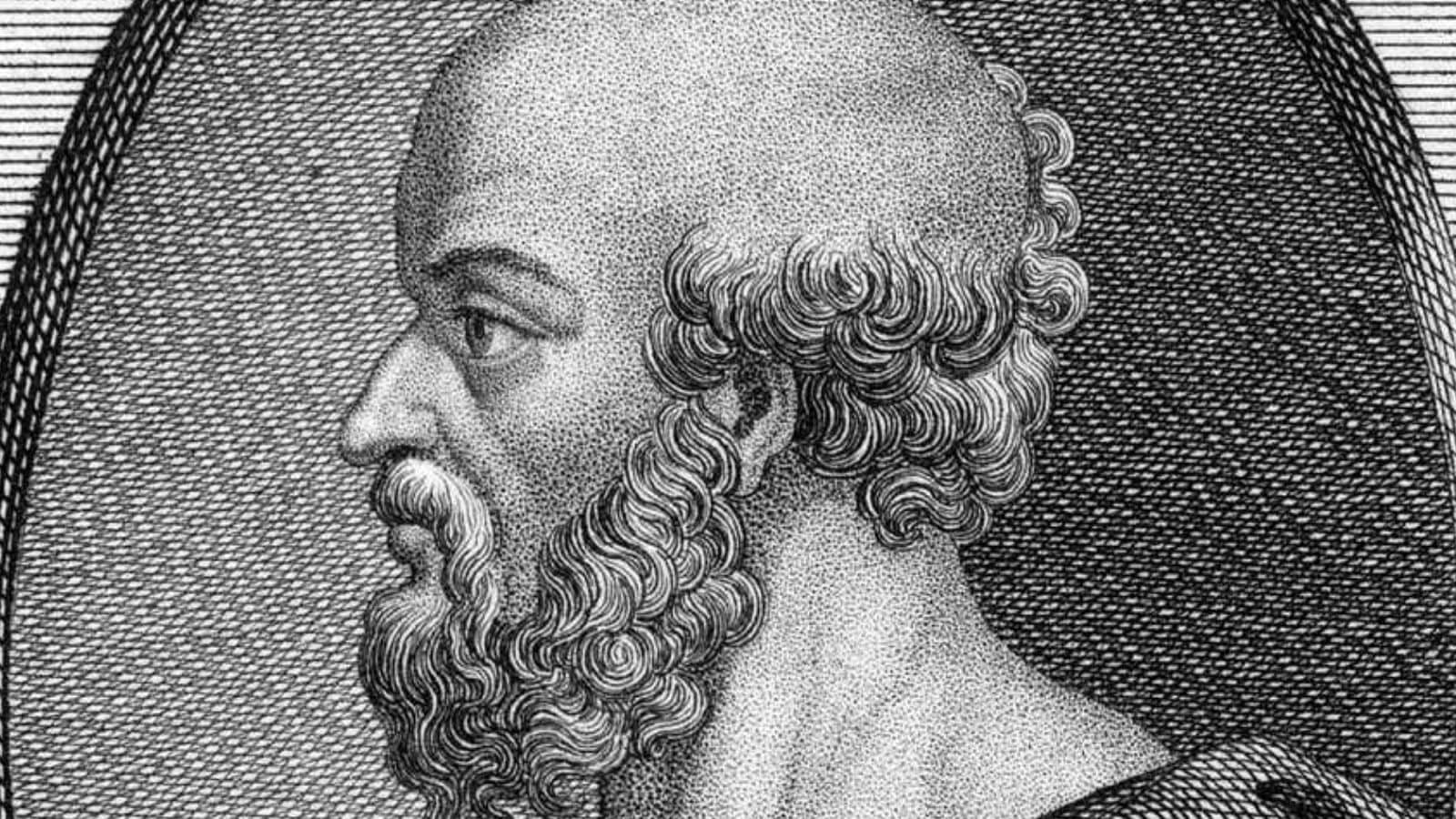
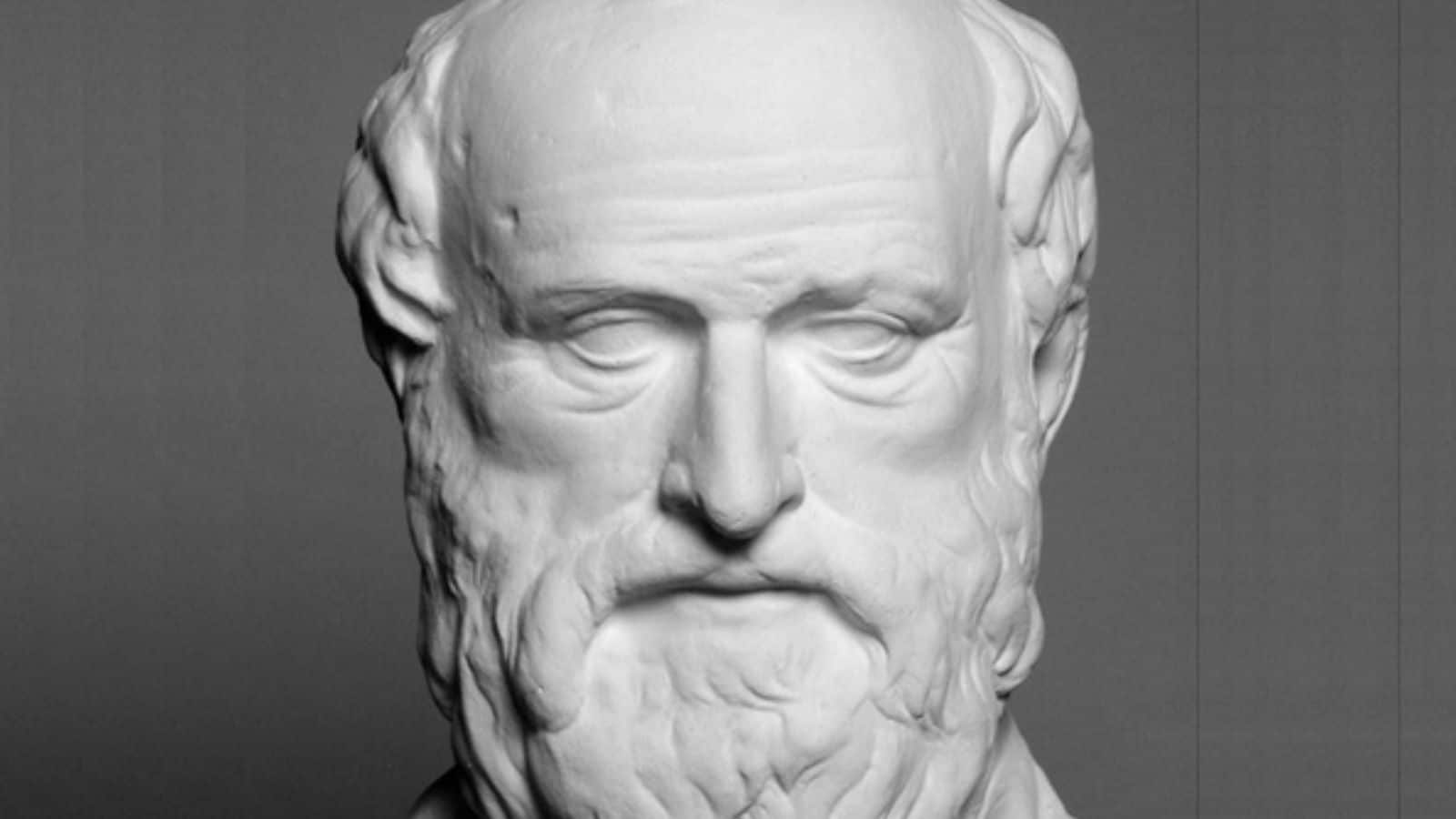
The person known as the Father of Geography is Eratosthenes of Cyrene, who lived between 276 BCE and 194 BCE. He was an ancient Greek scholar who first used the word “geography.” Eratosthenes of Cyrene believed the Earth could be measured and mapped using logic and numbers. At a time when many relied on stories and myths, he chose science. His work helped geography become a serious subject instead of guesswork.
A Man of Many Talents
Eratosthenes of Cyrene was not only a geographer. He was also a mathematician, poet, astronomer, and music expert. He was born in Cyrene, which is in present-day Libya. His wide knowledge helped him connect different ideas. He believed learning should explain the real world. This made him different from many scholars of his time. His sharp thinking earned him respect across the ancient world.
Head of the Great Library
Because of his intelligence, Eratosthenes of Cyrene became the head librarian of the Great Library of Alexandria in Egypt. This library was the most important centre of learning in the ancient world. Scholars from many regions visited it. People called him “Beta,” meaning second-best at everything, but this was praise, not an insult. It showed he was skilled in many fields. At the library, he studied maps, books, and measurements.
What Does Geography Mean?
The word “geography” was created by Eratosthenes of Cyrene. He combined two Greek words. “Geo” means Earth, and “graphia” means writing or describing. So geography means “writing about the Earth.” This name perfectly matched his work. He wanted to describe the planet clearly and correctly. His idea helped turn geography into a proper subject. Even today, the meaning of the word has stayed the same.
Mapping the World
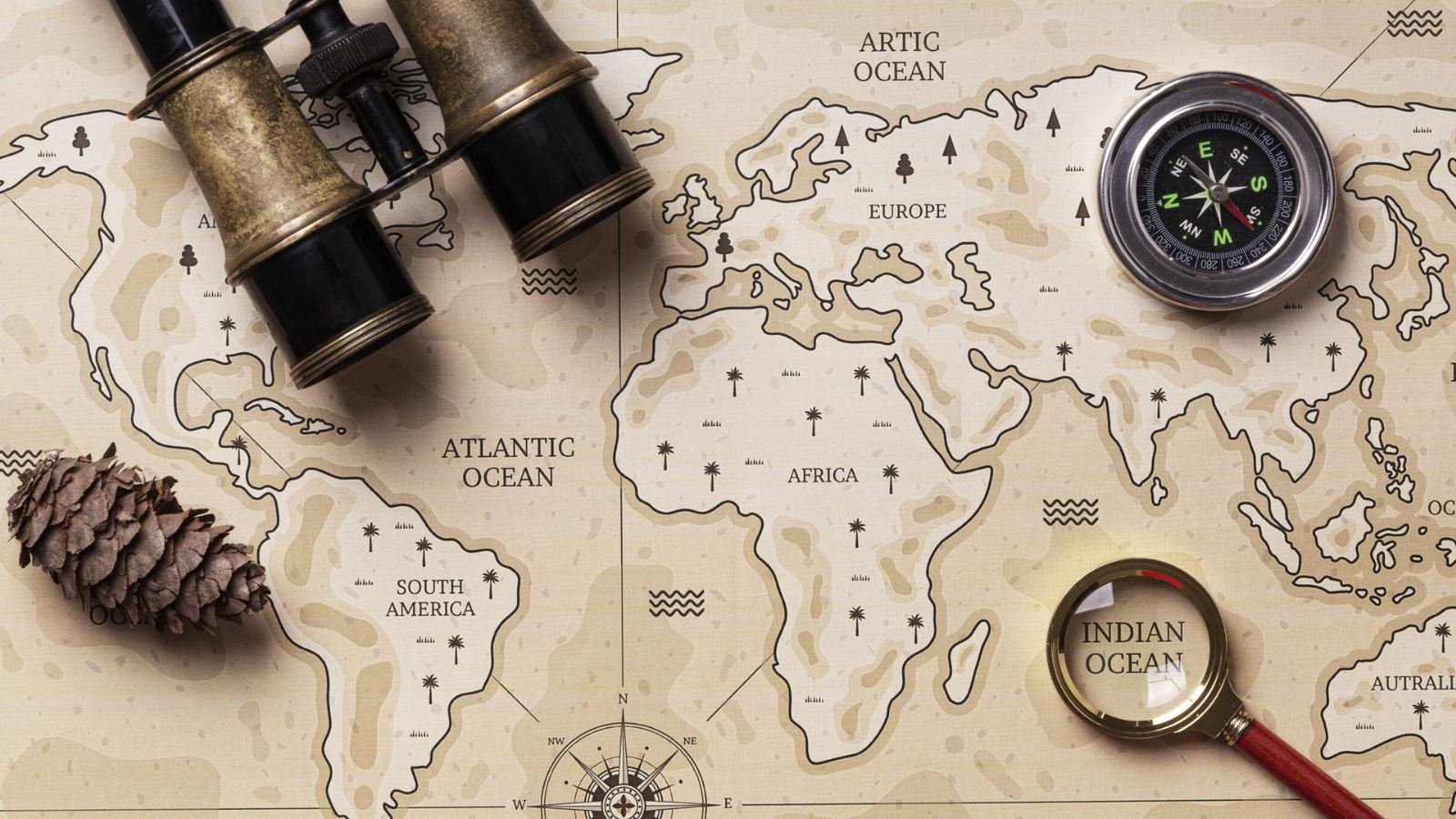
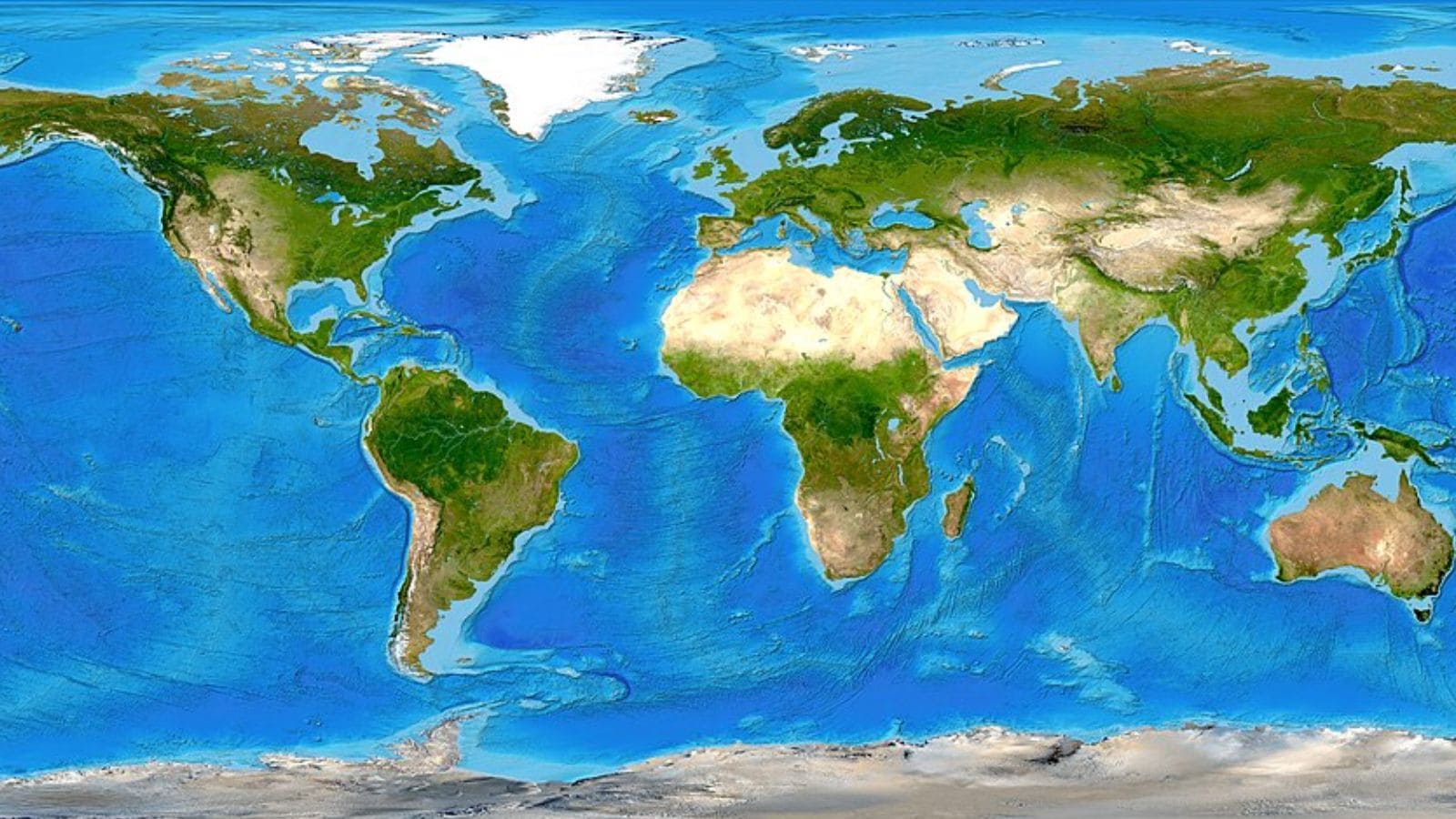
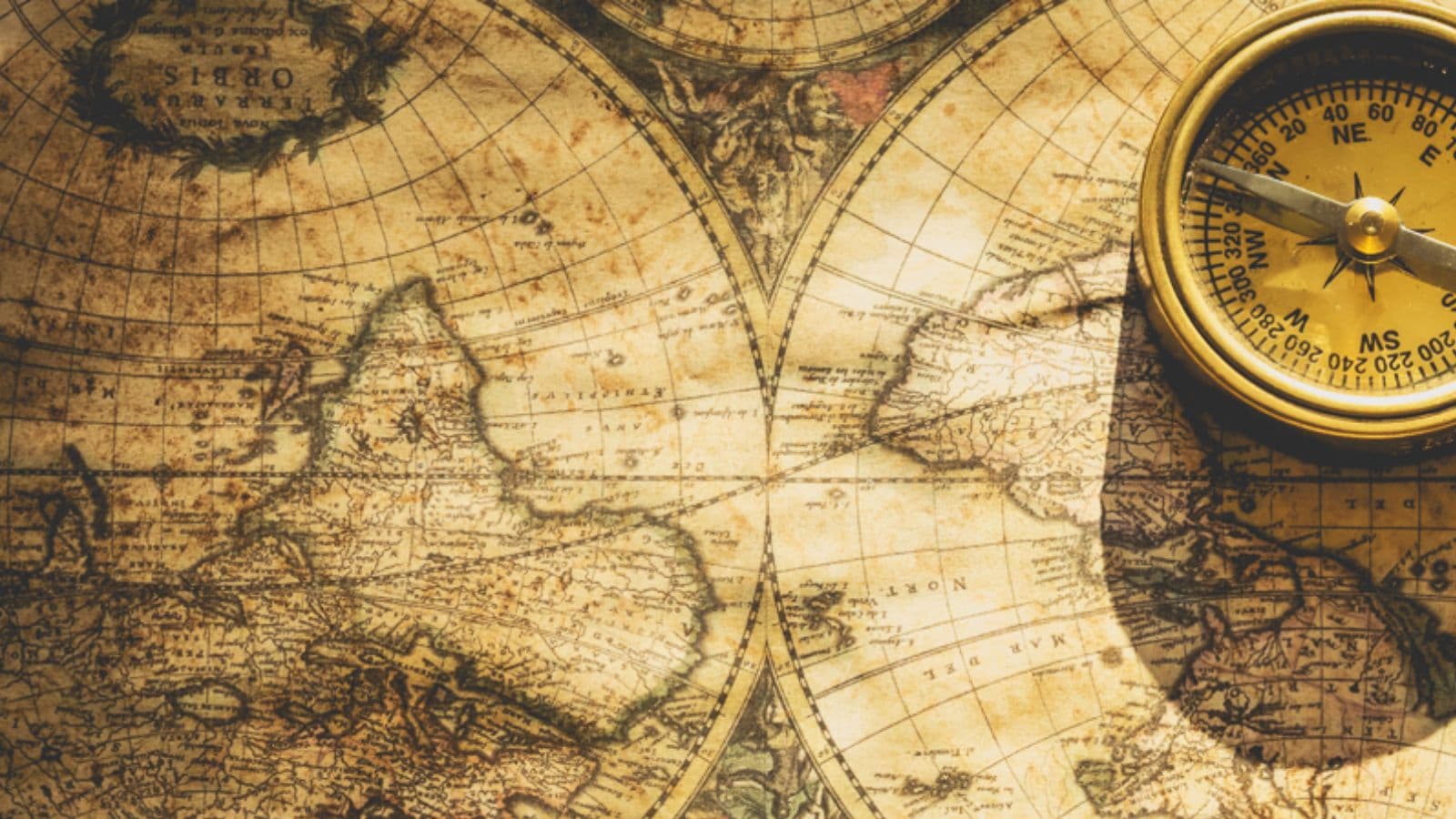
Eratosthenes of Cyrene made one of the first world maps using a grid system. He added lines running across and down the map to show the location. These later became latitude and longitude. This helped people measure the distance between places. He also divided the Earth into five climate zones. These included cold zones near the poles, warm zones in the middle, and temperate areas in between. This idea is still used today.
Measuring the Earth
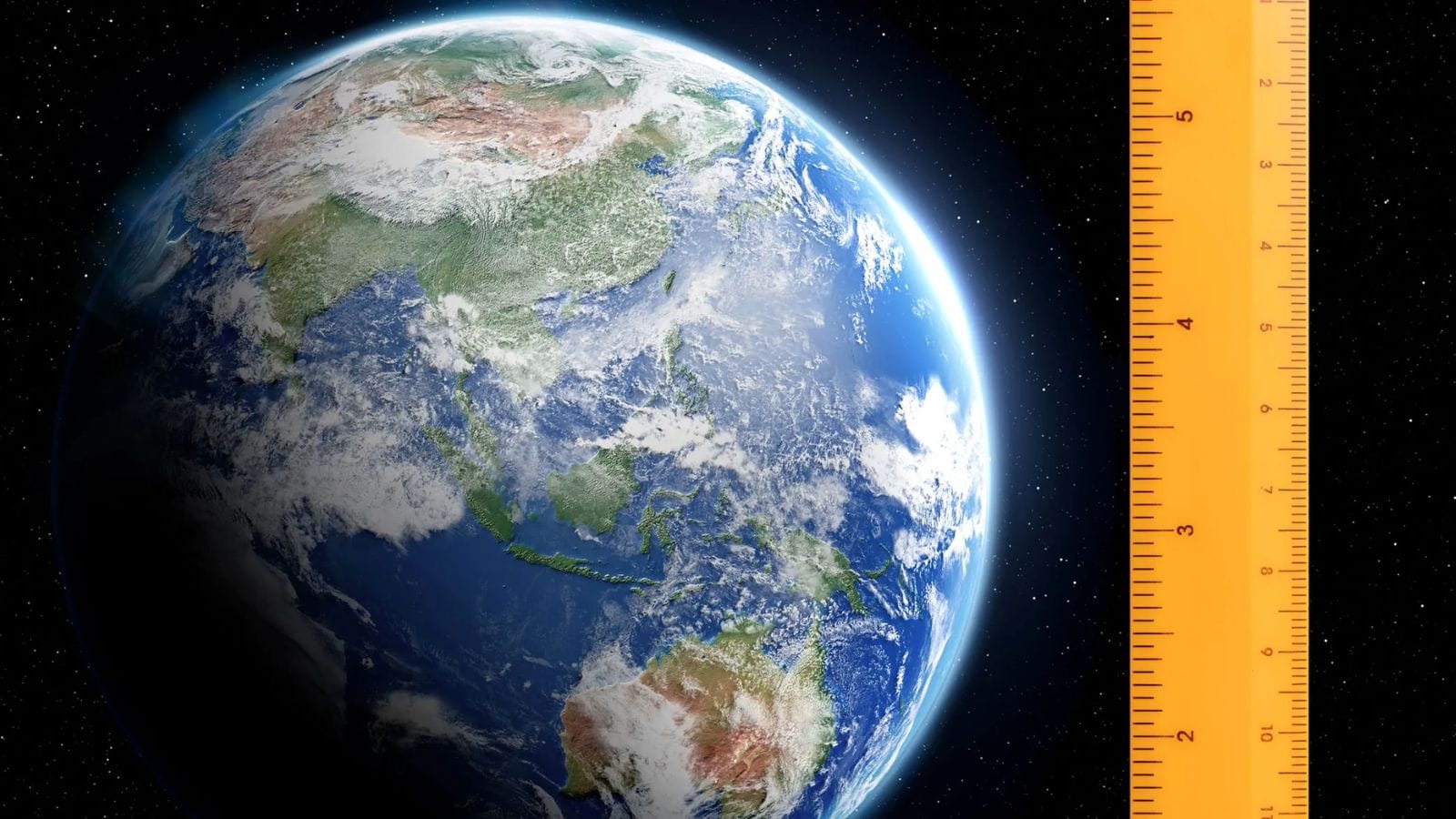
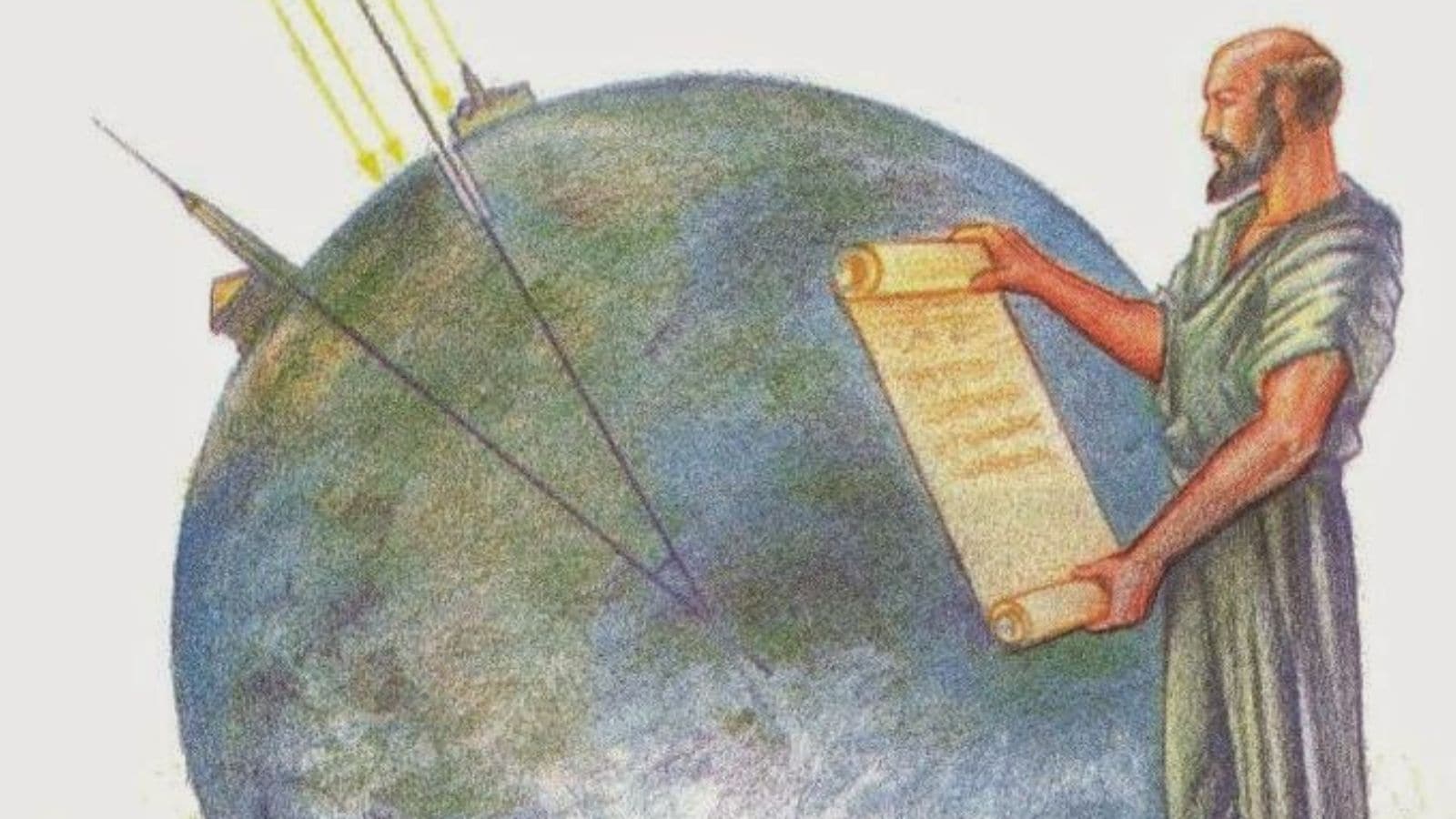
One of Eratosthenes of Cyrene’s greatest achievements was measuring the Earth’s size. He noticed that at noon in Syene, the sun cast no shadow. At the same time in Alexandria, a stick made a shadow. Using the angle and distance between the two cities, he calculated the Earth’s full size. His estimate was very close to modern measurements. This proved the Earth could be measured using math.
Geography As A Science
Before Eratosthenes of Cyrene, geography was mixed with myths and stories. He changed this by using numbers, observation, and logic. He wrote a book called Geographika, where he described the known world and listed over 400 cities. This was a huge task at that time. His work separated geography from history and philosophy. Because of this, geography became a scientific field with rules and methods.
Ideas That Still Matter
Many ideas we use today came from Eratosthenes of Cyrene. He introduced latitude and longitude, which later became the base for GPS. He suggested adding one extra day every four years, which led to the leap year. He also calculated the Earth’s tilt, explaining seasons. He even studied the Nile River and linked its floods to rainfall near its source. His thinking was far ahead of his time.
A Lasting Legacy
Even after more than 2,000 years, Eratosthenes of Cyrene’s work still shapes how we understand Earth. Every digital map, weather report, and travel route uses ideas he started. He showed that the world could be studied with curiosity and logic. His simple tools led to powerful discoveries. Because he named geography, defined it, and gave it structure, he truly earned the title Father of Geography. His legacy lives on in everyday life.
Source link
[ad_3]

