
Days after Maharashtra Food and Drug Administration (FDA) Commissioner Tukaram Mundhe ordered schools to keep junk food off their menus, changes are already visible in some Mumbai school canteens. vada pav and samosas are being replaced with options such as idli, dosa, burst, Sheera and upmawhile fizzy drinks are making way for beverages such as chaas. The changes come after the FDA stepped up enforcement of rules that restrict the sale, distribution and promotion of foods high in fat, sugar and salt in and around schools. The shift offers an early look at what the implementation of Mundhe’s directive could mean for students, canteen operators and schools across Mumbai. (AI Generated)
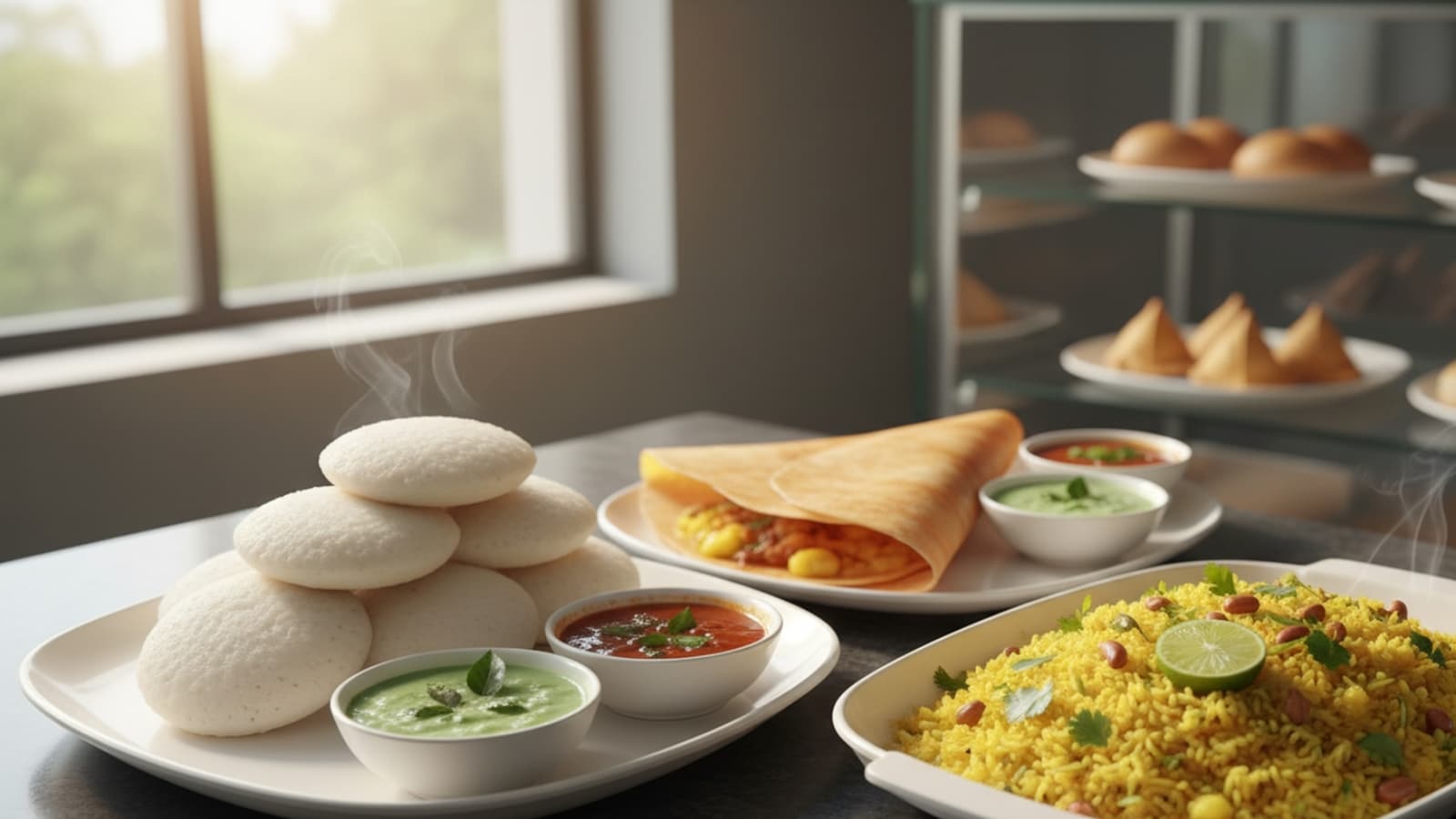
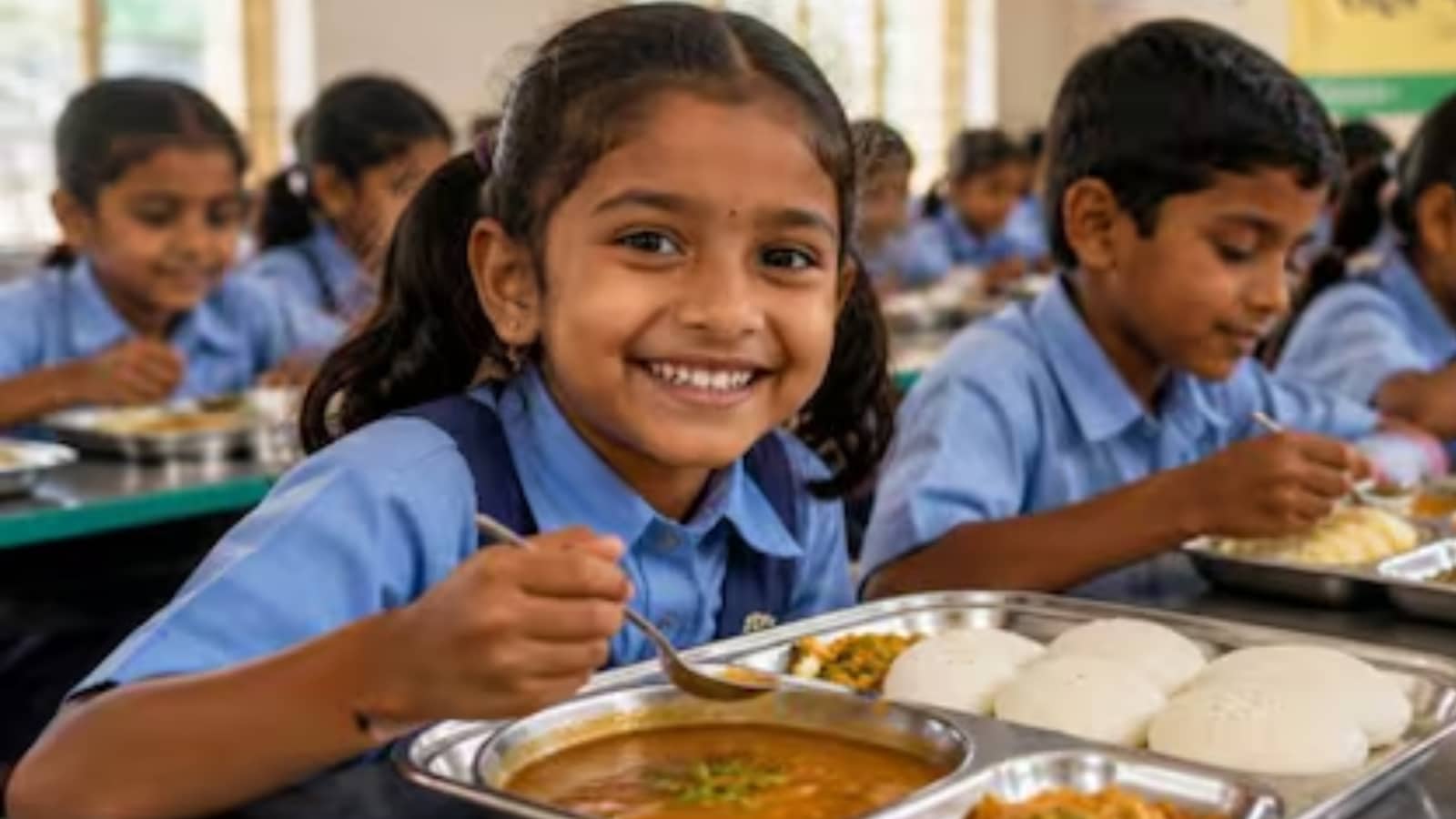
At schools run by the Archdiocesan Board of Education (ABE), familiar canteen favourites such as vada pav and samosa have reportedly been removed from menus. They have been replaced with more traditional breakfast and snack options, including idli, dosa, burst, Sheera and upma. The changes are among the clearest signs so far that the FDA’s directive is beginning to influence what is actually sold to children during school hours. (AI Generated)
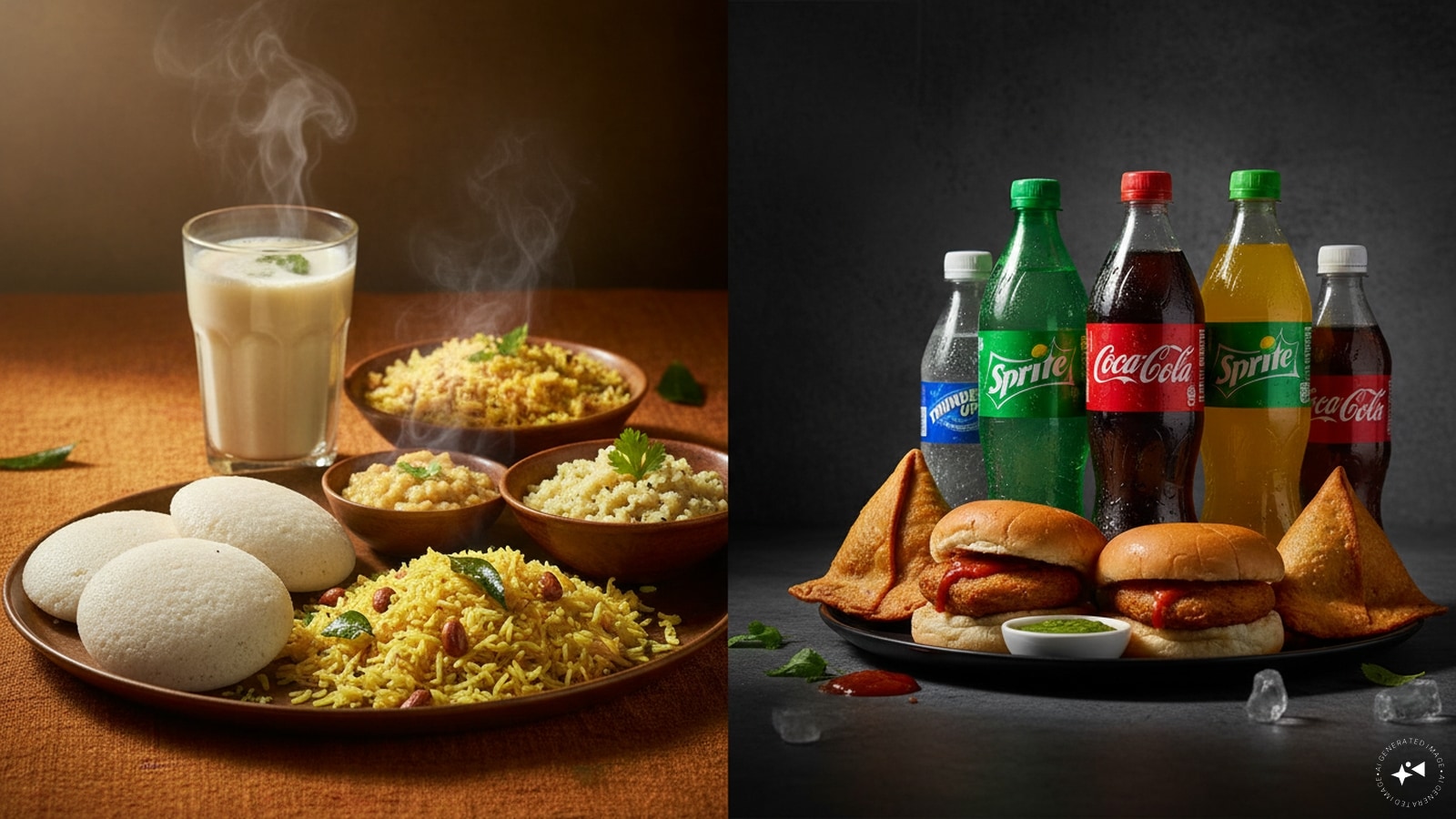
The change is not limited to food. Fizzy drinks are also being replaced with alternatives such as chaasgiving students a traditional beverage option instead of carbonated drinks. The shift reflects the FDA’s broader direction that school food environments should offer healthier choices rather than simply removing popular junk food from shelves. Mundhe himself highlighted the change, saying that when idli replaces vada pav and chaas replaces cola in a school canteen, it may appear small but changes the food environment in which children develop eating habits. (AI Generated)
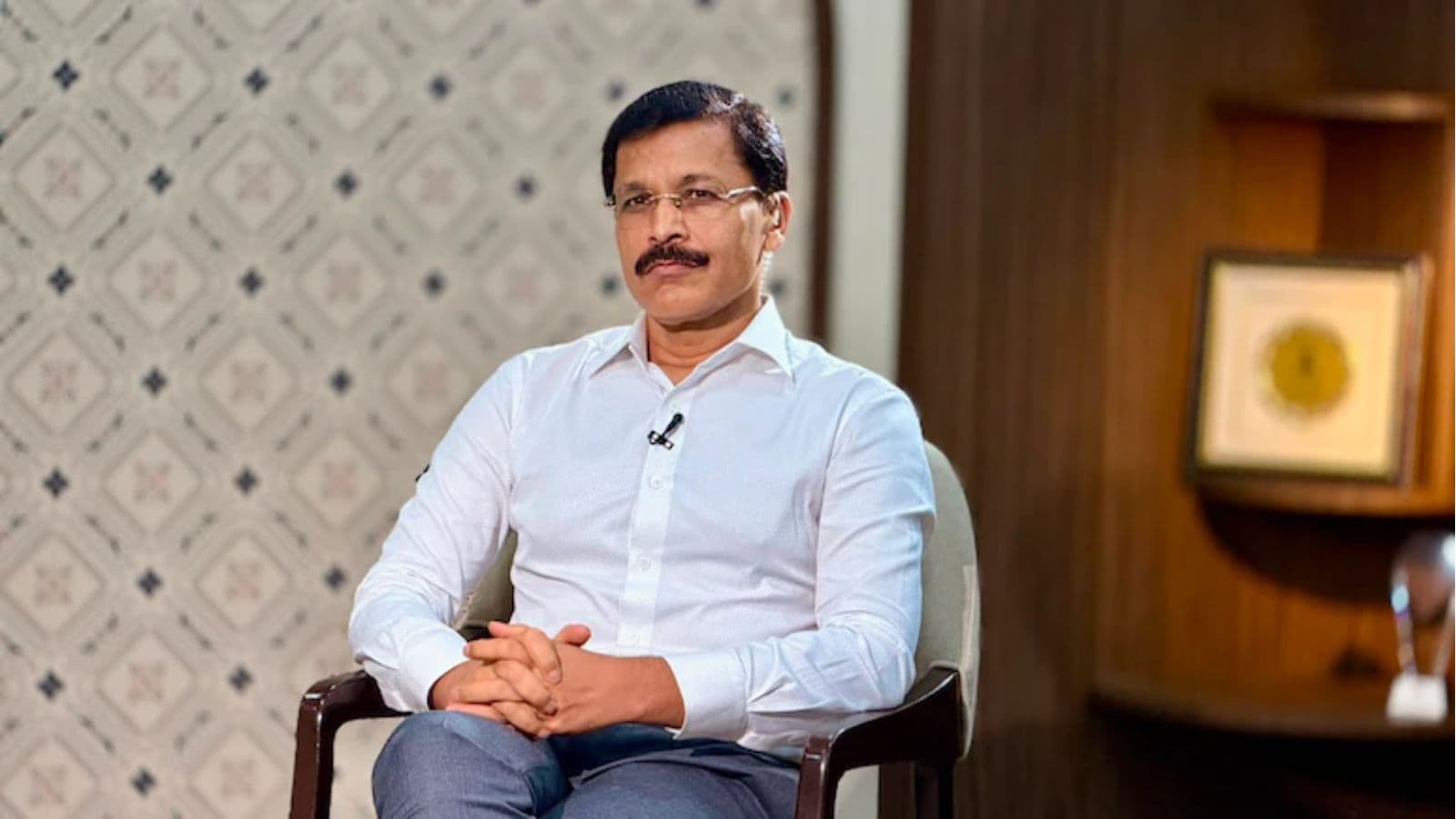
What Mundhe’s Order Says? The Maharashtra FDA’s July 29 order directed schools across the state to stop the sale, distribution and advertising of foods high in saturated fat, trans fat, added sugar and sodium, commonly classified as High Fat, Sugar and Salt (HFSS) foods. The restriction applies inside schools as well as within a 50-metre radius of school premises. Items specifically cited include vada pav, samosas, deep-fried snacks, chips, chocolates, ice cream, cold drinks and other sugary beverages. The directive covers government, aided and private schools, as well as institutions affiliated with the State Board, CBSE, ICSE and other boards.
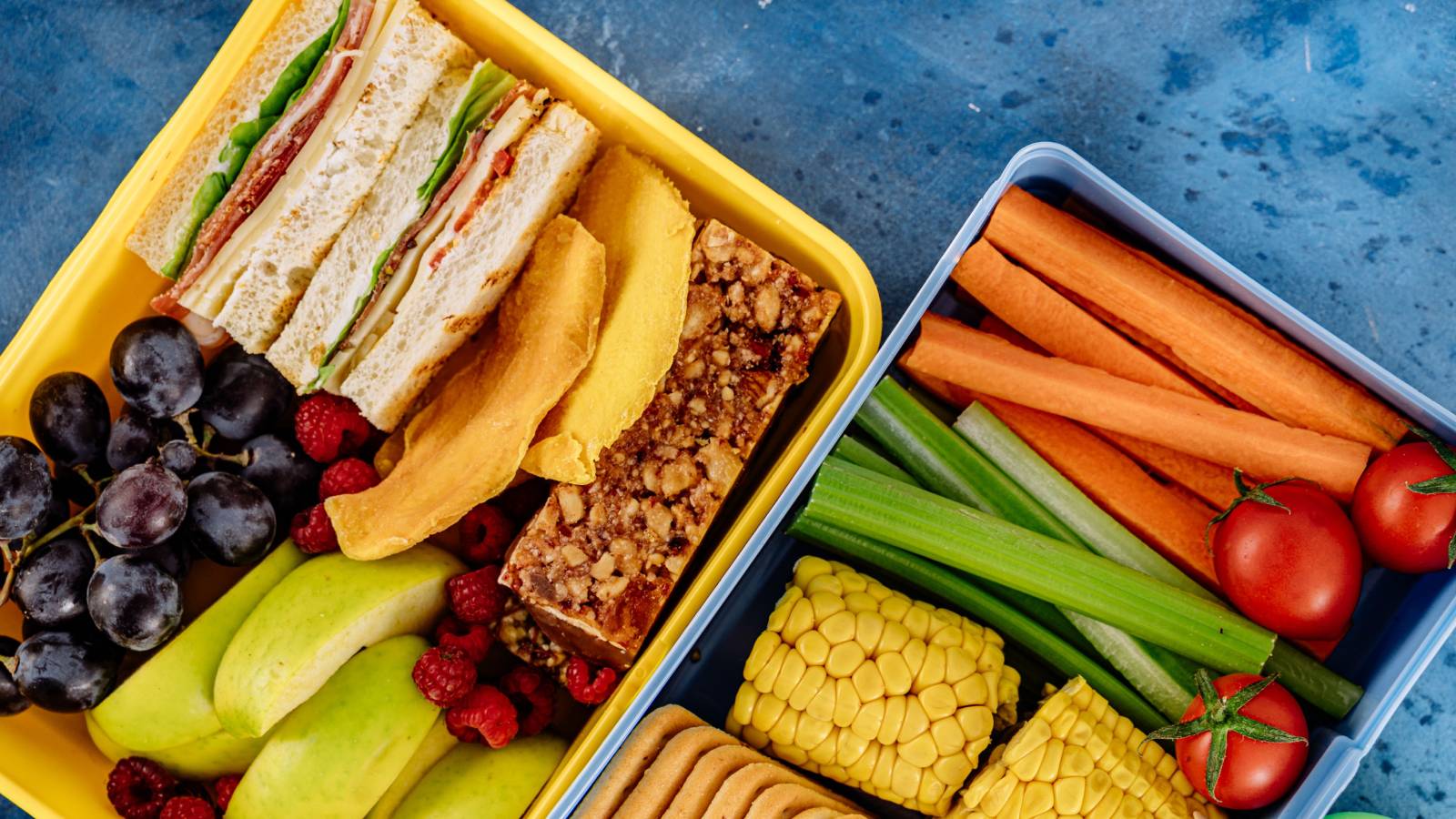
The order does not simply tell schools what they cannot sell. It also calls for canteen menus to include healthier food choices such as fruits, vegetables, whole grains, pulses and dairy.
Schools must also ensure that food served on their premises meets dietary guidelines issued by the Indian Council of Medical Research-National Institute of Nutrition. Canteens, hostel kitchens, mid-day meal providers and tuck shops operating in schools are required to have the necessary FSSAI licence or registration. Schools have also been asked to appoint a designated nodal officer for food safety and display food safety information.
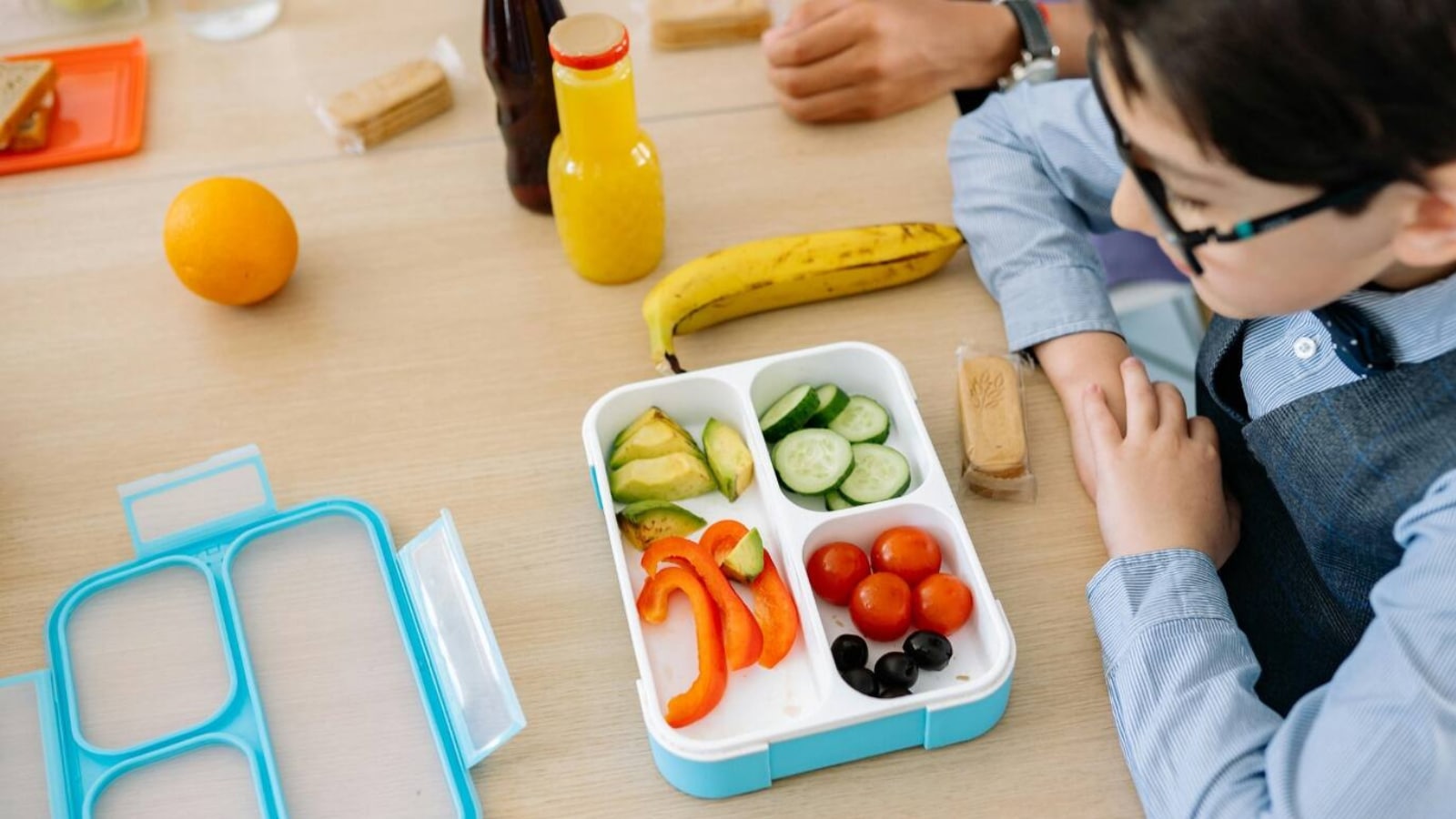
Parents Also Being Asked To Watch Lunch Boxes: The changes are extending beyond school canteens. Parents are also being made aware of the need to avoid sending unhealthy food with children, as the overall objective is to create a healthier food environment rather than simply change what is sold at the school counter. The Indian Express report noted that parents are being told what to pack as schools respond to the new food-safety push. This puts the focus not only on canteen operators but also on the food children carry from home.
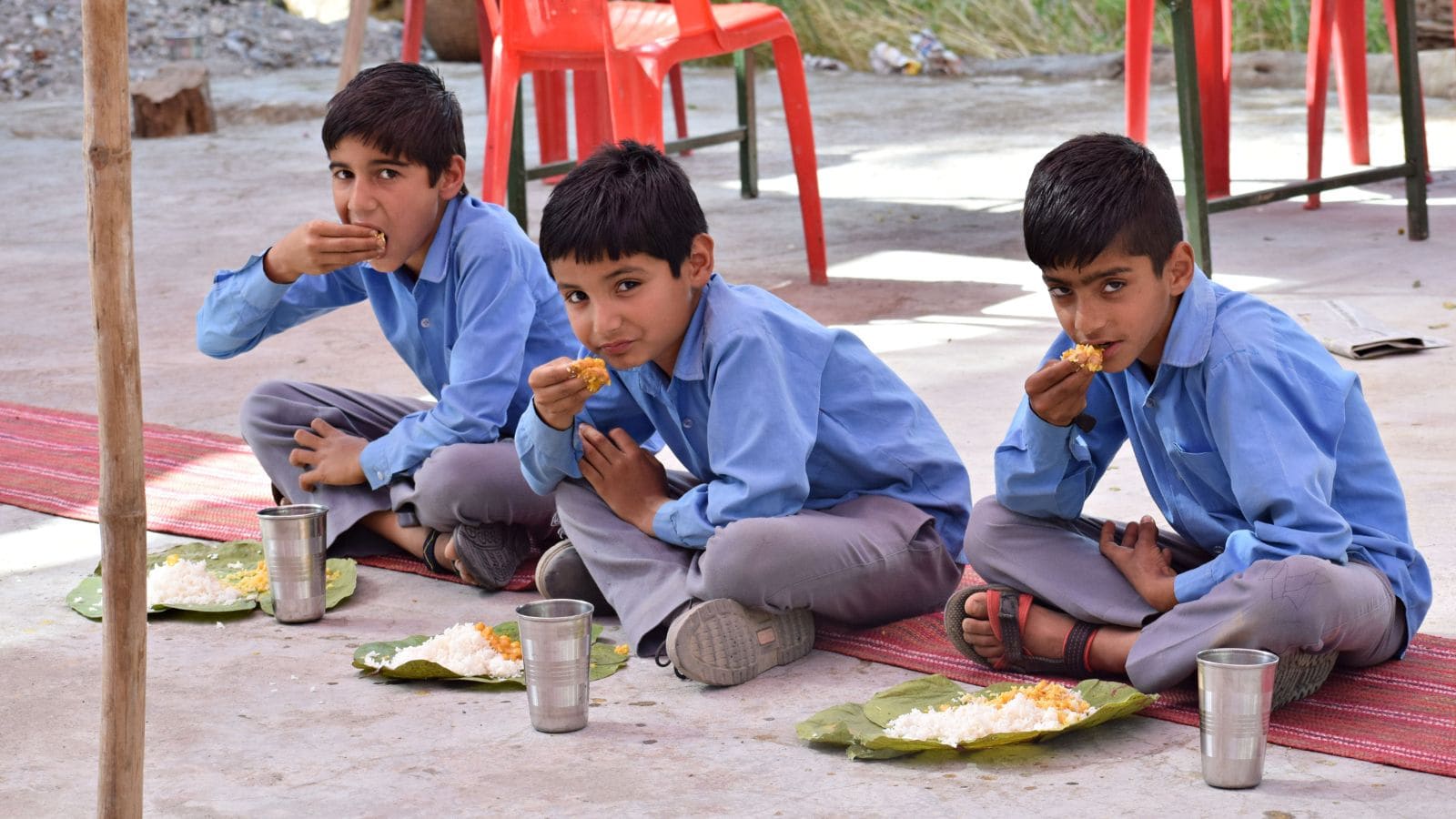
The FDA’s order had stated that the restrictions would take effect immediately, with Mundhe saying schools had already had sufficient time to comply because the underlying national regulations came into effect in 2021. The department has also moved towards implementation through awareness and monitoring. An awareness programme in Mumbai was attended by around 900 representatives from government and private schools, along with around 50 mid-day meal suppliers, as officials explained the requirements to school stakeholders. Food safety officers are expected to inspect schools regularly, check licensing and hygiene, verify compliance with the 50-metre restriction and collect food samples.
The Big Question: Will The Change Last? For now, the early changes in Mumbai canteens suggest that the directive is moving beyond paper. A child who would previously have bought a vada pav and a fizzy drink during recess may now find ino, no or dosa on the menu, with chaas replacing a carbonated beverage. But the larger test will be whether these changes become consistent across schools and whether affordable, appealing and genuinely nutritious alternatives remain available to students. Tukaram Mundhe’s intervention has therefore started a much bigger experiment in Mumbai’s schools: can changing what is available to children also change what they choose to eat?
Source link
[ad_3]

