
Forensic science involves applying scientific methods and techniques to investigate matters, ultimately leading to attribution and justice. A forensic scientist uses various skills to solve crime puzzles and assists the judiciary in scientifically determining attribution. (Getty Images)

Forensic science as a discipline encompasses a variety of fields, including biology, physics, chemistry, psychology, criminology, victimology, crime scene management, the criminal justice system, forensic medicine, questioned document and fingerprint examination, cyber forensics, forensic ballistics, anthropology, serology, DNA profiling, wildlife forensics, and similar studies. (File Photo)

Job prospects in forensic science can be in the government and private sectors. Government organisations like central/ state/ regional forensic science laboratories, Crime Bureau of Investigation (CBI), Crime Investigation Department (CID), narcotics, quality control bureau, police department (scene of crime officers), etc, hire graduates and post-graduates in forensic science. (Representative/File)

BSc in Forensic Science covers various topics that train you to investigate and analyse evidence at crime scenes. Students who have completed class 12 with a science background can enroll in this bachelor’s course. (Representative/File)

After completing the 12th grade, students interested in scientific investigation and criminology can consider a Diploma in Forensic Science. This two-year course encompasses both practical and theoretical aspects of forensic science. (Representative/File)

The BCom in Forensic Accounting is a specialised programme designed for forensic science students to detect financial irregularities, perform auditing, enhance accounting skills, develop investigative techniques, and analyse financial statements effectively.(Representative/File)
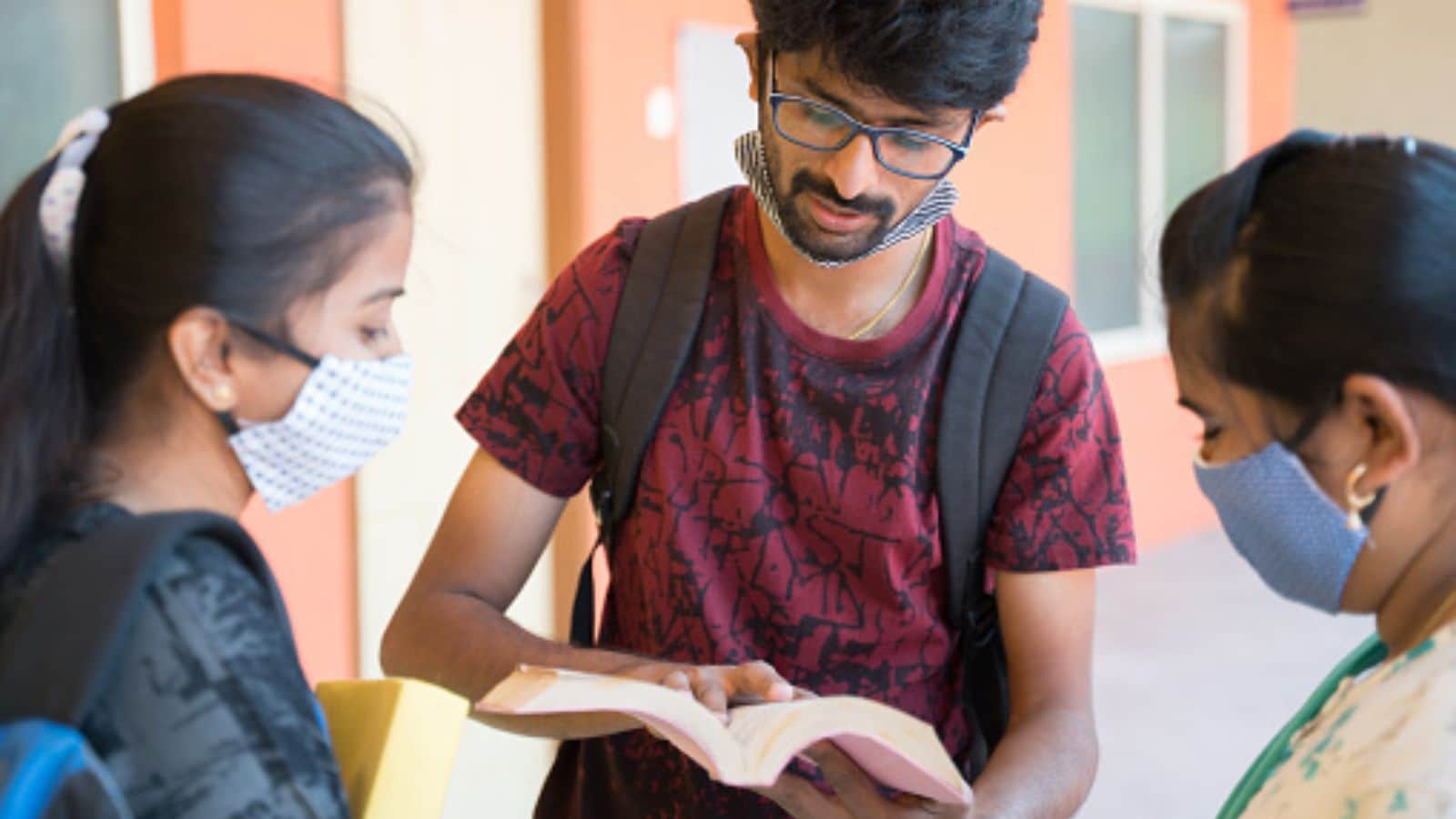
Diploma in Forensic Medicine teaches students to perform autopsies. Graduates can pursue careers as toxicologists, forensic managers, lab technicians, forensic psychiatrists, medical officers, professors/residents, medical writing, or open private clinics. (Representative/Getty Images)

Bachelor of Criminology is a course that focuses on the applications, study, practices, and theories of criminology. It also covers subjects like psychology, the criminal justice system, forensic science, and more. Graduates with a Bachelor of Criminology can pursue roles in research, enforcement, policy-making, and legal firms. Career opportunities include positions such as forensic psychologist, crime analyst, and criminal lawyer. (Representative/File)
Source link
[ad_3]

