
Last Updated:
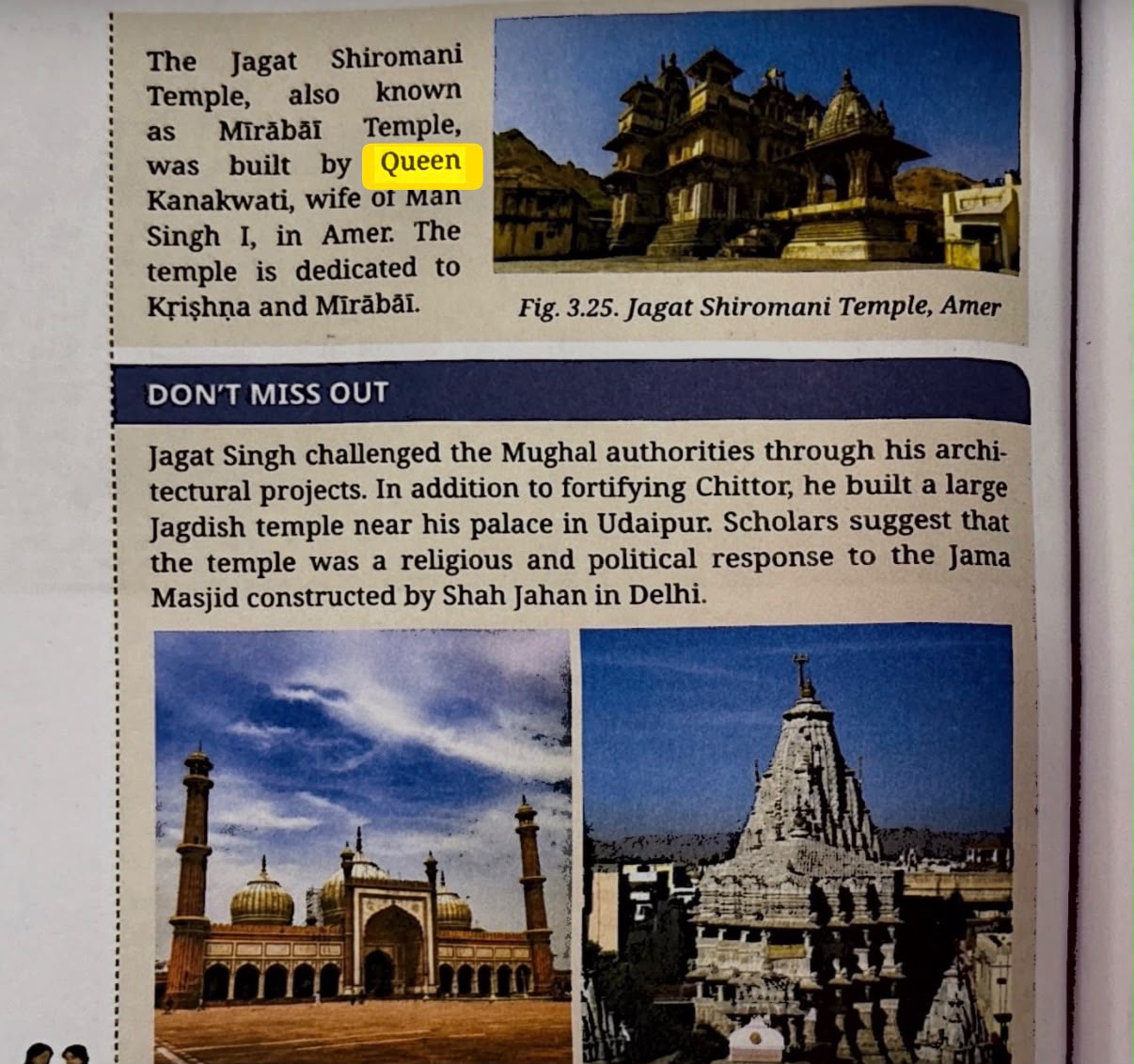
The inclusion of women warriors shifts attention towards women rulers and regional figures who played important roles in shaping dynasties and resisting external powers.




Women Warriors Get More Space In New NCERT Book. Representational image
The new NCERT Class 9 Social Science textbook, Understanding Society: India and Beyondgives greater space to medieval women warriors and regional rulers, highlighting their role in battles and resistance movements. The book includes Queen Naiki Devi, Rani Abbakka Chowta and Queen Rudrama Devi in its account of medieval Indian history.
The references appear in a chapter dealing with regional resistance against the Mughals. The inclusion shifts attention towards women rulers and regional figures who played important roles in shaping dynasties and resisting external powers.
Queen Naiki Devi and the defeat of Ghori
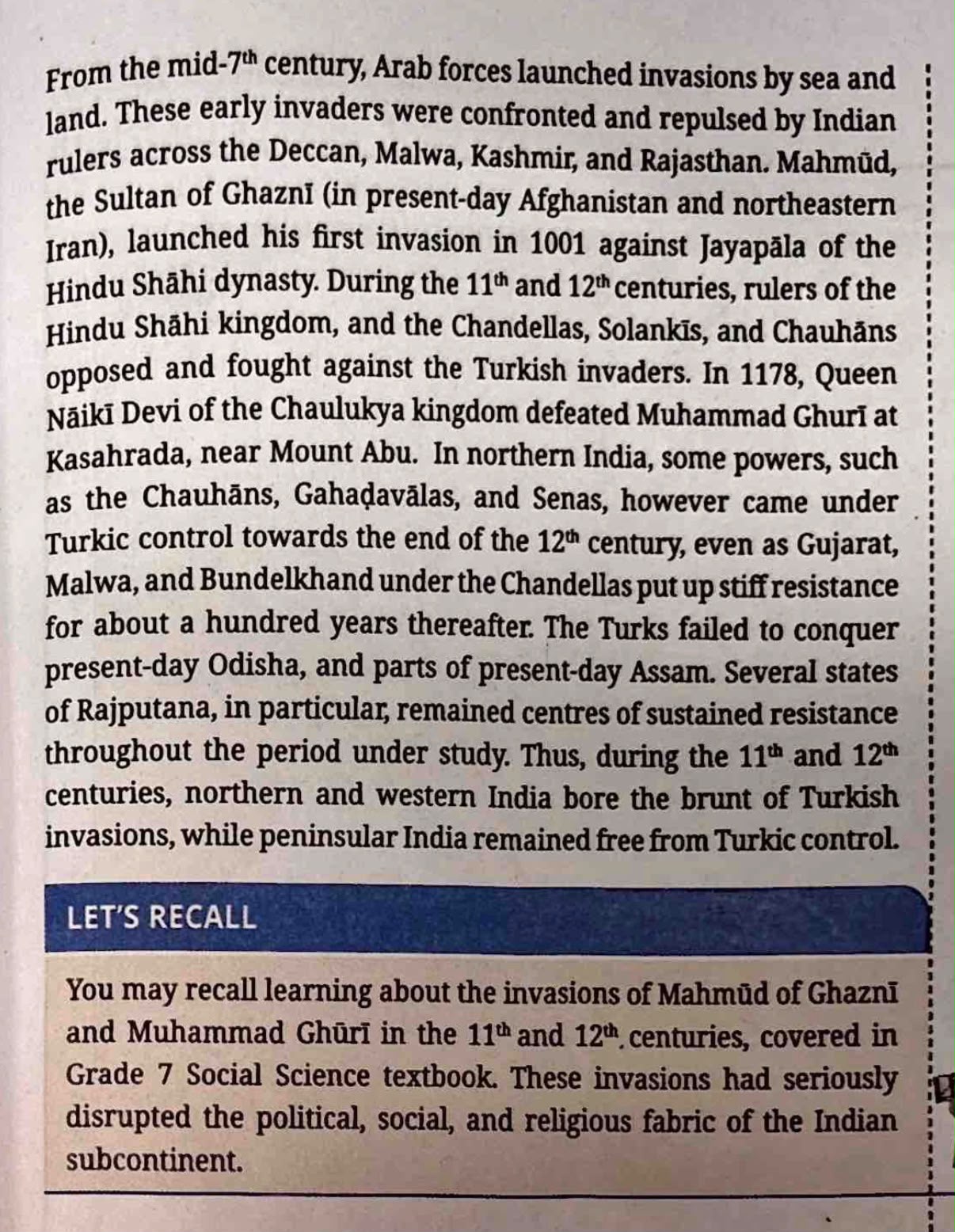
Queen Naiki Devi of the Chaulukya Kingdom is among the women warriors highlighted in the new textbook. According to the material in the NCERT book, Naiki Devi led forces that defeated Muhammad Ghori in 1178 at Kasahrada, near Mount Abu. The conflict began after Muhammad Ghori invaded India from the north. He had taken Multan and Uch before moving across the Thar Desert towards Gujarat. His objective was to seize its wealth and establish a foothold in the region.
Naiki Devi’s role in leading the forces against Ghori is now part of the medieval history narrative presented to Class 9 students.
At A Glance
The new NCERT Class 9 Social Science textbook, Understanding Society: India and Beyond, highlights medieval women warriors and regional rulers.
The book includes Queen Naiki Devi, Rani Abbakka Chowta, and Queen Rudrama Devi.
Queen Naiki Devi led forces that defeated Muhammad Ghori in 1178 at Kasahrada.
Rani Abbakka Chowta ruled from 1525 to 1570 and resisted Portuguese naval expansion.
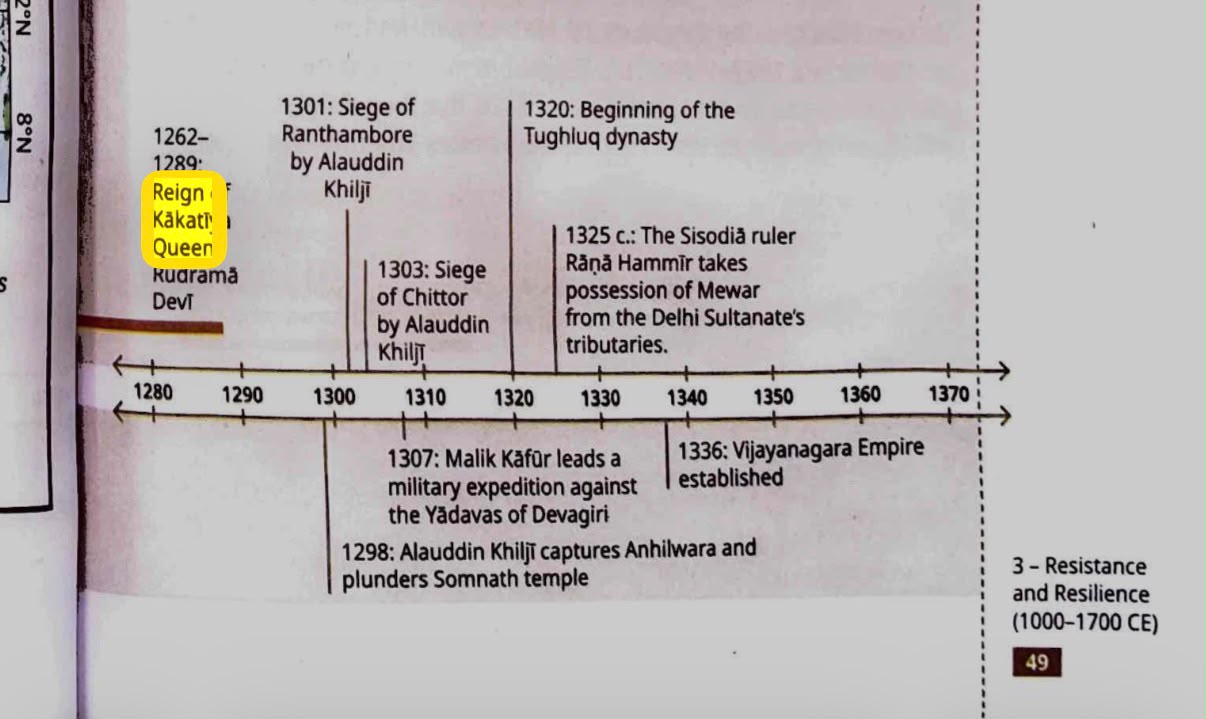
Queen Rudrama Devi of the Kakatiya dynasty is known for her military leadership and defense against the Delhi Sultanate.
Rani Abbakka Chowta and Portuguese resistance
The textbook also highlights Rani Abbakka Chowta, a Tulu queen from coastal Mangaluru in Karnataka who ruled from 1525 to 1570. Abbakka Chowta resisted Portuguese naval expansion and built defensive alliances by bringing together local Hindu and Muslim communities, including Byari sailors. She is recognized as one of India’s earliest female freedom fighters.
According to the information highlighted in the textbook, Abbakka led night counter-attacks against Portuguese ships using flaming arrows, or Agneeastra. Her forces repelled five separate Portuguese assaults over four decades.
Her inclusion brings a regional coastal resistance movement into the account of medieval Indian history, alongside the more traditional dynastic narratives.
Rudrama Devi’s military leadership
Queen Rudrama Devi of the Kakatiya dynasty is another medieval woman ruler highlighted in the Class 9 book. She is known for her military leadership and her defence against the Delhi Sultanate. Rudrama Devi fortified Warangal Fort and also developed local irrigation. She led forces in battles against the neighbouring Yadavas of Devagiri and the Pandyas. She also resisted early raids associated with northern sultans. Her story adds another example of a woman ruler who combined military leadership, territorial defence and administration to the textbook’s medieval history narrative.
Regional resistance gets more space
The inclusion of the three women comes as NCERT overhauls Social Science textbooks for Classes K-12 under the National Education Policy (NEP) 2020. The changes are being made to align the textbooks with the National Curriculum Framework for School Education (NCF-SE) 2023. According to experts, the revamped approach represents an academic shift aimed at reducing Eurocentric or Delhi-centric biases in the way Indian history is presented.
The experts said the new approach “incorporates regional resistance movements from South, Central, and Western India alongside traditional dynastic narratives”.
The focus on Naiki Devi, Abbakka Chowta and Rudrama Devi therefore brings regional rulers and women warriors into greater focus within the medieval Indian history section.
Personal finance also finds space
The new curriculum also places emphasis on personal finance. The Social Science book includes references to stocks, mutual funds and fixed deposits (FDs). The addition of personal finance alongside historical accounts reflects the wider changes being made to the Social Science curriculum under NEP 2020 and NCF-SE 2023.
The revised approach brings together historical accounts of regional resistance and women rulers with subjects related to financial awareness, while expanding the range of topics covered in the Class 9 Social Science curriculum.
Quick Answers
 Ask News18
The new NCERT Class 9 textbook, Understanding Society: India and Beyond, features Queen Naiki Devi, Rani Abbakka Chowta, and Queen Rudrama Devi to highlight medieval women warriors and regional rulers.
Ask News18About the Author

Simran Babbar is a Senior Correspondent at CNN-News18, covering key developments in emerging sectors related to education and investigations. Through her reports, she brings significant updates from t…Read More
Delhi, India, India
October 02, 2026, 10:14 PM IST
Read More
Source link
[ad_3]

