
Last Updated:
Scientists urged policymakers to urgently prepare, warning that it could impact water storage, crops, and livelihoods, while triggering marine heatwaves and coral bleaching




A bleached reef.
As the world prepares for one of the strongest El Niño on record, over 200 scientists and ecologists from across India have come together to warn of its potential impacts on the environment and livelihoods across the country.
According to ecologists, its impacts are likely to extend beyond the southwest monsoon season, which is adversely impacted by El Niño. The four-month season, crucial for India’s agrarian economy, is already set to end with below-normal rainfall this September.
As of Saturday, 18 out of the total 36 meteorological subdivisions are reeling under deficient rain.
In an urgent ‘Call to Action’, the nearly 200 signatories from noted institutions including the Indian Institute of Science (IISc), Bengaluru, Wildlife Institute of India (WII), National Centre for Biological Sciences (NCBS), Nature Conservation Foundation (NCF) jointly appealed to policymakers, as well as fellow researchers and field practitioners, to prepare for these potentially destructive effects.
Roxy Mathew Koll, Climate Scientist from the Indian Institute of Tropical Meteorology (IITM), Pune, warned that its effects can creep into the seasons ahead, disrupting soil moisture and water storage, stressing crops, while triggering marine heatwaves, coral bleaching, and many other less visible ecological changes. “This gives us a short but valuable window to act. We must document these changes as they unfold and safeguard the ecosystems that remain. What we learn and protect during this El Niño can help India prepare for a warmer and more volatile future,” he noted.
WHAT IS THE CHILD?
El Niño is a periodic global weather phenomenon which is triggered by changing ocean circulation and warming in the equatorial Pacific Ocean every 2-7 years. Its impacts vary in different parts of the world. In India, it dampens the southwest monsoon and leads to extreme hot and dry conditions.It formed in late June-July this year and has already become strong. The latest forecast suggests it is likely to intensify further in the coming winter season. According to the US-based National Oceanic and Atmospheric Administration (NOAA)there is a 75% chance of a historic event that would exceed the strength of previous El Niño events dating back to 1950.
Apart from the extreme heat and deficient rainfall, scientists also alerted about more subtle impacts on ecology including delayed fruit production or changes in animal behaviour which may be much less visible.
MARINE LIFE BRACES FOR IMPACT
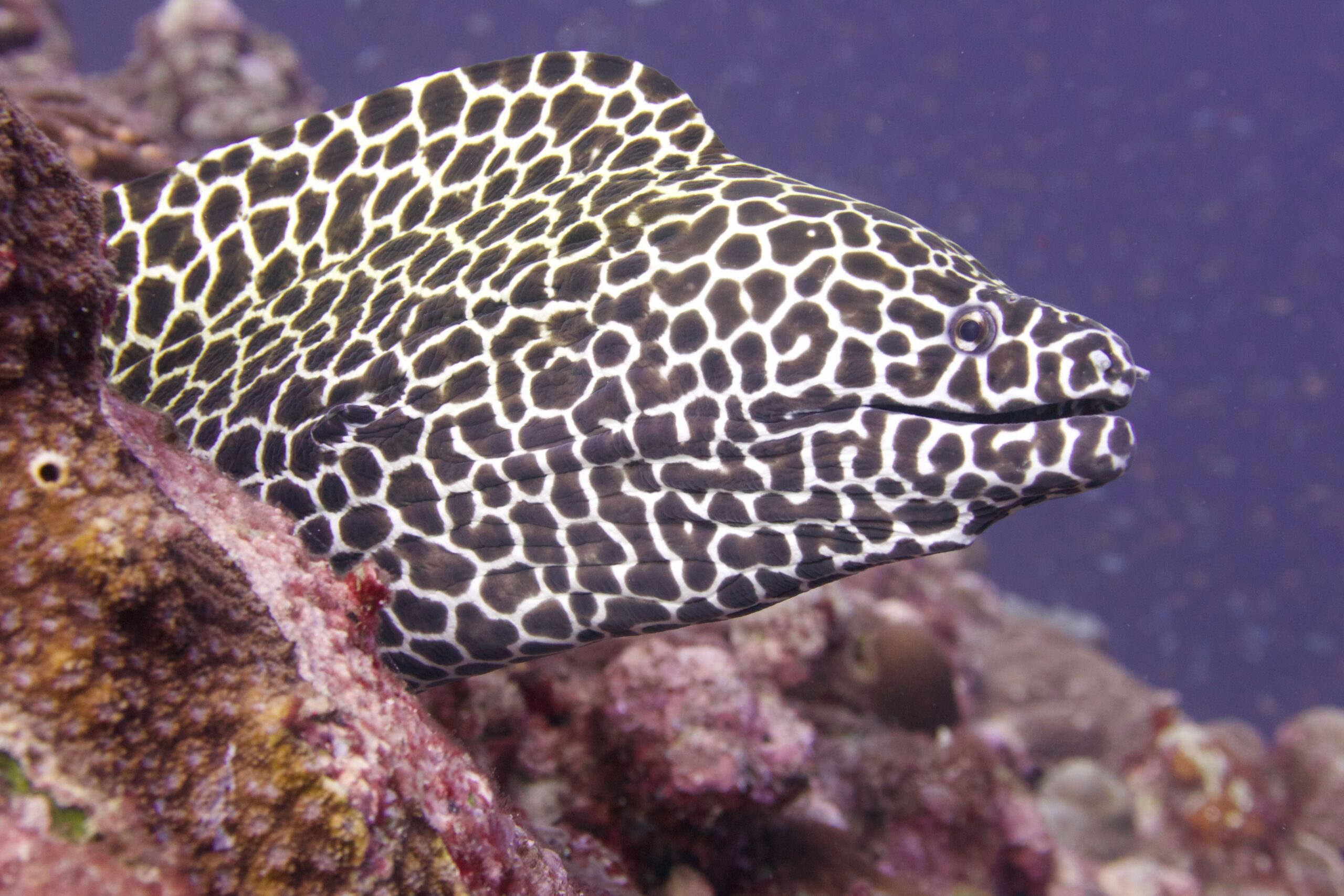
Drawing attention to the devastating impacts of El Niño on India’s coral reefs beforeRohan Arthur, Marine Biologist with Nature Conservation Foundation (NCF), said coral reefs can be remarkably resilient but they need at least a decade after every major die-back of coral to show significant recovery. “The last major El Niño was in 2024, and barely two years after that event, the projected scale and intensity of the heat wave that is currently headed our way is truly scary,” he added.
In the Pacific Ocean, where the El Niño originates, temperatures have steadily risen above the 0.5°C threshold, reaching +2.6°C in August 2026. Projections report possible anomalies of up to +4°C, which is higher than at any time in the past 1,000 years, based on reconstructions from coral cores, the scientists highlighted.
Ecologists say the coming year will also be a litmus test for tropical forests and trees in India, as many of them are already near the limit of the heat they can tolerate. “It is vital to understand how the coming El Niño will impact trees and other plants. Large trees are especially susceptible to extended droughts,” said Jayashree Ratnam from the National Centre for Biological Science (NCBS), Bengaluru.
The note urges researchers to do long-term studies, collaborate with experts, and measure the impacts on various ecosystems.
“The time is short, and if we are to respond adequately, we must do so very quickly,” they concluded.
Quick Answers
 Ask News18
Over 200 Indian scientists and ecologists warned that the intensifying El Niño will cause cascading impacts on ecosystems and livelihoods, extending beyond the southwest monsoon with deficient rainfall across 18 meteorological subdivisions. They urged policymakers and researchers to prepare for disrupted soil moisture, water storage stress on crops, marine heatwaves, and coral bleaching.
Ask News18About the Author

Srishti Choudhary, Associate Editor at CNN-News18 specializes in science, environment, and climate change reporting. With over a decade of extensive field experience, she has brought incisive ground r…Read More
September 20, 2026, 12:02 IST
Read More
Source link
[ad_3]

