
47 minutes agoAuthor: Virendra Mishra
- copy link
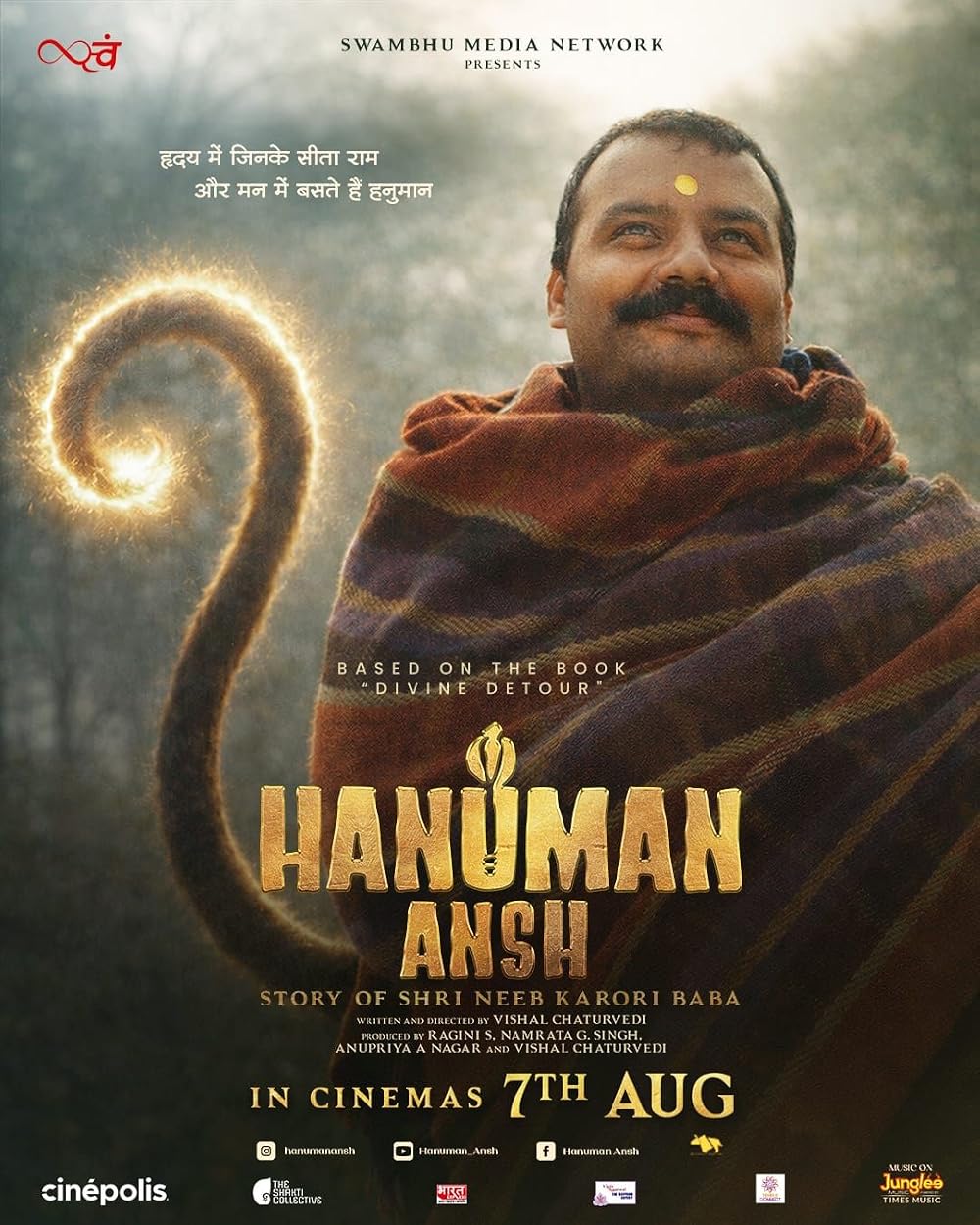
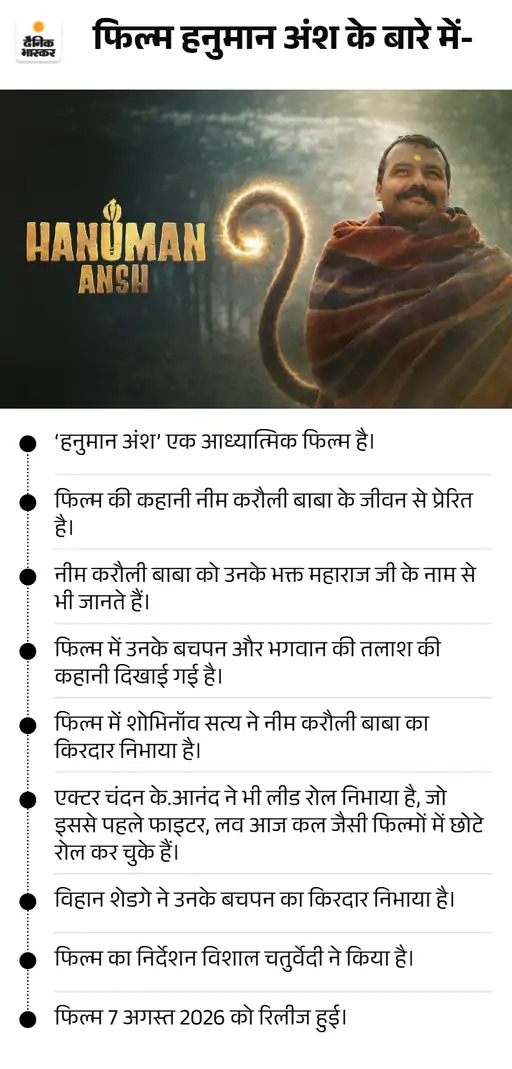
The film ‘Hanuman Ansh’ is based on the life of Baba Neem Karoli. The background score of the film and the song ‘Siyavar Ramchandra Ki Jai’ have been composed by Dhirendra Mulkalwar. The special thing is that this song was not a part of the story earlier. It started with the background music of a scene and later this song became the identity of the film.
Dhirendra tells that even before joining the film, he was trying to go to Kainchi Dham, but was not successful. Just a few months after reaching Kainchi Dham, he got a film offer. In a conversation with Dainik Bhaskar, Dhirendra talked about the miracles that happened during the film, the making of the song and the struggle of 20 years.
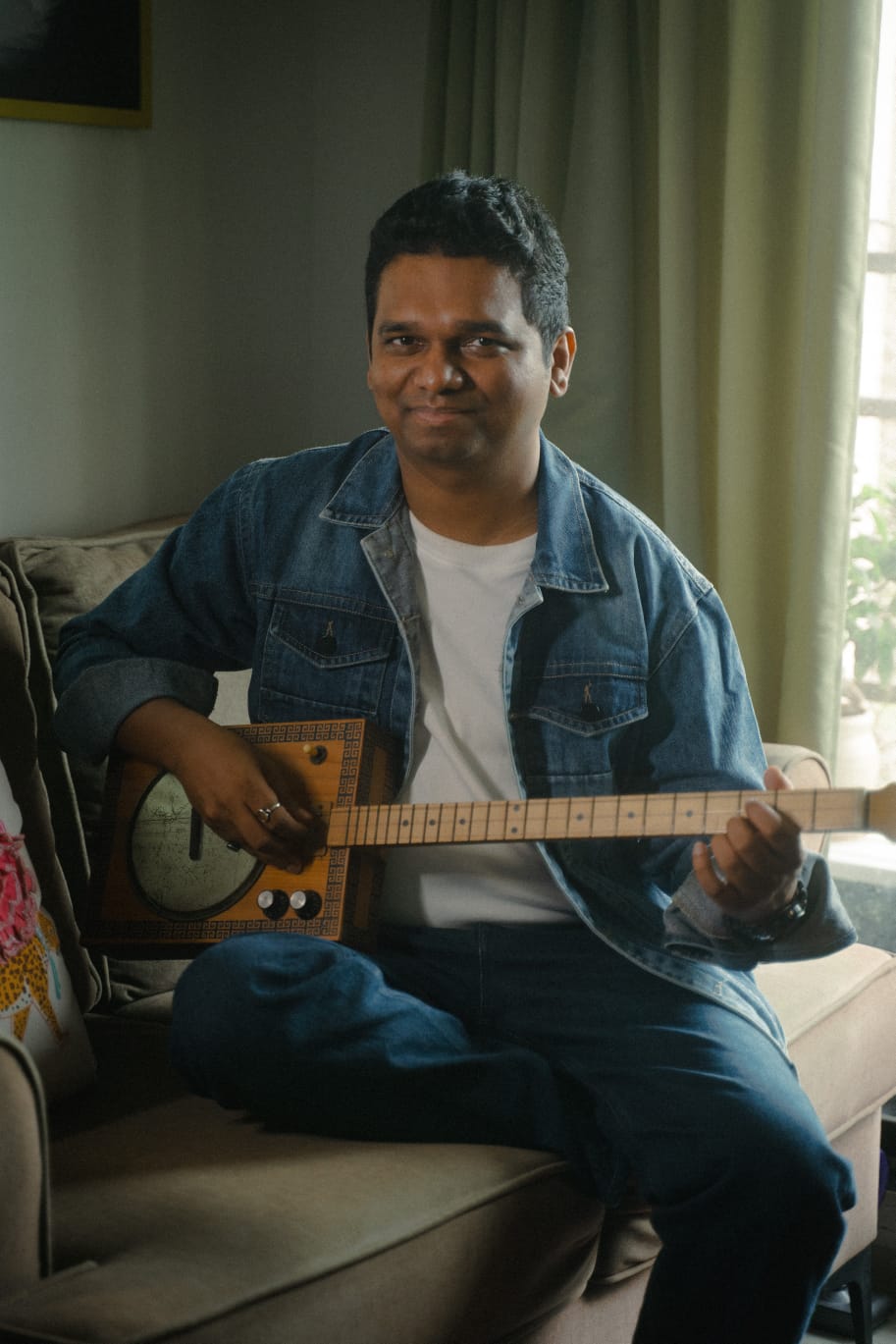
Question: Your association with the film ‘Hanuman Ansh’ was no less than a miracle. How?
answer: I was trying to go to Kainchi Dham for the last four-five years, but due to some reason or the other I was not able to go. Last year in April, I finally reached Kainchi Dham and had darshan of Baba Ji. About two months later, in July, a call came from Vishal Chaturvedi ji. He was making a film on Baba Neem Karoli and was reciting Hanuman Chalisa for 43 days.
During that time he asked me to score the background of the film. I said yes without thinking. I felt that this happened by the grace of Baba Ji.
Question: How was the opening tune that determined the sound of the film created?
answer: Vishal ji told me the story of the film and asked me to create a theme before going for the shoot. I kept creating different ideas and rejecting them myself for about two months. I felt that whatever I make for the film on Baba Ji should be the best work of my level.
One day I remembered an incident. Vishal ji had told that a composer had composed some lines in five minutes while sitting in front of Baba ji’s picture. The same thing came to my mind. I remembered Baba Ji and suddenly a tune came to my mind. Switched on the system and the entire tune was ready in about five to seven minutes.
Question: Did the same tune become the identity of the film?
answer: Yes. I arranged the tune and sent it to Vishal ji. After two-three days, when I went to his office, I saw that he had put it on edit and people in the office were listening to it again and again. This tune is played on flute and sitar in the beginning of the film. This became the main theme determining the sound of the film.
Question: How was the song ‘Siyavar Ramchandra Ki Jai’ made?
answer: There is a scene in the film in which a revolutionary, who is an atheist, returns to Baba Ji. Baba ji covers him with a blanket, gives him a saddle in his hand and applies ashes to him and says – ‘Go, do the work of the country.’ This scene required a sense of both patriotism and spirituality.
I made a music, but Vishal ji felt that something was missing. Then I switched off the visuals and just kept the feeling of the scene in my mind. Suddenly a rhythm came and it came out of my mouth automatically – ‘Sitaram, Sitaram.’ From there the tune of ‘Jai Jai Shri Ram, Sitaram’ was created.
After this, I remembered the chanting in the temples – ‘Siyavar Ramchandra ki Jai, Pavansut Hanuman ki Jai, Umapati Mahadev ki Jai.’ I added it to the tune. The song was not in the film earlier. It started with background music.
Question: Then how was the complete song made from background music?
answer: When this music was put on the edit, everyone felt that it would fit well at the end of the trailer too. After using it in the trailer, it felt that one should not be limited to just ‘Sitaram’ and ‘Siyavar Ramchandra Ki Jai’. Then it was decided to make it a full song.
My friend Shantanu Sudame wrote and sang it, while I composed it. The budget was very low, so it was difficult to afford the studio. I converted my house into a studio. Shantanu came from Pune and stayed at my house for about a month and recorded.
Question: Did you not compromise on the quality of music even in a low budget?
answer: no way. The film was to be shown in theatres, so a cinematic experience was essential. Shantanu played instruments. Sitaram and Dilruba were recorded. Speeches of Swar Sharma were taken. A big scene during the interval required heavy percussion. For this, percussionist Jainat Patnaik was called. When I told him about the film and Baba Ji, he said that he would definitely come for Baba Ji. He gave two days and we recorded continuously.
Question: Did you get more money after the film’s earnings increased?
answer: There is a friendship between me and Vishal ji, so there was not much discussion about money. I told them to do whatever was required with the minimum technical cost. I won’t ask for anything more than that. For me it was Babaji’s film. The biggest gift I wanted to receive had already been received. Rest, whatever Baba ji gives, we will get only that.
Question: How was your experience at Kainchi Dham?
answer: We arrived at the time of Aarti and had darshan within five minutes. Usually people do not get a chance to go there where Baba Ji’s idol is, but we also got the opportunity to go there and sit and meditate. That experience was so amazing that I remained in the same feeling even after coming back from there. After two months, when the film offer came, I felt that perhaps Baba Ji had paved this path.
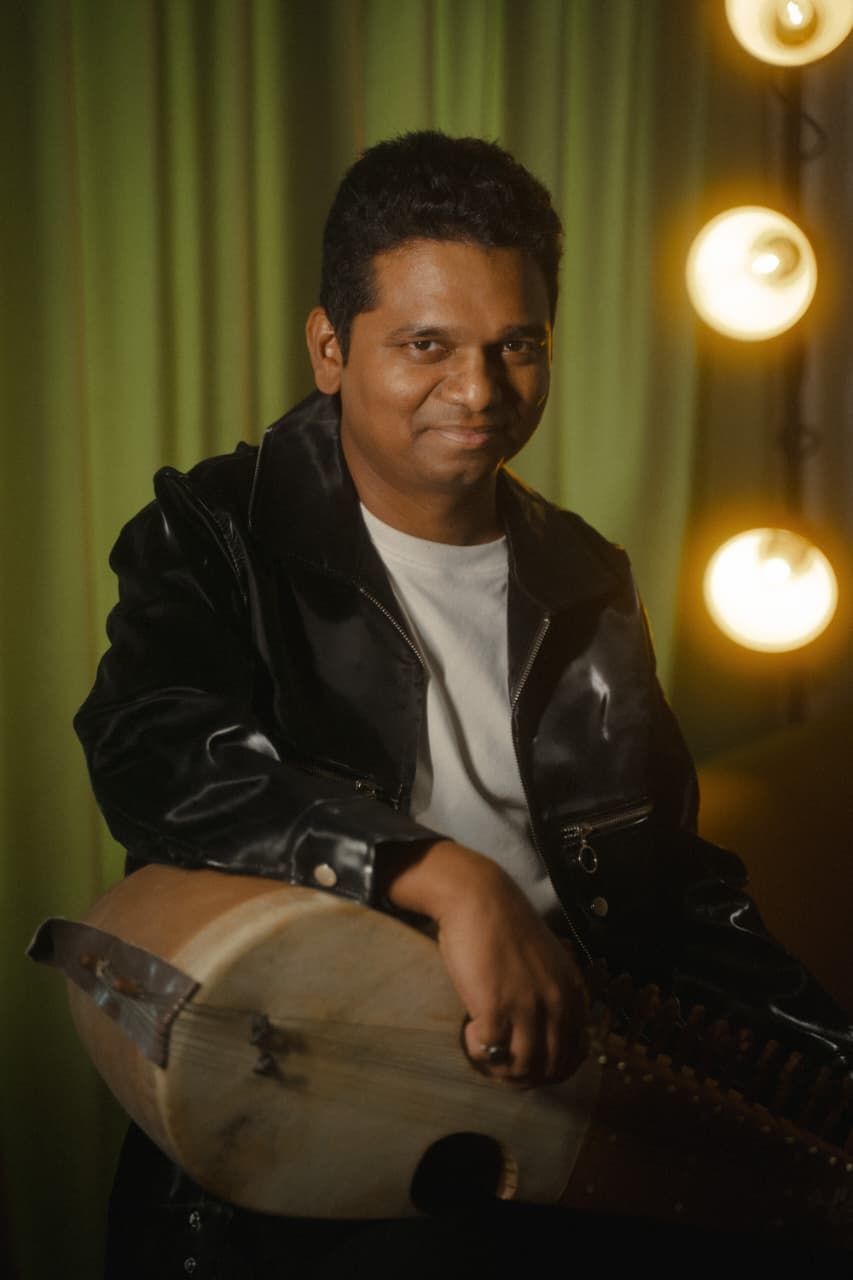
Question: How was the journey to reach film music in your 20 years of career?
answer: It was my childhood dream to do music in films. My elder brother made me listen to good music and from there my love for music grew. He used to play utensils at home, so one day my mother asked me to teach him tabla. My guru Rajiv Pillai ji taught me tabla.
After coming to Mumbai, he did audio engineering and worked as an audio engineer in radio. Used to make demos at night and ask people for work. Initially, when I did not get work in films, I worked on advertisements and jingles. Till now I have worked on more than 500 jingles and advertisements.
After this, I got a chance to produce the song ‘Subah Ki Train’ from Toilet: Ek Prem Katha. Then did music production work in films like Uri: The Surgical Strike, Attack and Article 15.
Question: How difficult was the period before the film ‘Hanuman Ansh’?
answer:It was very difficult for about one and a half years before going to Kainchi Dham. The dream of doing music in films was not being fulfilled and there were financial problems too. Advertising and documentary work was also affected. I started feeling like leaving Mumbai and going back to my hometown.
But then I got a chance to go to Kainchi Dham and after two months the offer for Hanuman Ansh came. I felt that after 20 years of hard work, perhaps Baba Ji has decided the time to give fruits.
___________________________________
Read this interview also..
Mysterious monkey arrived during the shooting of ‘Hanuman Ansh’: Kept watching the installation of the statue; Bhagwan Das said- It felt as if Hanuman ji himself was monitoring the situation.
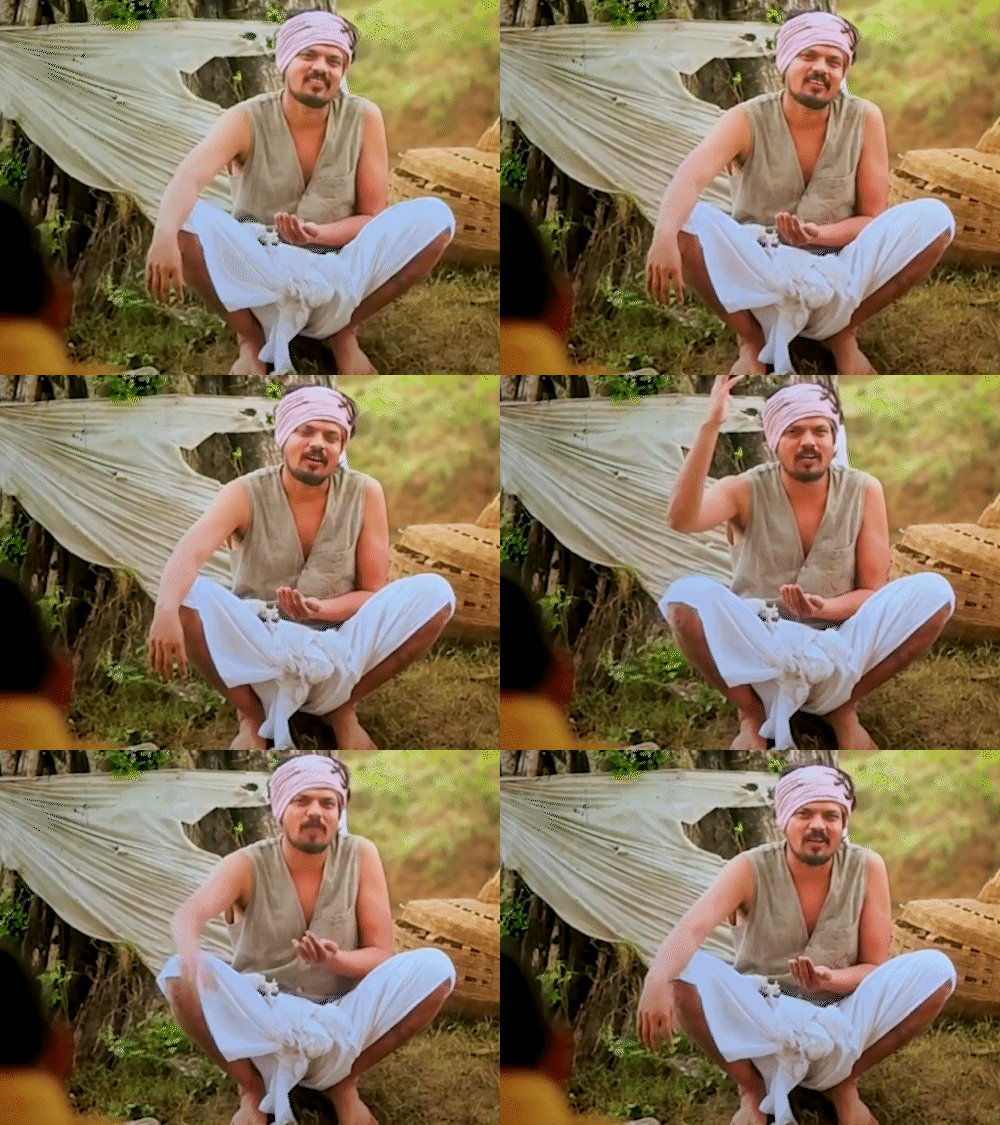
Actor Bhagwan Das Patel is attracting the attention of the audience these days by playing the character of Gopal in the film ‘Hanuman Ansh’. His journey from Jabalpur in Madhya Pradesh to Mumbai was not easy. After spending six years in theatre, he played small and big roles in TV and films.Read the full interview..

Source link
[ad_3]

