
International Literacy Day is being observed on September 8, with governments, educators and other stakeholders drawing attention to the continuing need to improve literacy and ensure wider access to quality learning. The day also focuses on the role of literacy in sustainable development and the need to strengthen sustainability-related learning. (File Photo/Representational)
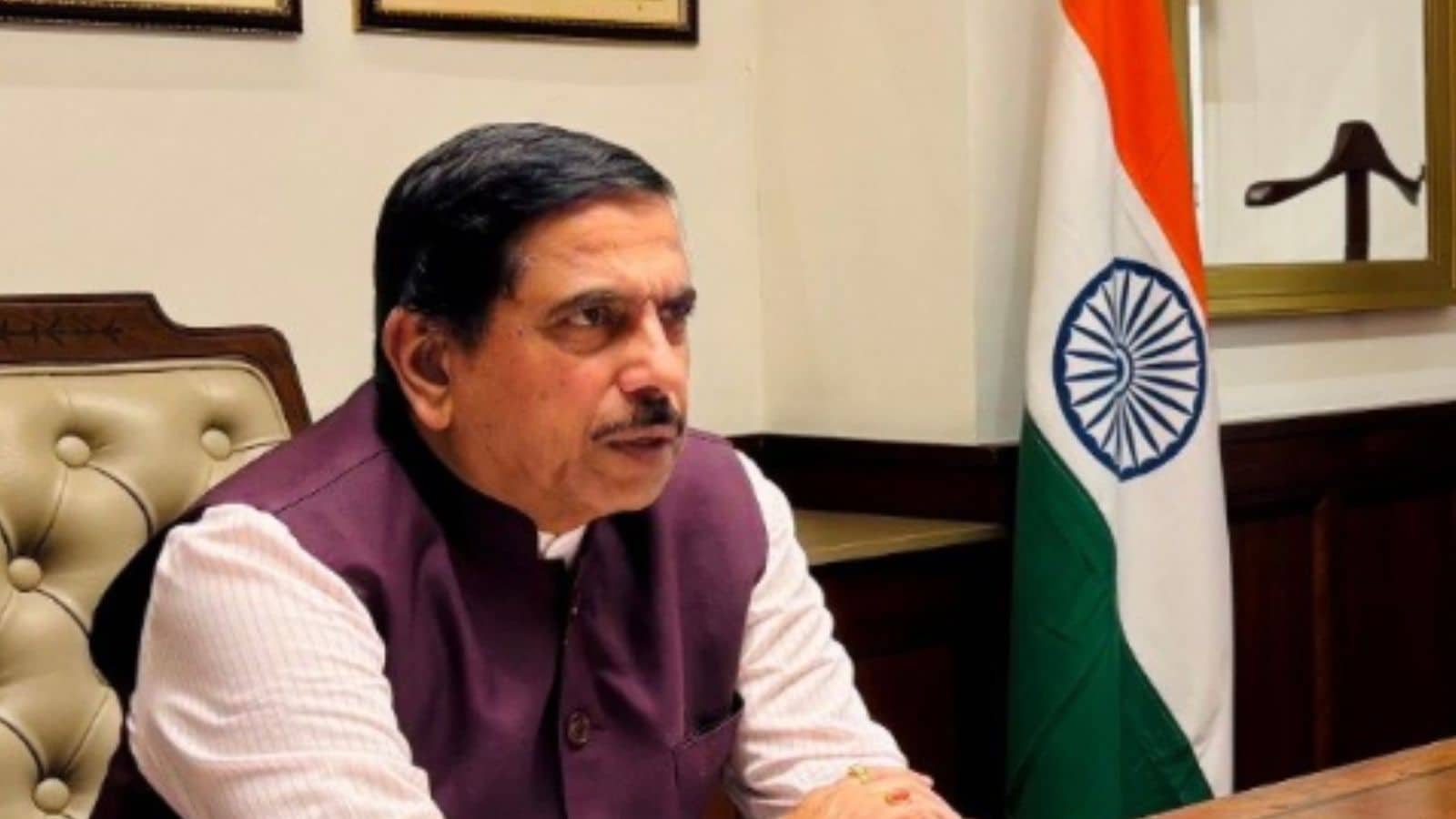
Union Education Minister Pralhad Joshi, marking the occasion, called for a renewed commitment to ensuring that no learner is left behind. He said an educated and empowered population would provide a strong foundation for building a Viksit Bharat. (File Photo)
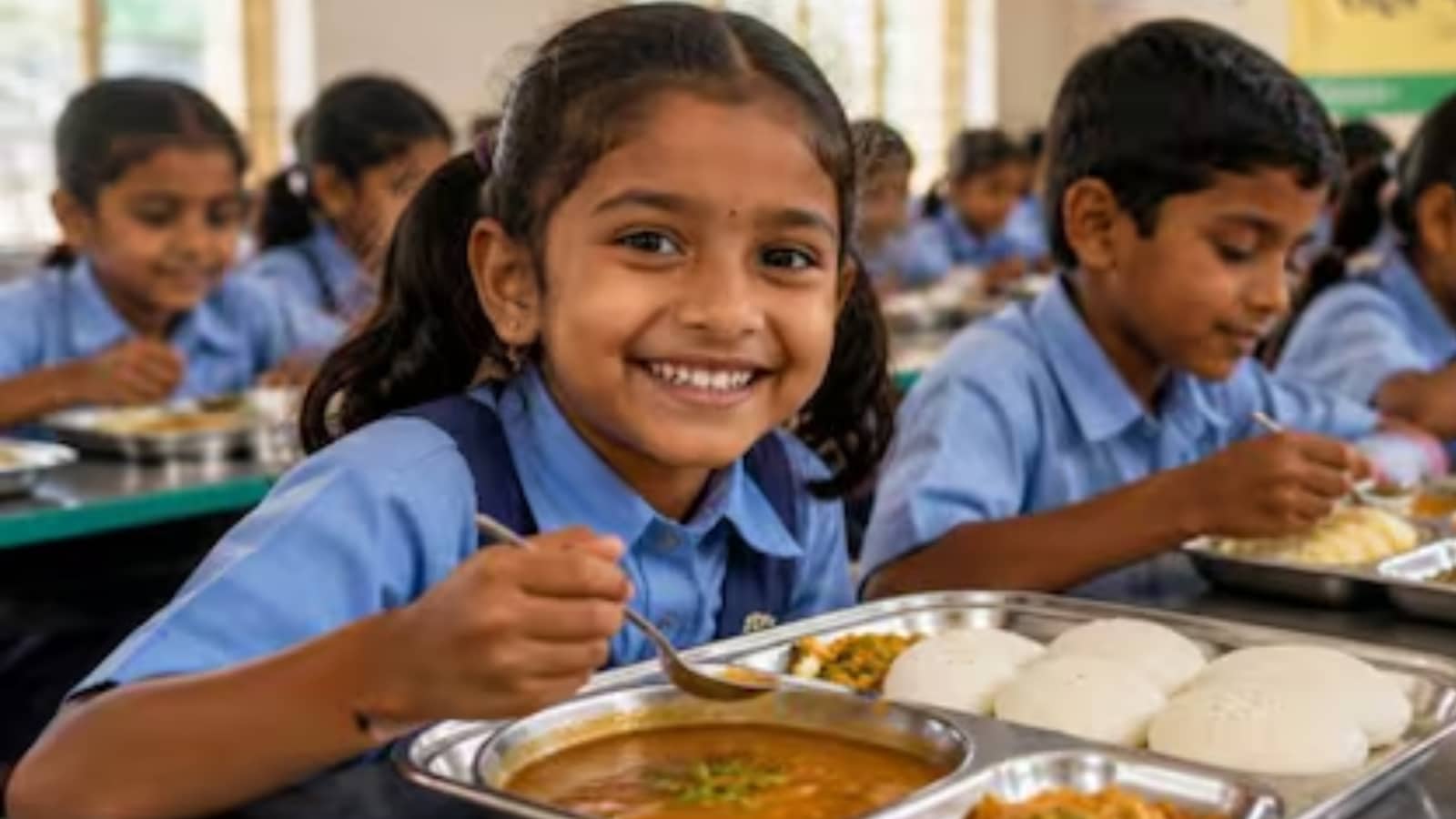
Despite progress in education, literacy gaps remain a major global concern. Data from the United Nations Educational, Scientific and Cultural Organization (UNESCO) shows that at least 739 million youth and adults lacked basic literacy skills in 2024. Four in 10 children globally are also not achieving minimum proficiency in reading. In addition, 272 million children and adolescents remained out of school in 2023. (File Photo/Representational)
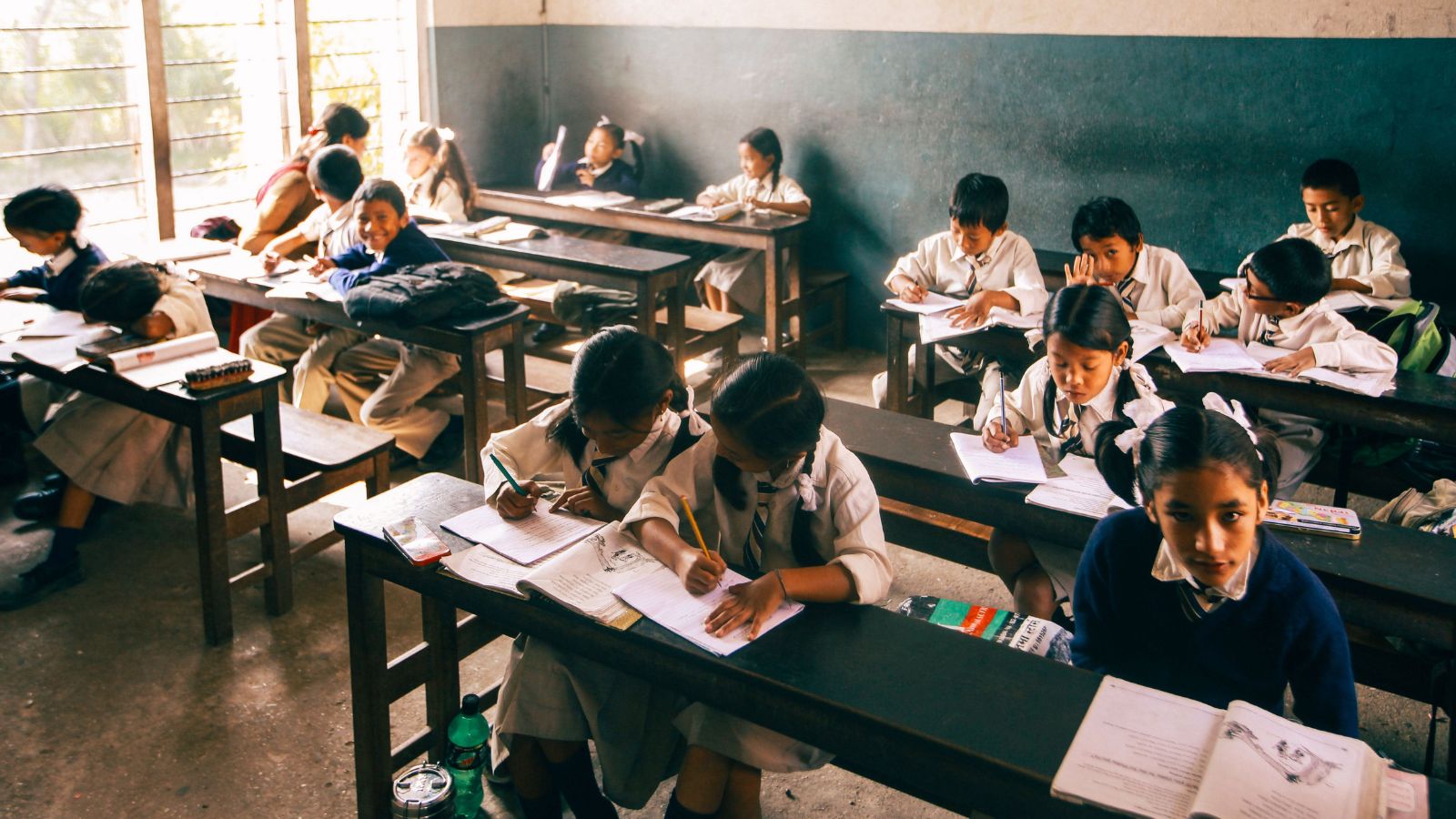
This year also marks the 60th anniversary of International Literacy Day. The theme for 2026 is “Literacy for people, the planet and prosperity.” The observance seeks to assess the progress made so far, examine continuing and emerging challenges and consider how literacy policies and programmes can evolve in response to a rapidly changing world. (Image: Pexels)
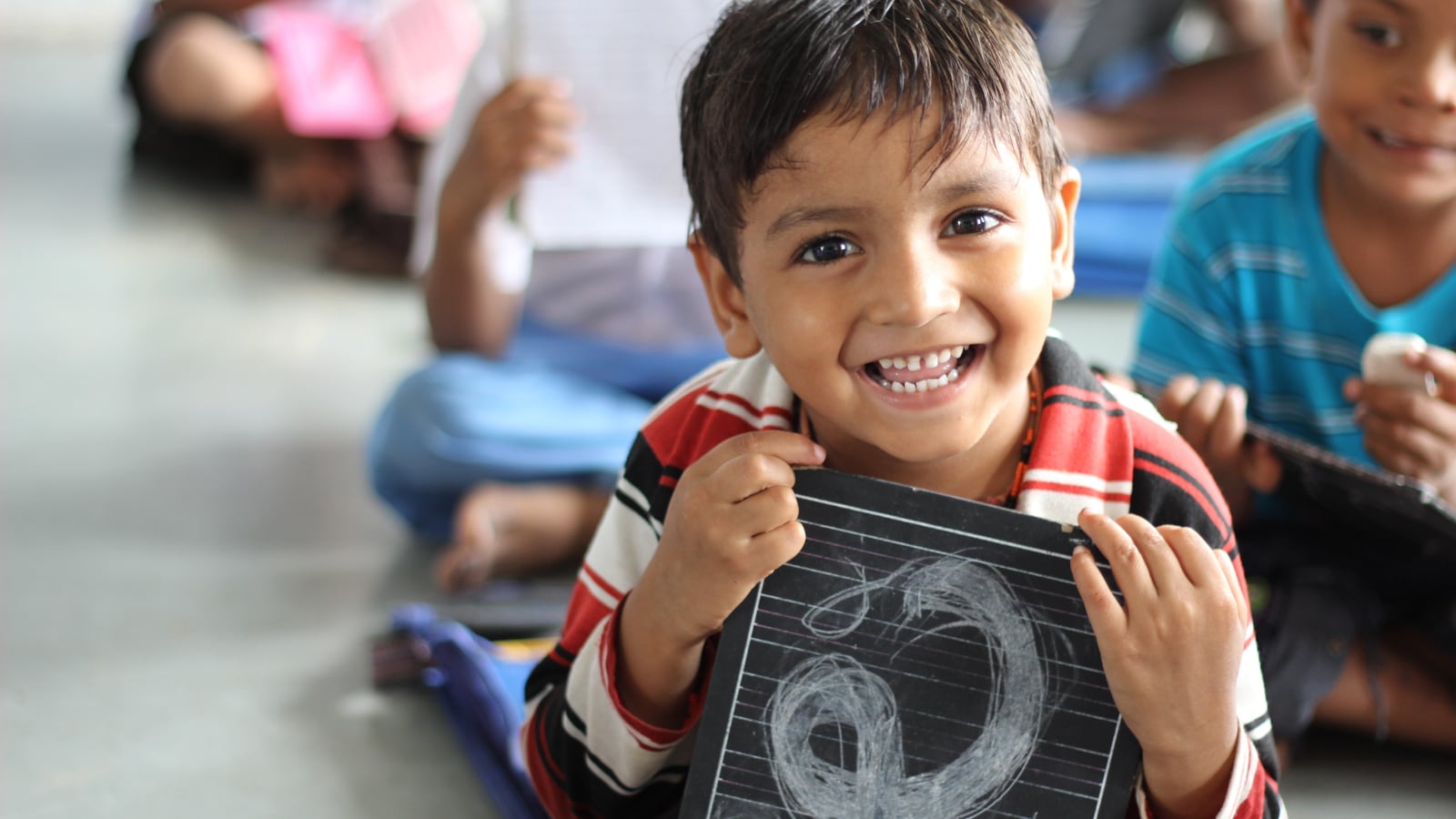
According to the Ministry of Education, India now has nearly 14.67 lakh schools, 1.03 crore teachers and more than 24.72 crore enrolled students. (File/Representative)
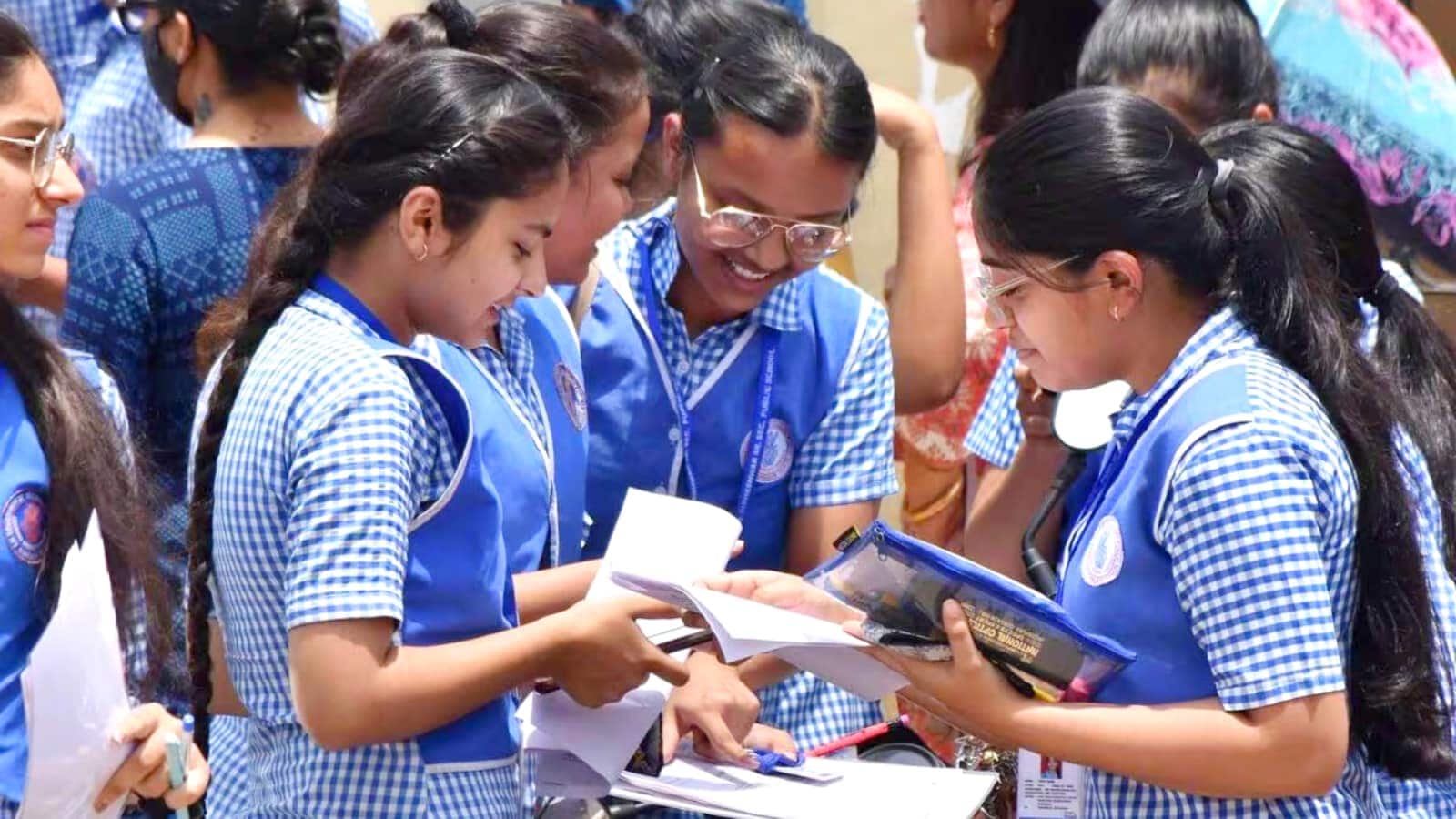
The overall pupil-teacher ratio stands at 24:1, below the NEP-recommended benchmark of 30:1. The stage-wise ratio is even lower at the foundational level, where there are 10 students per teacher on average. (File/Representative Image)
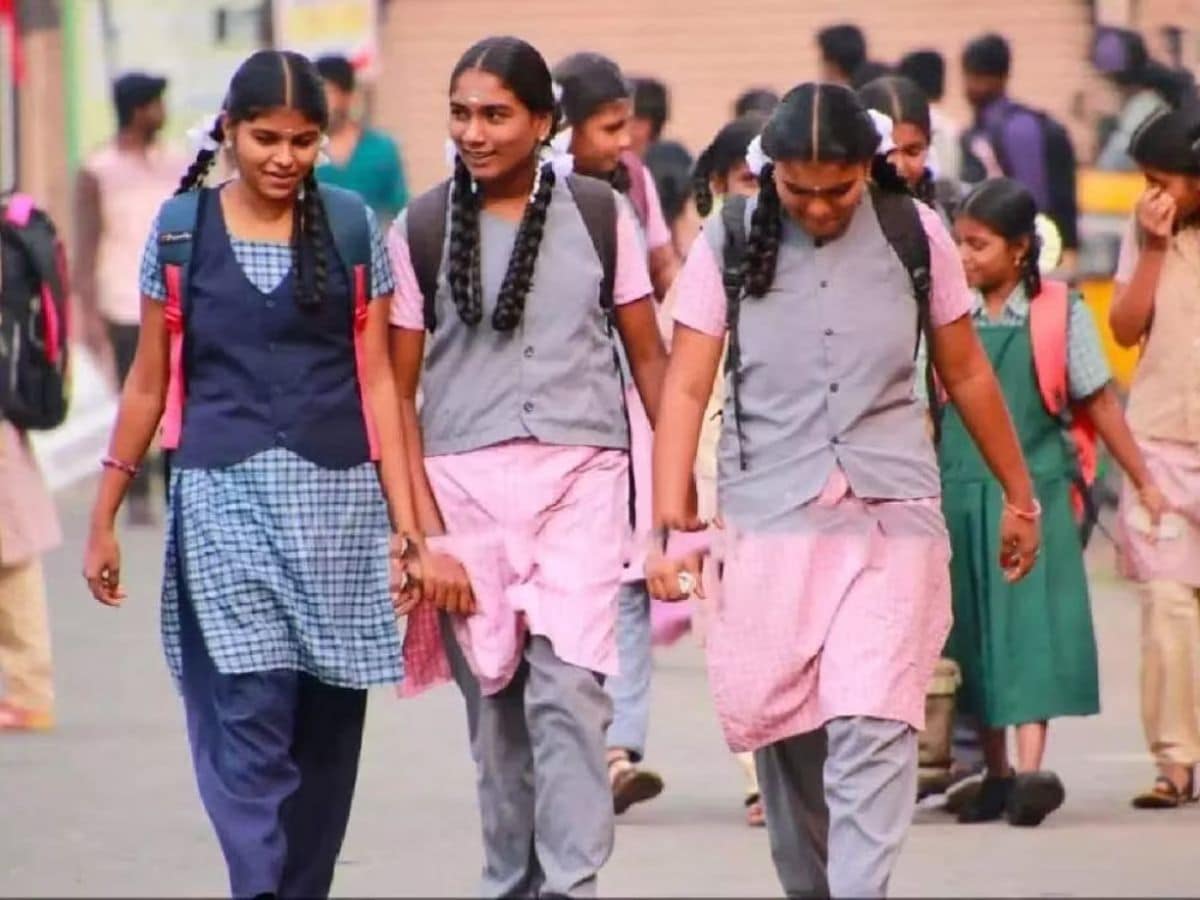
The Ministry says secondary-stage enrolment accounted for 27.16% of total enrolment in 2025-26, followed by the preparatory stage at 25.60%, middle stage at 25.58% and foundational stage at 21.66%.
According to NITI Aayog, only 8.25% of graduates were able to secure jobs commensurate with their qualifications within a year. This leaves more than 91% either struggling to find suitable employment or working in jobs that do not match their educational qualifications. (Pexels/Representative image)
Source link
[ad_3]

