
School Education Development Index (SEDI)2025-26: The SEDI framework assesses school education across five domains: access, participation, retention, quality and infrastructure – covering factors like school availability, enrollment and equity, student retention, learning outcomes, and school facilities.
Chandigarh: Securing the top position, Chandigarh leads with exceptional infrastructure, robust digital access, and outstanding retention rates. The Union Territory sets a national benchmark for well-maintained government schools, high learning outcomes, and equal educational access for all students. (Representative Image: Pexels)

Kerala: Renowned for its historic emphasis on literacy, Kerala ranks second due to its strong student retention and equitable access. State-driven initiatives prioritize modernizing public school infrastructure, improving early childhood education, and sustaining high participation rates across all genders. (Representative Image: Pexels)

Puducherry: Ranking third overall, Puducherry excels through consistently high enrollment rates and well-structured primary schooling. The Union Territory invests heavily in classroom resources, teacher training programs, and comprehensive nutrition initiatives to ensure high student attendance and retention. (Representative Image: Pexels)
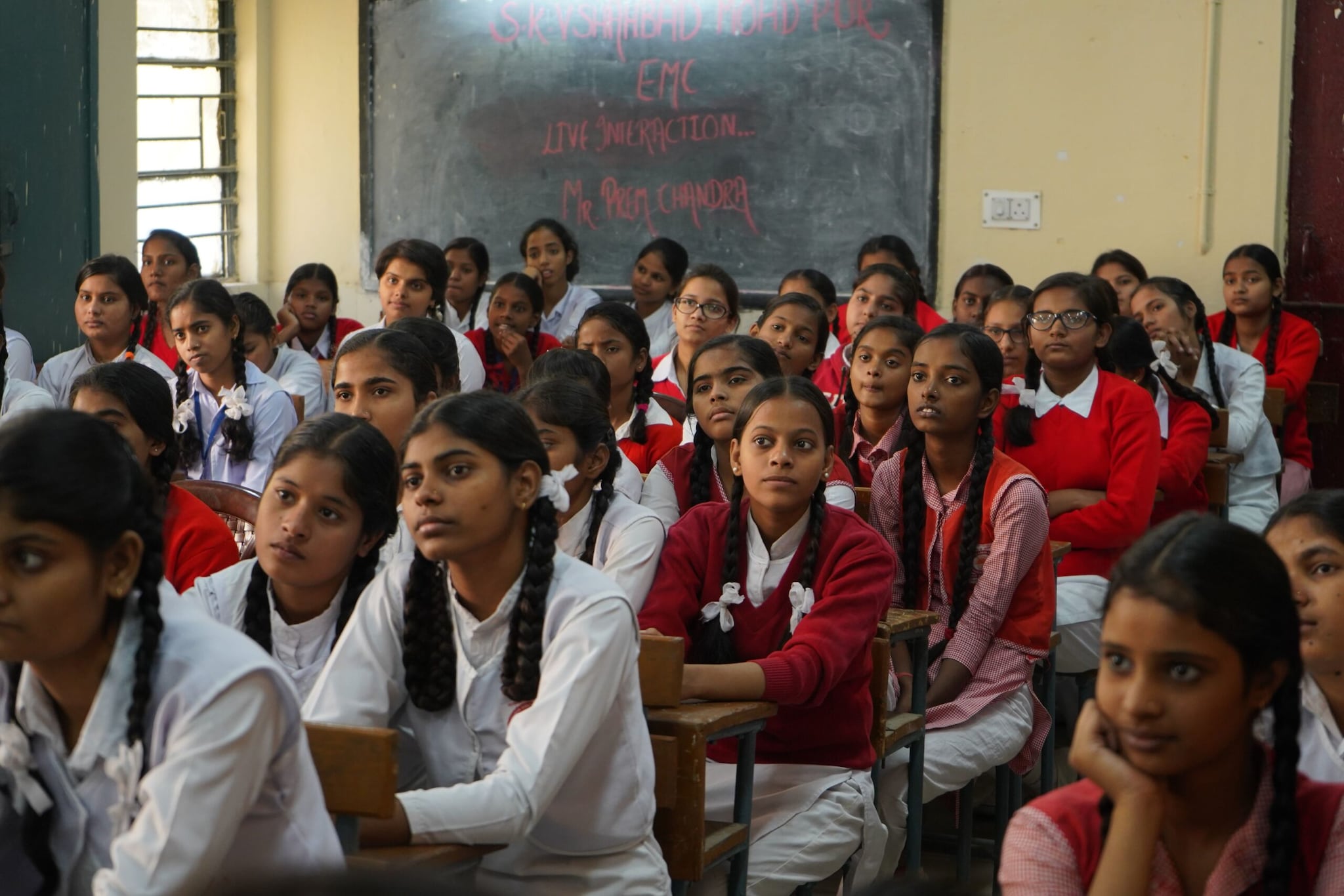
Goa: Goa takes the fourth spot by demonstrating major gains in learning quality and school infrastructure. The state maintains small pupil-teacher ratios, provides widespread access to digital tools, and effectively minimizes dropout rates across both primary and secondary levels. (Representative Image: Pexels)

Delhi: Delhi features in the top five, driven by major transformations in its public school ecosystem. The National Capital stands out for superior infrastructure, specialized teacher development programs, and high equity metrics that bridge socio-economic learning gaps. (Representative Image: Pexels)

Punjab: Securing sixth place, Punjab performs strongly due to extensive school infrastructure upgrades and high participation metrics. The state has effectively implemented modern learning tools, streamlined governance processes, and enhanced educational access across its rural communities. (Representative Image: Pexels)
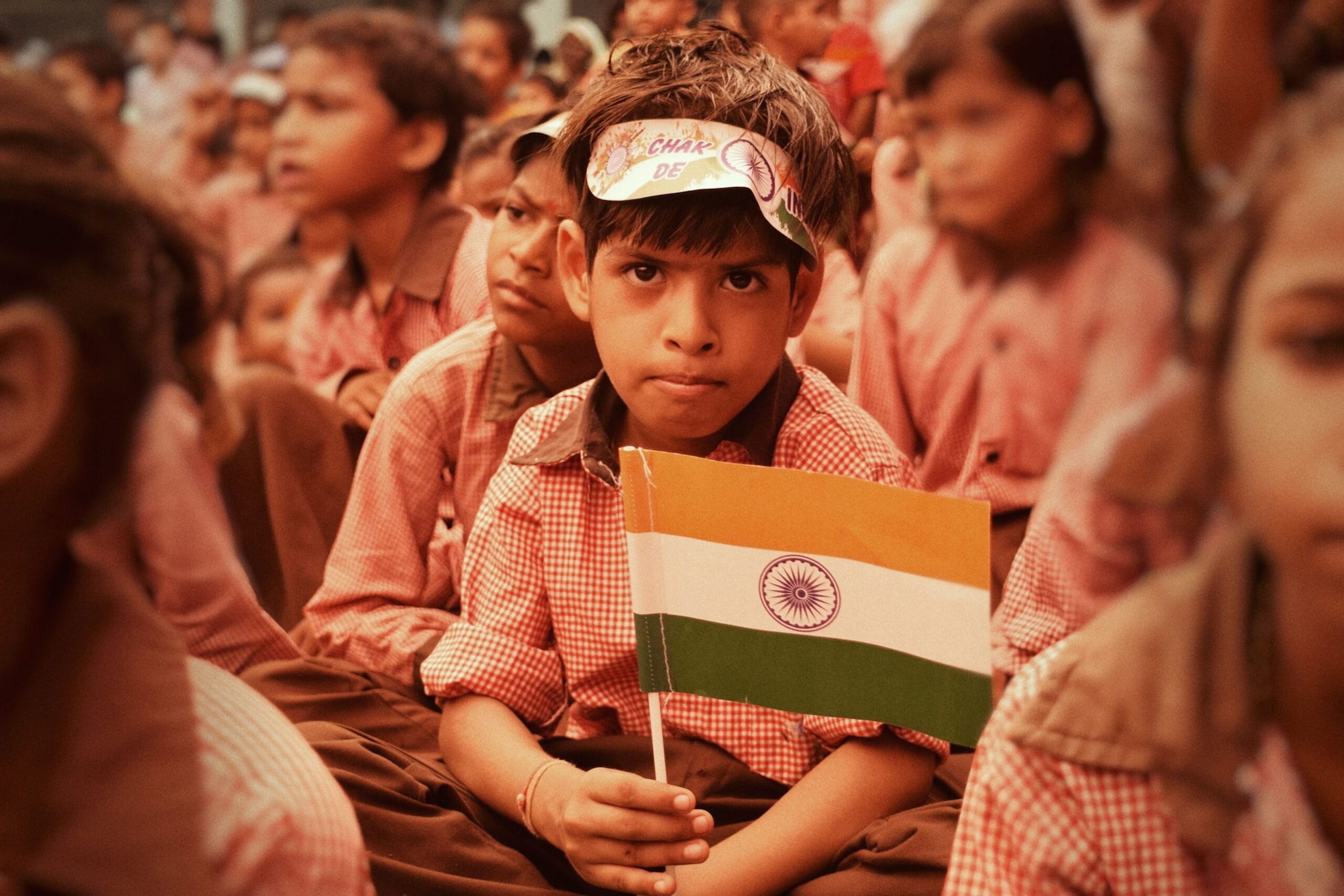
Tamil Nadu: Tamil Nadu occupies seventh place, supported by comprehensive social welfare schemes like pioneering mid-day meal programs. The state scores high in retention and equity, ensuring accessible secondary education and strong foundational learning outcomes statewide. (Representative Image: Pexels)
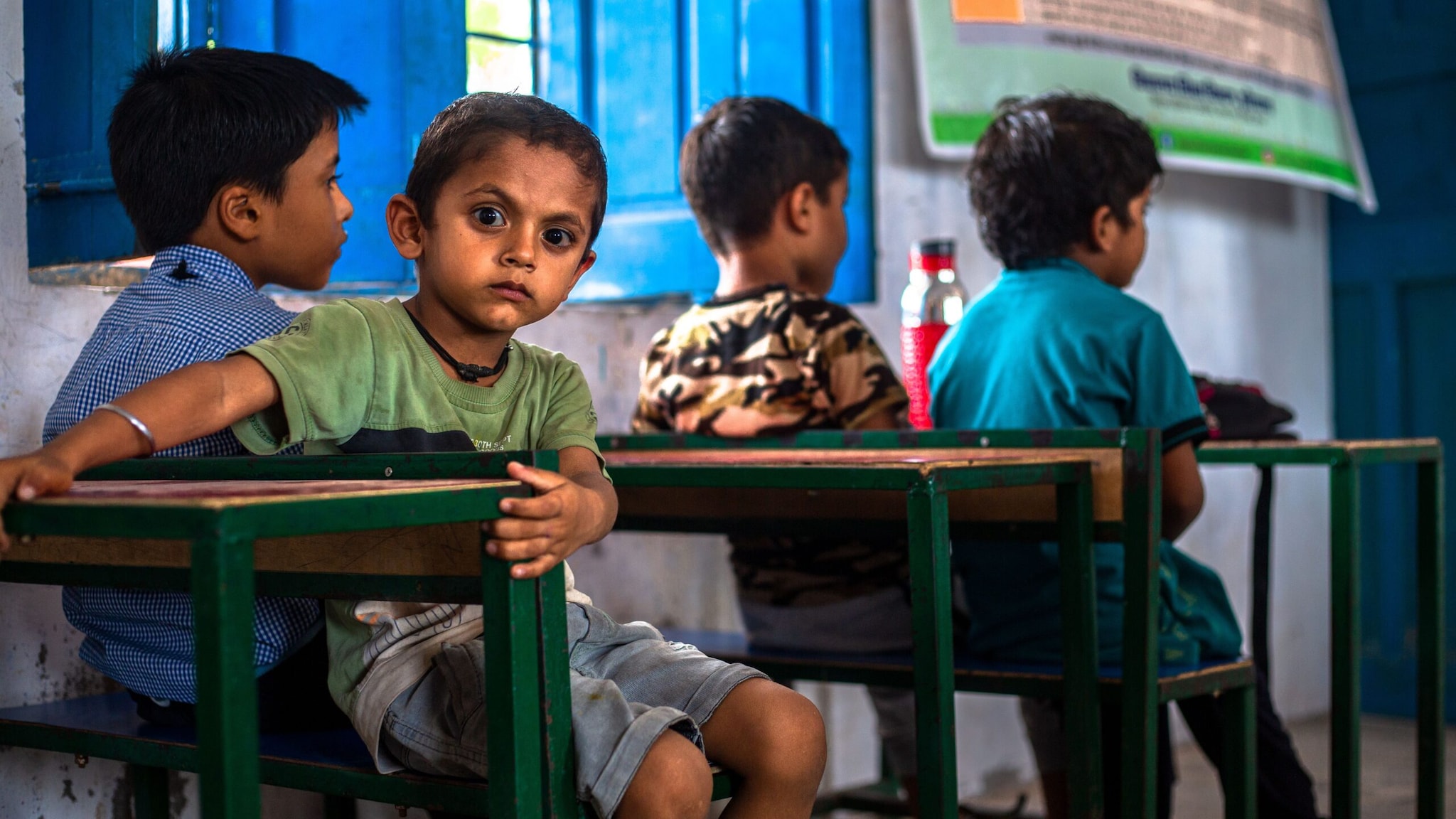
Andaman and Nicobar Islands: Ranking eighth, this Union Territory overcomes geographical challenges to deliver consistent educational standards. It maintains high student retention, well-equipped island school facilities, and balanced teacher distribution, ensuring quality learning across remote and isolated habitations. (Representative Image: Pexels)
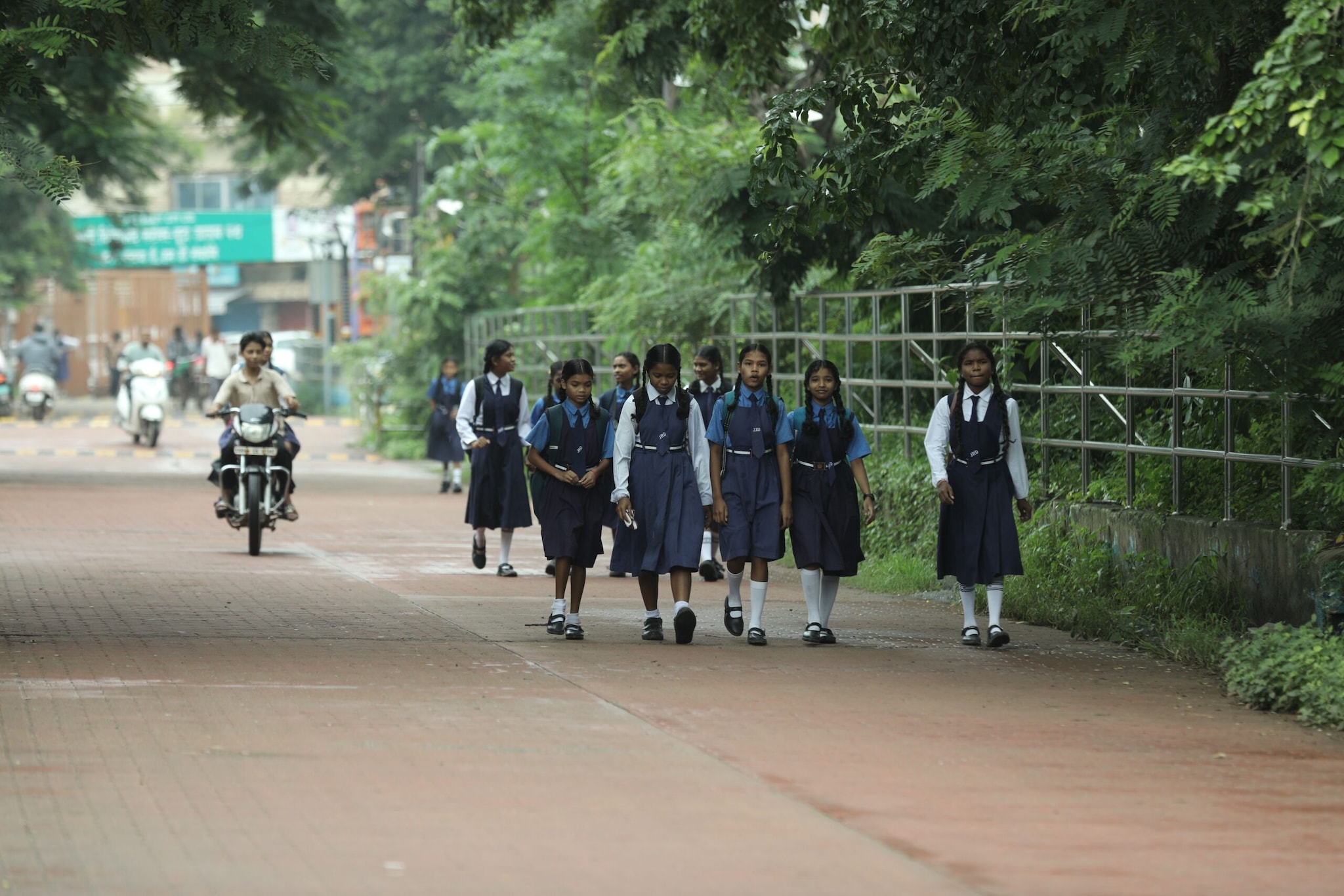
Lakshadweep: Taking ninth position, Lakshadweep performs remarkably well in student retention and foundational learning access. The island territory benefits from high teacher-to-student ratios, community-driven education management, and targeted welfare initiatives that support high completion rates. (Representative Image: Pexels)

Haryana: Rounding out the top ten, Haryana has made notable strides in school infrastructure and digital governance. Focused policy interventions have successfully improved secondary school enrollment, learning assessment frameworks, and basic facilities across government educational institutions. (Representative Image: Pexels)
Source link
[ad_3]

