
For generations, the Zojila Pass on the Srinagar-Kargil-Leh highway has been both a lifeline and a curse — regularly swallowed by blizzards, avalanches and sub-zero cold that cut off entire communities for months. On June 9, that era came to an end. Workers completed the final breakthrough of the Zojila Tunnel, sealing the last stretch of what will become the world’s longest single-tube, two-way road tunnel at high altitude.
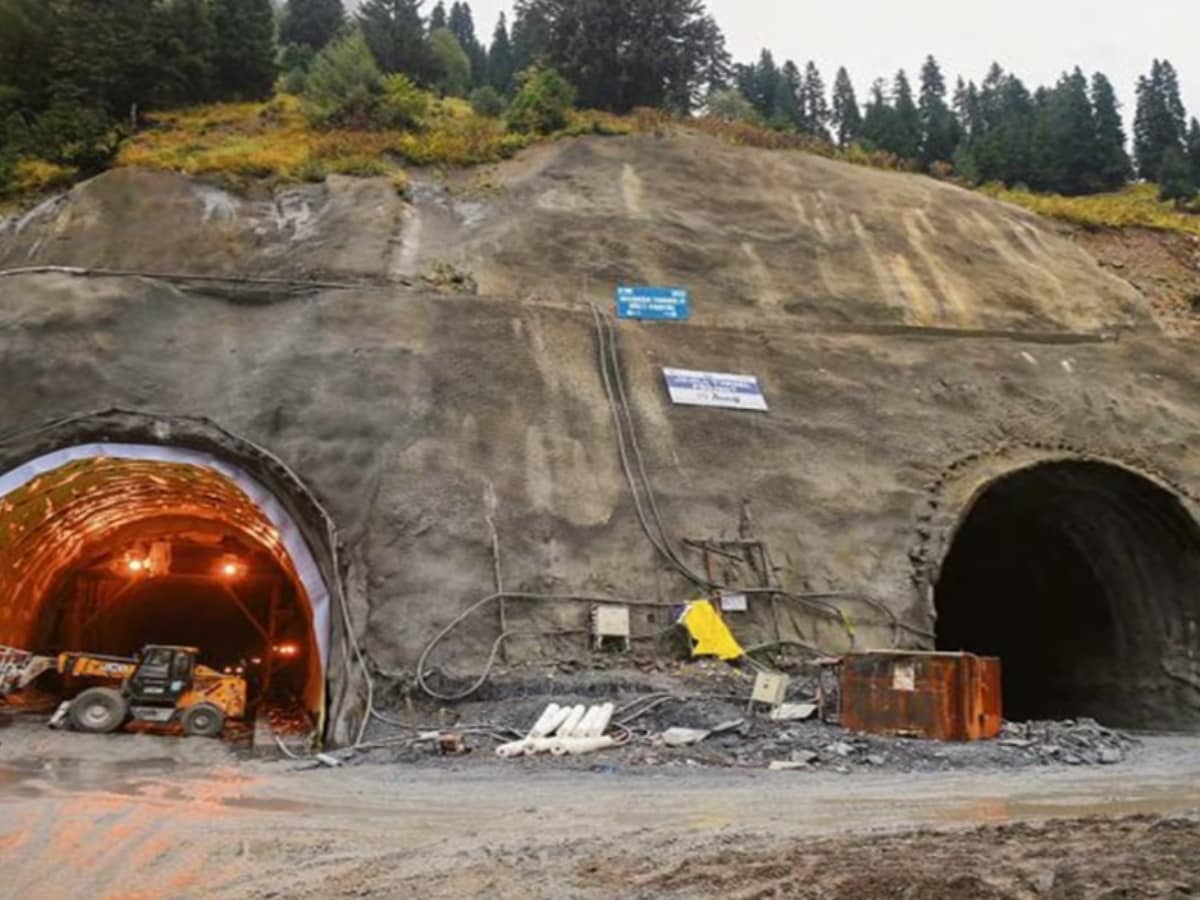
More than 1,200 workers — 80 per cent from local communities — have spent years drilling through some of the most punishing terrain on earth. Temperatures regularly plunge to minus 20°C, occasionally hitting minus 30°C, forcing crews to work roughly 100 days a year in sub-zero conditions. Through it all, the project has logged over one crore safe man-hours as of April 2026 — a record in itself, achieved in one of India’s most unforgiving environments.
The 13.153-kilometre main tunnel cuts through rock that changed character 67 times along its length — shifting geology that demanded constant adaptation. Engineers deployed the New Austrian Tunnelling Method (NATM), adjusting excavation and support strategies on the fly using shotcrete and rock bolts. The method is gaining traction in Himalayan tunnel projects, but rarely at this scale or at an altitude of nearly 11,578 feet above sea level.
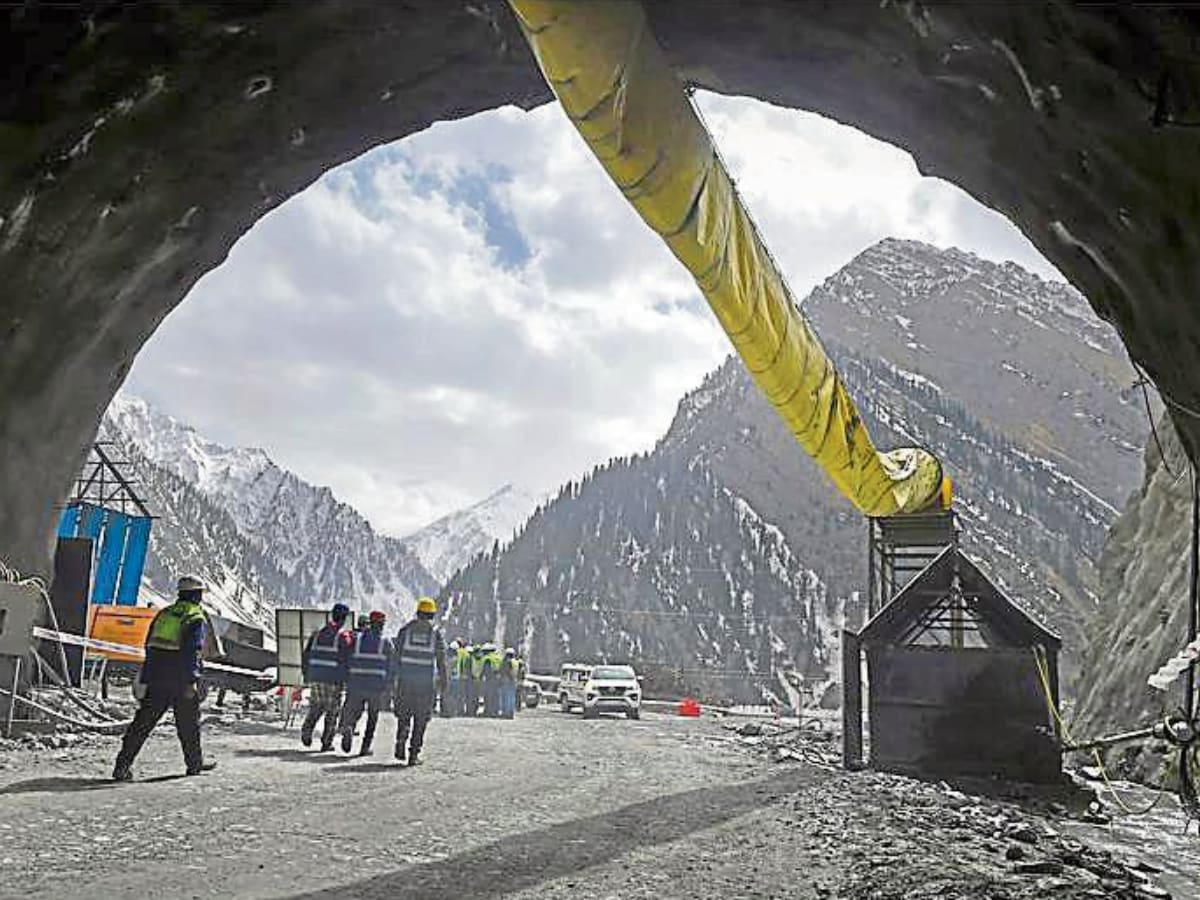
With no separate escape tunnel, engineers designed three massive vertical shafts for ventilation and emergency evacuation. The largest — on the western end — plunges 474.3 metres into the mountain, making it India’s deepest vertical shaft ever drilled. The second measures 367.38 metres, the third 213.5 metres. Together, they represent a feat of precision engineering that keeps the tunnel breathable and safe across its entire length.
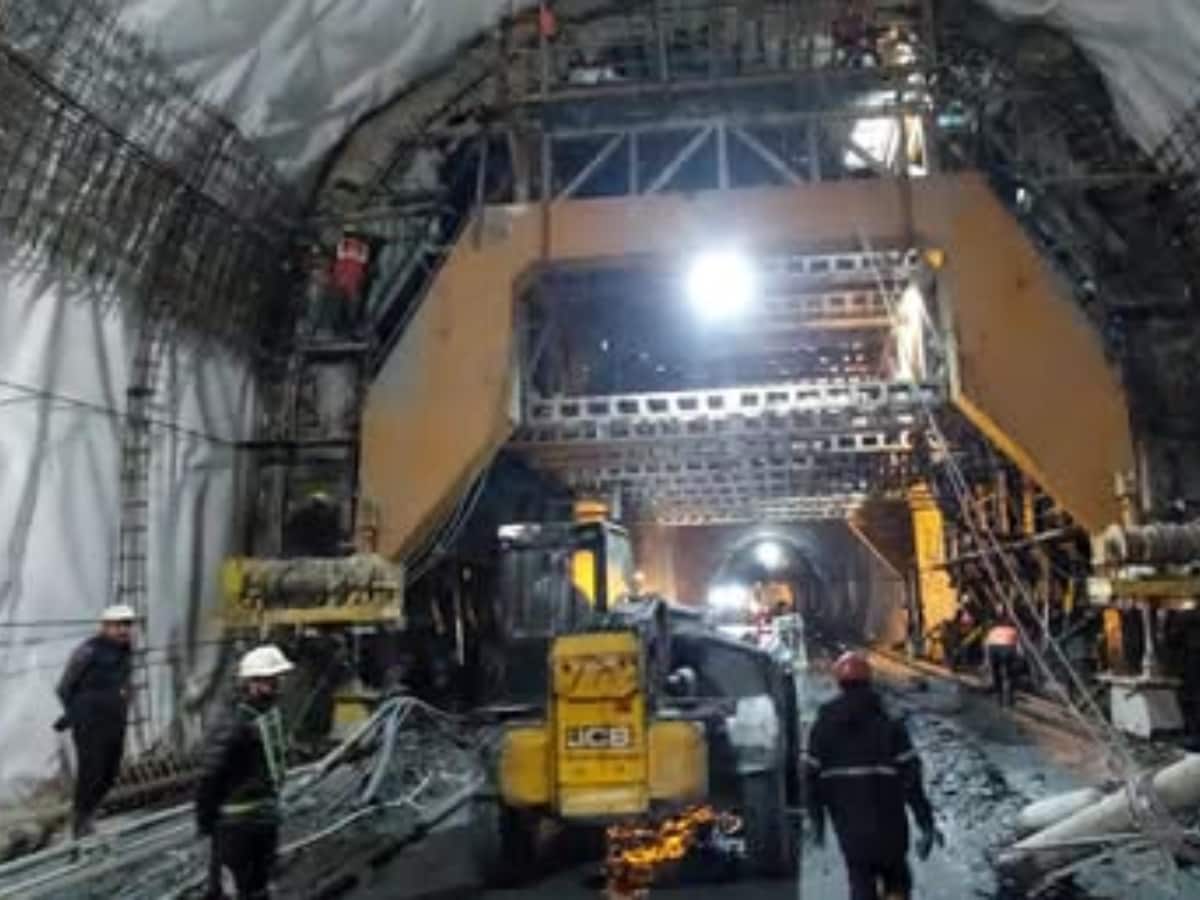
Nature fought back repeatedly. At least five major avalanche events struck the project site over five years. The worst, on January 12, 2023, near the Nilgrar tunnels at Sarbal, was followed days later by a second slide that trapped labourers underground. The Indian Army rescued over 172 people. Further slides in February 2024 and March 2025 damaged equipment and halted work — but construction never stopped for long.
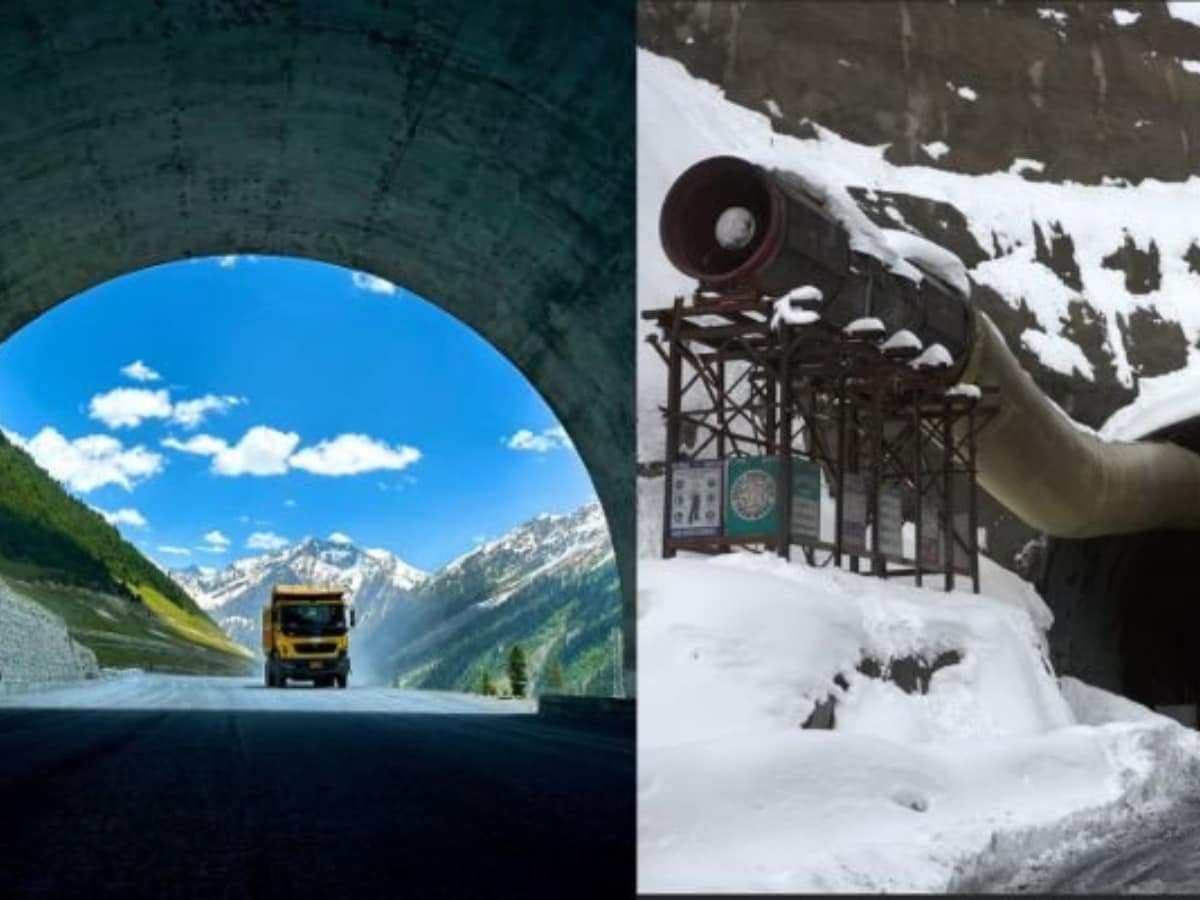
When heavy snowfall buried approach roads, specialised snow blowers and heavy machinery were pressed into service to keep the project alive and sections of the highway passable. A fully-equipped base camp housing 1,100 personnel was maintained round-the-clock — with doctors, weather-appropriate food, transport and emergency support — ensuring that even the harshest Zojila winter could not fully shut operations down.
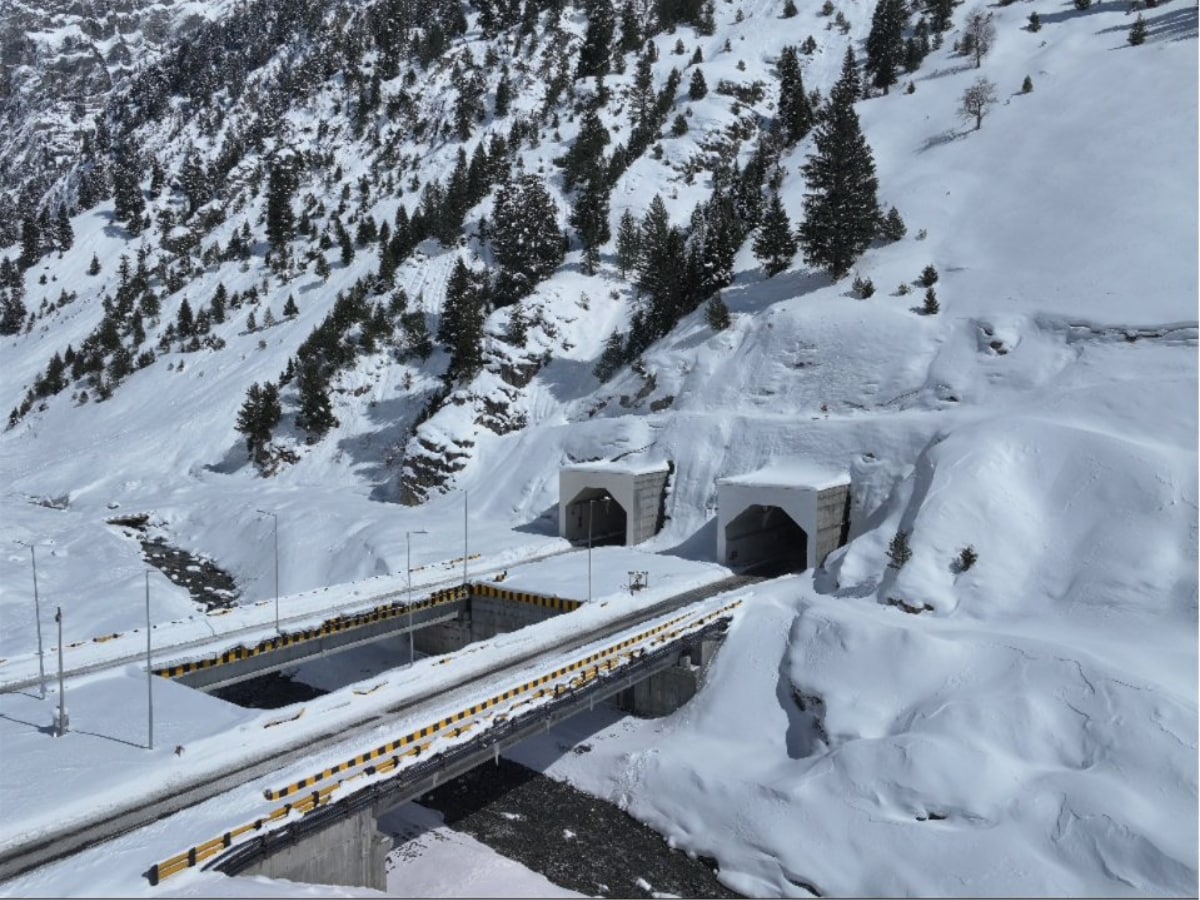
The Zojila Tunnel is the centrepiece of a 30.894-kilometre corridor that includes far more than the main bore. The Nilgrar twin tunnels — 457.35 metres and 1,953.63 metres respectively — sit alongside 2.35 kilometres of cut-and-cover structures, a 450-metre snow gallery, and three major bridges spanning 460 metres in total. The first major package covering approach roads, bridges and the snow gallery was completed in March 2025.
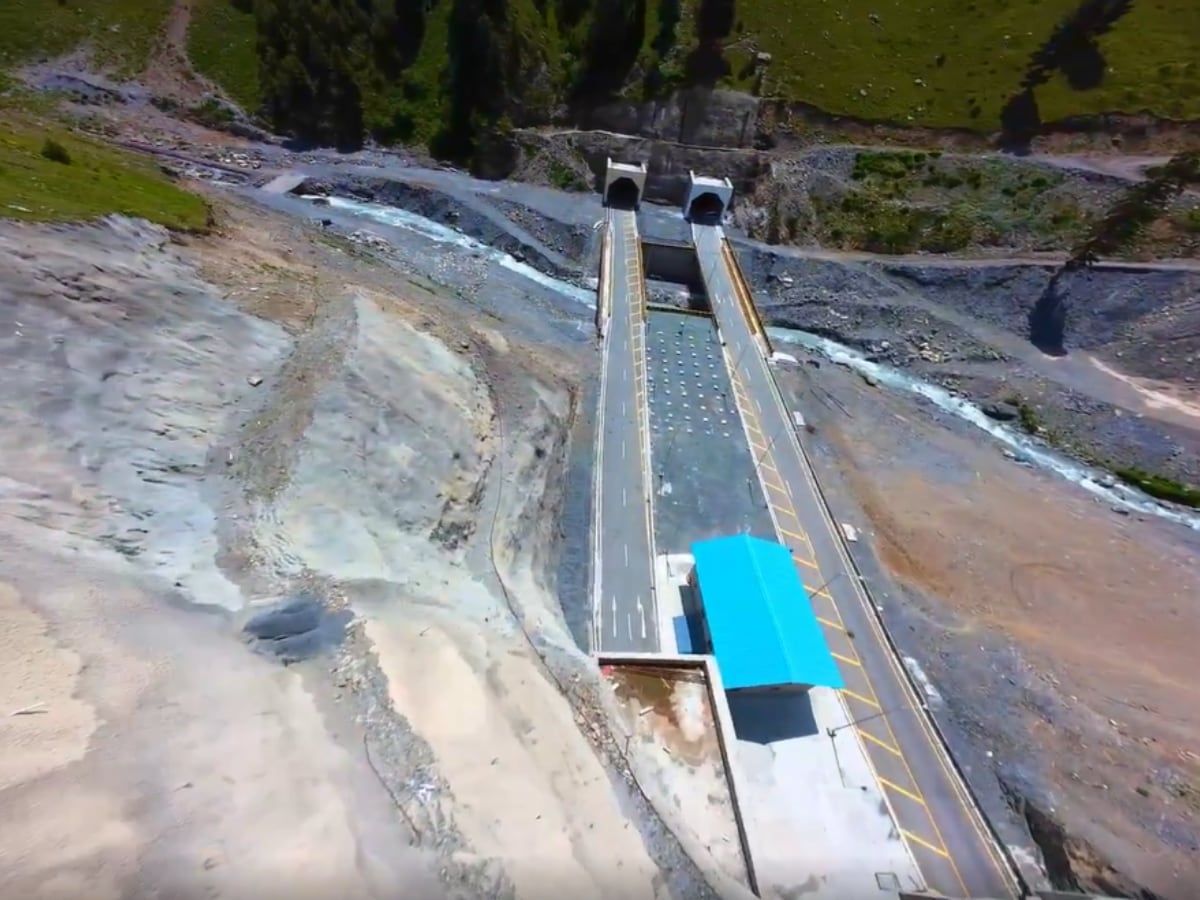
Running from Baltal near Sonamarg in Jammu & Kashmir to Minamarg in Drass, Ladakh, the tunnel is being built by Mega Engineering and Infrastructure Limited (MEIL) for the National Highways and Infrastructure Development Corporation (NHIDCL) — the central government’s specialist agency for connectivity in difficult terrain. When open to traffic, it will permanently link the Kashmir Valley to the Union Territory of Ladakh, regardless of season or weather.
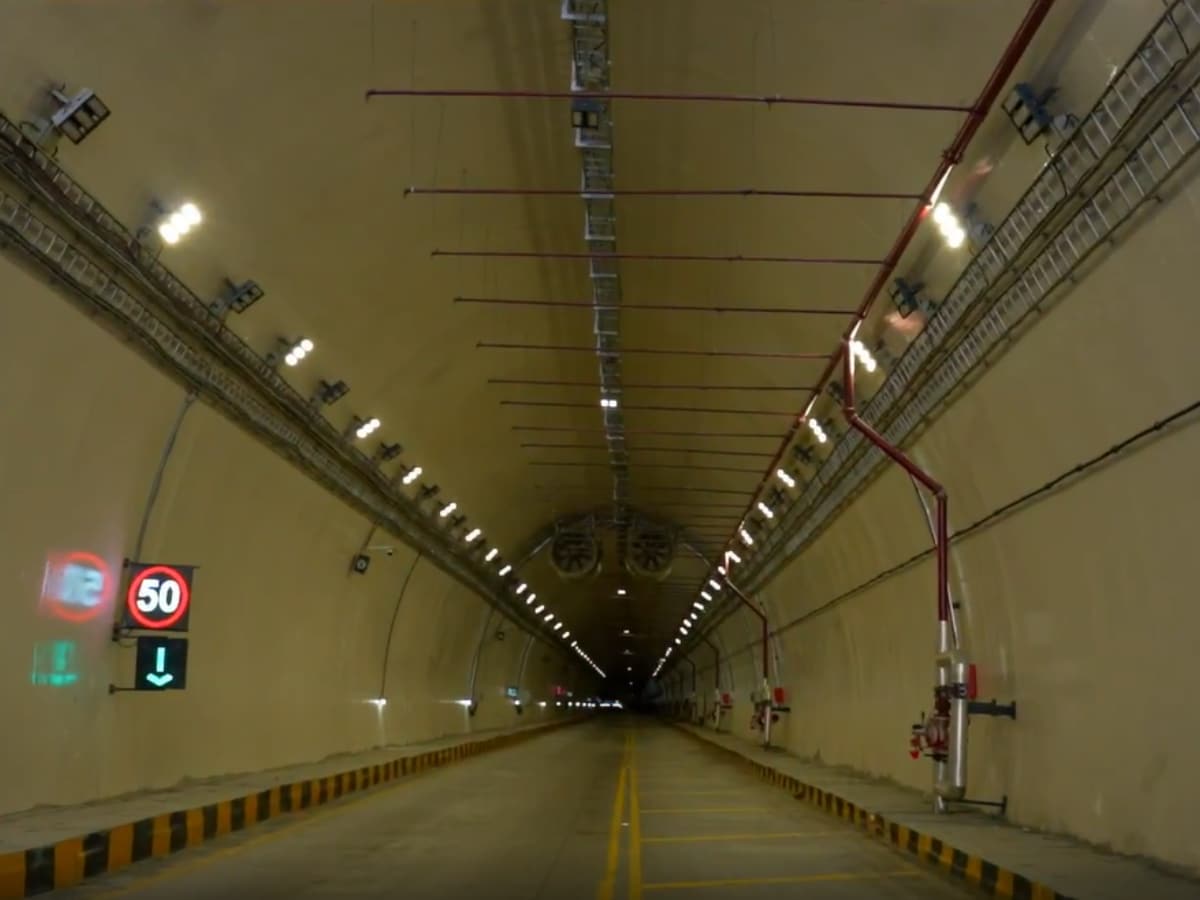
The June 9 breakthrough is the culmination of a series of hard-won milestones: the first blast in the Nilgrar tunnel on October 14, 2020; both tube breakthroughs between November 2021 and April 2022; the eastern ventilation shaft completed in November 2023; and India’s longest vertical shaft drilled in July 2025. Each milestone inched the project closer to transforming the most strategically vital mountain corridor in the country.
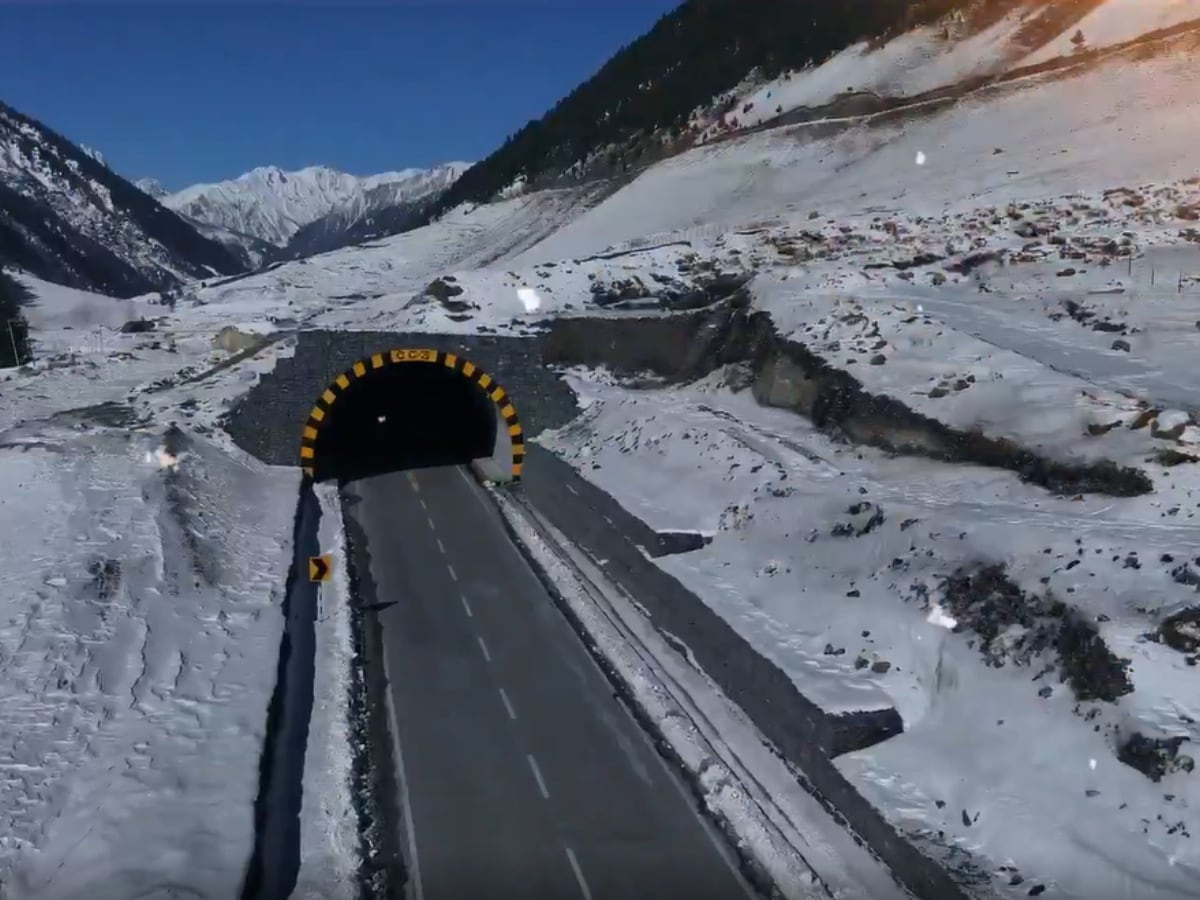
The June 9 breakthrough is not the finish line. Tunnel lining, ventilation systems, electrification, safety installations and finishing work remain before the first vehicles roll through. But for Kargil, Drass and Leh — communities that have endured seasonal isolation for generations — and for the Indian Army whose logistics on the northern border depend on this corridor, the hardest part is done. The Zojila Tunnel has broken through. The rest is only a matter of time.
Source link
[ad_3]

