
During Prime Minister Narendra Modi’s recent visit to Italy, he gifted his counterpart Giorgia Meloni Parle’s popular chocolate-filled candy, ‘Melody’. The moment instantly went viral, sparking a wave of nostalgia. Behind the “Melodi” memes, however, lies the remarkable journey of the visionary who built the legendary Parle brand from the ground up.
Almost a century ago, Mohanlal Dayal Chauhan was simply trying to earn a living, long before he went on to found Parle Products and build one of India’s biggest FMCG brands. (Image: X)
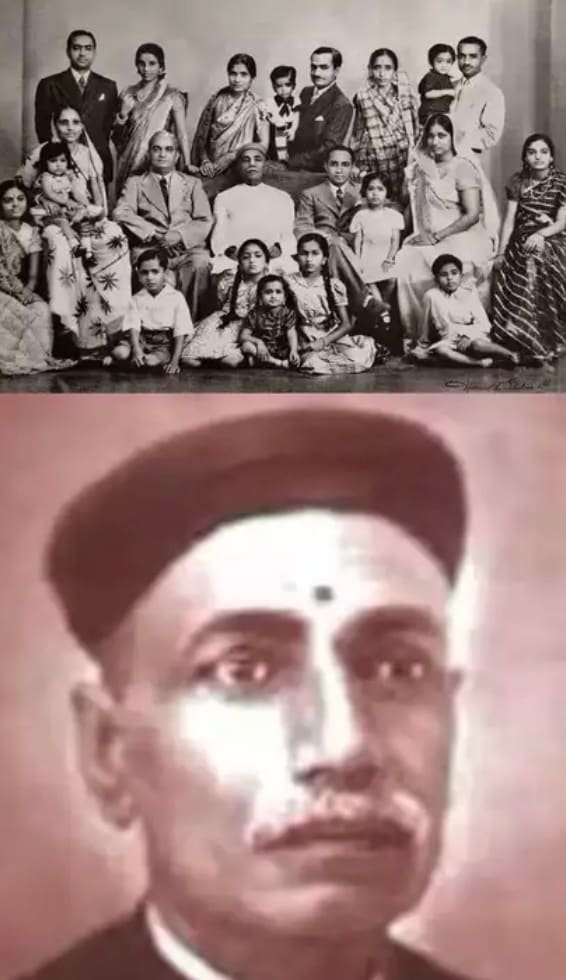
According to ET Now reports, Mohanlal Dayal Chauhan did not begin his career as a businessman in food industry. He started with garment business and worked as a tailor in Mumbai’s Vile Parle area. Nonetheless, when the tailoring business struggled, he decided to change the direction and entered the food trade. (Image: X)
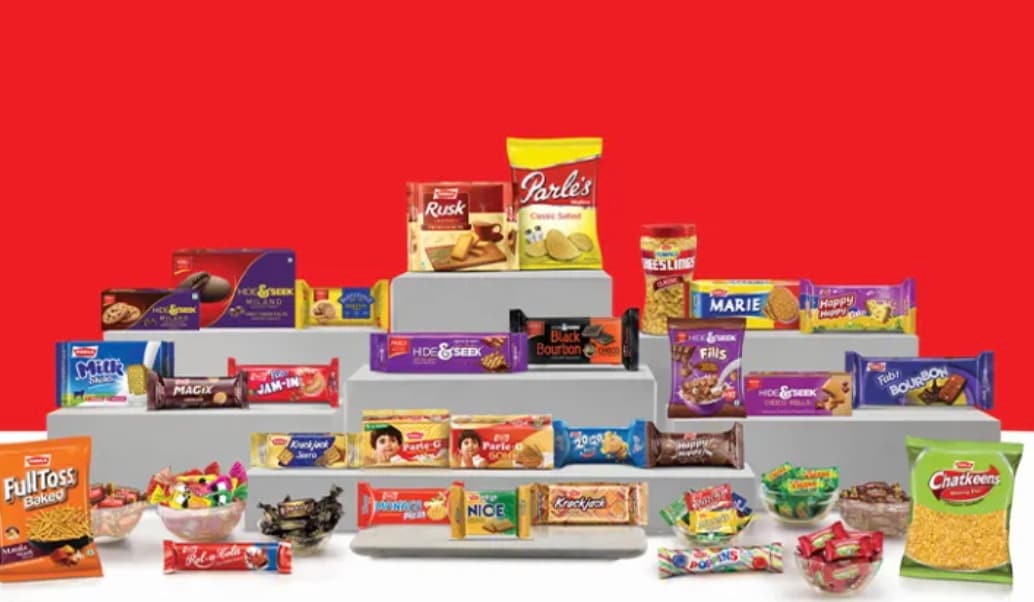
He reportedly opened a small bakery and began selling bread, snacks and nankhatais locally. During that time, affordable baked food was becoming increasingly popular among working class families in Mumbai. What started as a small effort to survive slowly turned into a growing business opportunity. Over the years, the bakery expanded into biscuits and confectionary products, setting the stage for a much larger company. (Image: Pinterest)
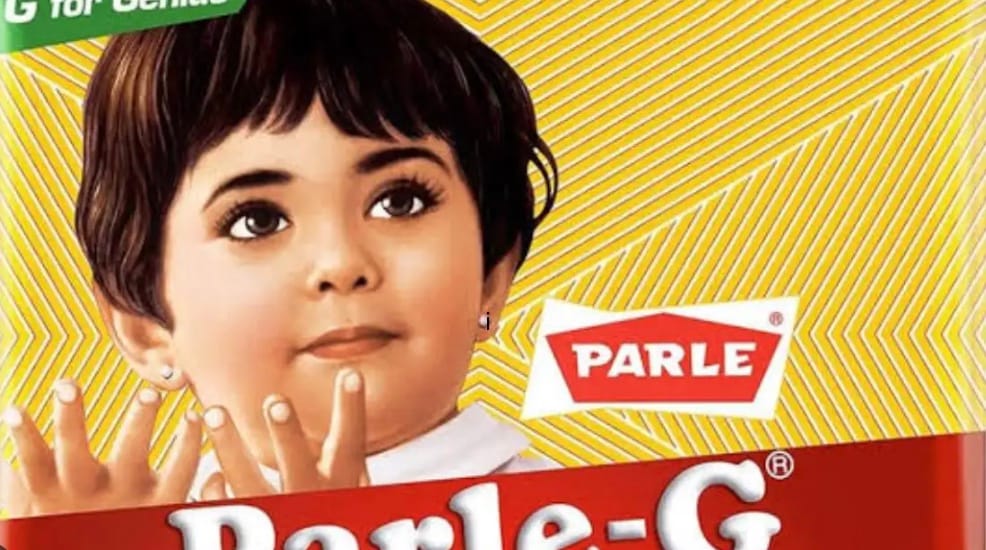
In 1929, the Chauhan family formally established what later became Parle Products. Mohanlal invested around Rs 60,000 to import biscuit-making machines from Germany, a major step during that period. Along with his five sons, Maneklal, Pitambar, Narottam, Kantilal and Jayantilal, he established a small factory in Vile Parle. The company eventually took its name from the Mumbai suburb where it began its journey. At the time, biscuits in India were mostly imported and considered expensive products consumed mainly by British officials and wealthy Indians. Indian-made biscuits had very little presence in the market. (Image: Pinterest)
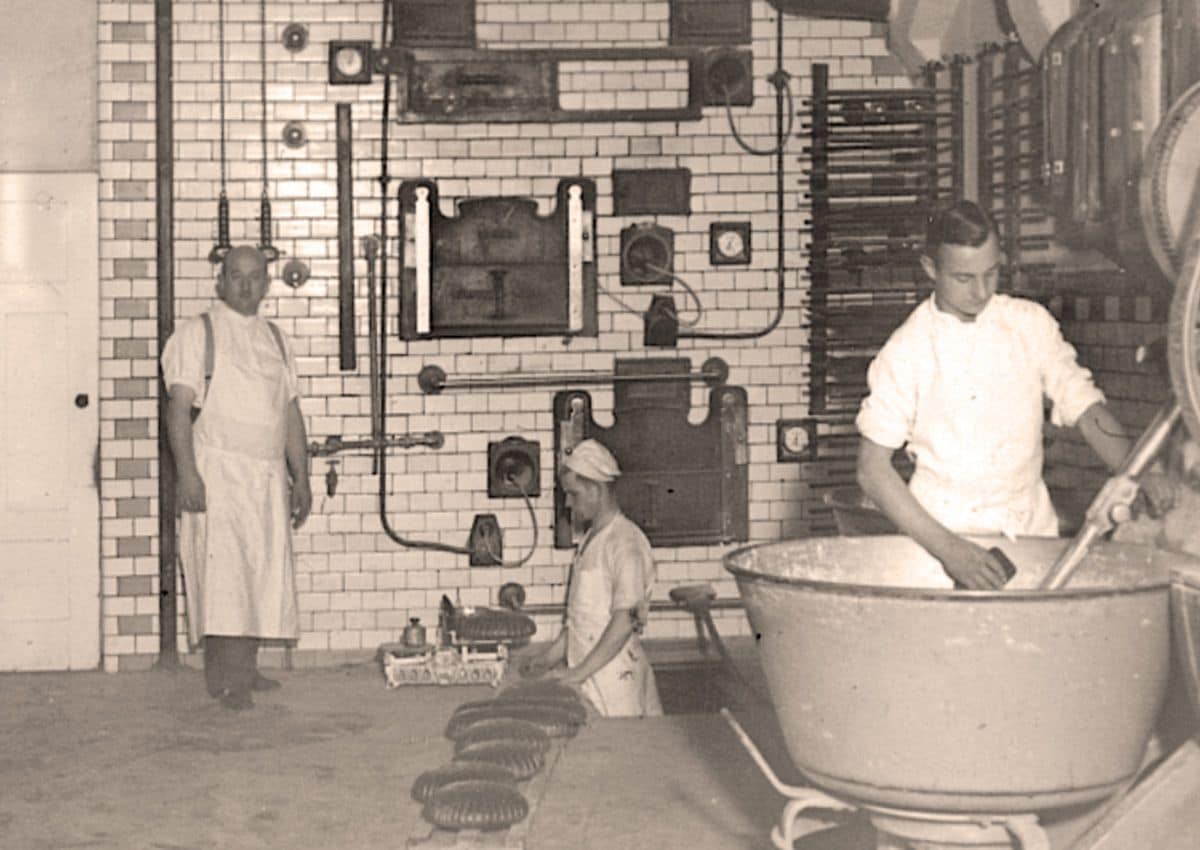
In 1939, the company’s growth changed significantly after it started manufacturing glucose biscuits. The company reportedly secured a licence to supply biscuits to the British Army during World War II. This helped Parle expand production and increase its reach across the country. Eventually, it became a recognised name in Indian households. (Image: Pinterest)
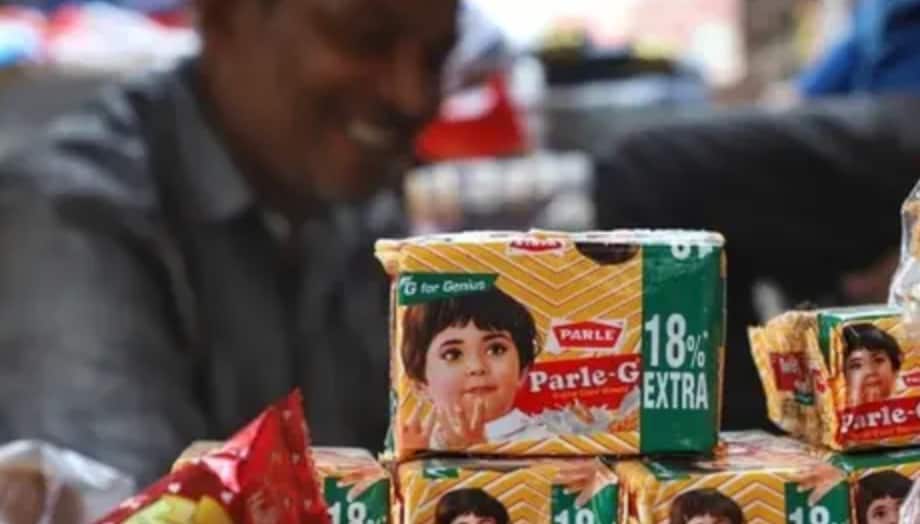
After Independence in 1947, Parle positioned itself as an Indian alternative to foreign brands – when Swadeshi ideas strongly influenced buying habits, the company’s identity connected with consumers across the country. (Image: Pinterest)
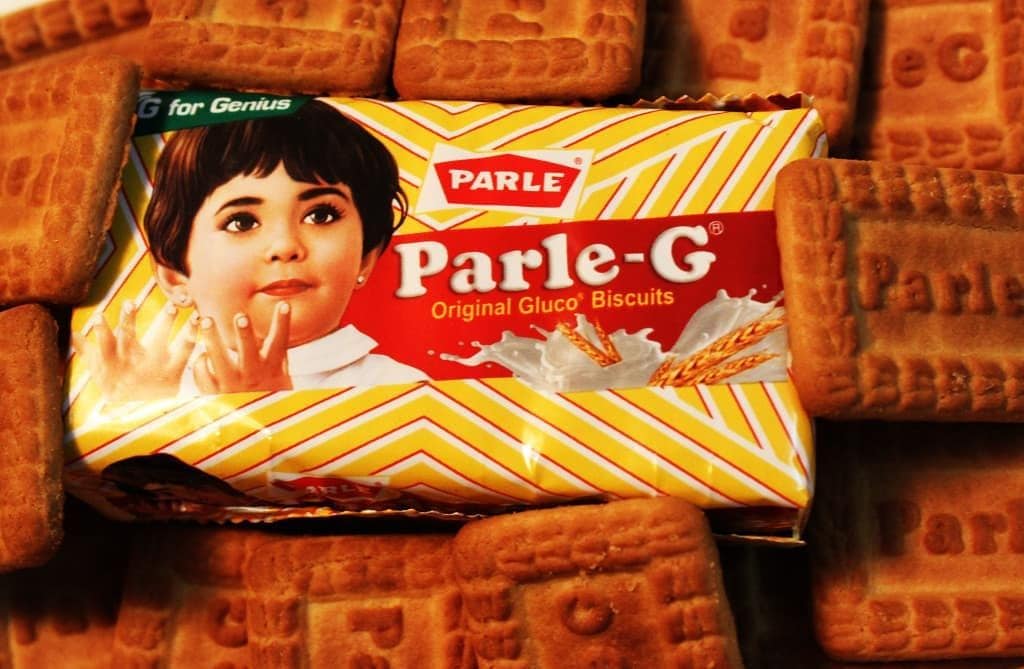
Over the decades, Parle-G became much more than a biscuit. It became a part of everyday Indian life. (Image: Pinterest)
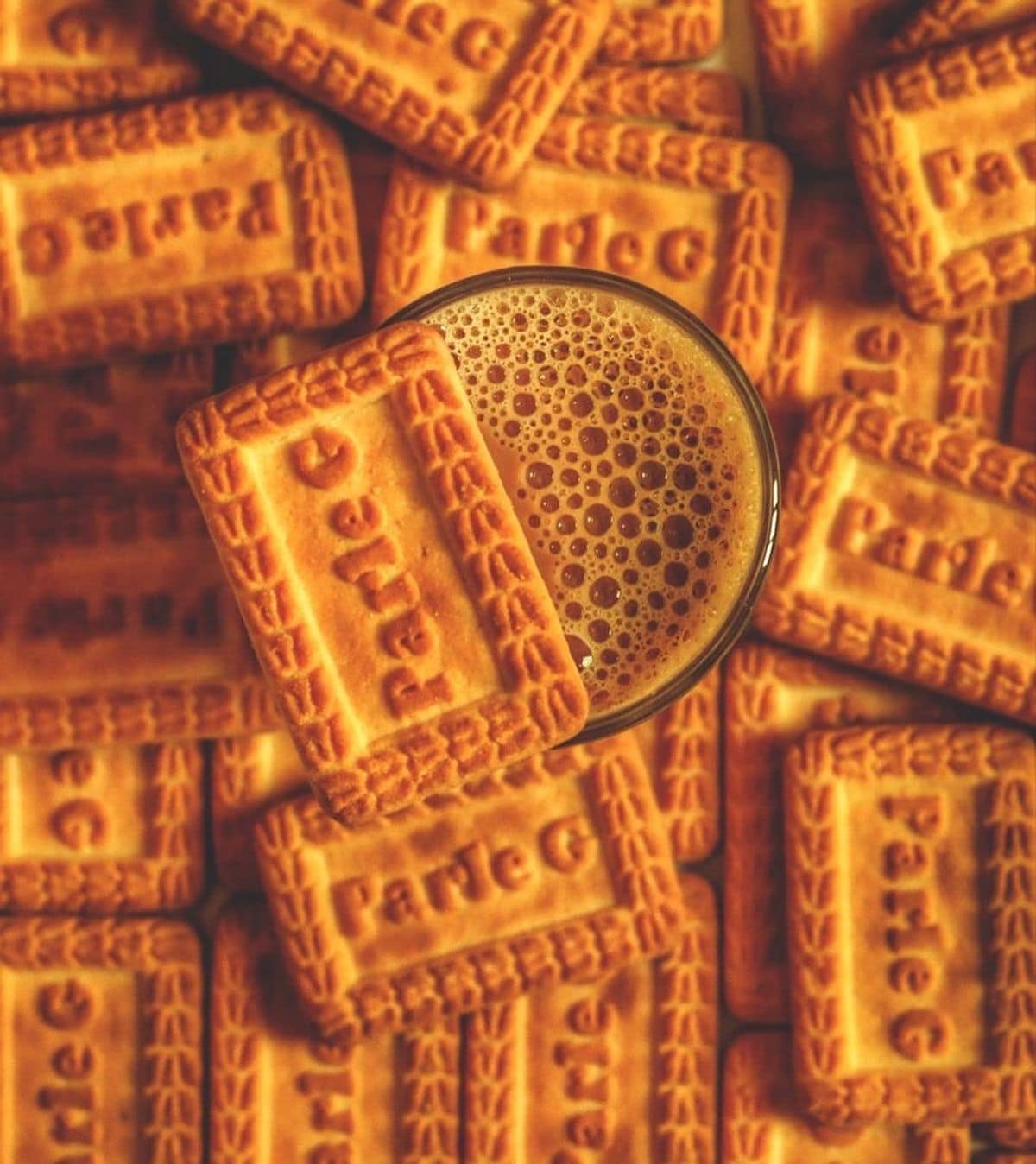
In 2011, global research firm Nielsen reportedly named Parle-G the world’s highest-selling biscuit brand by volume. In 2013, it also became the first Indian FMCG brand to cross Rs 5,000 crore in retail sales. (Image: Pinterest)
Source link
[ad_3]

